Newsletters


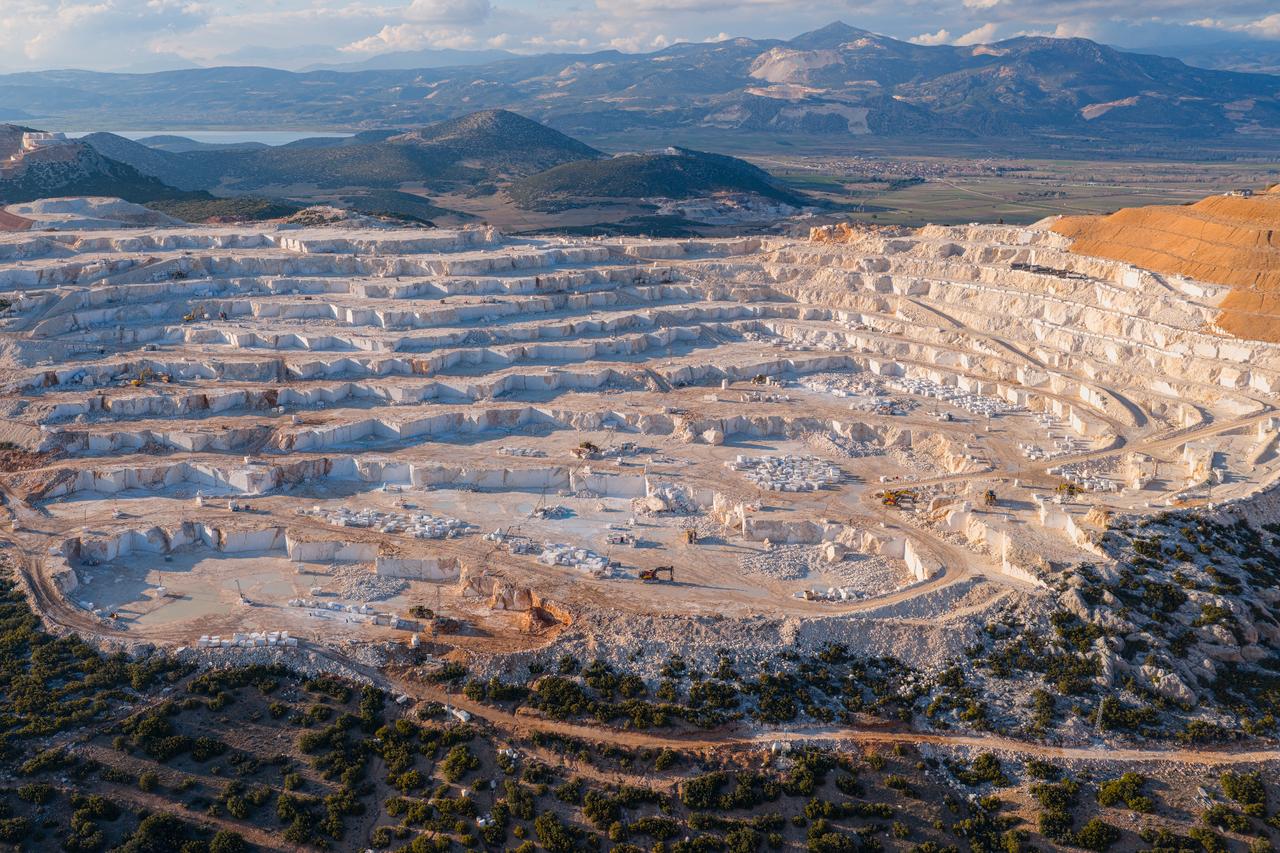


Türkiye plans to step up mining investments during the 2027-2029 period as part of efforts to reduce dependence on foreign energy and natural resources and strengthen supply security, according to the new Medium-Term Program (MTP).
Under the program, the country will expand the exploration and production of domestic resources and bring them into the economy with higher added value.
It will also diversify energy sources, increase storage capacity, and build up domestic production and research and development capabilities in critical minerals, energy, and mining technologies, the program says.
The government plans regulatory changes to cut import dependence on critical and strategic minerals and support domestic production. R&D will focus on domestic coal gasification, carbon capture and storage, advanced carbon products, and critical energy and mining technologies.
Ibrahim Halil Kirshan, head of the Türkiye Mining Assembly at the Union of Chambers and Commodity Exchanges of Türkiye (TOBB), welcomed the MTP's focus on critical minerals, rare earth elements and domestic resources.
"Critical mines, minerals and rare earth elements have become a national security and geopolitical issue in the world in terms of supply security," Kirshan told state-run Anadolu Agency.
"The inclusion of these elements among the priority areas in the MTP is vital for our country's industrial development."
He also highlighted a planned 139% increase in MTA exploration investments, saying it will help uncover Türkiye's mining potential.
Kirshan called the planned regulations on critical and strategic minerals the MTP's most important mining provision and urged policymakers to treat mining as a strategic value chain rather than simple resource extraction.
He also called for a national critical minerals strategy and a Critical Minerals Presidency, with the goal of shifting Türkiye from raw ore exports to higher value-added products.
"Critical mineral strategy should be built based on public-private sector-university cooperation, our country's mining policy should be addressed in the context of industrial and technology policies, and our goal as a country should be to move from raw ore exports to exports of high value-added products," Kirshan said.
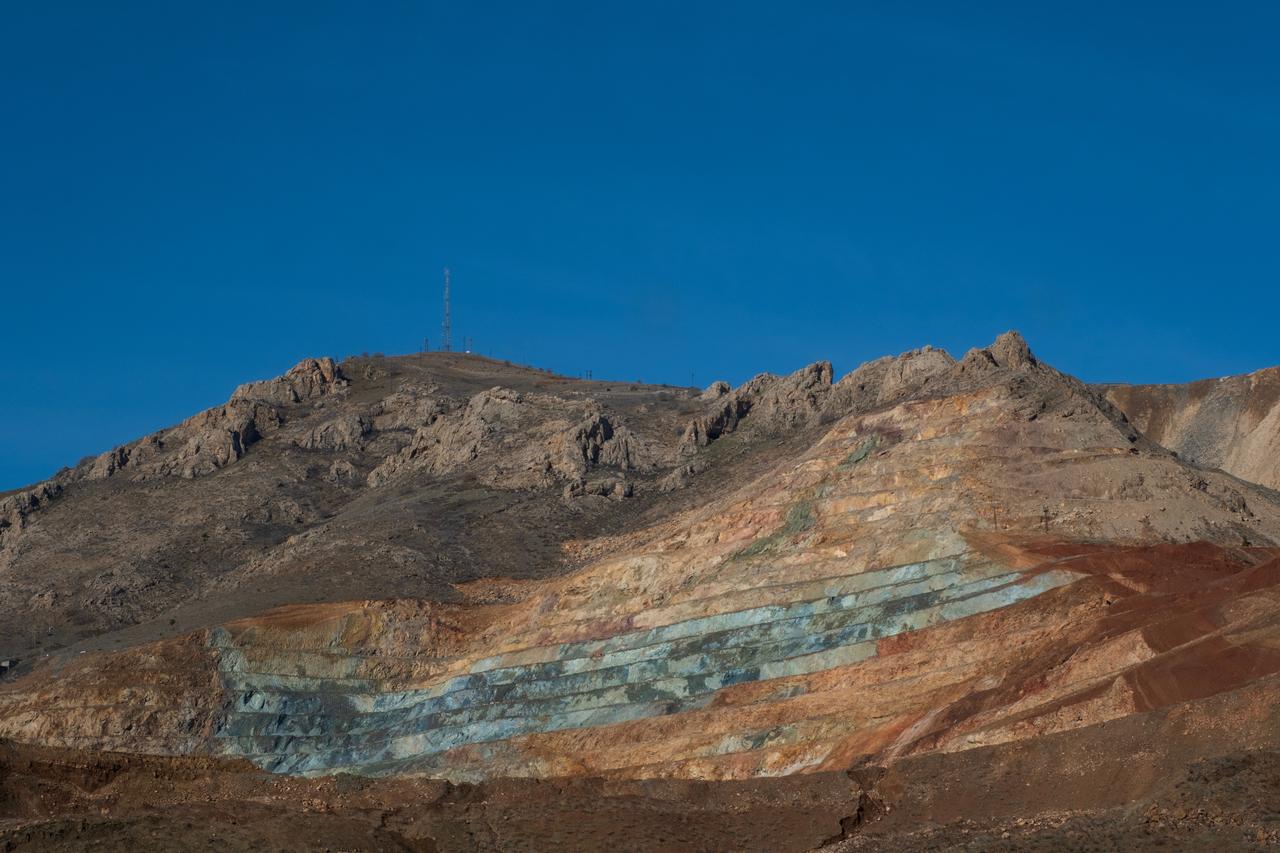

Türkiye has strong mining potential and an established mining culture, but its ability to process and refine minerals and turn them into advanced technology products remains limited, according to Kirshan.
"This situation causes most of the high added value to be created abroad," he said, pointing to Türkiye's growing domestic production in energy transition, automotive and defense industries as a source of potential demand for processed minerals.
Türkiye's competitive advantage also extends beyond its geological potential, with its industrial base, logistics capabilities and geopolitical position forming part of that strength, Kirshan added.
New legislation and a new institutional structure could help bring Türkiye's mining potential to the fore, he argued. They could also help determine the mineral and metal needs of domestic industry and turn them into mining projects that comply with environmental, social and governance (ESG) criteria.
"Türkiye's new industrial policy should treat critical minerals not as raw materials, but as fundamental inputs of the technology and industrial ecosystem," Kirshan said.


 Set as preferred source
 Set as preferred source


 1 min read
 1 min read