Newsletters


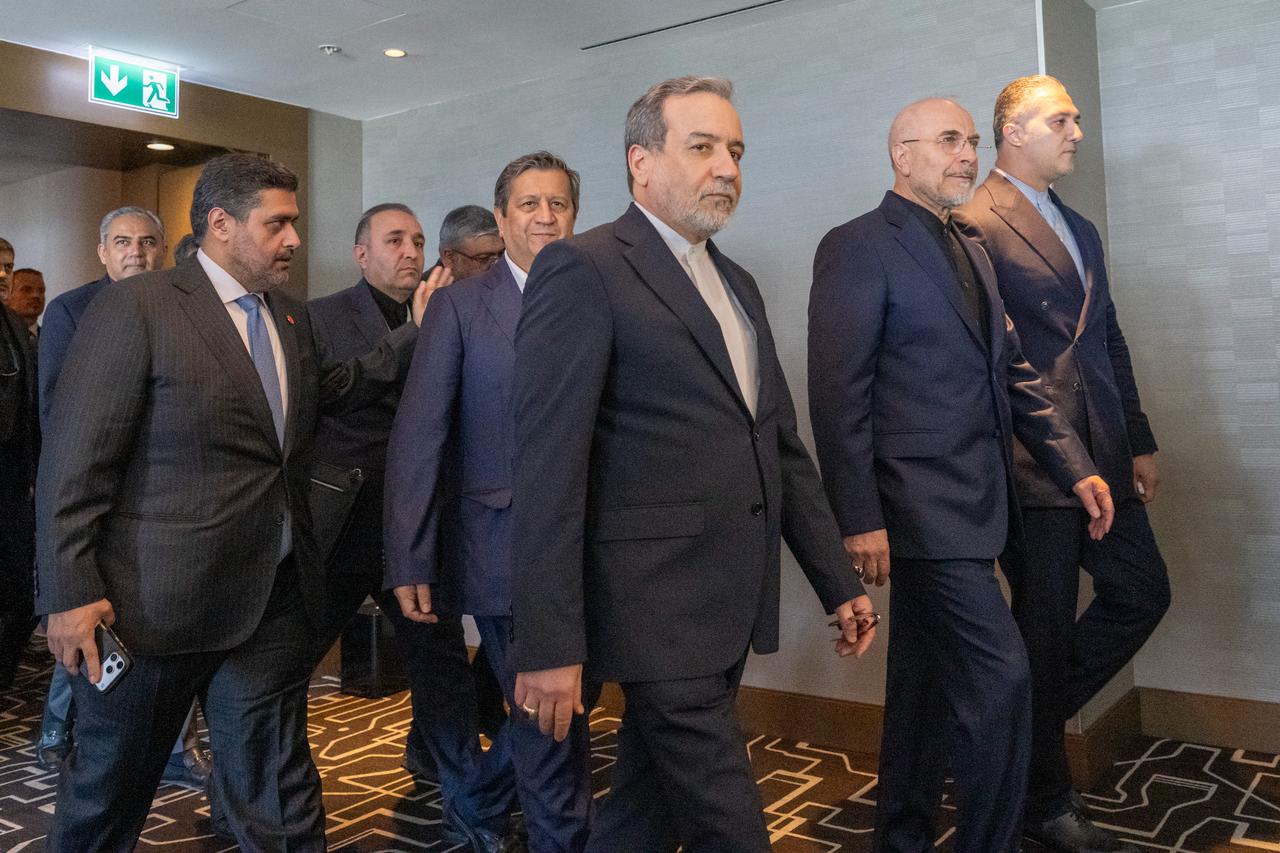


The U.S. State Department has issued visas to Iran's delegation to attend next week's United Nations General Assembly (UNGA) High-Level Week in New York, a department spokesperson said Thursday, even as the two countries remain locked in a stalemate.
"Consistent with our host country obligations, the core delegation from the Iranian regime will be able to attend U.N. General Assembly High Level Week," the spokesperson told The Associated Press (AP) in an emailed statement, speaking on condition of anonymity.
"The delegation will be under travel restrictions and will face prohibitions on the purchase of luxury and other goods per our policy.
The delegation is smaller than last year," the spokesperson said. Iran's delegation reportedly includes President Masoud Pezeshkian and Foreign Minister Abbas Araghchi.
As host country of U.N. headquarters, the U.S. is obligated under a longstanding agreement to facilitate visas for delegations attending U.N. meetings, and is generally limited in what it can do to prevent foreign leaders from attending the General Assembly.
It has, however, previously denied visas to or discouraged applications from leaders involved in active conflicts with Washington.
For last year's U.N. gathering, held before the current war began on Feb. 28 but after U.S. and Israeli strikes on Iranian nuclear facilities in June 2025, the State Department similarly approved a limited number of visas for Iranian diplomats while imposing strict restrictions, including limits on how far officials could travel within New York City from their U.N. mission and a ban on shopping at wholesale stores such as Costco and Sam's Club.
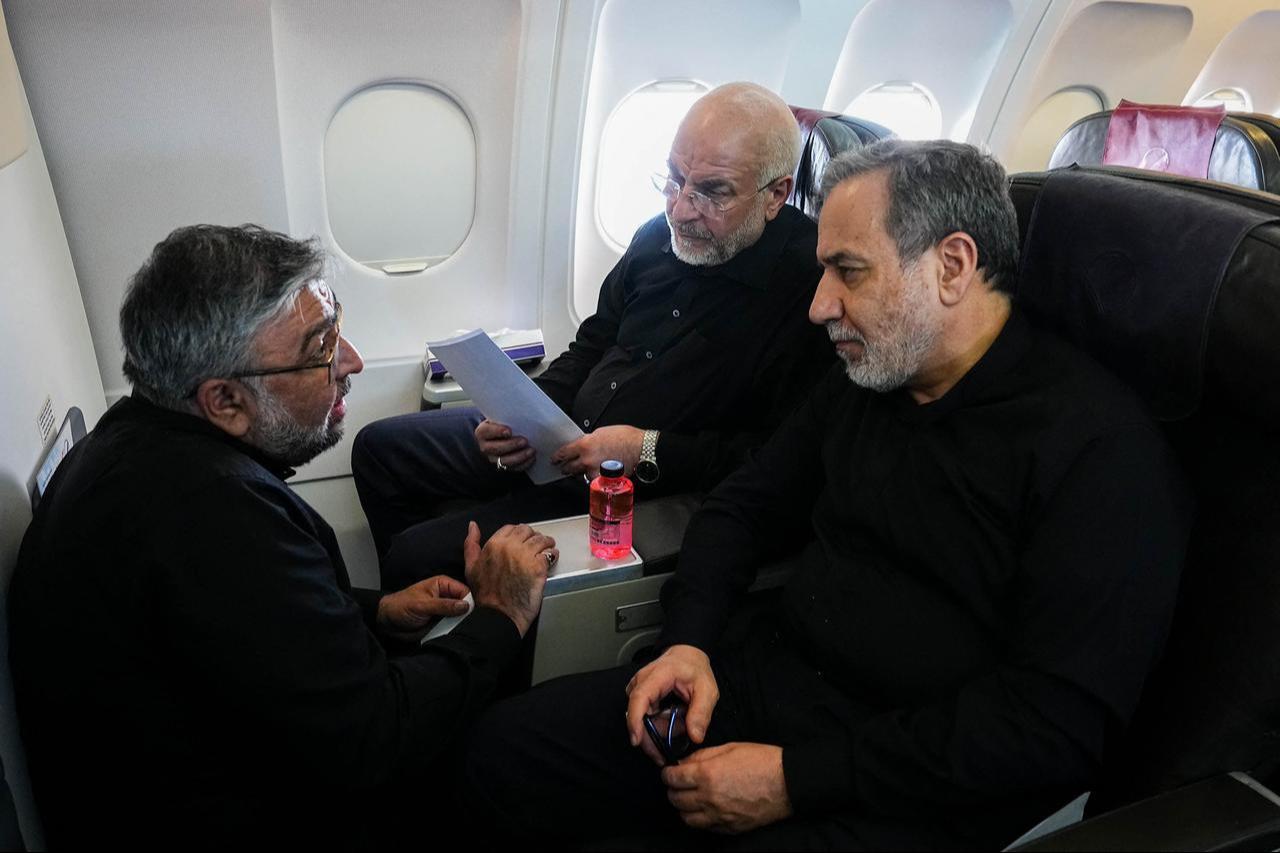

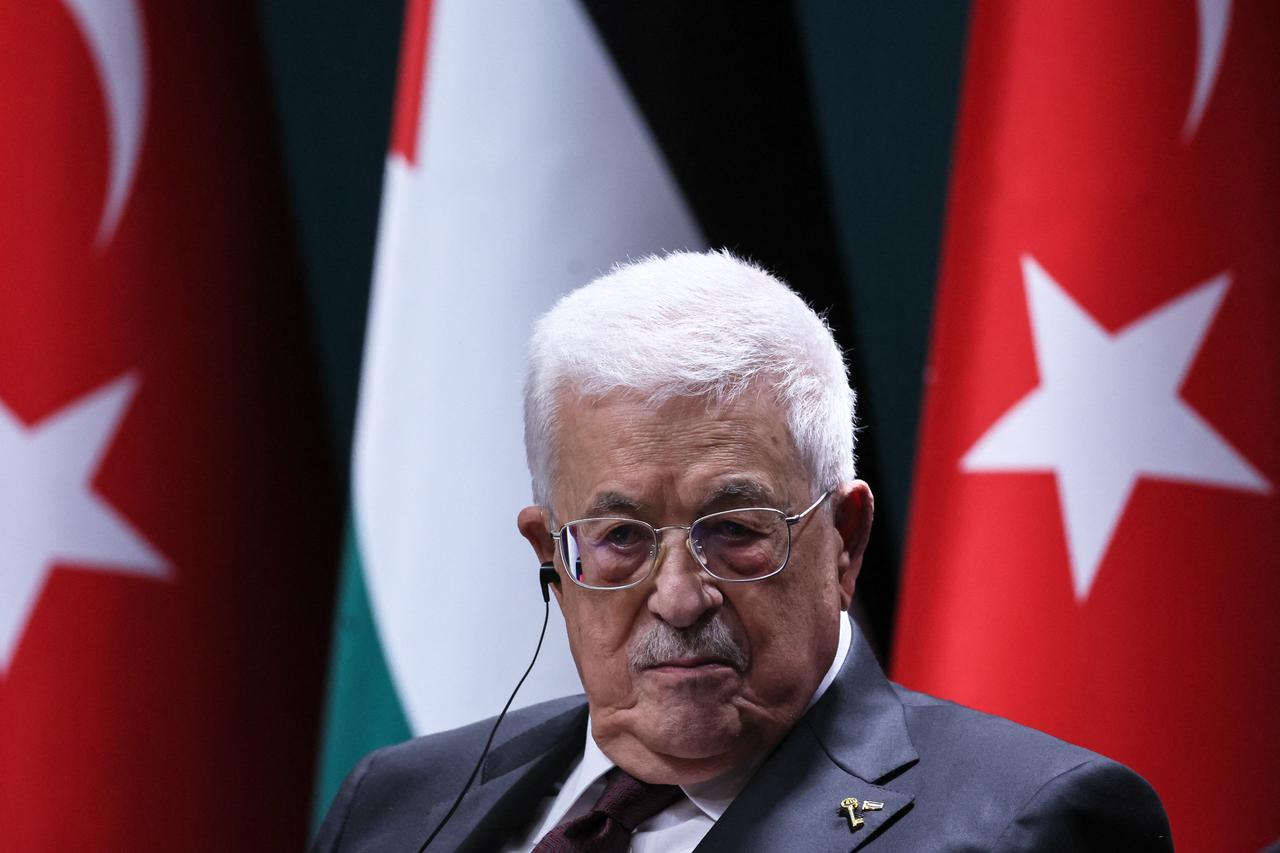
The move came the day after the State Department denied visas to Palestinian President Mahmoud Abbas and his delegation for the same U.N. gathering, accusing the Palestinian Authority of trying to "internationalize" the Israel-Hamas war in Gaza by bringing cases to the International Court of Justice (ICJ) and the International Criminal Court (ICC), and of continuing to pay stipends to prisoners jailed in Israel for attacks on Israelis.
The Palestinian Authority condemned the decision, calling Israel's actions "the real threat to the two-state solution and prospects for peace."
Its foreign ministry said in a statement: "Punitive measures and restrictions imposed on Palestinian officials do not contribute to advancing peace or combating violence. Rather, they weaken the Palestinian partner committed to a political solution and encourage forces working to undermine the two-state solution and impose the reality of occupation, settlement and annexation by force."
The authority said it remained committed to long-stalled negotiations while defending its pursuit of Palestinian recognition through international bodies and courts.
The U.S. does not recognize the Palestinian Authority as the government of a full U.N. member state, though the U.N. General Assembly and various U.N. agencies do.
The 81st U.N. General Assembly high-level week is scheduled to run from Friday through Sept. 28.
The visa approval comes amid heightened tensions between Iran and the U.S. over the Strait of Hormuz, despite a memorandum signed in June envisioning a deal to reopen the waterway as a prelude to a broader peace agreement. There is no sign that an agreement to reopen the strait or a return to nuclear talks is imminent.
The decision also comes as Iran-backed Houthi rebels in Yemen have intensified attacks on Saudi infrastructure and Red Sea shipping, contributing to a surge in global oil prices.
The U.S. and Israel launched large-scale attacks on Iran in late February, striking government buildings, military sites, missile infrastructure and air defenses, prompting Iranian missile and drone strikes against Israel and U.S. bases across the region.
The war has since expanded regionally, with diplomatic efforts continuing alongside the fighting.
Washington considers Iran the world's leading state sponsor of terrorism and has imposed extensive sanctions on the country, recently launching a new campaign aimed at severing what U.S. officials describe as Tehran's "critical financial lifelines."


 Set as preferred source
 Set as preferred source


 1 min read
 1 min read