Newsletters


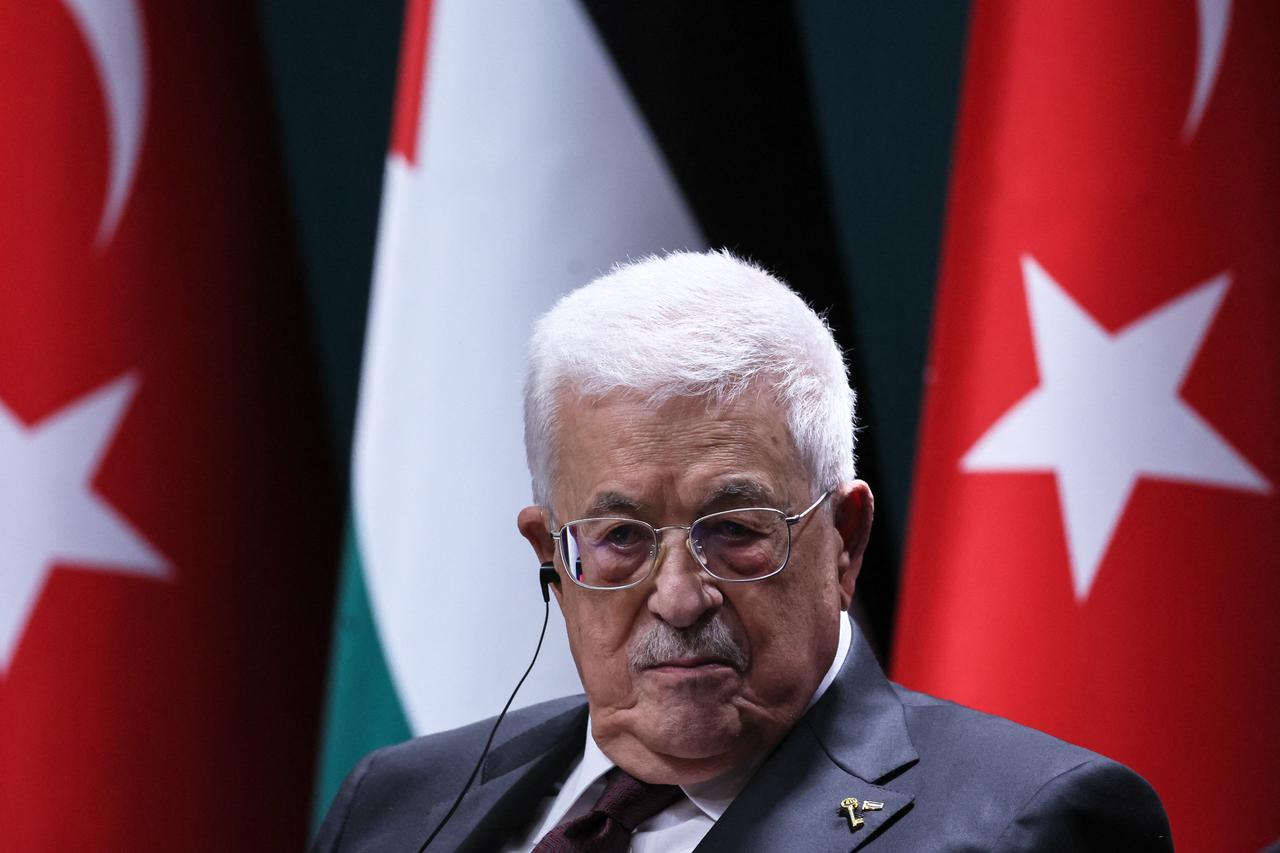


The U.S. State Department said that it will extend visa sanctions denying entry to members of the Palestine Liberation Organization (PLO) and Palestinian Authority (PA) officials, a move that will again prevent Palestinian President Mahmoud Abbas from attending the U.N. General Assembly (UNGA) in New York next week in person.
"As a consequence of their failure to reform ... the United States will extend sanctions that deny visas to PLO members and PA officials," the department said in a statement, adding that it had notified Congress of the decision.
A source familiar with the matter confirmed to Agence France-Presse (AFP) that Abbas himself is covered by the measure, though the State Department's statement did not name him directly.
The department said the PLO and PA had "once again failed to live up to their commitments," citing "actions to internationalize the Israeli-Palestinian Conflict including through the International Criminal Court (ICC) and International Court of Justice (ICJ)," as well as efforts to "bypass negotiations through seeking unilateral recognition" of a Palestinian state.
It also accused the groups of "continuing to pay stipends to terrorists and to glorify acts of terrorism and terrorists in public pronouncements and school textbooks."
State Department Deputy Spokeswoman Paloma Chacon said in an emailed statement to Türkiye's state-run Anadolu Agency (AA) that the Trump administration considers "every visa decision is a national security decision," including for U.N. General Assembly participants.
"While we take seriously our obligations as a host country to the U.N., we will continue to protect Americans by upholding the highest standards of vetting and screening for all applicants," Chacon said, adding that delegations had received guidance on visa applications ahead of the assembly and that failure to meet vetting standards could result in denial.
The Palestinian side did not immediately issue a public response.
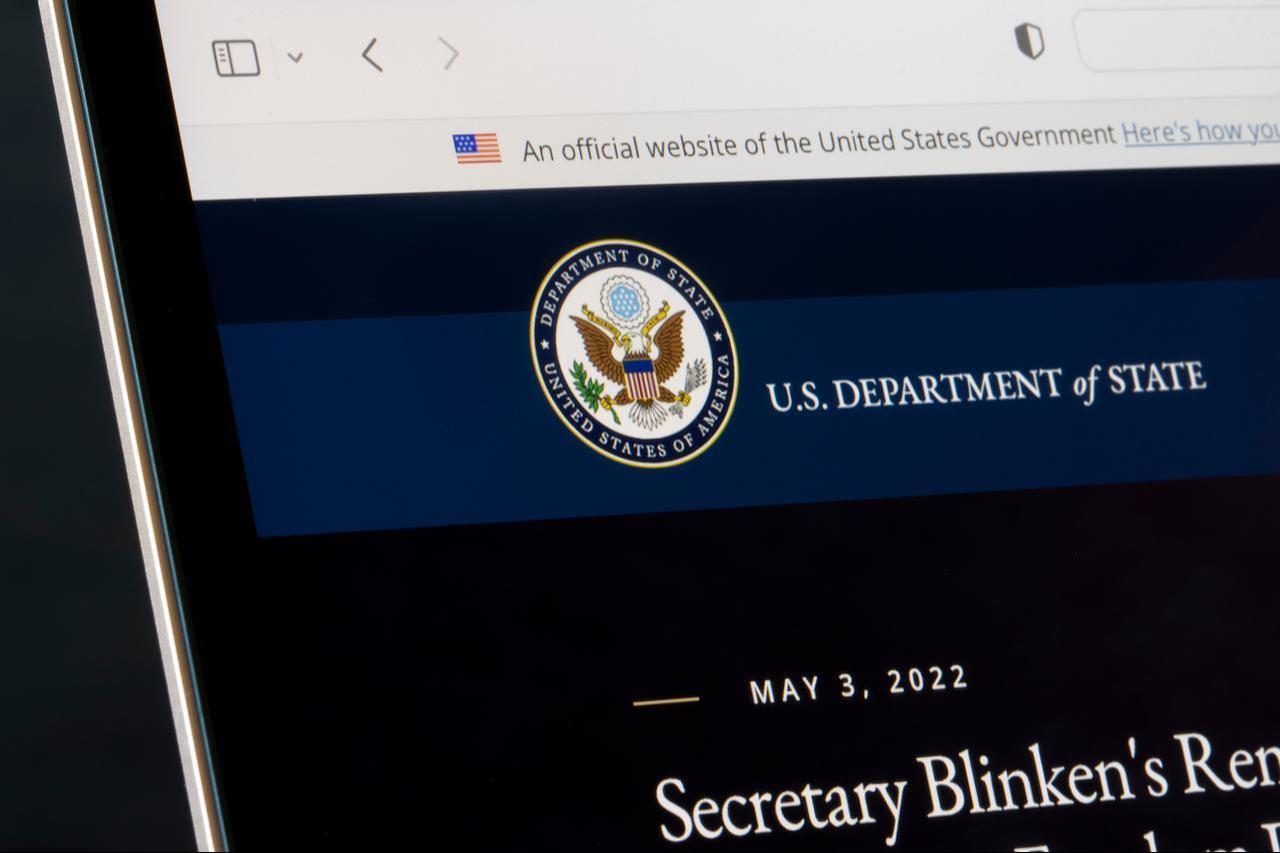

This marks the second year in a row the Trump administration has prevented Abbas from attending the assembly in person.
In 2025, he addressed the gathering remotely after U.N. member states approved his participation by video.
The State Department had first announced the visa denial policy in August 2025, when it said Secretary of State Marco Rubio decided not to issue visas to Palestinian officials in order to hold them "accountable for not complying with their commitments, and for undermining the prospects for peace."
At that time, the department demanded the two Palestinian groups "consistently repudiate terrorism," including the Hamas-led attack on Israel on Oct. 7, 2023, and "end incitement to terrorism in education."
Around the same period, the department also suspended issuing nearly all types of visitor visas to holders of Palestinian passports, extending well beyond earlier restrictions targeting visitors from Gaza.
The Trump administration separately opposes Palestinian efforts to bring cases before the ICC or ICJ.
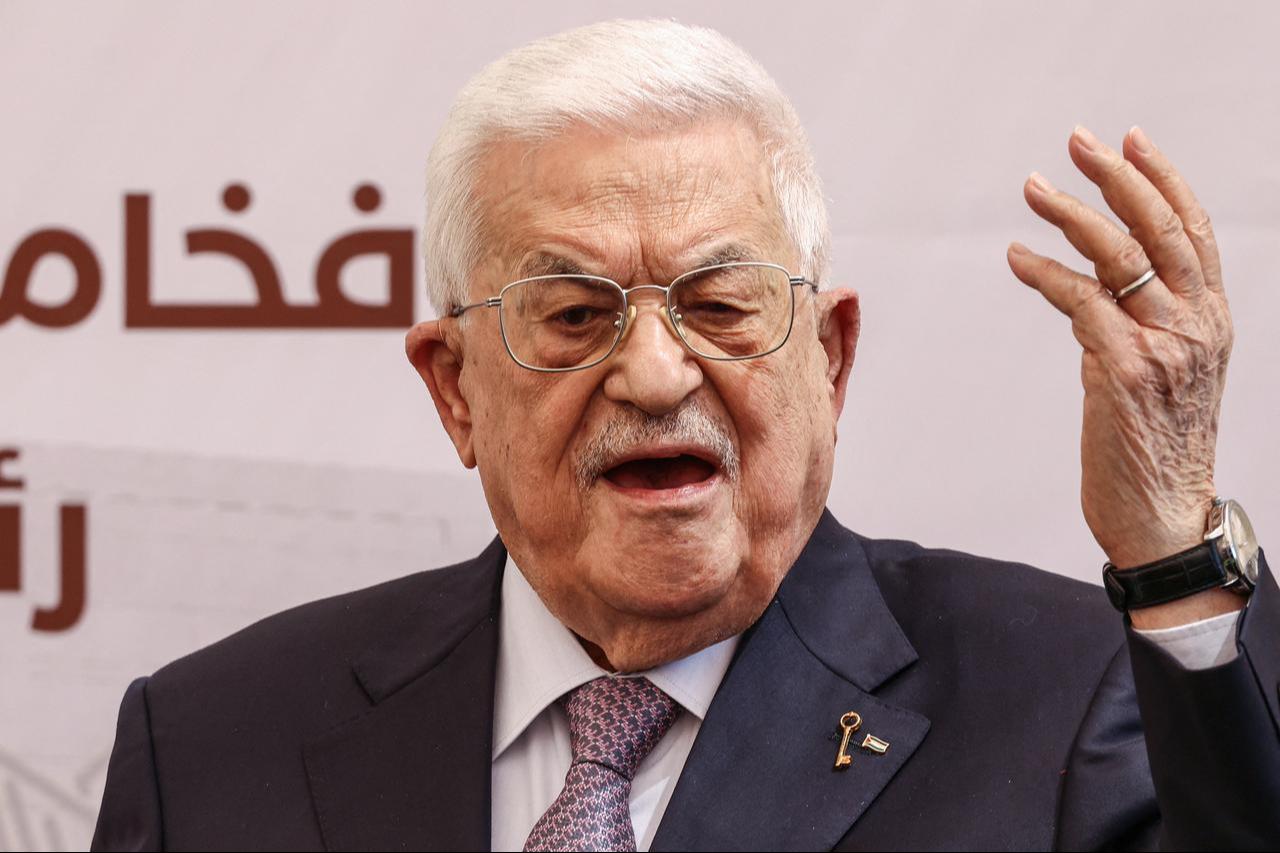
The decision puts Washington at odds with numerous countries, including France, that formally recognized a Palestinian state at the U.N. last year.
A total of 142 U.N. member states endorsed Palestinian statehood following a conference on the two-state solution co-chaired by France and Saudi Arabia.
The visa decision comes as violence by Israeli settlers against Palestinians has escalated in recent months in the West Bank, which Israel has occupied since 1967 and where violence has surged since the Oct. 7, 2023, Hamas-led attack that triggered the war in Gaza.
According to Palestinian Health Ministry data, Israeli soldiers or settlers have killed at least 1,109 Palestinians in the West Bank since Oct. 7, 2023, including both fighters and civilians.
Israel's subsequent military campaign in Gaza has killed more than 73,700 people, according to Gaza's Health Ministry.
The international community has expressed concern over the settler violence, though the U.S. has remained largely quiet on the issue, saying only that it opposes any annexation of Palestinian territory.


 Set as preferred source
 Set as preferred source



 1 min read