Newsletters


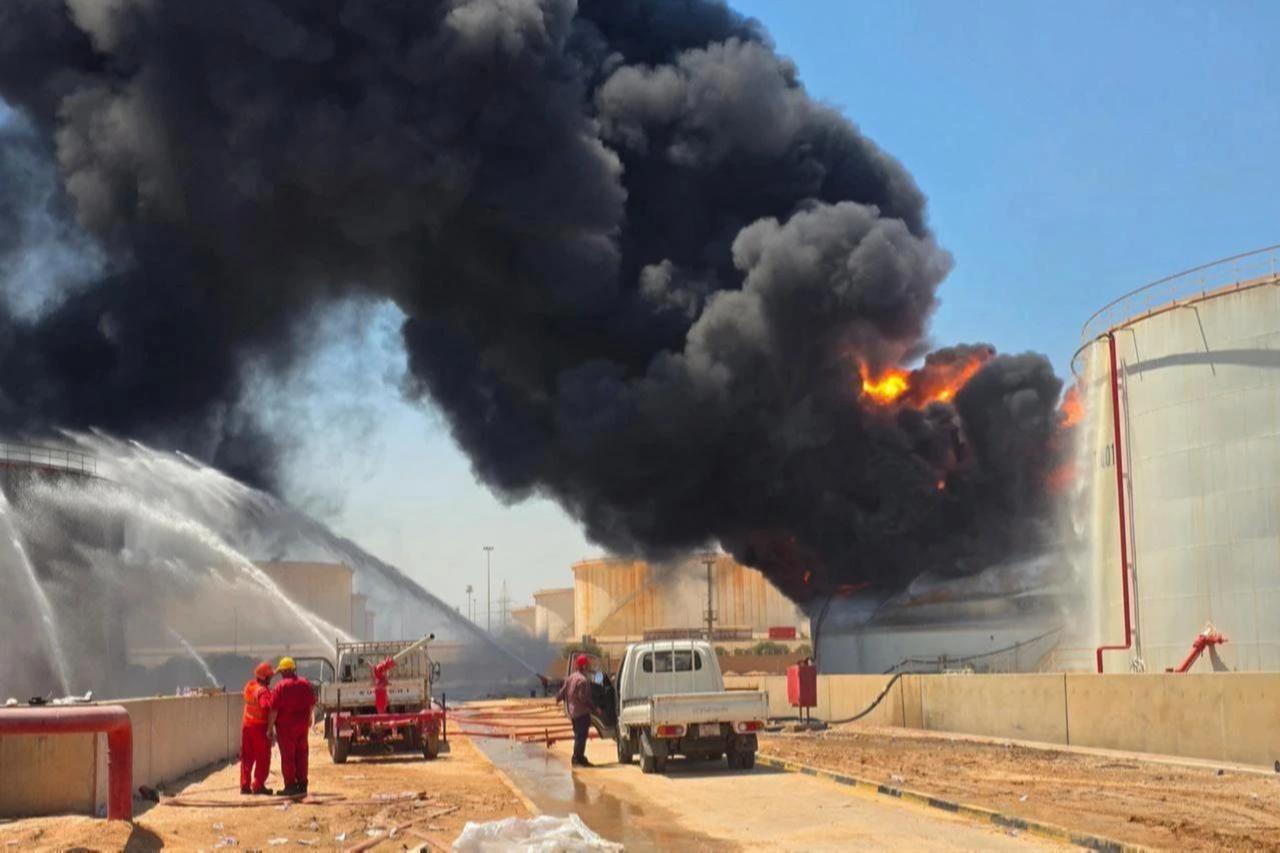


A U.S.-backed effort to bring Libya’s rival eastern and western authorities closer together has been thrown into doubt after Saddam Haftar, son of eastern commander Khalifa Haftar, was linked to a series of drone attacks on fuel and power infrastructure in western Libya, the Guardian reported Saturday.
Sources in Libya’s Tripoli-based Government of National Unity, or GNU, told the Guardian that suspects detained over the attacks were working for Saddam Haftar, deputy commander of the eastern-based Libyan National Army.
“No formal decision has been made, but in light of what has been discovered it is impossible to work with Saddam,” the GNU sources told the newspaper.
The allegations threaten a U.S.-backed initiative aimed at unifying Libya’s divided political and security institutions.
Massad Boulos, U.S. President Donald Trump’s Africa adviser, has promoted a plan under which Khalifa Haftar would assume the presidency while a member of Prime Minister Abdul Hamid Dbeibah’s family would take the premiership, according to the Guardian.
Boulos has rejected suggestions that the proposal amounts to an agreement designed to entrench Libya’s dominant political families.
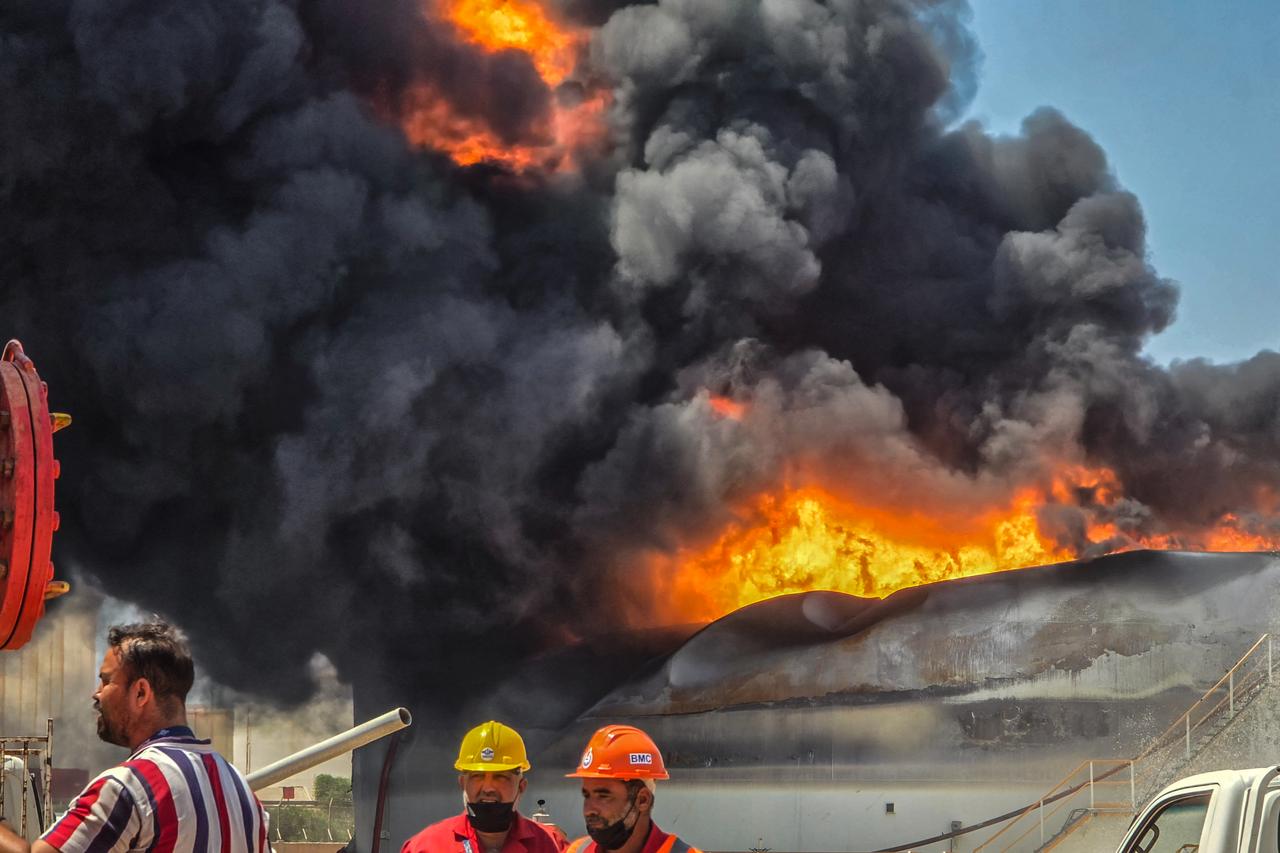

The dispute follows a series of drone strikes over more than five days in August targeting energy infrastructure in western Libya.
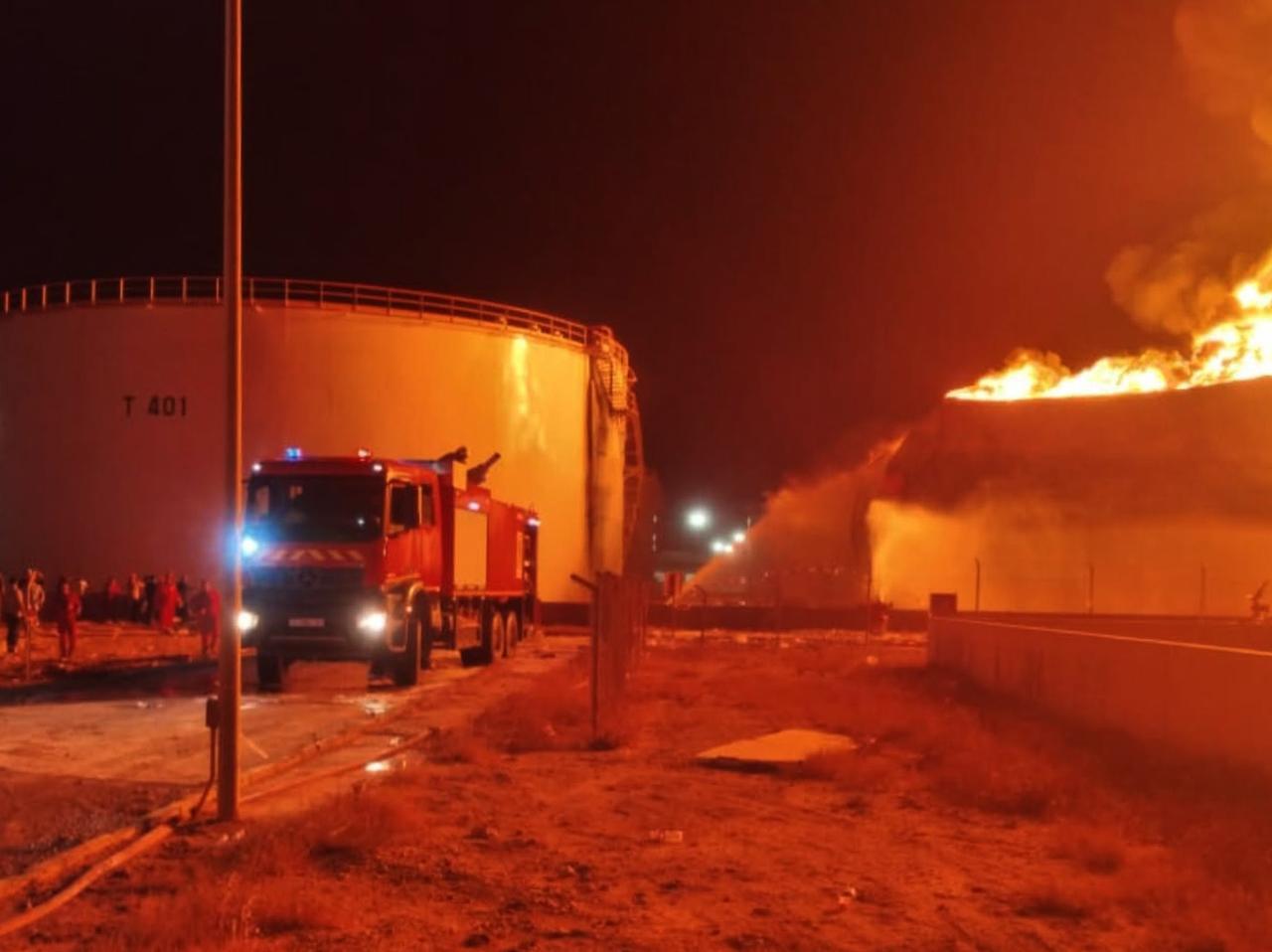
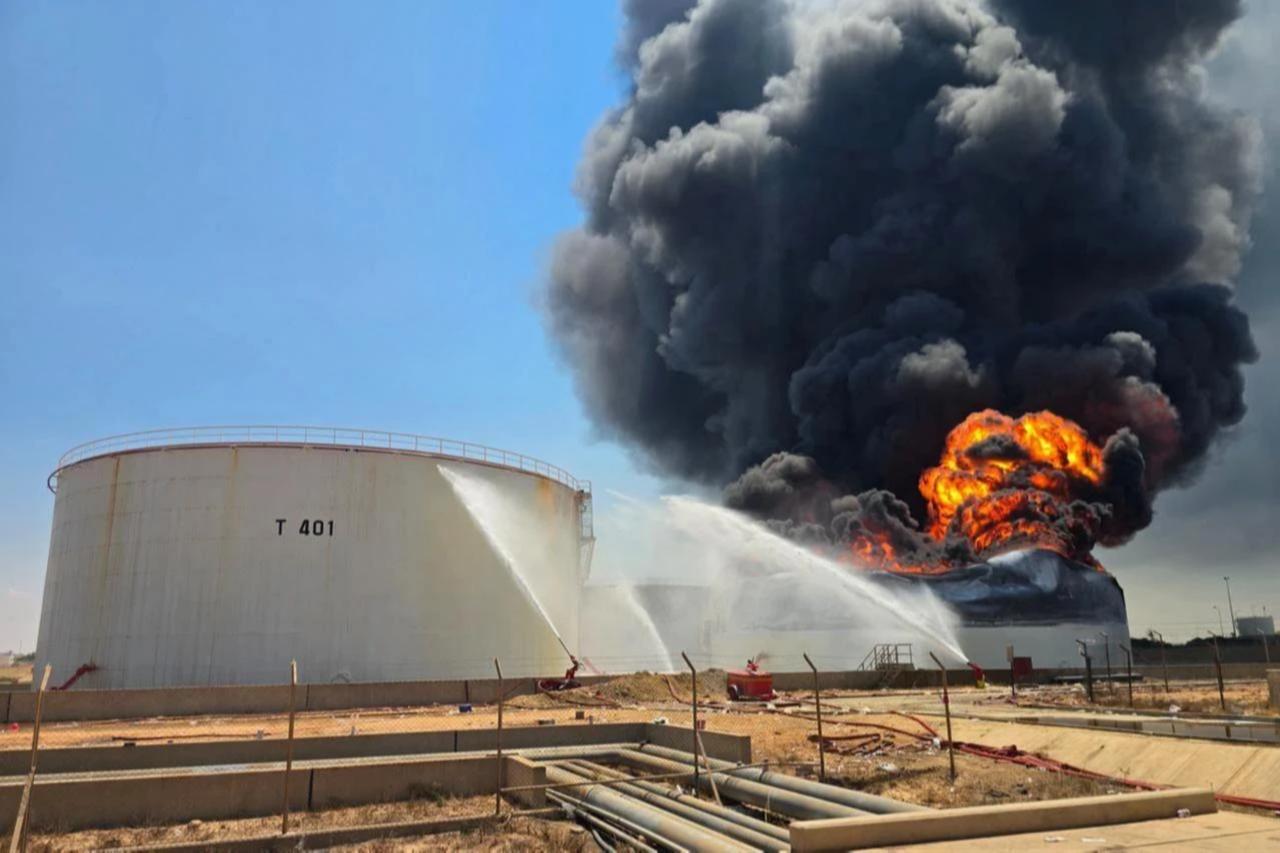
The attacks included a strike on a gasoline storage tank at the Zawiya oil complex west of Tripoli, triggering a major fire and causing the tank to collapse.
The tank contained about 4.5 million liters of fuel at the time, according to Libya’s National Oil Corporation.
The attacks also worsened electricity blackouts in western Libya, increasing domestic pressure on Dbeibah’s government.
The Guardian reported that the strikes were allegedly ordered because Saddam Haftar was angered by what he viewed as Dbeibah’s failure to move forward with the U.S.-backed unity plan, as well as alleged attempts by Tripoli to encourage southern tribes to attack forces aligned with the Haftar camp.
Those claims have not been independently established.
Meanwhile, the U.N. Support Mission in Libya, or UNSMIL, warned Saturday that attacks on or actions undermining Libya’s oil and energy infrastructure could trigger measures under relevant U.N. Security Council resolutions.
In a statement on X, UNSMIL said the continued disruption of the Sharara-Zawiya oil pipeline was “adversely affecting Libya’s principal source of national income, causing significant losses in oil production and public revenues.”
The mission said prolonged disruption could also affect fuel supplies, electricity generation and other essential services relied upon by Libyans across the country.
“Prolonged disruption would increase the need for fuel imports and place additional pressure on public finances,” it said.
UNSMIL said oil and energy infrastructure and public resources “must remain protected from political and security disputes, which should be addressed through peaceful means, and preserved in the interests of all Libyans.”
The mission recalled that attacks against or actions that undermine Libya’s oil and energy infrastructure “may constitute grounds for the imposition of measures” under relevant Security Council resolutions, including Resolution 2213.
Resolution 2213, adopted by the U.N. Security Council in March 2015, allows sanctions including travel bans and asset freezes against individuals or entities whose actions threaten Libya’s peace and stability, including attacks on state institutions and oil facilities.
UNSMIL urged relevant authorities and security actors to act urgently to resolve disputes peacefully, restore the flow of crude oil and safeguard operations at the Zawiya refinery and related facilities.
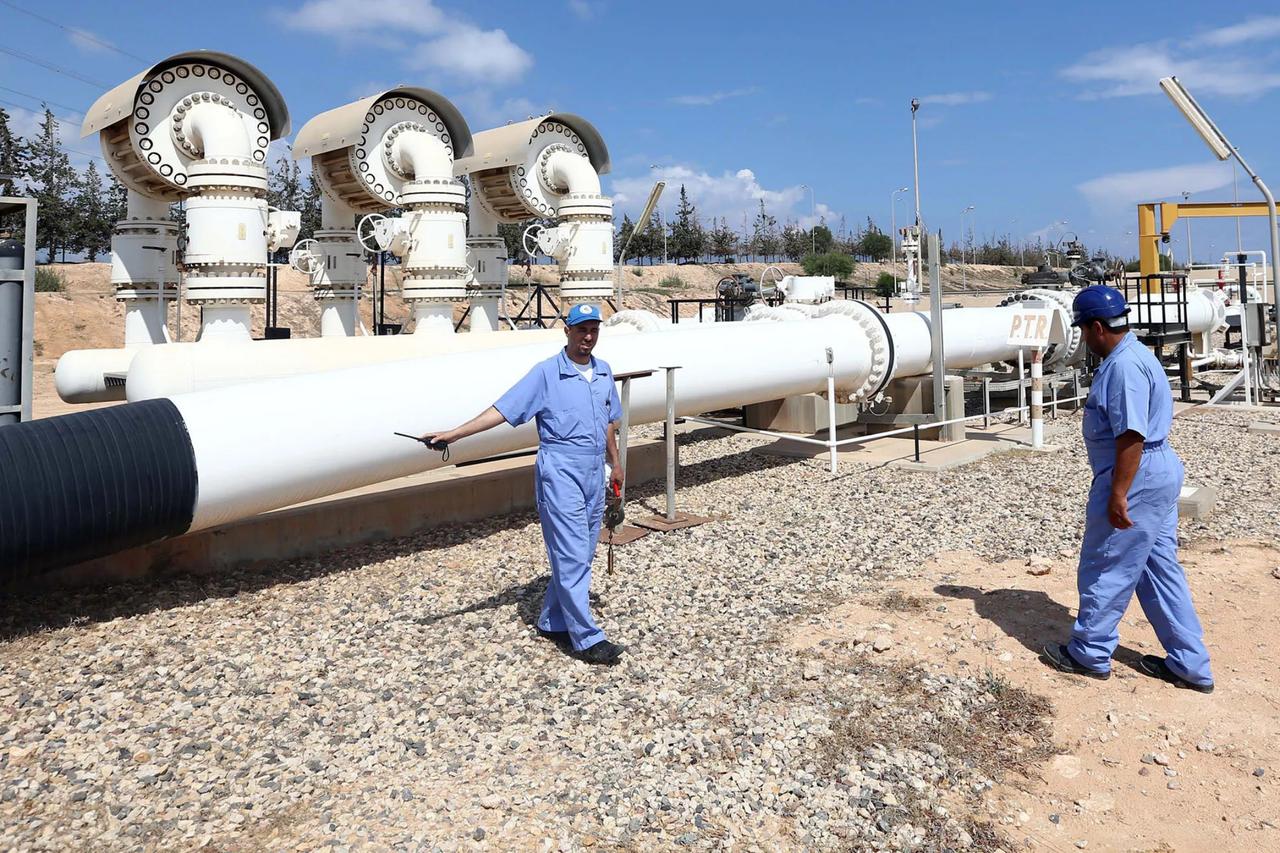
The warning came after Libya’s National Oil Corporation said Monday that an armed group had shut Valve No. 7 on the crude pipeline linking the Sharara field to Zawiya Port, sharply reducing production at the country’s largest oil field.
Sharara, located in the Murzuq Desert about 800 kilometers south of Tripoli, has a production capacity of about 340,000 barrels per day.
The NOC warned that a prolonged closure could halt production at Sharara, disrupt oil transport and exports, damage state revenues, affect operations at the Zawiya refinery and increase Libya’s fuel import costs.
It also said it could declare force majeure if the disruption continued.
On Sept. 15, members of the Petroleum Facilities Guard also shut the main Hamada-Zawiya pipeline, forcing the suspension of production and operations at three oil sites.
The NOC warned that extended closures would harm the national economy and threaten the state’s ability to meet its financial obligations.
The Hamada field is located in the Hamada al-Hamra area of the Ghadames Basin in western Libya, about 400 kilometers south of Tripoli. It is considered one of the key oil and natural gas fields in western Libya and produces about 700 barrels per day.
The disruptions have come amid protests by members of Libya’s Petroleum Facilities Guard over financial and employment demands. Guards have carried out a series of closures to pressure authorities to meet their demands.


 Set as preferred source
 Set as preferred source


 1 min read

 1 min read