Newsletters


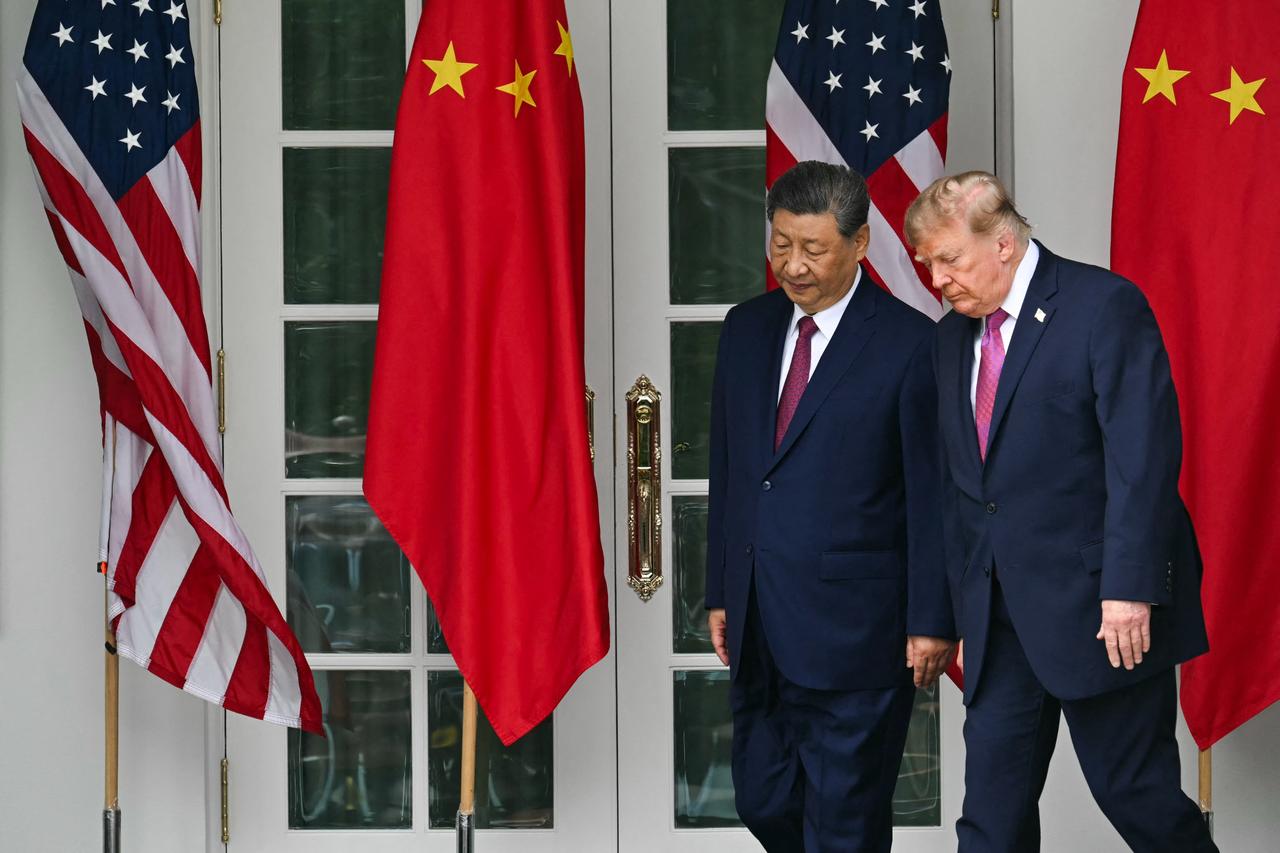


The United States and China agreed on reciprocal tariff cuts covering $30 billion of non-sensitive goods in each direction, both governments said, after Chinese President Xi Jinping's summit with U.S. President Donald Trump.
Beijing said Saturday the deal is part of an eight-point consensus that also includes an artificial intelligence (AI) dialogue and a new trade council, while the White House said China will buy at least 10 million metric tons of U.S. coal in 2027 and again in 2028.
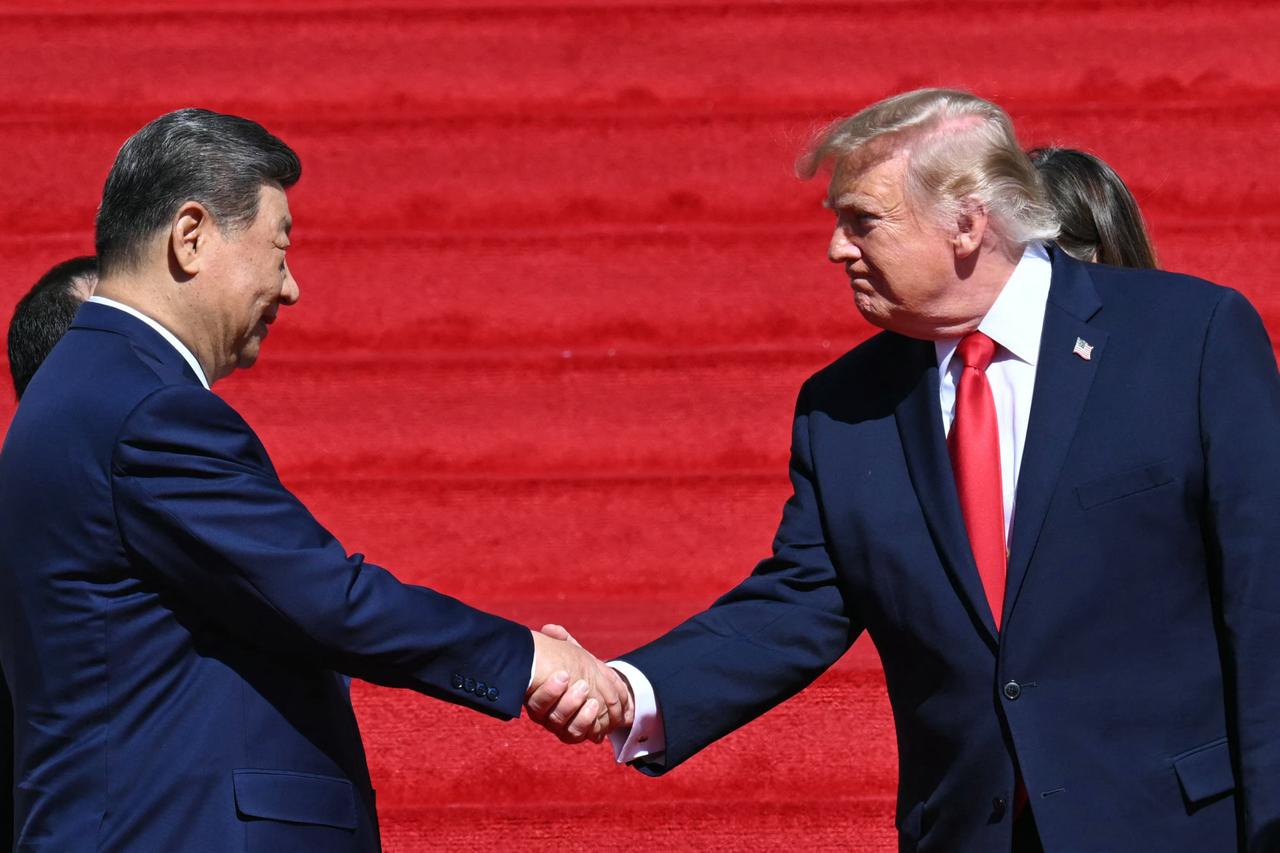
The agreement is a tangible outcome of a three-day summit that showcased personal diplomacy rather than major public breakthroughs.
It follows a two-month extension of a trade truce that had been due to expire Nov. 10, U.S. Treasury Secretary Scott Bessent said Wednesday.
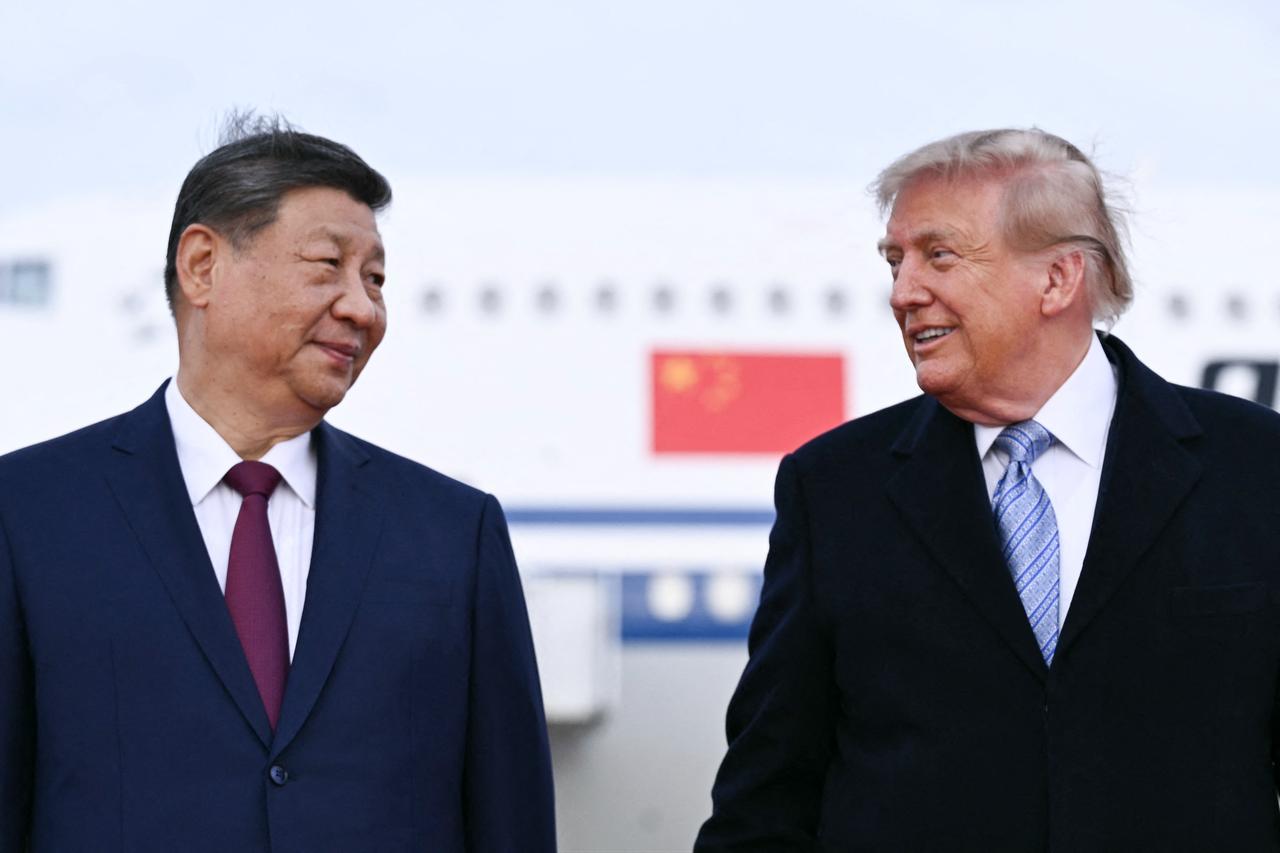

The two sides reached a consensus on "recommendations for more favorable" tariff treatment for $30 billion of non-sensitive goods in each direction, the White House said late Friday.
U.S. exports covered include agricultural products, fish and seafood, logs and wood products, cosmetics and medical devices. U.S. imports include consumer products such as small appliances, toys, holiday decorations and children's car seats.
The Chinese Foreign Ministry described the deal as a reciprocal tariff-reduction arrangement.
 1 min read
The two sides agreed to set up a trade council and extend the outcomes of earlier talks in Kuala Lumpur, the Chinese Foreign Ministry said.
They also agreed to hold a dialogue on AI's risks and benefits, with the next round set for November, and to create a communication channel for AI-related incidents, the ministry said. The White House said the countries agreed to use the term "super intelligence" instead of "artificial intelligence."
Both sides agreed to support each other in hosting the Asia-Pacific Economic Cooperation leaders' meeting in Shenzhen and the Group of 20 summit in Miami, with each leader planning to attend the other's gathering.
"China will import at least 10 million metric tons of coal from the United States in 2027 and again in 2028," the White House said.
A working group was launched to address "market access barriers" in agriculture. The two sides also set up a Board of Investment to "provide a structured channel for the two sides to address commercially meaningful investment-related issues," according to the White House.
Both sides "continue to work on U.S. concerns regarding supply chain shortages related to rare earths and other critical minerals, with the goal of ensuring shipment levels return to appropriate levels," the statement said.
Trump urged Xi to increase production of refined petroleum products to help stabilize global supply, the White House said.
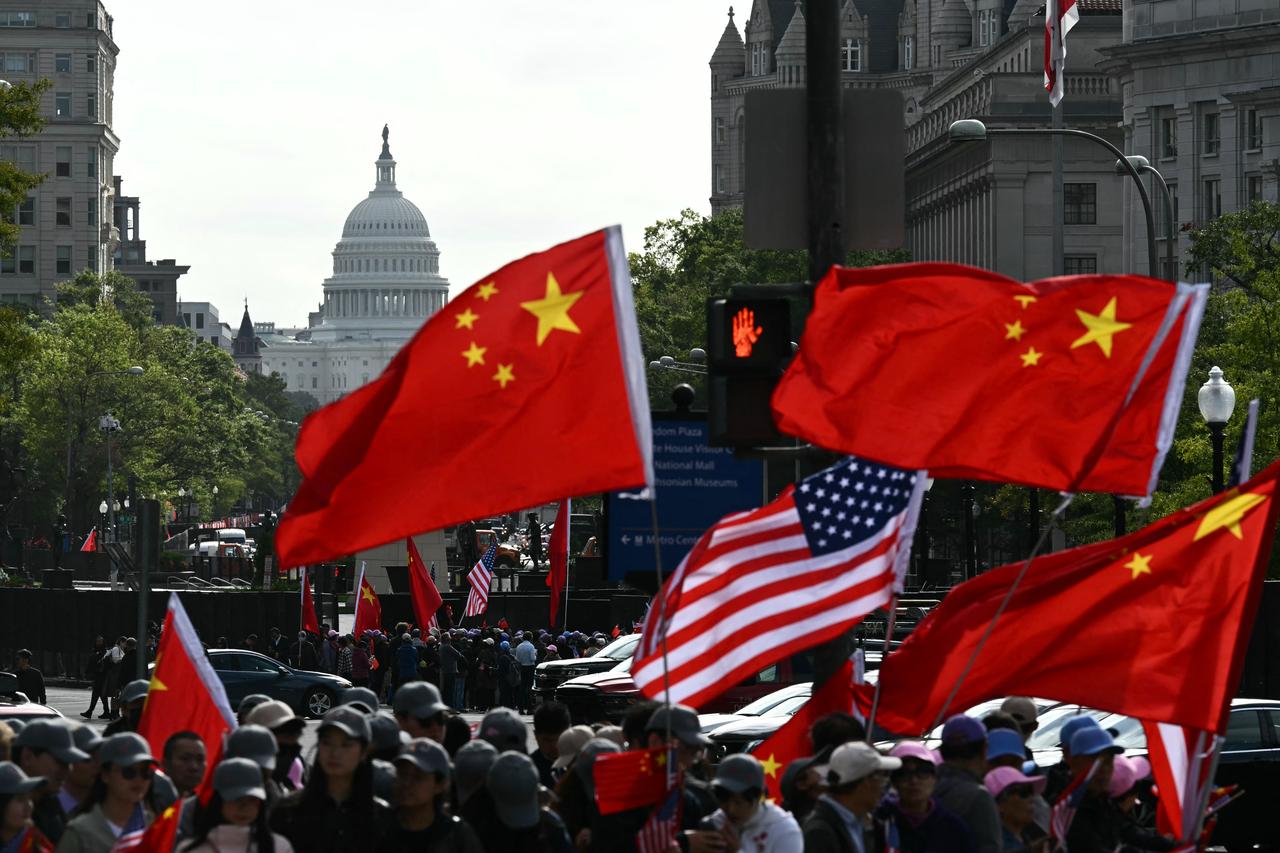
The leaders agreed that Iran "can never have a nuclear weapon" and that no country or institution should be "allowed to" impose tolls on international waterways, the White House said.
Beijing's readout said Iran should fulfill its commitment not to develop nuclear weapons.
Trump advocated trilateral arms control talks among the U.S., Russia and China, according to the White House. The leaders also discussed Russia and North Korea and agreed to build "a constructive relationship of strategic stability" based on respect, fairness and reciprocity.
Bessent said the truce extension allows more time to work on a potentially bigger trade deal beyond the tariff cuts.


 Set as preferred source
 Set as preferred source


 1 min read