Newsletters


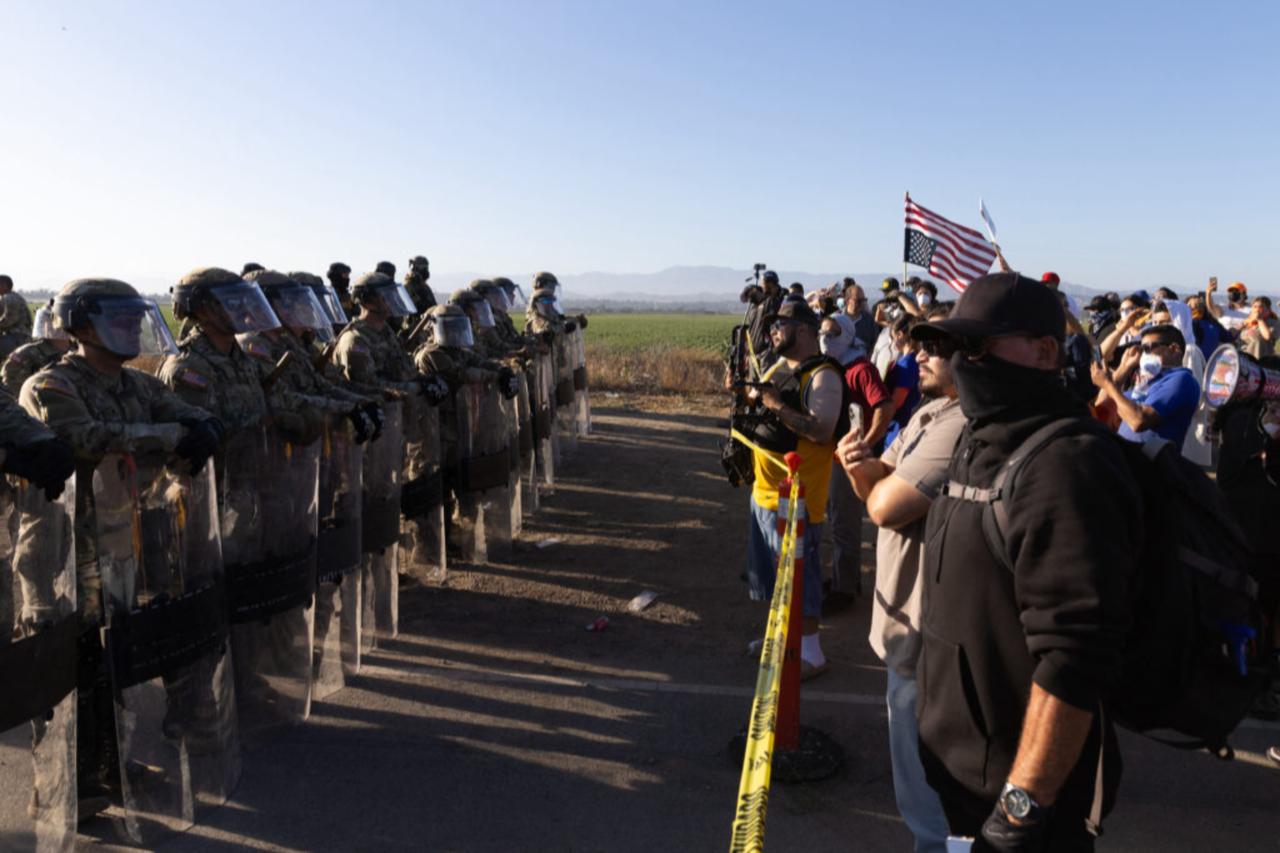


The U.S. deported at least 25,447 people to third countries between January 2025 and Aug. 31, 2026, under agreements with governments where the migrants had no prior ties, according to an investigation by Forbidden Stories.
The investigation found that the Trump administration reached agreements with at least 35 countries to accept so-called third-country nationals, while at least 28 countries had already received deportees and seven more were expected to do so.
Around 20,000 people were sent to Mexico, with others transferred to countries across Latin America, Africa and the Pacific.
The agreements vary over which nationalities can be accepted and whether receiving countries will take people with criminal records.
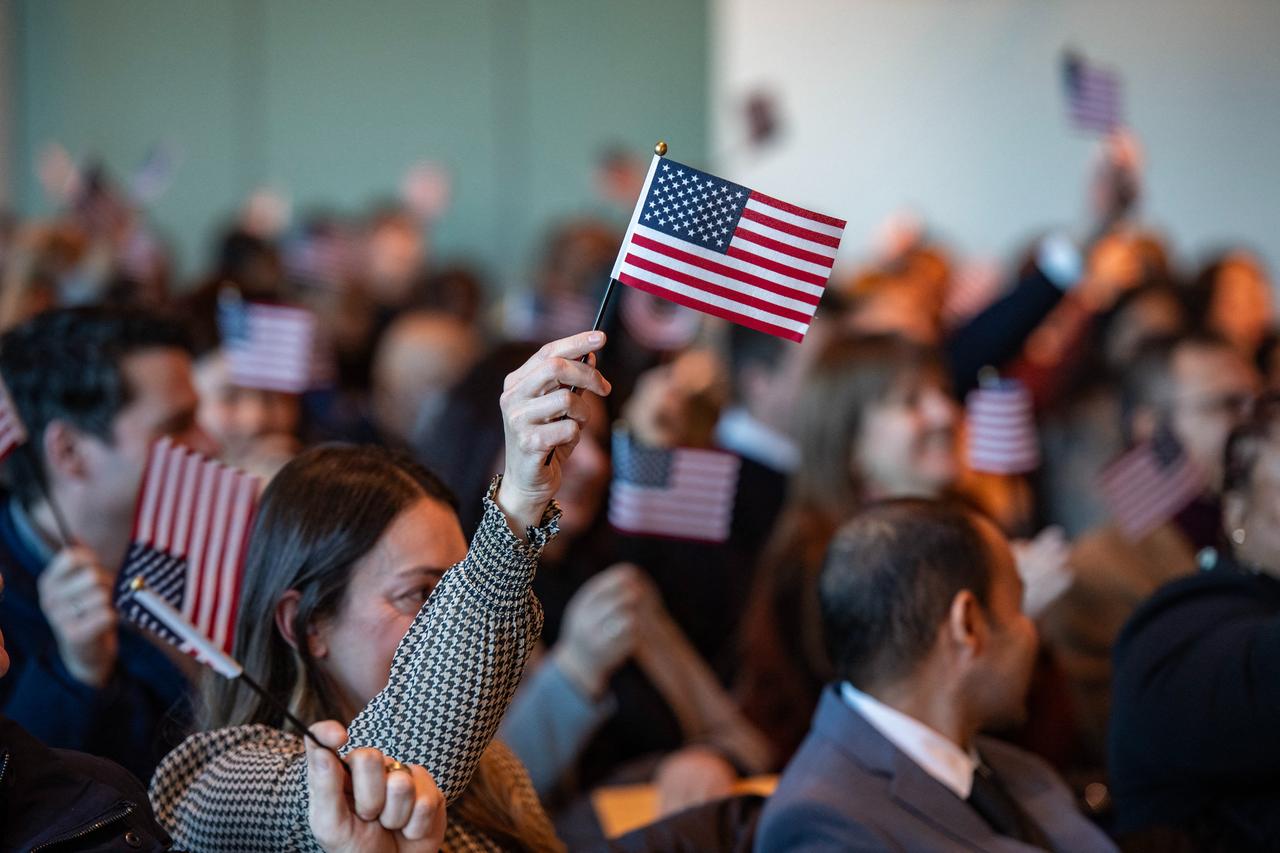

Internal State Department records obtained by The Washington Post, which participated in the investigation, showed that Washington planned to spend at least $410 million to support the agreements.
Of that amount, $81 million was earmarked for governments that signed deals, more than $178 million for the International Organization for Migration (IOM) and over $123 million for the U.N. refugee agency, or UNHCR.
The agreements have largely been handled by the State Department’s Office of Remigration, a division created in May 2025 and headed by diplomat Christian Jove Ehrhardt.
Forbidden Stories said 49 of Africa’s 54 countries had been approached about accepting third-country deportees.
Cameroon signed a memorandum of understanding with the U.S. in December. A week later, it signed a five-year health assistance program worth nearly $400 million, and the following month the State Department announced another $30 million for UNHCR in Cameroon to support refugee returns and efforts against irregular migration.
The first deportation flight to Cameroon arrived Jan. 14.
Palau agreed in December 2025 to accept up to 75 third-country nationals in exchange for $7.5 million, though only three people had been sent there under the arrangement.
Eswatini has received 32 people since July 2025 under an agreement covering up to 160 deportees and worth more than $5 million. The investigation said the country had accepted people with criminal records.
Lawyers cited by Agence France-Presse (AFP) said some deportees had been placed in what they described as a “legal black hole,” held in countries where they had no ties and limited rights.
The White House told the investigation that people sent to third countries included migrants whose home countries refused to accept them, as well as those subject to removal orders who had asked not to be returned to their countries of origin.
A U.S. federal appeals court on Sept. 18 ordered third-country removals halted, ruling that migrants had not received sufficient notice or an adequate opportunity to challenge their deportation.
UNHCR said it was not a party to the bilateral agreements and that U.S. funding was being used in line with its mandate to strengthen asylum systems.
The IOM said its decisions to accept funding were based on whether its involvement would improve conditions for affected migrants, adding that it believed its engagement did so.


 Set as preferred source
 Set as preferred source


 1 min read

 1 min read