Newsletters


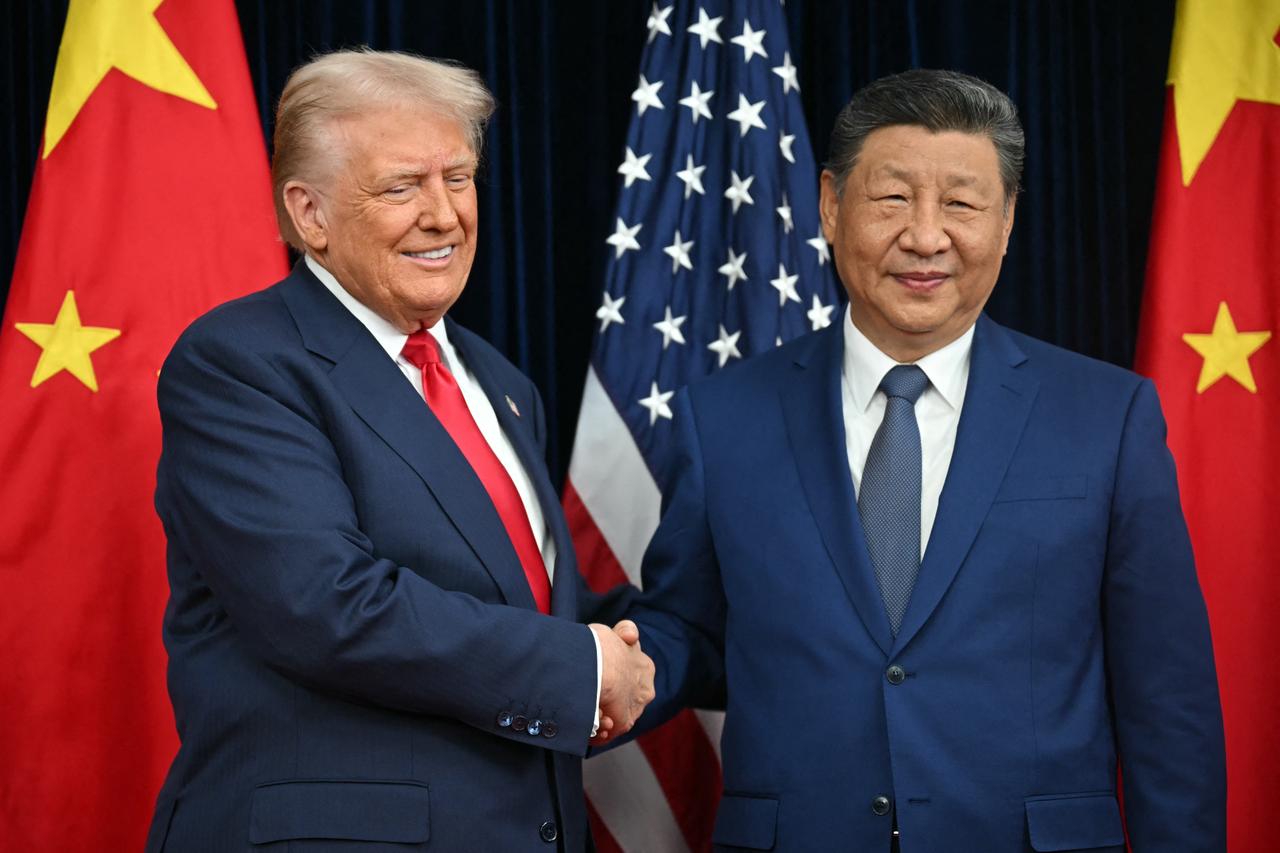


U.S. Treasury Secretary Scott Bessent called an all-day meeting with Chinese Vice Premier He Lifeng "very successful" Sunday, as the two sides discussed trade, artificial intelligence and other issues ahead of a summit between Presidents Donald Trump and Xi Jinping in Washington this week.
"We just had a very successful engagement with the Chinese," Bessent told reporters following the roughly eight-hour meeting at JPMorgan Chase's headquarters in Manhattan.
The talks, which also involved U.S. Trade Representative Jamieson Greer and China's newly elevated top trade representative Li Chenggang, were intended to lay the groundwork for possible agreements before Xi's visit.
"These talks help lay the groundwork for President Trump to advance America's economic interests and deliver results for the American people," Bessent wrote on X.
China's state-run Xinhua News Agency said the two sides held "candid, in-depth and constructive exchanges" on economic and trade issues of common concern, as well as the implementation of consensus reached in previous talks, and separately held a dialogue on AI-related issues.
Li Chenggang told reporters the talks were held in a "good atmosphere" as he left the JPMorgan Chase building.
The discussions began with full delegations before Bessent and he held private one-on-one sessions, according to Fox Business.
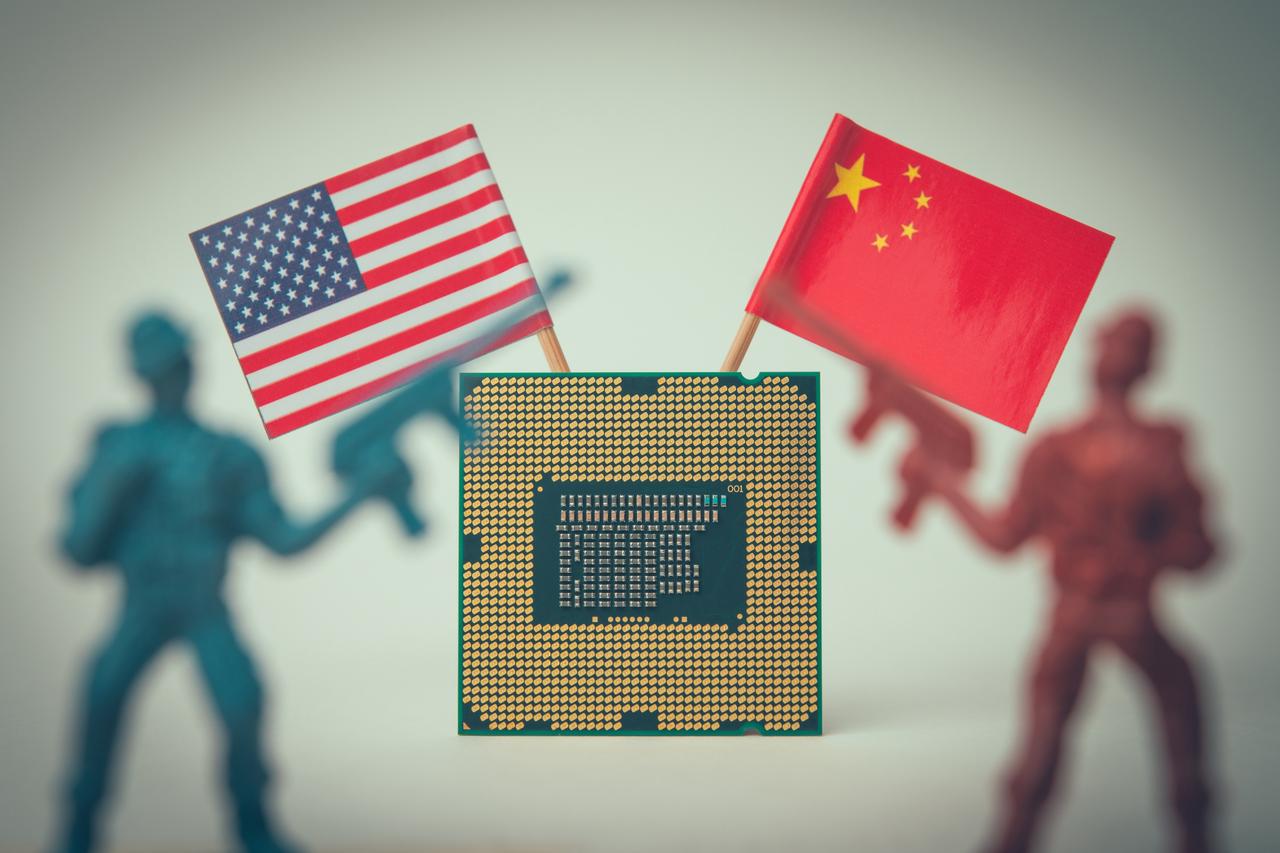
Bessent said the two sides discussed setting up a mechanism to be called the "US-China AI Dialogue," with Washington proposing a notification system for AI-related incidents rising "up to a national security level."
"We think that just like with any cross-border activity, that moving from opaque to more transparency between the number one and the number two AI powers in the world is very important," Bessent said, adding that the two sides have agreed to meet again, likely within two months.
Bessent separately told the Financial Times (FT) that the U.S. also wants to address threats from non-state actors and concerns about AI's use in creating biological weapons.
Xinhua confirmed the AI dialogue took place but gave no further details.
The initiative appears aimed at managing risks rather than imposing binding limits on AI development, even as Anthropic co-founder Dario Amodei and other American tech leaders have called for slowing the pace of frontier AI advances.
Kurt Campbell, a former U.S. deputy secretary of state and co-founder of The Asia Group, told Bloomberg TV that Beijing remains wary of any binding commitments.
"They are going to be reluctant to enter into anything that would constrain Chinese actions," Campbell said, adding, "They fundamentally distrust the United States here."
Campbell said further progress could come at subsequent meetings, including when China hosts the Asia-Pacific Economic Cooperation summit in Shenzhen in November and when the US hosts the G20 in Florida in December.
The AI dialogue comes amid mounting mutual suspicion since Trump and Xi last met in May: U.S. officials, security agencies and tech companies have accused Chinese firms of systematically distilling American AI models to build their own products, accusations Beijing has rejected as groundless while vowing to retaliate against any U.S. action targeting Chinese AI firms.
Bessent, who has separately warned that "there is no day after tomorrow" if China wins the AI race, told Axios last week that "we are open to discussions on avoiding shared risks and avoiding bifurcation of our two systems."
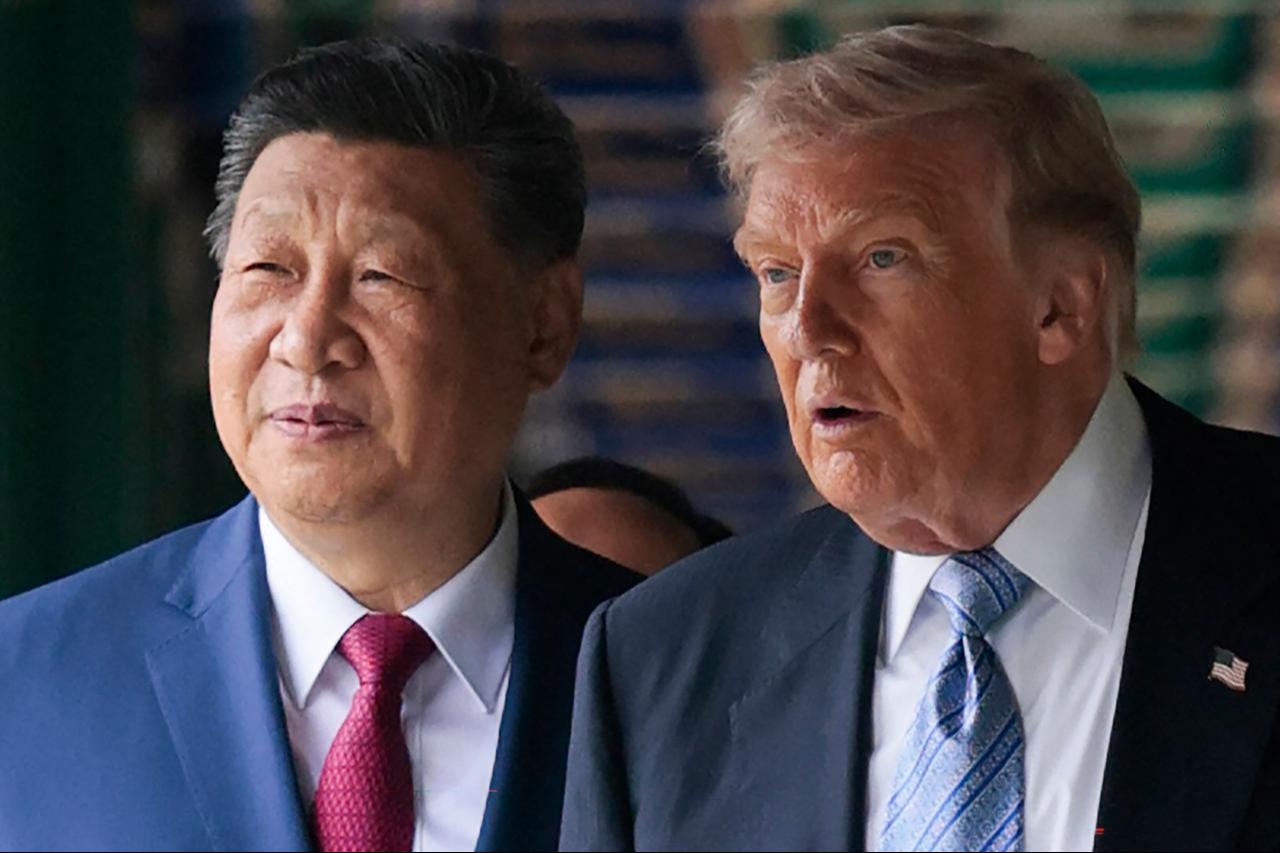

The talks did not produce an agreement to extend the countries' broader trade truce, the Financial Times reported, citing people familiar with the discussions.
A planned announcement of new U.S. tariffs tied to allegations of trading partners' excess manufacturing capacity has been delayed until after the Trump-Xi summit, according to people familiar with the matter.
A key element of the existing truce, Washington's suspension of heightened reciprocal tariffs on Chinese goods, is set to expire Nov. 10.
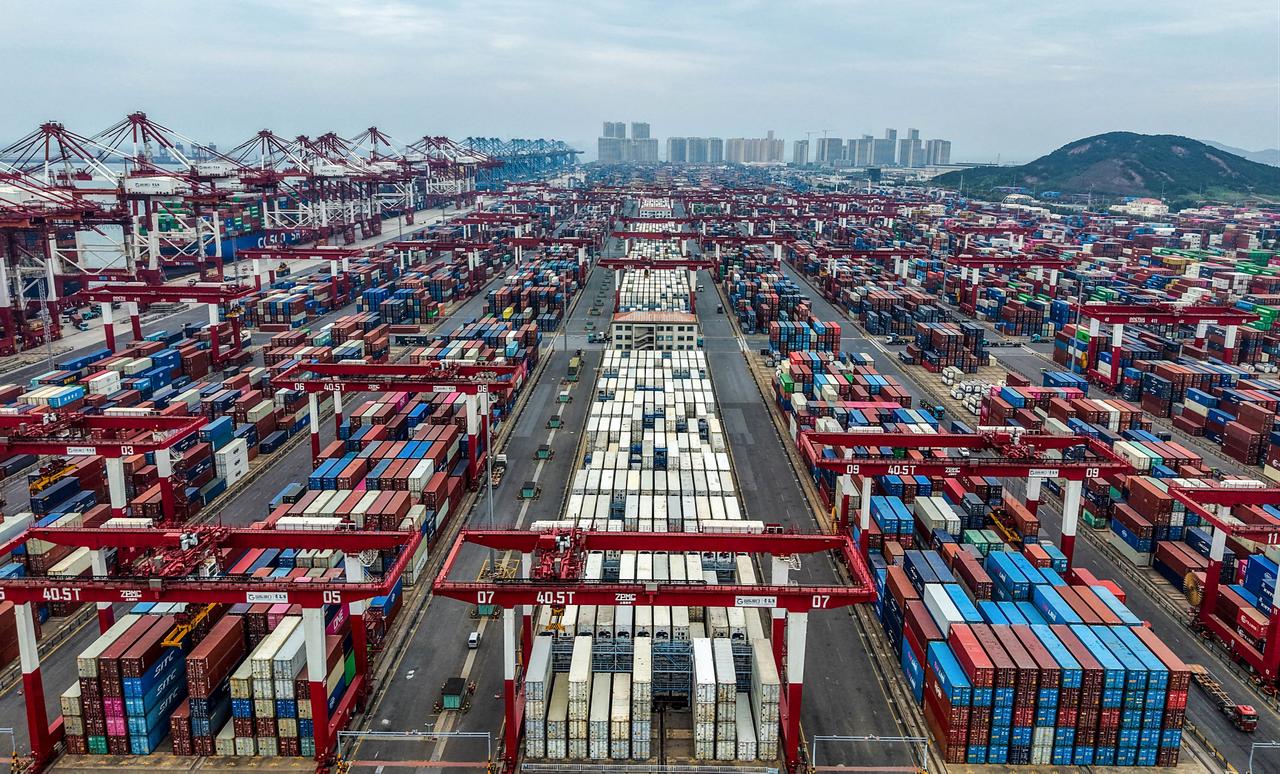
Greer said the U.S. and China have "operationalized" a bilateral Board of Trade meant to help facilitate negotiations by identifying a "critical mass of goods" that could be treated separately from future trade actions.
He said such goods could include "consumer goods, low-tech items" from China and "energy products, agricultural goods, potentially medical devices" from the U.S.
"There is a world where you have a relatively small subset of American and Chinese goods that can be traded in a balanced way, that are non-sensitive, that in the future, as trade actions come up, we can consider them as a class unto themselves," Greer said, describing the goal as creating "a kind of ballast for the relationship."
The U.S. and China have separately been discussing cutting tariffs on American energy and agricultural products as part of a broader initiative under the Board of Trade mechanism, covering roughly $30 billion worth of goods from each side.
China's Foreign Ministry said Xi will pay a state visit to the U.S. from Sept. 23 to 25 at Trump's invitation, marking Xi's first visit during Trump's second term after Trump traveled to Beijing earlier this year amid escalating tensions between the world's two largest economies.
Analysts Chang Shu and Eric Zhu wrote that the summit "is likely to be a highly choreographed affair, with both sides focused on managing their rivalry rather than resolving it."


 Set as preferred source
 Set as preferred source


 1 min read


 1 min read