Newsletters


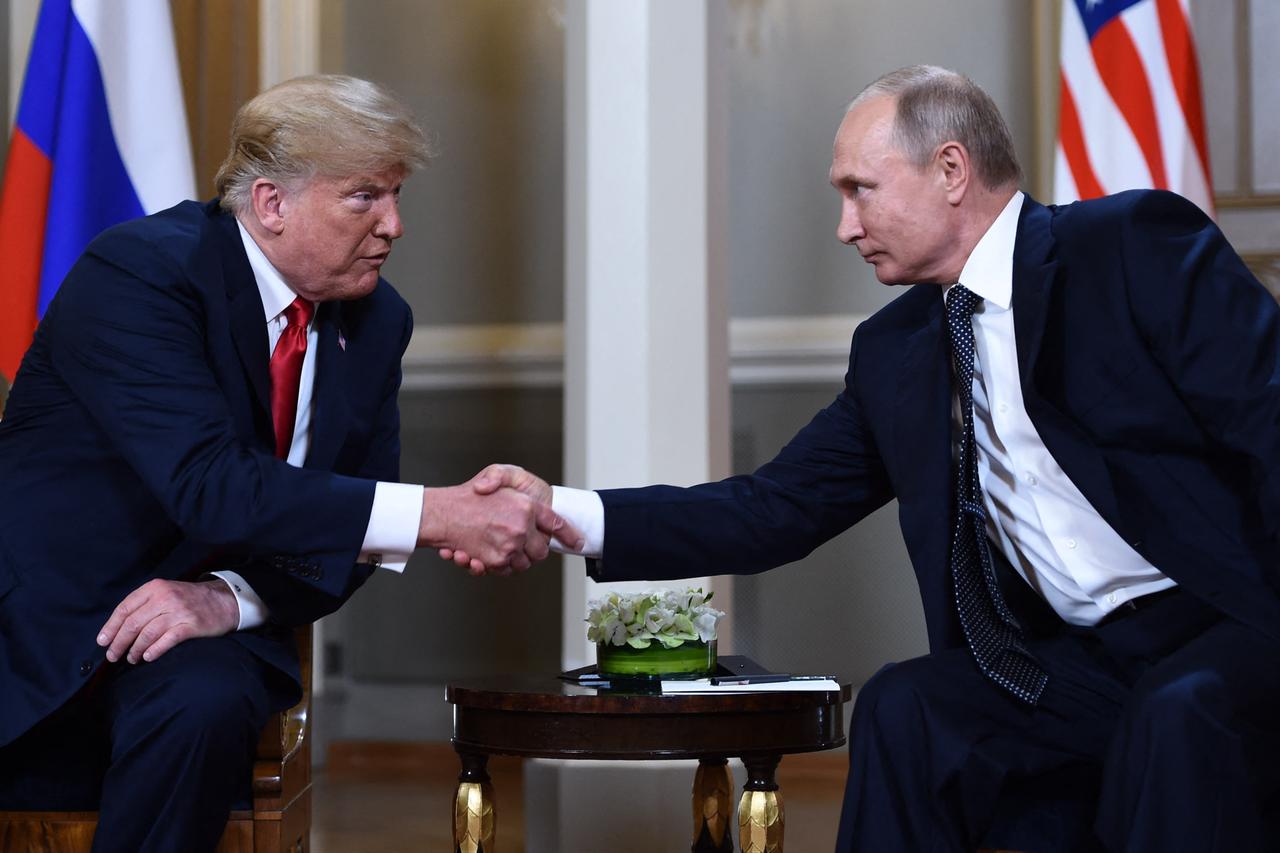


The United States has proposed that European countries unfreeze some Russian sovereign assets and move them into a U.S.-overseen vehicle to revive Ukraine peace talks, and is separately considering easing sanctions on shadow fleet tankers to bring down record freight rates, according to reports.
U.S. special envoy Steve Witkoff and Trump's son-in-law Jared Kushner floated the asset proposal at talks in Miami last week with officials from Ukraine, France, Germany, Britain, the EU and NATO, the Financial Times (FT) reported, citing four people briefed on the matter.
European delegates rejected it.
The proposals come days after U.S. President Donald Trump temporarily lifted sanctions on Russian diesel, a move criticized by Kyiv, European allies and some Republicans, and raise questions in Europe about Washington's approach to pressuring Moscow.
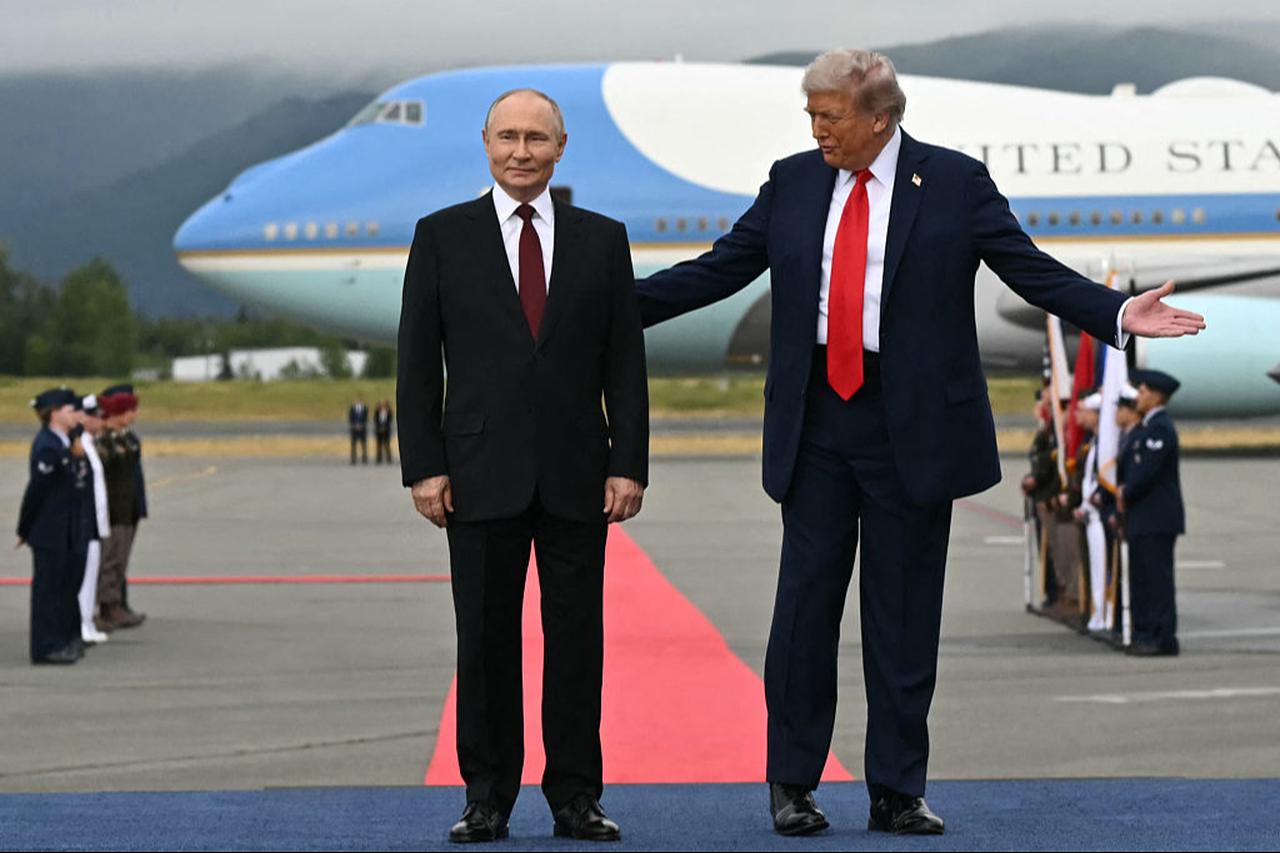

The U.S. suggested several ways to unfreeze the assets, including moving them to a new special-purpose financial vehicle overseen by Washington, the FT reported.
A U.S. official told the newspaper the assets were discussed as part of a comprehensive peace deal and that mechanisms were still under discussion.
European officials said they opposed giving up control of the assets or returning any to Moscow. "They were told that this was just simply not going to happen," one person briefed on the meeting told the FT.
Western allies froze about €260 billion ($291.4 billion) in Russian state assets in 2022, mostly in the EU.
Any decision to release them would require consensus among all 27 EU members.
Kremlin spokesman Dmitry Peskov said Moscow would "make every possible effort to achieve the return of stolen assets," adding: "This includes legal work, court proceedings and judicial prosecutions."

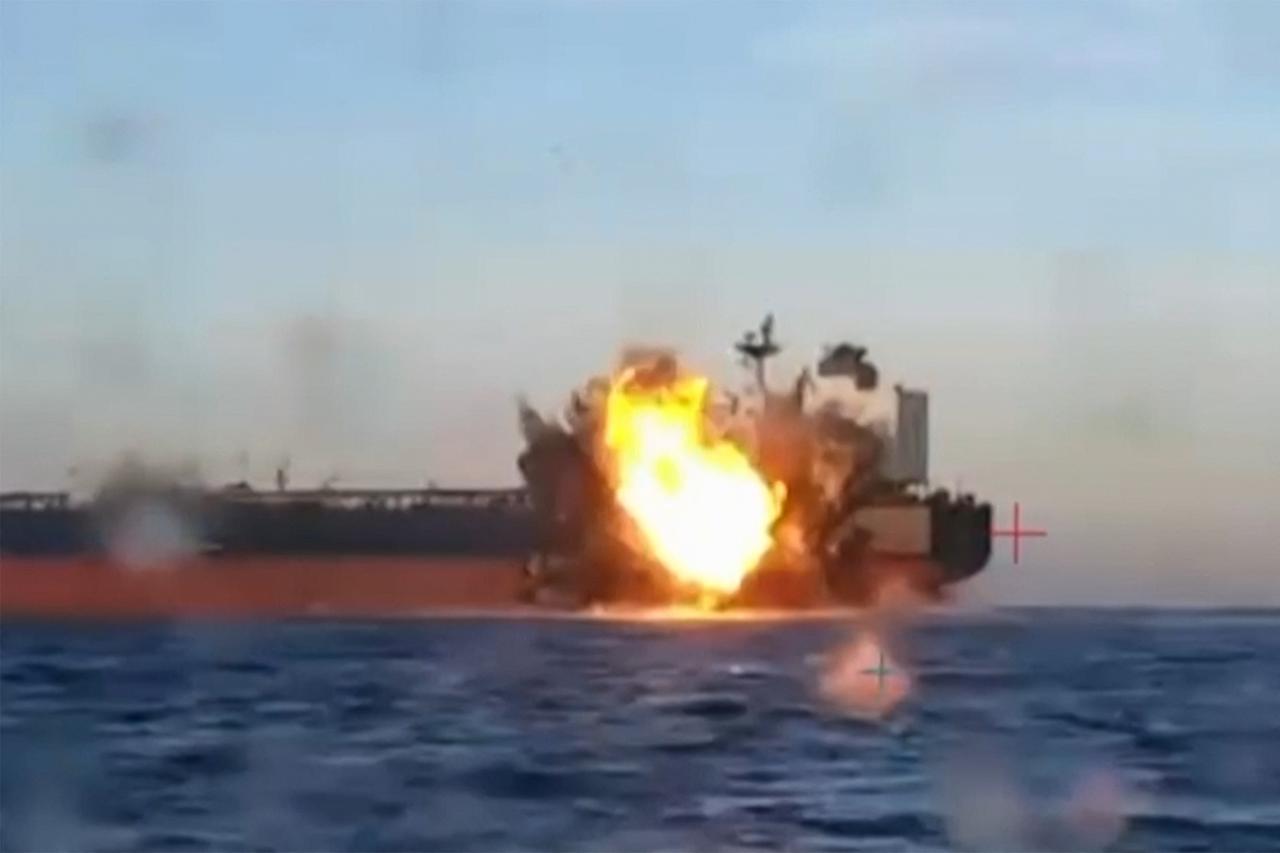
The Trump administration is also considering easing sanctions on shadow fleet vessels that have carried oil from countries including Russia, Iran and Venezuela, a U.S. official told Reuters.
The talks center on allowing "legal oil," crude or products not under U.S. sanctions, to move on previously sanctioned ships, to get more oil out of the Gulf.
Companies would need to apply to the Treasury Department to use the vessels, the official said.
The Energy Department said any move would not help Russia ship oil or oil products.
Energy Aspects said easing the sanctions was "unlikely to add meaningful mainstream fleet capacity overnight, especially as most tankers sanctioned over Russian or Venezuelan links have been actively trading over the past three months." It said the move "could make a small number of additional tankers available for certain (Strait of) Hormuz shuttle runs."
Industry sources told Reuters a broad easing of freight rates was unlikely because ship insurers remain bound by EU and British rules, as Washington weighs relief on Russian assets and the shadow fleet ahead of the Nov. 3 midterms.


 Set as preferred source
 Set as preferred source


 5 min read