

 Newsletters


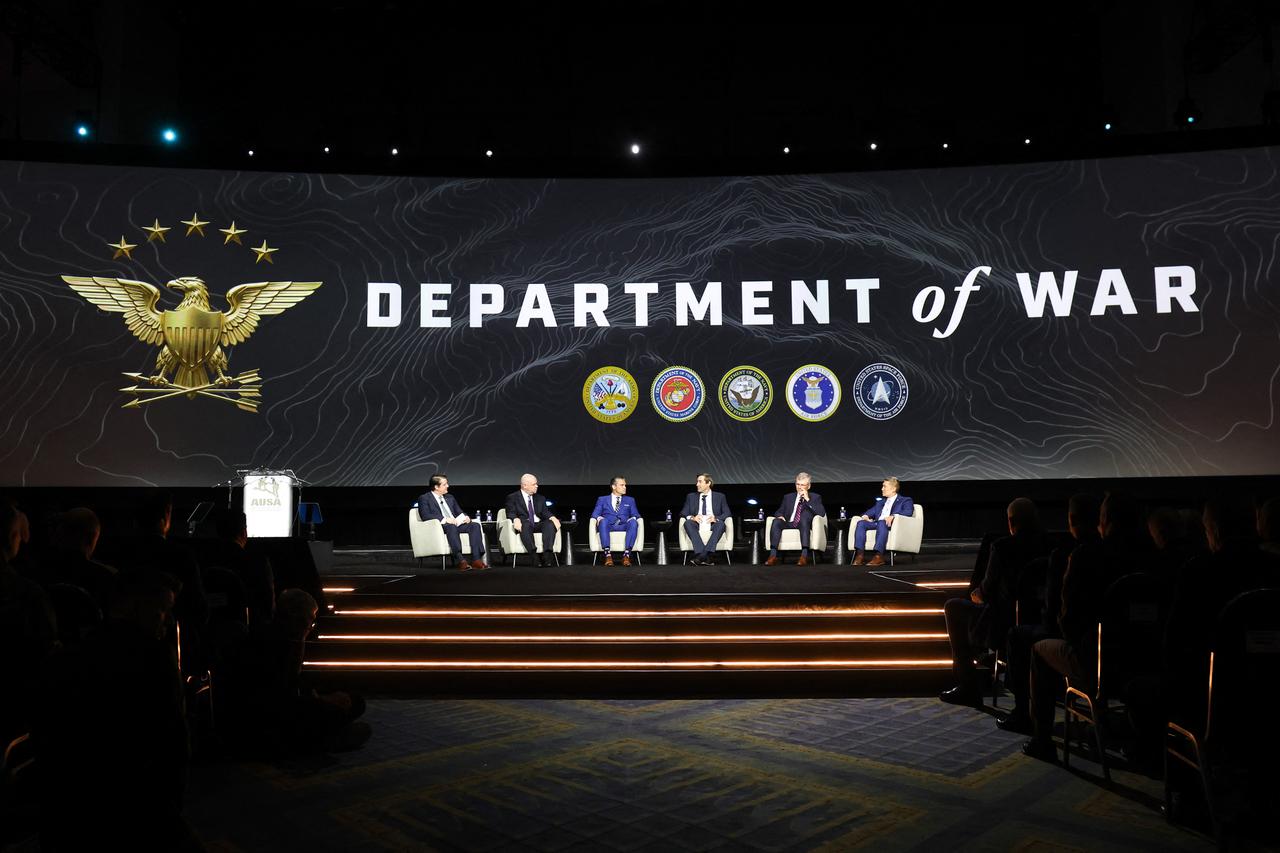


Pete Hegseth was interrupted six times by anti-war protesters on Wednesday. Six times he kept going, through a list of the drones the Pentagon wants to buy and the four-star command he wants to run them.
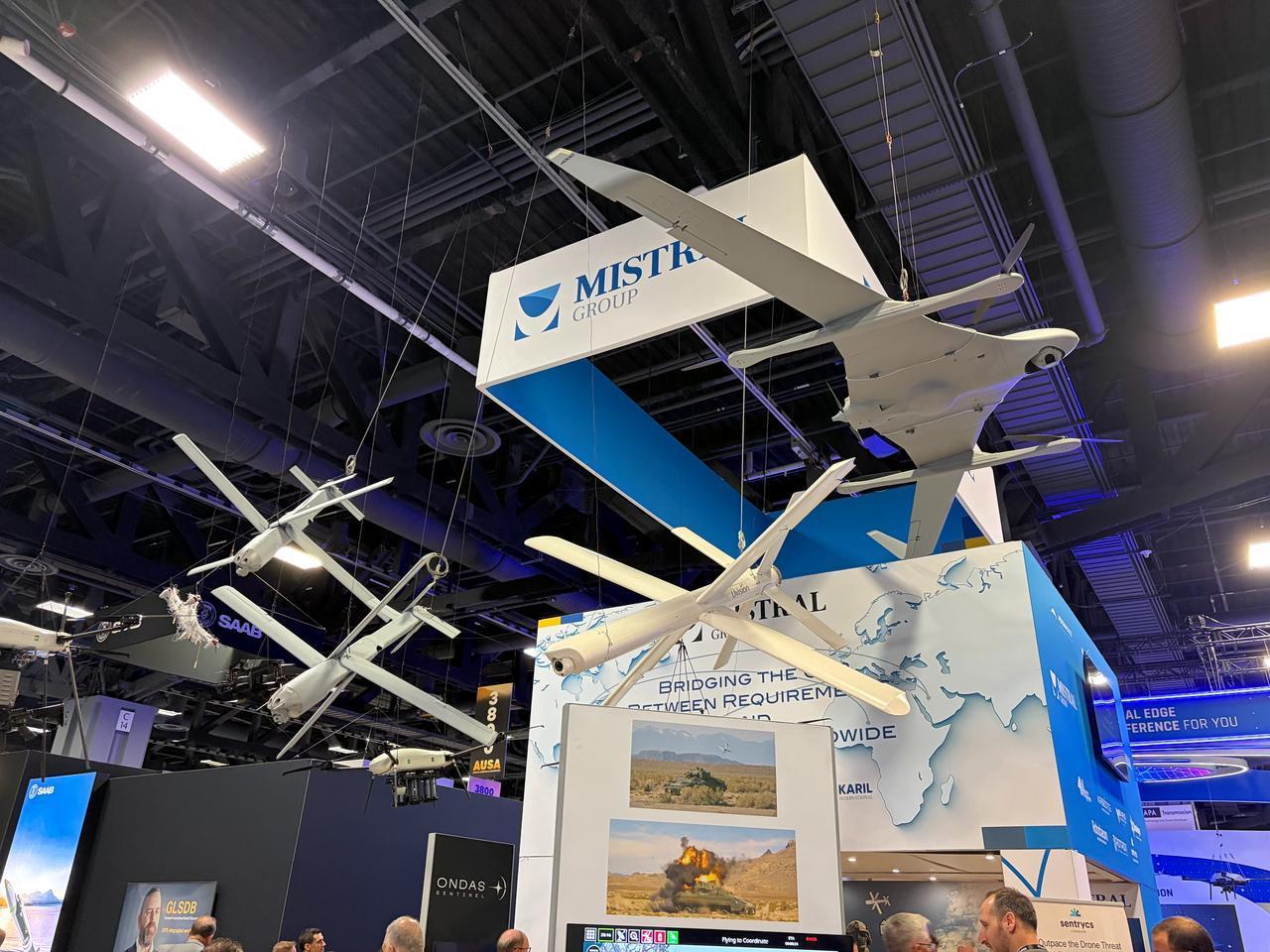
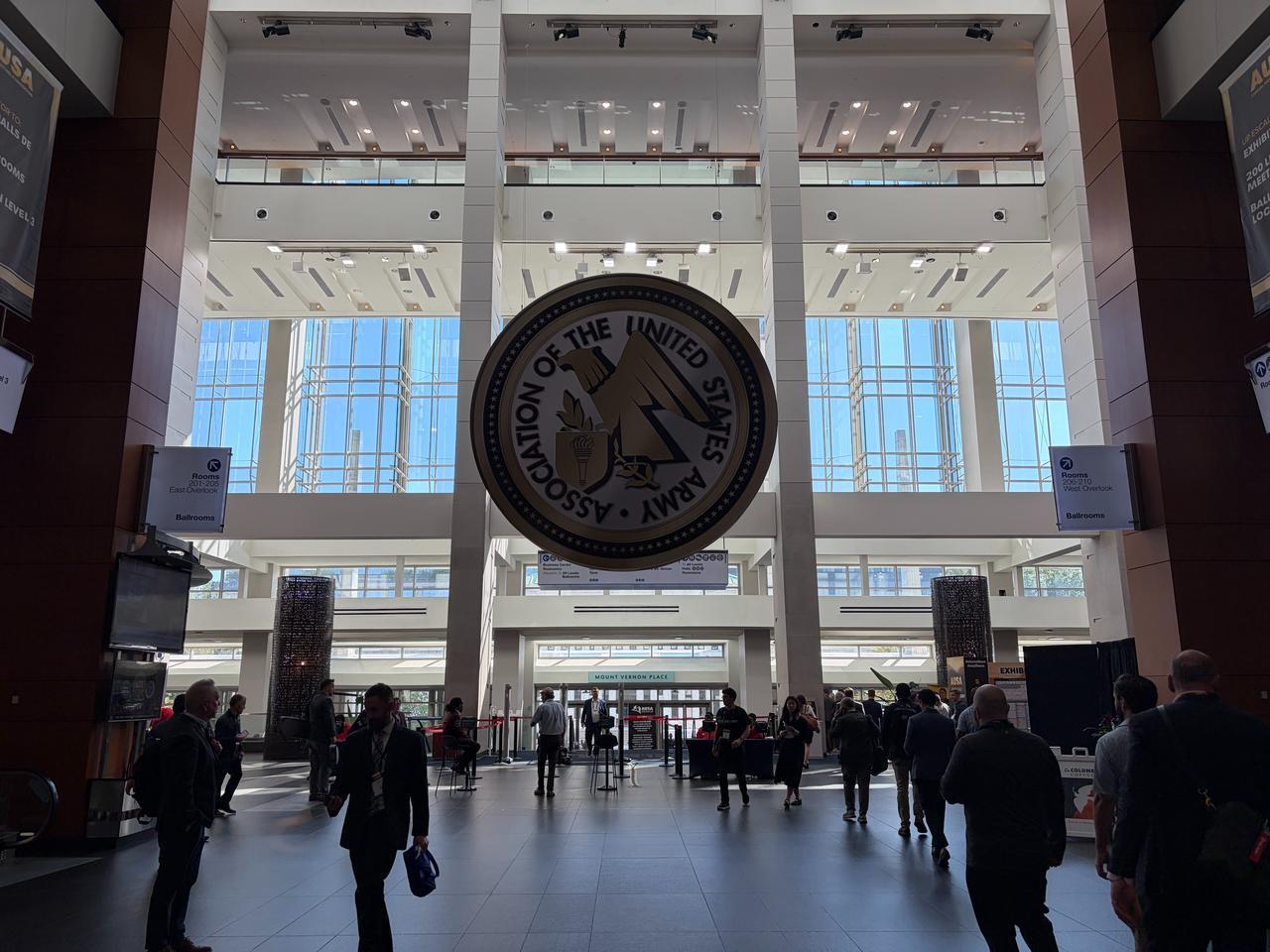
The Association of the U.S. Army (AUSA) is the Army’s Comic-Con, except the props have serial numbers and the people in costume are generals.
Every October, downtown Washington fills with armored vehicles, loitering munitions and lanyards, at least their original replicas. It is also where the Army’s politics gets read in public: who sits on which panel, and what they decline to say.
This year the panel was the story. Hegseth joined the Department of War leaders to discuss Project Agincourt, the effort to build an Autonomous Warfare Command: a four-star combatant command to run unmanned and robotic war across the services.
The secretary first announced it on Sept. 30 at Quantico. At AUSA, he explained why it became a four-star command. He also made the case for the Pentagon’s $1.5 trillion budget request, telling the audience the reconciliation bill carries around $50 billion for autonomous and robotic systems.
Turkish companies and delegates were also represented. Alpaslan Kavaklioglu, Türkiye’s deputy defense minister, spent the first half of the week in those same aisles for talks with the Americans and beyond. He told Türkiye Today the war in the Middle East changed this year’s show: it drew far more interest, companies and officials than in previous years.

Hegseth’s Sept. 30 memo that tells a ton about the future of American warfare is titled “Project Agincourt.”
The name refers to the Hundred Years' War battle where English soldiers defeated a larger French force. English forces used longbows, offered no quarter for a time, then massacred prisoners. The memo’s authors presumably chose the first half of the story.
The analogy is easy to see. A longbow was cheap, mass-trained and lethal against expensive armor. A drone is the same proposition with a battery. The command is meant to speed that up. Hegseth said it would coordinate funds quickly in lockstep with the services, against a 2027 request of $53 billion for autonomous systems.
Hegseth and the service secretaries steered clear of many specifics on autonomy development and investment plans. The Defense Autonomous Working Group has been folded into a new Task Force Autonomous Warfare inside Special Operations Command, and the org chart is moving faster than the explanations.
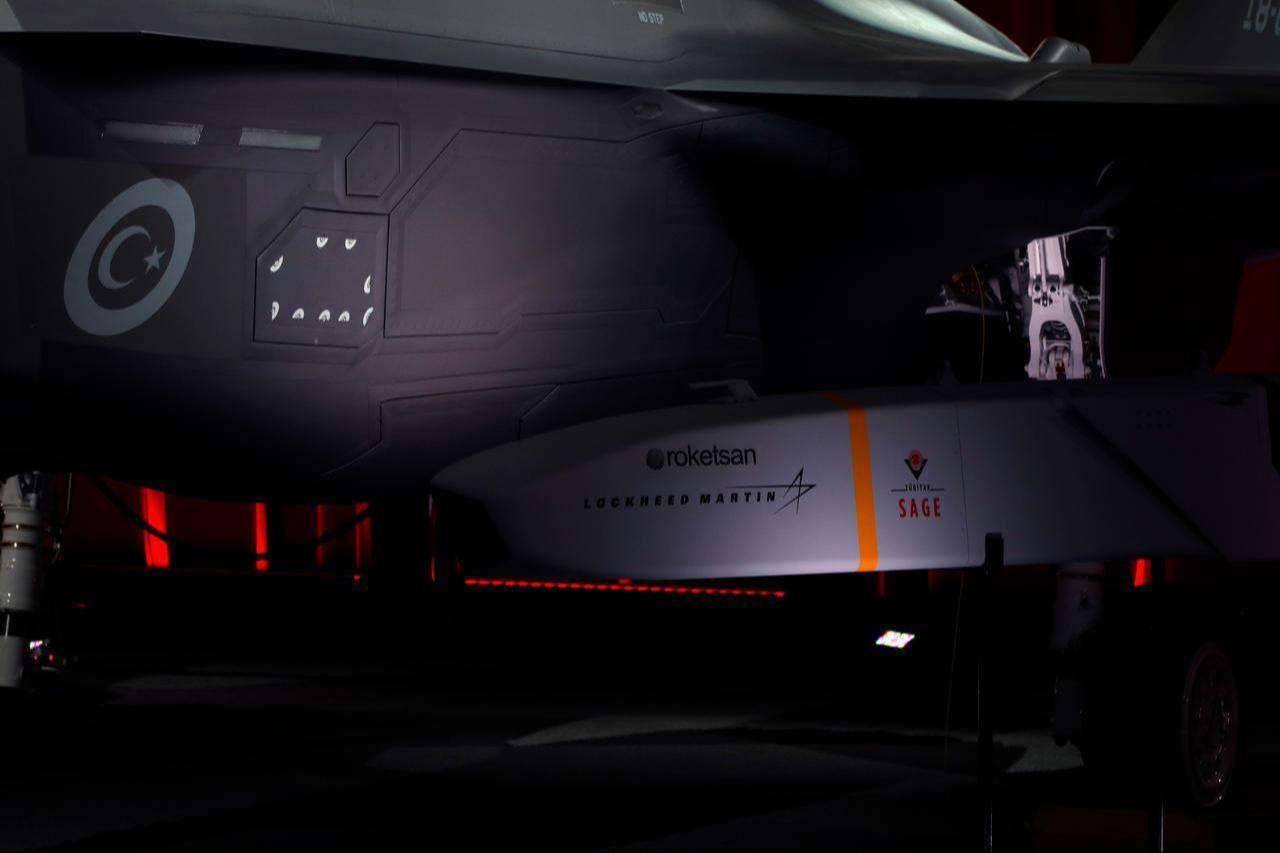
Reflecting on the convention's wrap-up in comments to Türkiye Today, Kavaklioglu noted that talks with Washington regarding CAATSA sanctions and the F-35 program had tracked “above expectations.”
Discussions with American authorities also touched upon how the Pentagon could bridge its production-chain bottlenecks by cooperating with a NATO ally. Talks with American authorities were the primary aim of the AUSA visit, but his schedule extended the bilateral relationship: In Washington, he also met defense officials from many other countries, including Brazil and Bangladesh.
Türkiye is in intensive talks with U.S. counterparts on shipbuilding, and the deputy minister said Ankara wants to compete with Asian shipyards. Alongside him, the Turkish delegation of this year’s AUSA included representatives from Istanbul’s shipyards. His pitch is that Ankara holds some advantages in that race, cost among them.
In short, while Turkish firms made their case on the floor, official delegations were busy untangling a dense web of strategic priorities. At the heart of their agenda were two major prizes: securing the delivery of six already-paid F-35s, alongside 10 military vessel sales, a long-standing goal previously emphasized by President Erdogan.
Türkiye’s defense industrial capacity far outpaces its domestic defense budget. This mismatch is a testament not to a weak domestic market, but to a surging export powerhouse. After all, no modern defense industry can truly scale without opening doors to multiple massive markets.
 2 min read
Walking the floor, the sprawling pavilions of Australia, Denmark, Israel, and Greece immediately caught the eye due to their sheer scale.
Though positioned far apart from one another, two Turkish firms had stands, and both sit close to the Army’s current shopping list.
Repkon is an Istanbul metal-forming company. Its specialty is flow forming, shear forming and hot spinning, used to build production lines for items like artillery shells. It is no stranger to AUSA; since 2017, it has gone from visitor to contractor.
Repkon USA is establishing 155mm artillery ammunition production in Texas under a Department of War contract, and holds a $435 million contract for a TNT plant in Kentucky.
Tualcom, founded in 2013, has made a remarkable leap from a university technopark in Ankara to the global stage in just over a decade.
It makes anti-jam systems, data links, radar, electronic warfare, flight termination and telemetry equipment, and says it exports to more than 30 countries. Anti-jam is the relevant line for this year’s theme: BAE Systems’ FalconWorks signed a memorandum of understanding with Tualcom to explore collaboration on autonomous technologies last month.
The ambition behind these efforts is immense. The real question is how many Turkish companies will make the cut next year, or whether a unified Turkish pavilion will ever materialize.
Under current rules, Tualcom secured its spot this year via the show's small business quota, and unless conditions shift, keeping a booth space next year will be an uphill battle for them. Meanwhile, Repkon is expected to hold its ground.
Whether the Turkish presence at AUSA '27 grows to three to four companies, stays at two, or shrinks back to a scramble for scraps remains the real test of Ankara’s export momentum.


 Set as preferred source
 Set as preferred source



 1 min read


