Sign in
 Newsletters


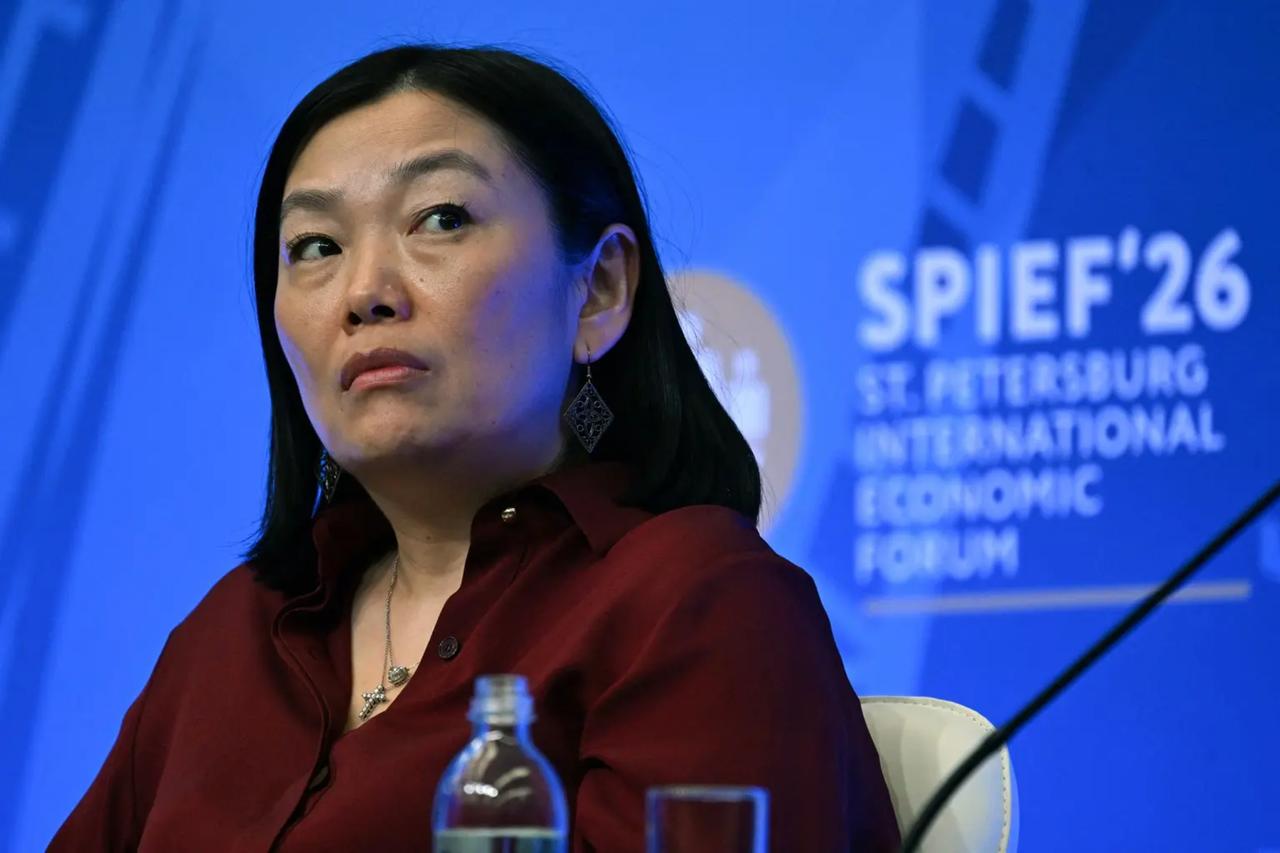


The European Union on Monday added Tatyana Kim, CEO of Russia's largest online retailer Wildberries, to its sanctions list over alleged support for Moscow's war in Ukraine, imposing an asset freeze, travel restrictions and transaction bans.
The sanctions, published in the EU's Official Journal, are part of broader measures targeting 50 Russian banks and entities linked to the country's oil exports and shadow fleet of tankers.
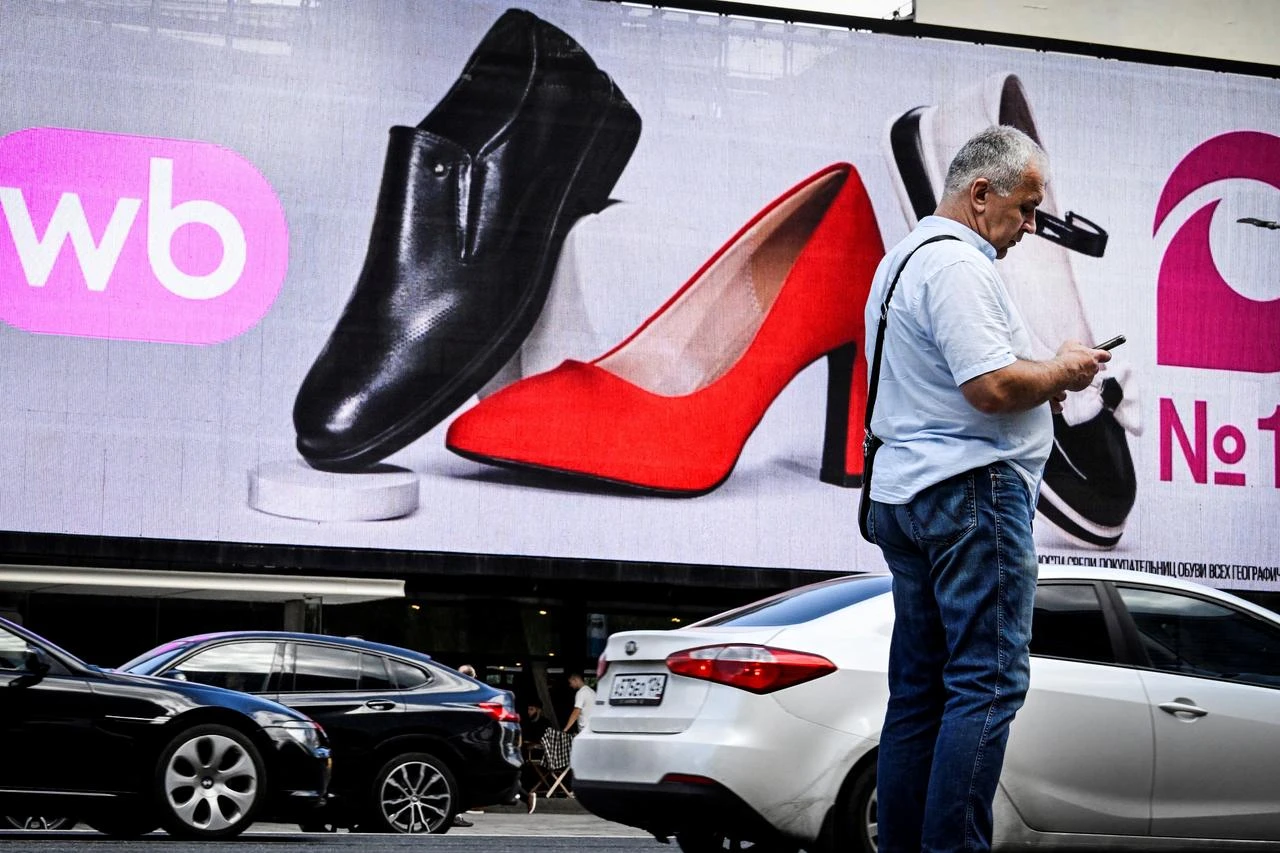
Brussels accused Wildberries, often described as "Russia's Amazon," of supporting Moscow's military operations through its retail network and financial contributions to the Russian economy.
"Wildberries operates as a supply network for the Russian military by facilitating the sale of military and dual-use goods," the EU said, also identifying the company as one of Russia's largest taxpayers.
The bloc accused Kim of materially or financially supporting and benefiting from Russia's military-industrial complex.
Ukraine has targeted Wildberries facilities since mid-July, accusing the company of supporting Russia's war effort by selling products including night-vision goggles, ammunition pouches and helmets alongside consumer goods.
Kim rejected the allegations in July, saying the company did not sell products unavailable on major international e-commerce platforms such as Amazon and Alibaba.
The Kremlin also denied that Wildberries warehouses were being used for military purposes.
Responding to the EU sanctions, Wildberries said the restrictions would not affect its operations because the company had no assets or business activities in the bloc.
It added that Wildberries and other companies within its group would continue operating normally.
The sanctions package also targets a major oil terminal in Saint Petersburg and companies in the United Arab Emirates, China, Seychelles and Oman linked to purchases of Russian oil transported by Moscow's so-called shadow fleet of aging tankers.
The 27-member bloc is seeking to maintain economic pressure on Russia despite renewed diplomatic efforts to negotiate an end to the war in Ukraine.
Brussels is also preparing a broader sanctions package it hopes to introduce before the end of the year.
Kim, who founded Wildberries in 2004 with her then-husband Vladislav Bakalchuk, is currently ranked by Forbes as Russia's richest woman, with assets valued at $5 billion. Another estimate cited in reports places her net worth at $8.1 billion.
Born in 1975 in Grozny, the capital of Russia's Chechen Republic, to a family of ethnic Koreans, Kim worked as an English teacher before entering e-commerce.
She and Bakalchuk initially operated Wildberries from their apartment in the Moscow region before expanding during the online shopping boom of the 2010s.
The company subsequently grew into Russia's largest online retailer, selling products ranging from clothing and cosmetics to electronics and other consumer goods.


 Set as preferred source
 Set as preferred source


 1 min read

 1 min read