Newsletters





Nuclear talks between the United States and Iran scheduled for Friday have been canceled after Tehran rejected an American ultimatum to proceed with negotiations in Istanbul as originally planned or abandon diplomacy altogether, two US officials told Axios.
"We told them it is this or nothing, and they said, 'Ok, then nothing,'" a senior US official said, describing the stark exchange that ended hopes for this week's diplomatic engagement and left military options on the table.
The breakdown came after Iran requested last-minute changes to move the talks from Istanbul to Oman and shift from a multilateral format with Middle Eastern observers to strictly bilateral discussions. US officials considered the location change but decided Wednesday to reject it, delivering an ultimatum that Tehran ultimately refused.

The collapse of negotiations creates a precarious moment for the Trump administration, which has assembled substantial military forces in the Gulf region. The senior US official warned that without rapid diplomatic progress, Washington would consider other approaches.
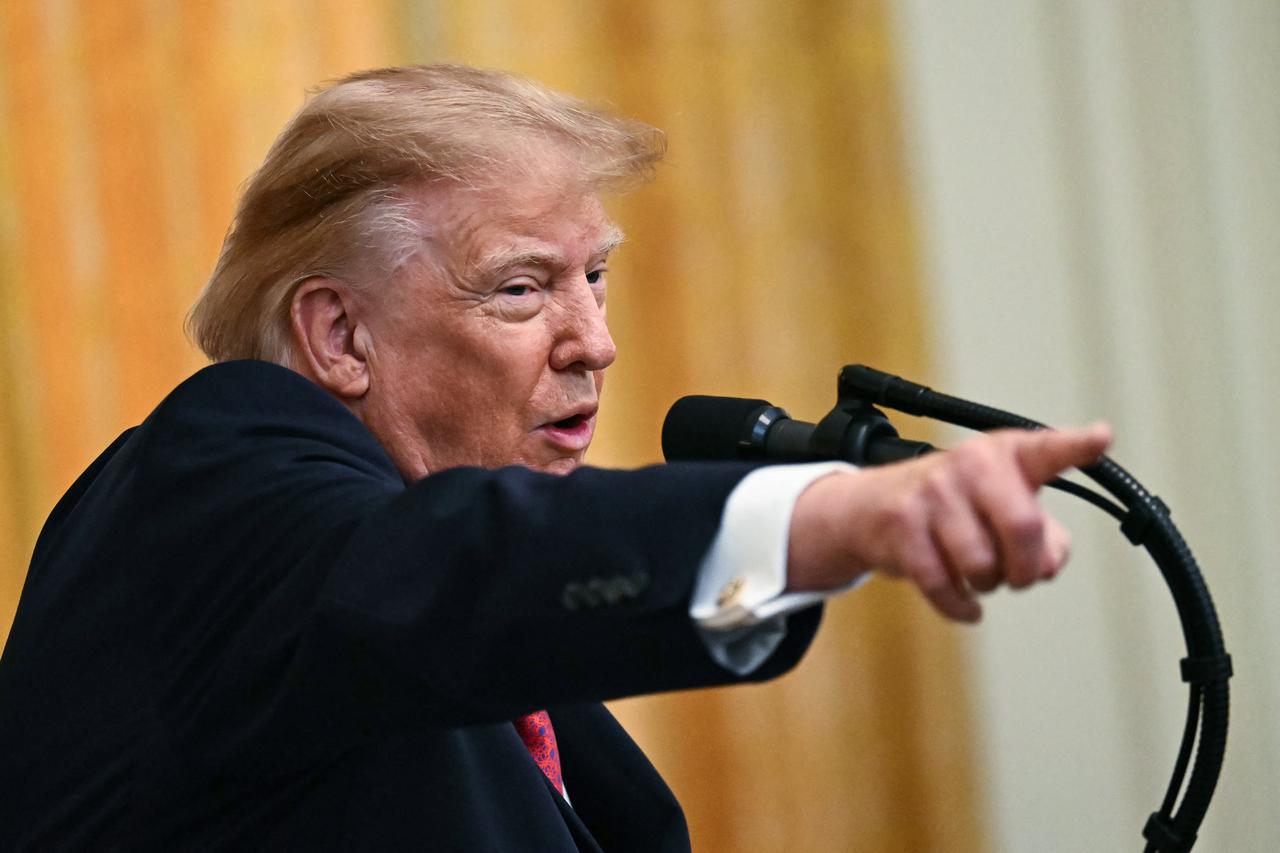
"We want to reach a real deal quickly or people will look at other options," the official said, alluding to President Donald Trump's repeated threats of military action against Iran.
The official added that if Iran is willing to return to the original Istanbul format, the US remains ready to meet this week or next week. But for now, Friday's scheduled negotiations are off, marking a significant setback for diplomatic efforts to address the nuclear standoff.
Iran had requested the shift from a multilateral gathering in Istanbul to bilateral talks in Oman, arguing it would allow negotiations to focus exclusively on nuclear issues rather than other matters like ballistic missiles that are priorities for Washington and regional countries. But the move represented a reversal of understandings reached in recent days, after several countries had already been invited to participate in the Istanbul meeting.
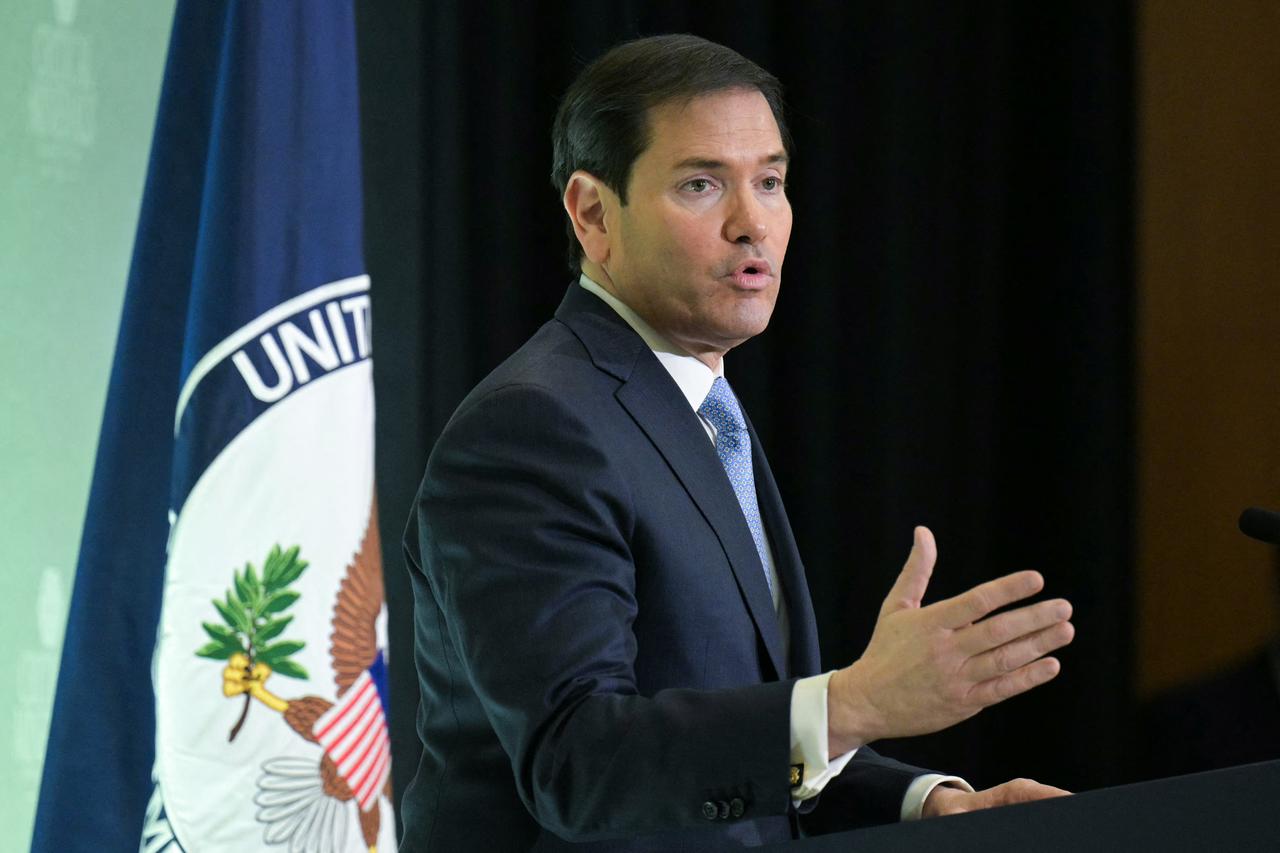
Secretary of State Marco Rubio said earlier Wednesday that any meaningful talks must address not only Iran's nuclear program but also its ballistic missile capabilities, sponsorship of regional militant groups, and treatment of its own people. The comprehensive agenda set by Washington appeared incompatible with Iran's preference for narrow nuclear-focused discussions.
White House envoy Steve Witkoff and Trump's son-in-law and adviser Jared Kushner are expected to travel to Qatar on Thursday for discussions on Iran with the prime minister, according to US officials. From there, they currently plan to return to Miami rather than traveling to meet Iranian officials, confirming that Friday's talks will not proceed.
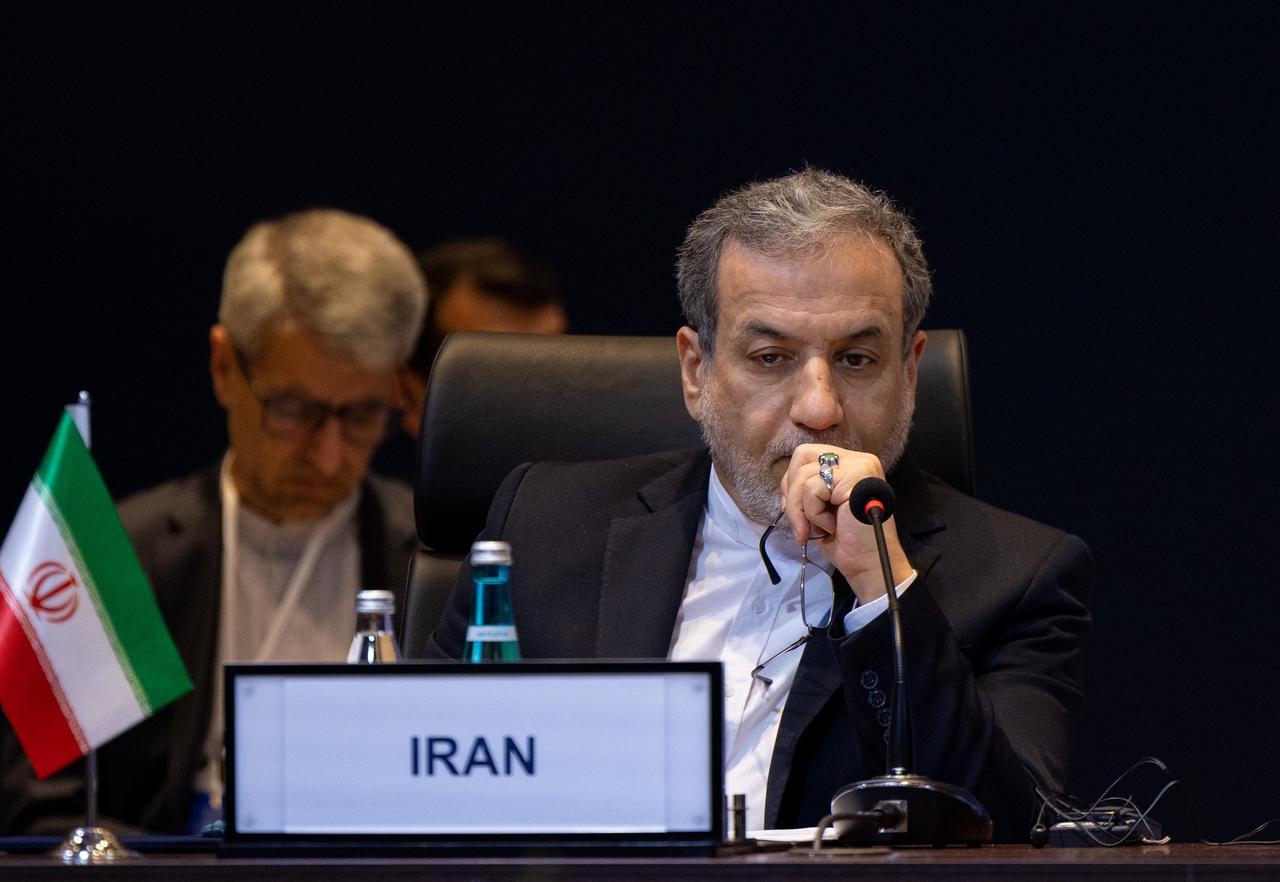
The Iranian mission to the United Nations did not immediately respond to a request for comment on the diplomatic impasse. Iranian Foreign Minister Abbas Araghchi had been expected to lead Tehran's negotiating team if the discussions had proceeded.


 Set as preferred source
 Set as preferred source


 1 min read
 1 min read