Newsletters


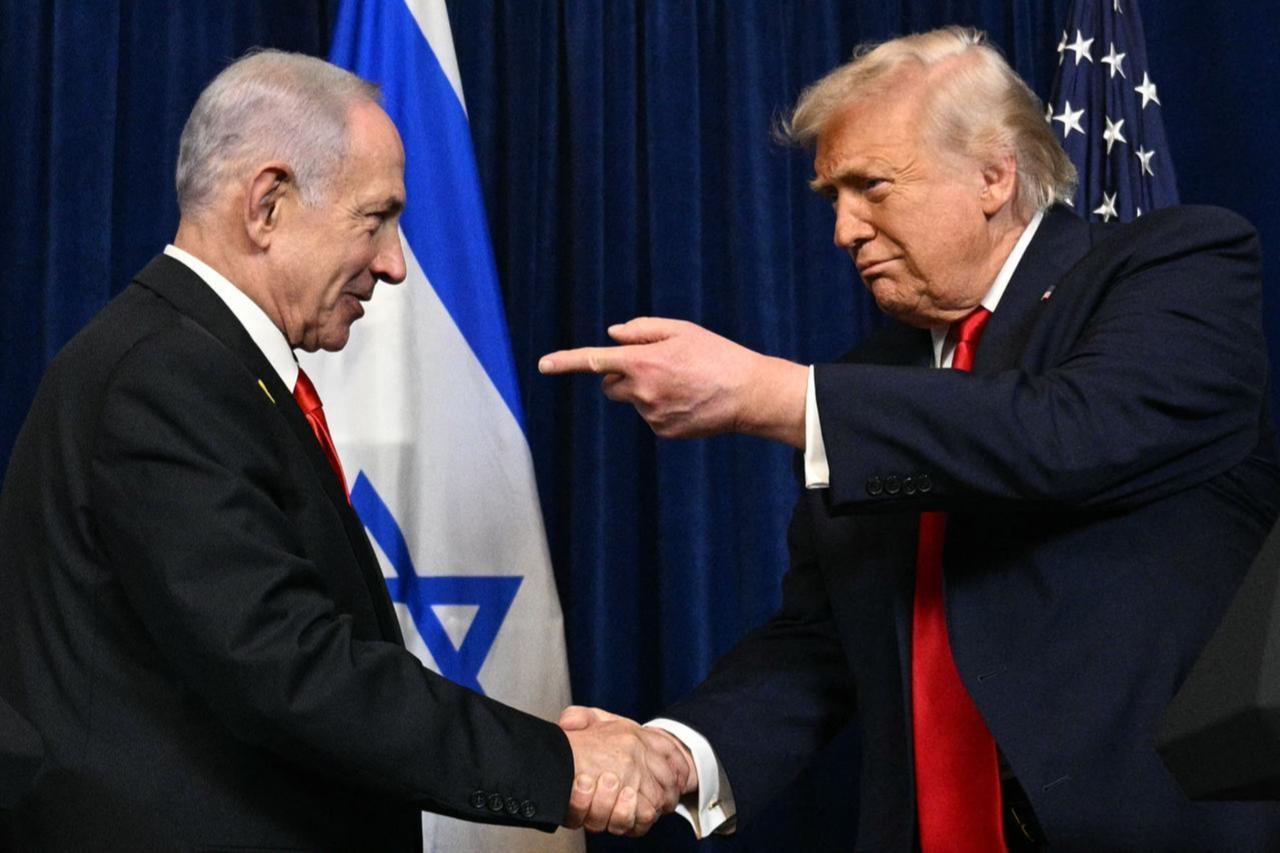


Israel conducted a large-scale military drill simulating a missile attack from Iran, while the United States and Iran confirmed preparations for renewed negotiations amid ongoing regional tensions and diplomatic maneuvering.
Israeli media reported that the Israeli army carried out a drill simulating an Iranian attack involving 2,000 missiles targeting Israeli population centers.
According to the Maariv newspaper, the Home Front Command conducted what it described as its largest drill in recent times, focusing on rescue operations following large-scale destruction.
The exercise involved hundreds of soldiers and commanders from the Home Front Command’s Rescue Brigade and took place at a military base in Zikim, south of Tel Aviv.
The scenario included the collapse of buildings and widespread destruction after missile strikes on a major city.
The drill reportedly began around 2:00 a.m. local time. Israeli media said the army described the exercise as pre-planned and part of its training schedule, though it was the most significant drill conducted since tensions with Iran escalated. The Israeli army has not officially commented.
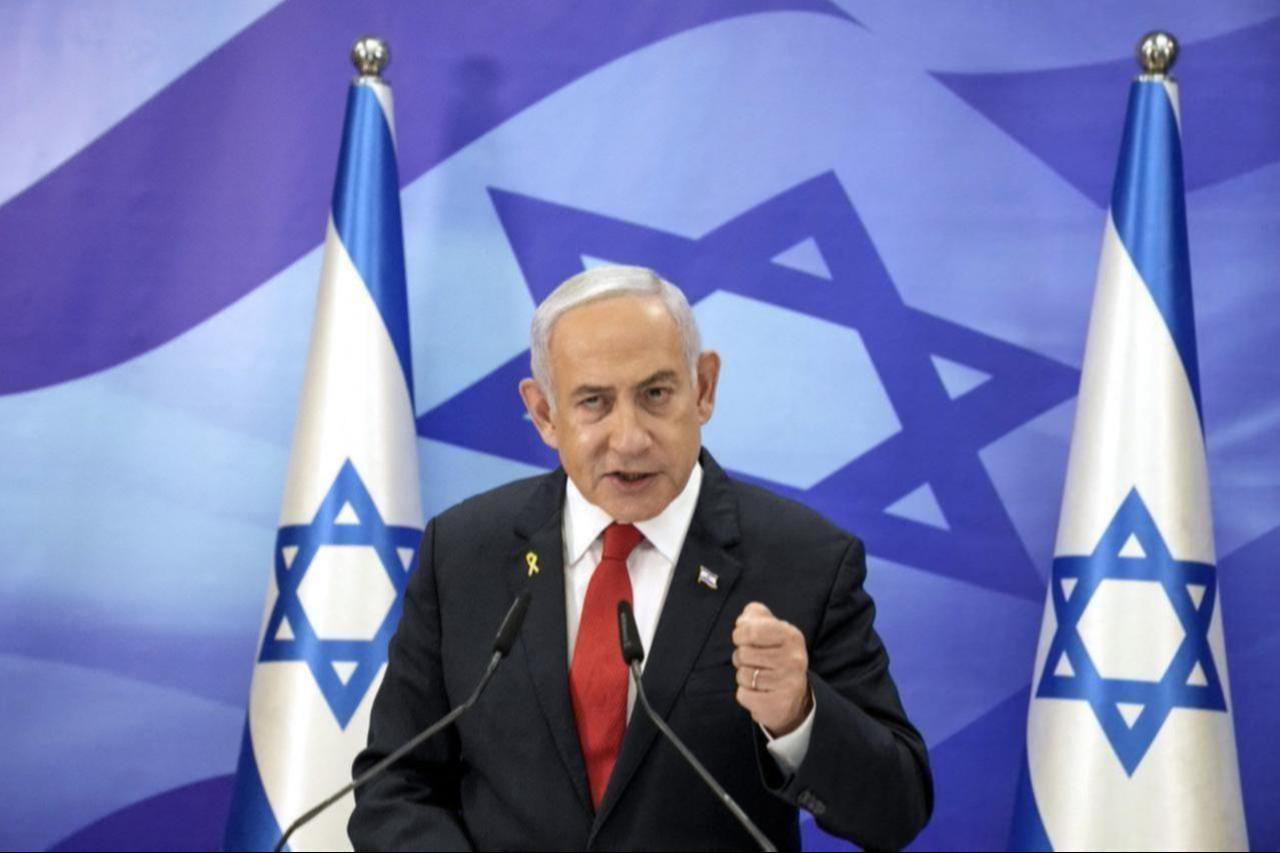
Israel has said it wants any U.S.-Iran talks to include Iran’s missile program and its support for regional groups, in addition to nuclear issues. Israel, with U.S. backing, carried out a 12-day military campaign against Iran in June 2025, prompting Iranian missile and drone strikes before a U.S.-announced ceasefire.
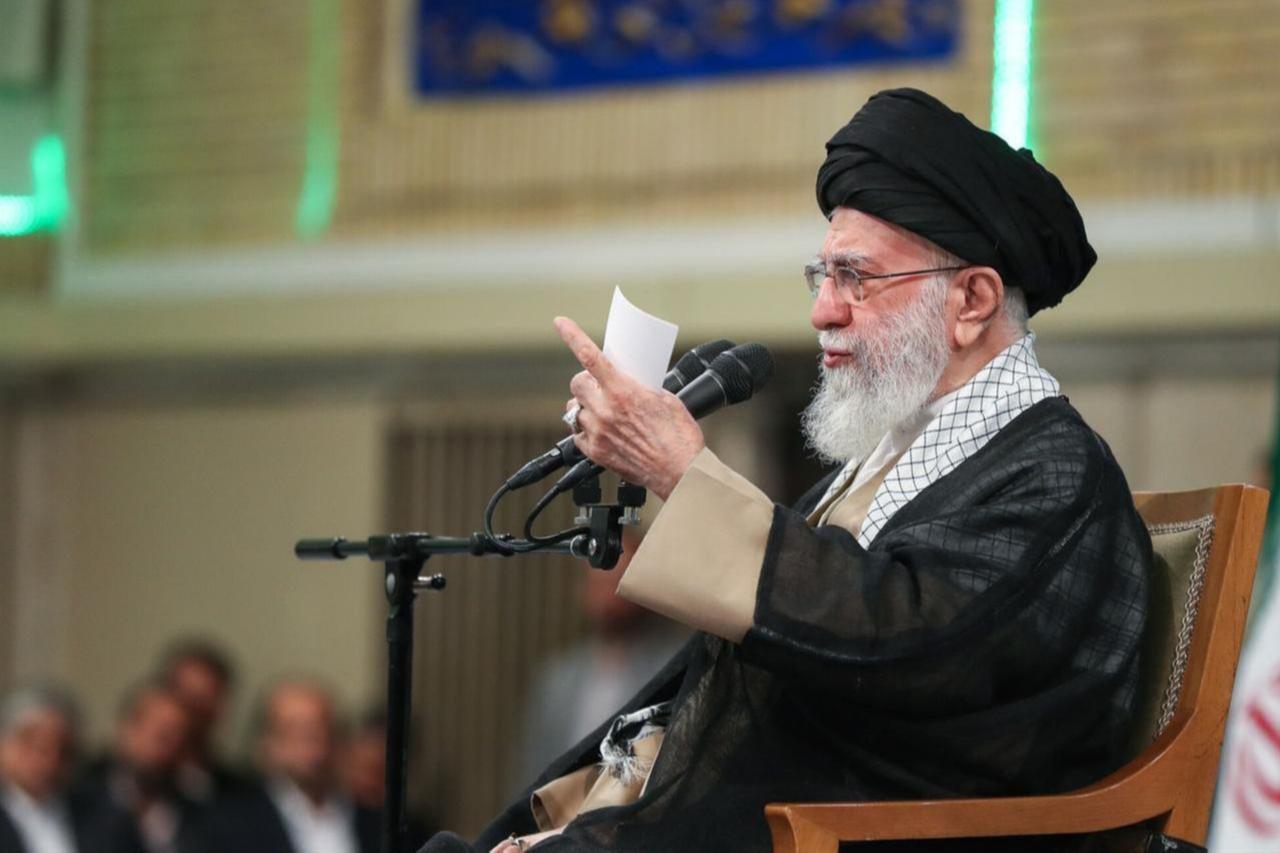

U.S. President Donald Trump said the United States is “negotiating” with Iran, confirming that talks are underway.
“They are negotiating,” Trump told reporters at the White House, adding that Iran wants to make a deal. He declined to say where talks would be held.
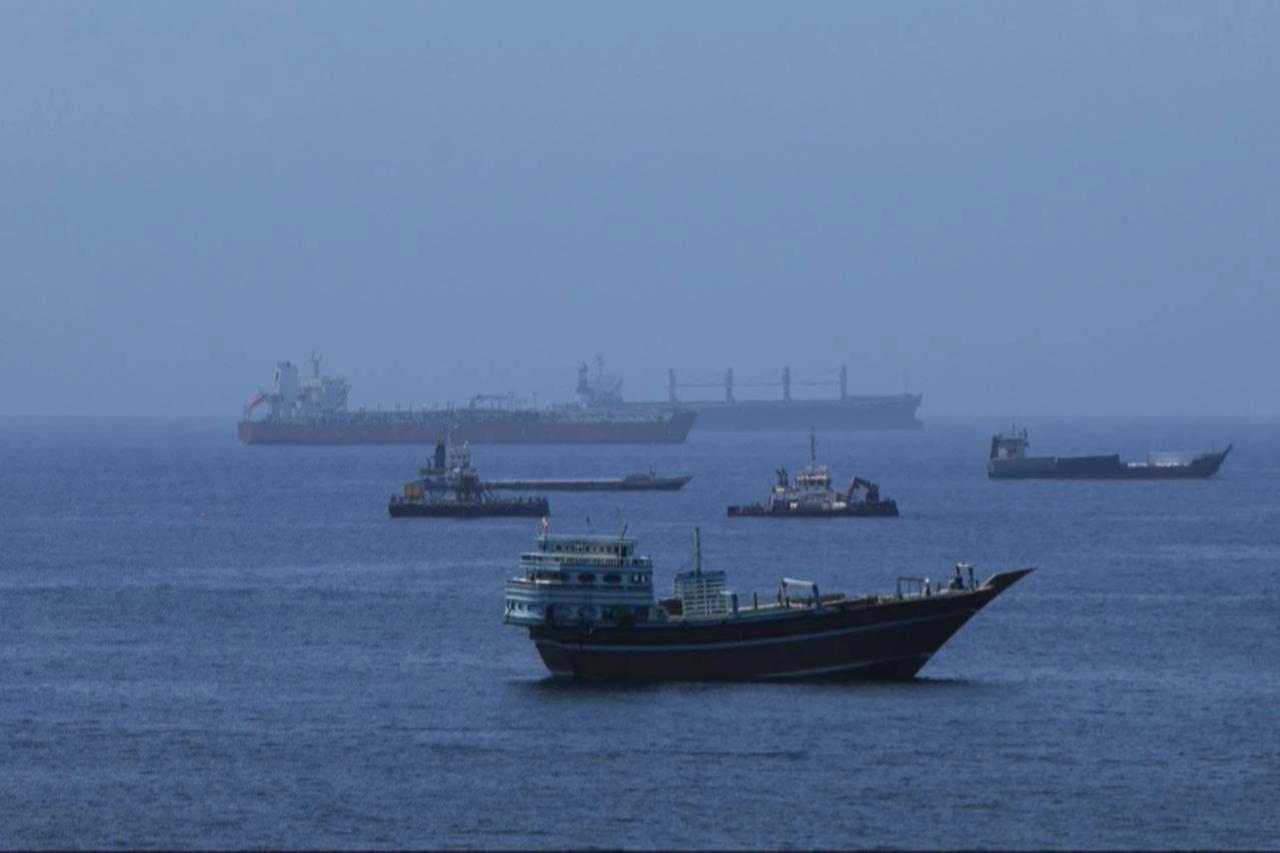
Trump’s remarks came after a U.S. fighter jet shot down an Iranian drone in the Arabian Sea after it approached the USS Abraham Lincoln aircraft carrier.
White House spokesperson Karoline Leavitt said U.S. special envoy Steve Witkoff is expected to hold discussions with Iranian officials later this week.
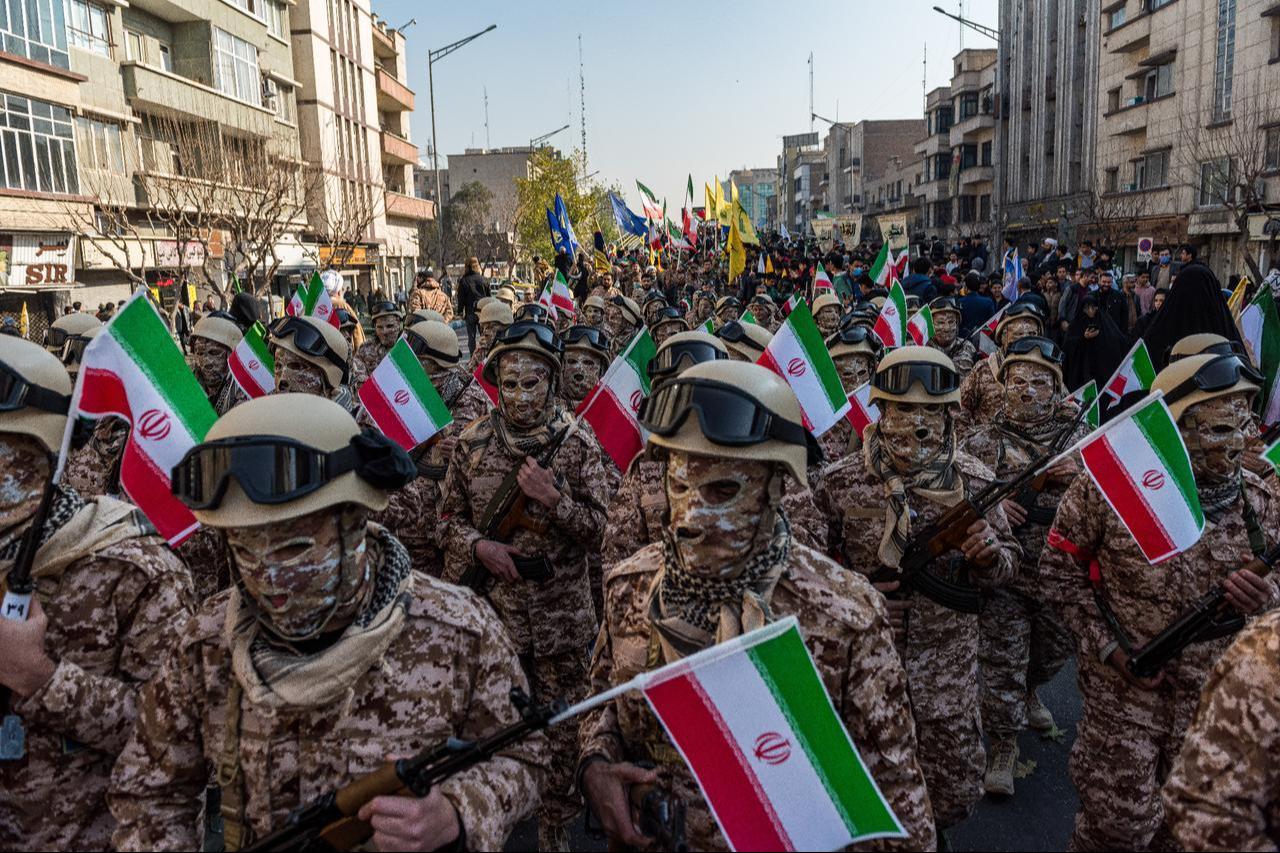
Iran’s Foreign Ministry said preparations are underway to hold talks with the United States in the coming days.
Spokesperson Esmail Baghaei said consultations are ongoing to finalize the location of the talks, which will be announced once confirmed.
Baghaei said the talks are being planned under the directive of Iranian President Masoud Pezeshkian and thanked regional countries for offering to host negotiations.
He said Türkiye, Oman and other regional states expressed readiness to host the talks, calling their support valuable, while cautioning against media speculation over timing and venue.
Axios reported that talks initially expected to take place in Istanbul on Feb. 6 were moved to Oman at Iran’s request, with the United States accepting the change.
According to the report, Iran sought to limit negotiations to a bilateral format with the U.S., rather than allowing participation by observers from Türkiye, Egypt and Qatar.
Axios said Iran wants discussions confined to nuclear issues, avoiding topics such as its missile program and regional proxy groups. This would mark the first direct U.S.-Iran talks since the June 2025 Iran-Israel clashes.
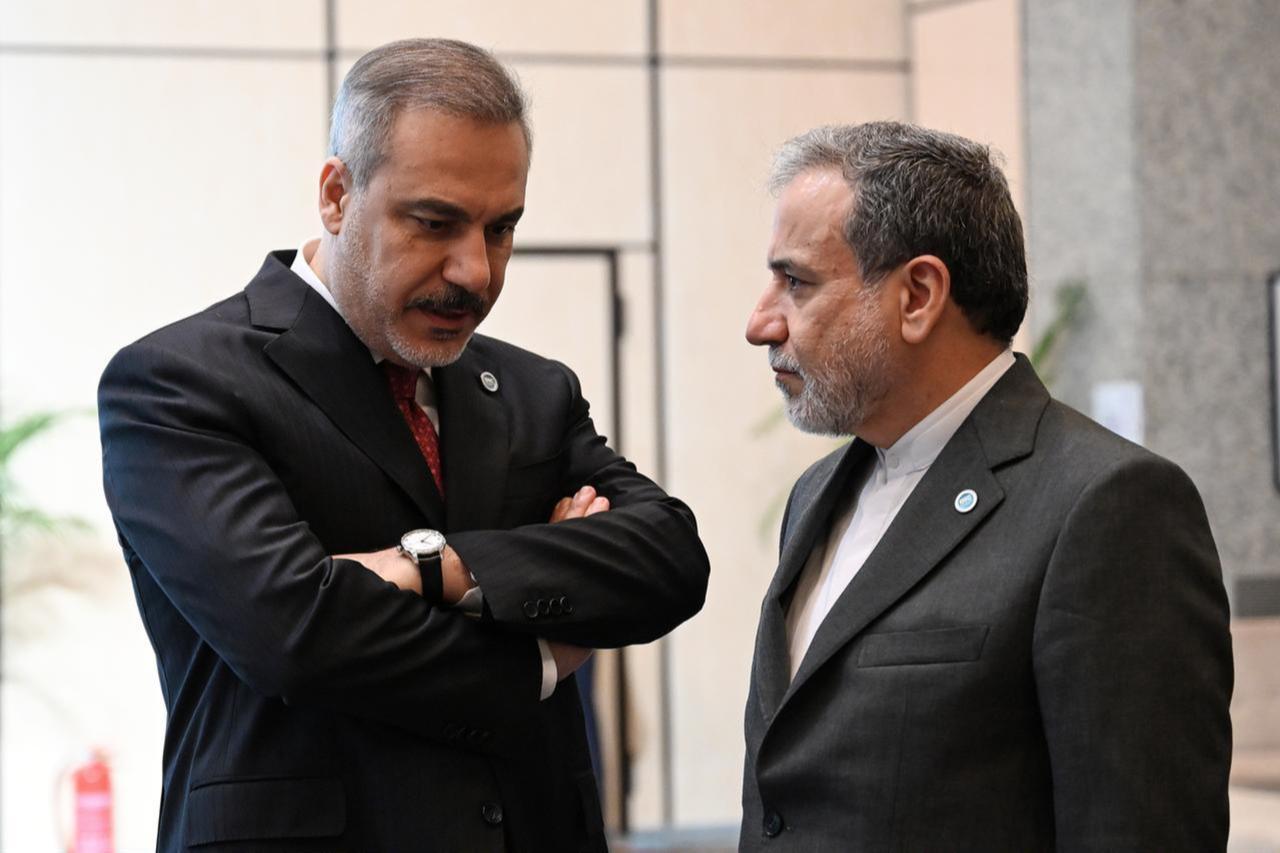
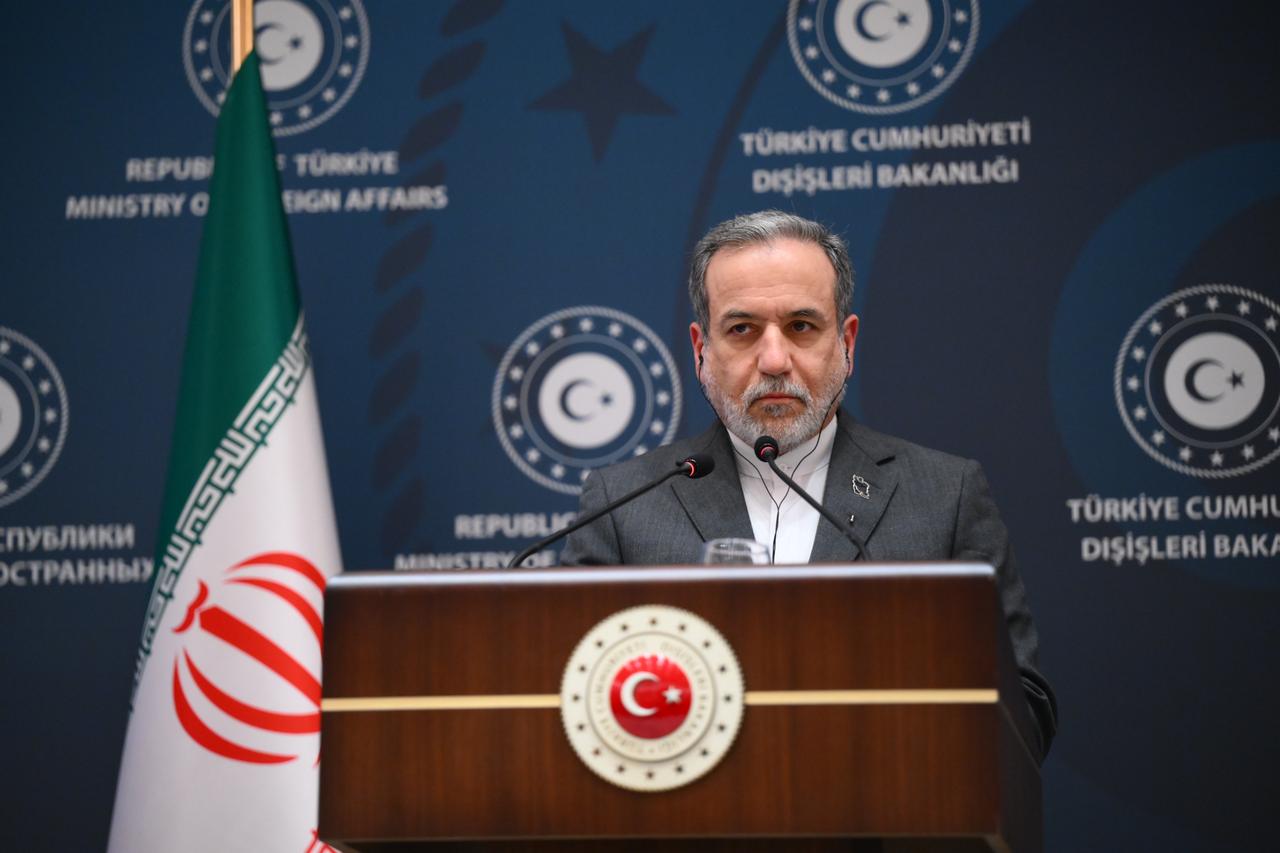
Iranian Foreign Minister Abbas Araghchi has said Iran is ready for diplomacy but stressed that talks cannot proceed under pressure or threats.
Axios also reported that Israel is pressing the U.S. to strike Iran, though Trump remains reluctant.
Israeli officials, including Chief of Staff Eyal Zamir and Mossad Director David Barnea, have visited Washington in recent weeks.
Zamir briefed U.S. Joint Chiefs Chairman Gen. Dan Caine on Israel’s war plans, though U.S. officials told Axios that the meetings did not change Trump’s stance.
“It’s really the Israelis who want a strike. The president is just not there,” one U.S. official said, while another said Trump “really does not want to do it.”
Trump warned earlier that “probably bad things will happen” to Iran if talks fail, while reiterating a preference for diplomacy.
The negotiations come amid heightened military activity, unresolved nuclear tensions and renewed diplomatic efforts involving regional and international actors.


 Set as preferred source
 Set as preferred source


 1 min read
 1 min read