Newsletters


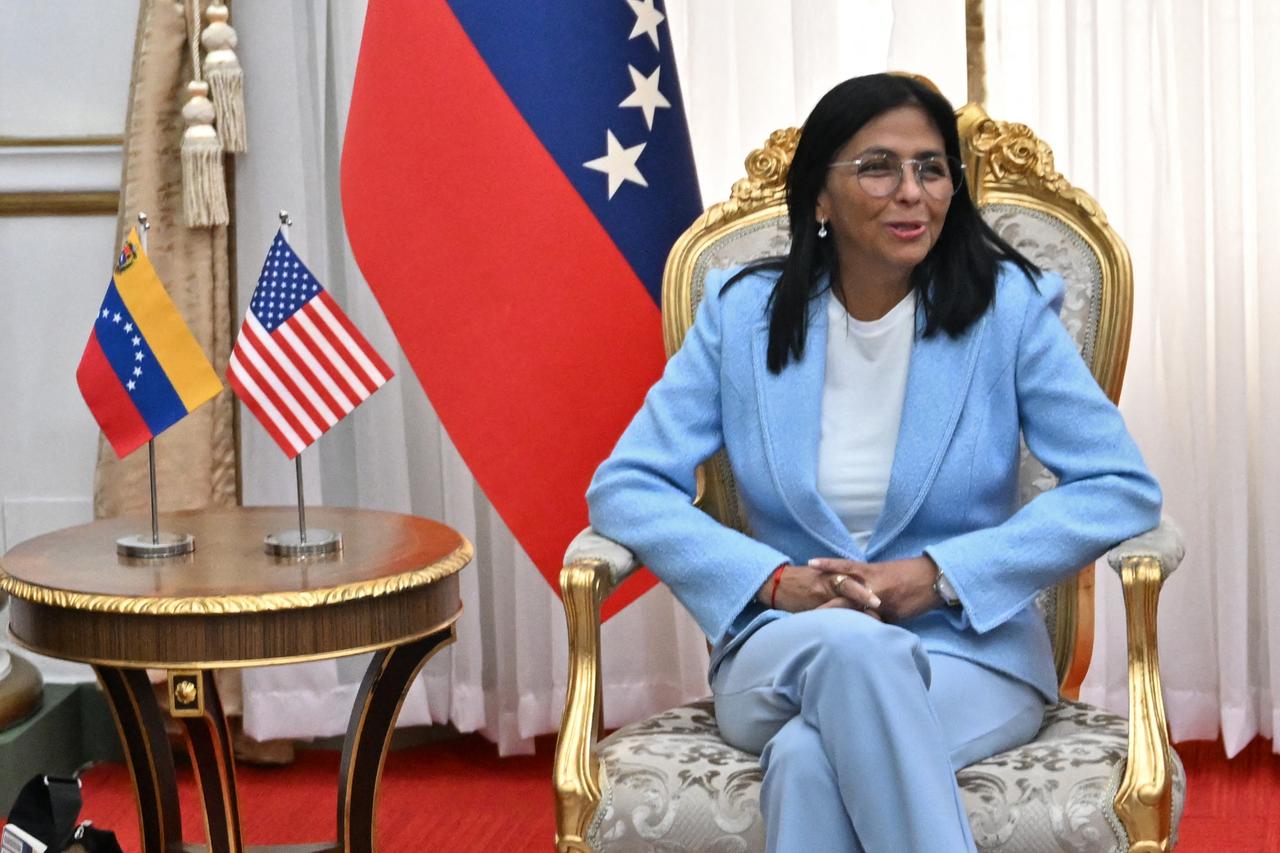


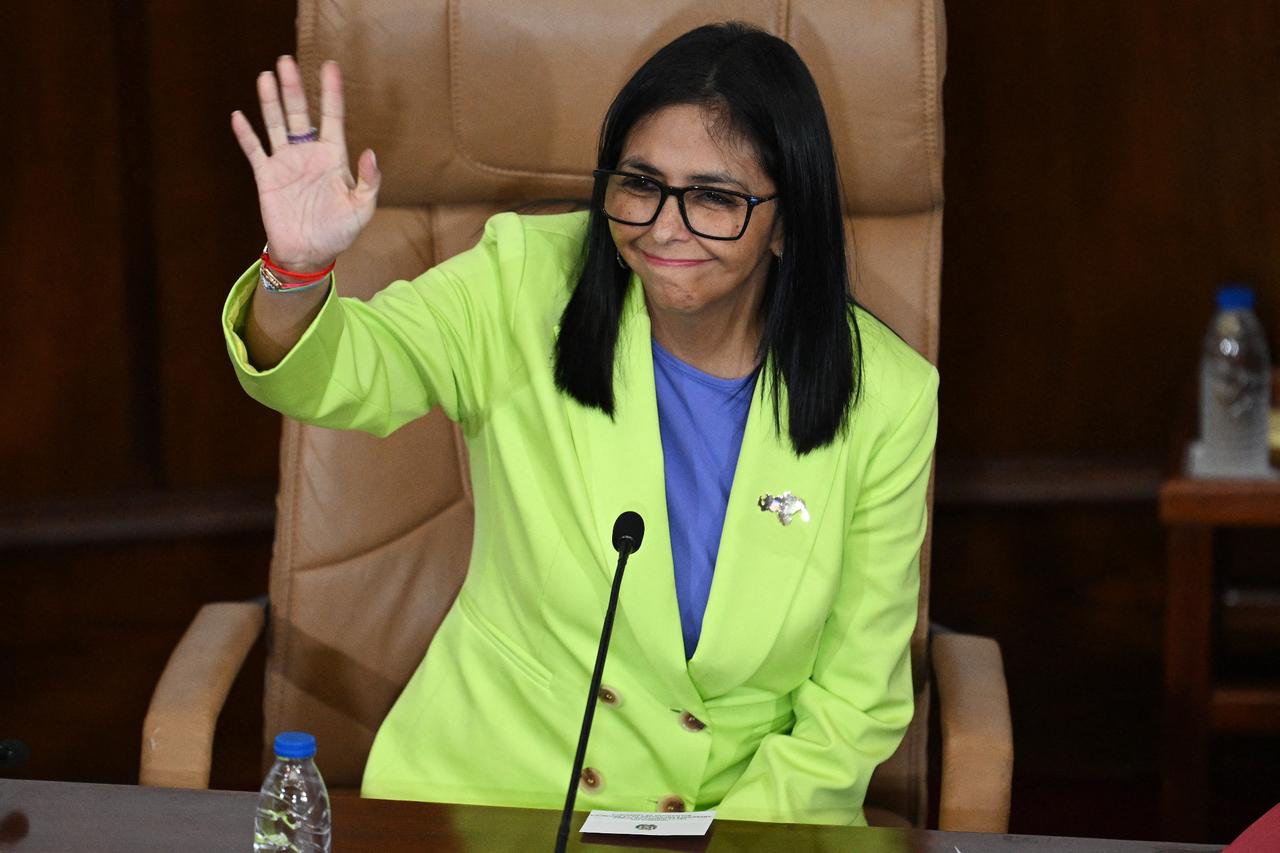
The United States has lifted sanctions on Venezuelan interim President Delcy Rodriguez, removing her from the Treasury Department's blacklist in the latest sign of a rapidly warming relationship between Washington and Caracas following the US military operation that ousted her predecessor, Nicolas Maduro, three months ago.
Rodriguez's name was struck from the Treasury's Office of Foreign Assets Control Specially Designated Nationals List on Wednesday, a public database used to freeze the assets and restrict the financial dealings of individuals deemed a threat to US national security or foreign policy interests. Washington has already formally recognized Rodriguez as Venezuela's head of state in legal and diplomatic settings, and the sanctions removal is seen as a further signal of that recognition.
Rodriguez hailed the decision on social media, calling it part of the "normalization and strengthening" of bilateral relations, and said she hoped it would pave the way for the removal of broader sanctions still in force against Venezuela. "We trust that this progress will allow for the lifting of the sanctions currently in force against our country," she wrote on X, adding that it would "make it possible to build and guarantee an effective binational cooperation agenda for the benefit of our peoples."
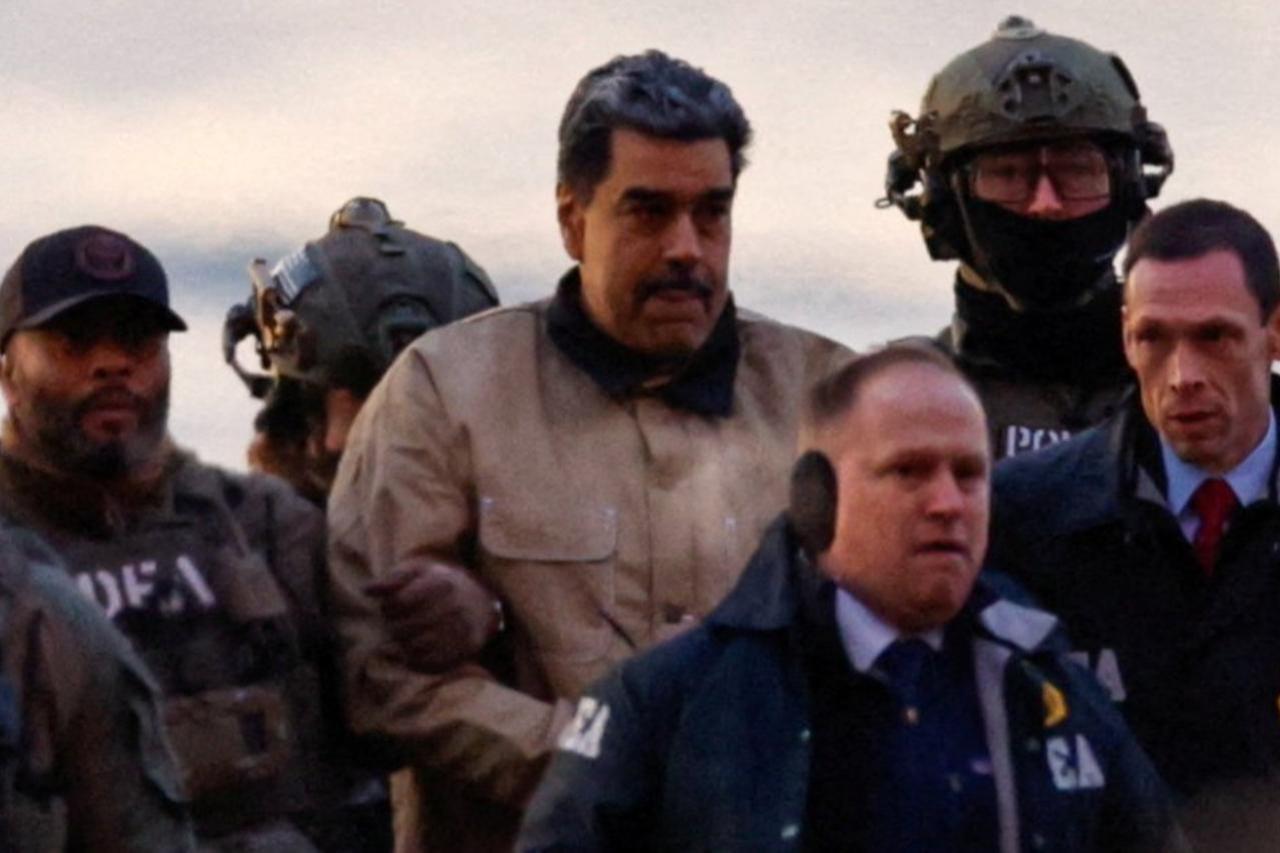

The rapprochement between Washington and Caracas has unfolded quickly since US forces seized Maduro and his wife, Cilia Flores, from the Venezuelan capital on January 3 and transported them to New York to face drug trafficking charges, which both have denied. The operation, which Venezuelan authorities say killed around 100 people, removed a leader who had governed Venezuela since 2013 and whose relationship with the United States had been defined by years of mutual hostility, sweeping sanctions, and contested elections.
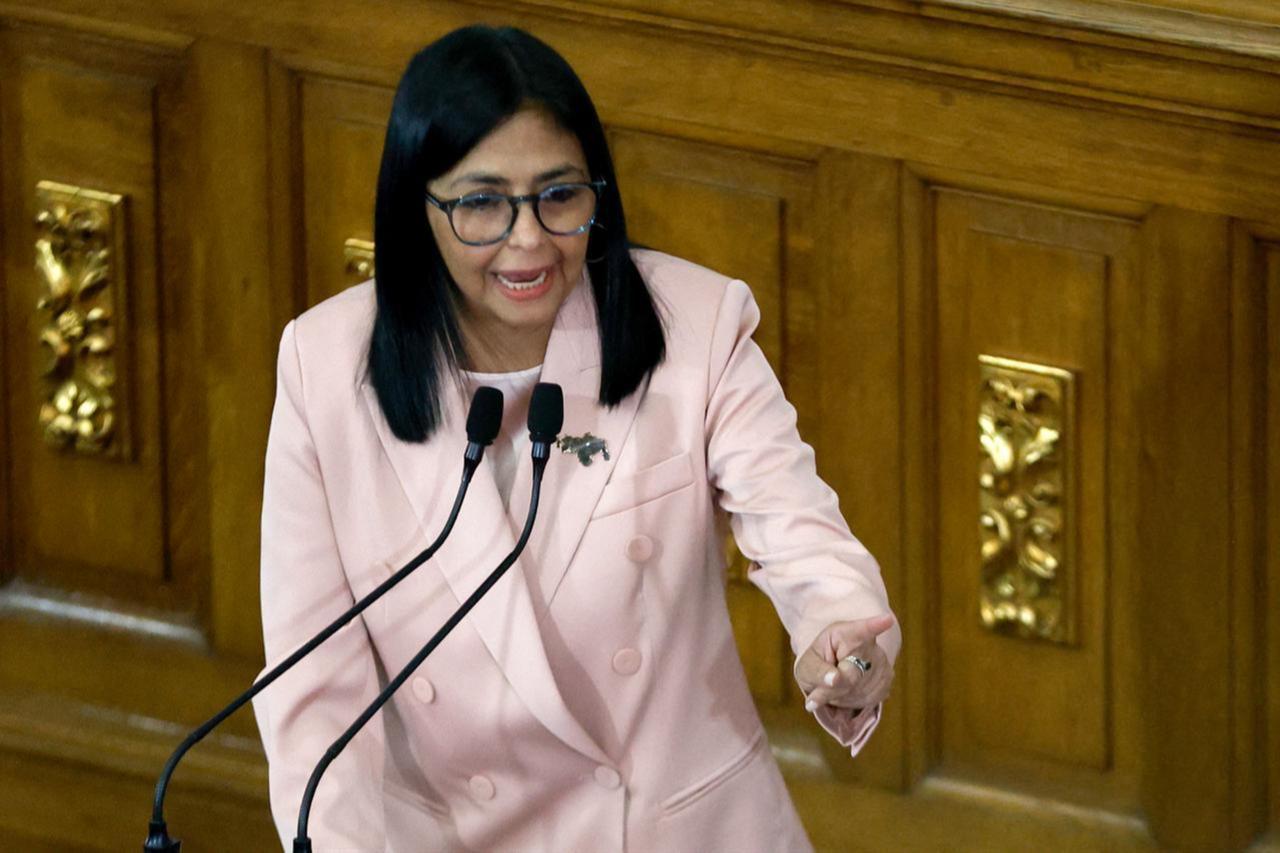
Rodriguez, who served as Maduro's vice president and was herself sanctioned by Washington as a senior figure in his government, stepped into the presidency in the aftermath and has moved steadily to align Caracas with Trump administration priorities. She signed into law in January a reform bill opening Venezuela's state-dominated oil sector to greater privatization and foreign participation, a key demand from Washington.
The diplomatic momentum accelerated this week when the US Embassy in Caracas resumed operations on Monday after a seven-year closure, the State Department confirmed. The reopening marked a concrete institutional step in the normalization process, following months of high-level engagement, including a visit to Miraflores Palace in early March by US Interior Secretary Doug Burgum.
Venezuela holds some of the world's largest proven oil reserves, and the Trump administration has pressed Caracas to expand access for American energy companies. Rodriguez's oil sector reforms have been designed, in part, to make the country more attractive to outside petroleum firms that had long been deterred by US sanctions and economic instability under Maduro.
Despite the shift in tone, Rodriguez faces competing pressures as she consolidates her hold on power. She dismissed former defense minister Vladimir Padrino Lopez, who had been among the officials sanctioned alongside her under the prior government, in mid-March. But Interior Minister Diosdado Cabello, also previously sanctioned and widely seen as a pillar of support for Rodriguez within the old Chavista establishment, remains in his post.
Cabello's continued presence in the cabinet underlines the constraints Rodriguez faces in reconfiguring her government while retaining the loyalty of figures whose backing underpins her authority. The balancing act between satisfying Washington's demands and holding together her political base is likely to define her tenure as she steers a country still emerging from years of economic collapse and political repression.


 Set as preferred source
 Set as preferred source


 1 min read
 1 min read