Newsletters





The United States has lost its measles elimination status after more than a year of continuous outbreaks, the Pan American Health Organization (PAHO) announced. PAHO is the World Health Organization's regional office for the Americas.
A panel of experts appointed by PAHO decided after a three-day meeting in Washington, finding that the measles virus has circulated without interruption for more than 12 months. The US declared measles eliminated in 2000.
Public health experts link the rise in cases to growing public doubt about vaccines, negative statements from federal officials and reduced resources for outbreak response.
Some experts say anti-vaccine statements by senior officials, including Health Secretary Robert F. Kennedy Jr., have contributed to the increase.
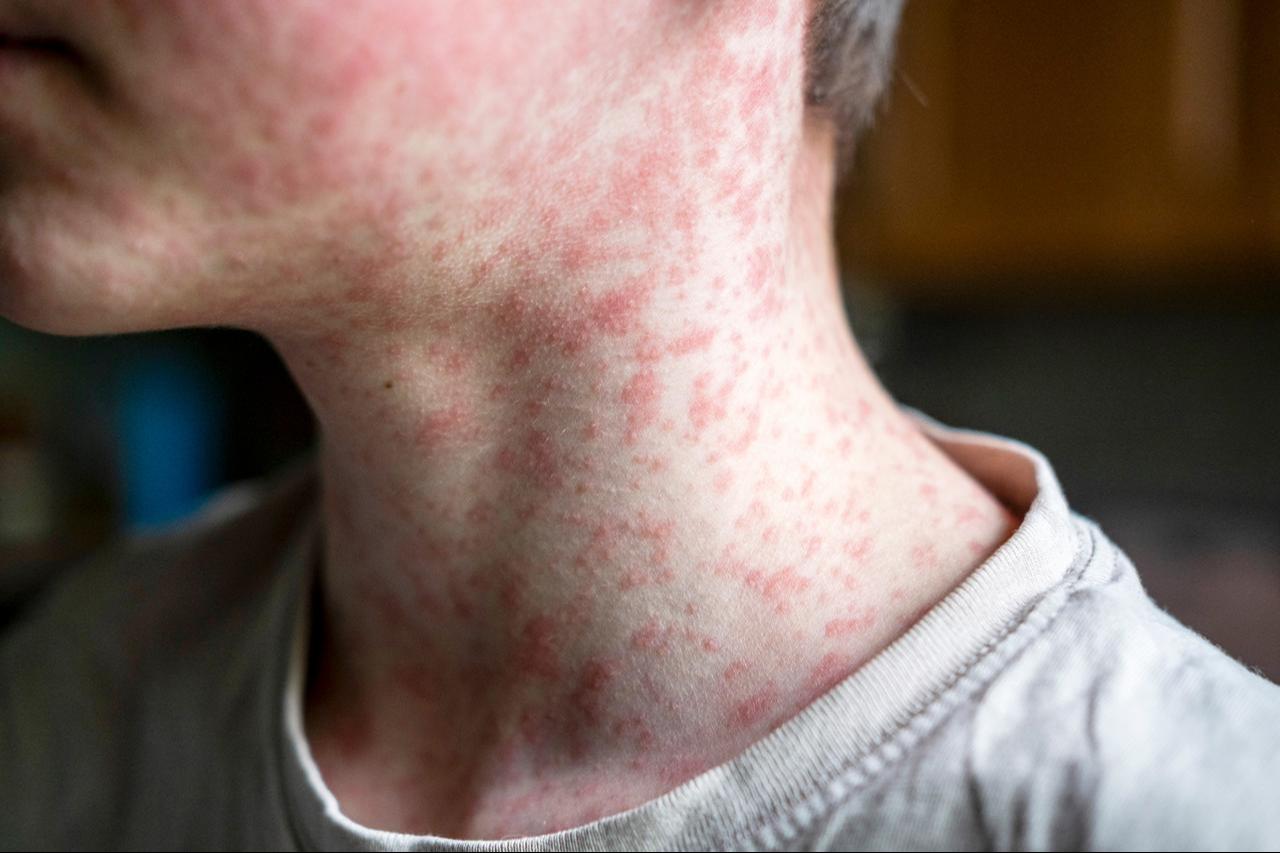

According to the Centers for Disease Control and Prevention (CDC), 5,412 confirmed measles cases have been recorded in the U.S. in 2026, well above the 2,289 reported in all of 2025. Cases last exceeded this level in 1991, when 9,643 were recorded.
Pennsylvania has reported more than 1,500 cases and six measles-related deaths. Experts say official figures may understate the real total because of limited testing and unreported mild cases.

The large majority of cases have been among unvaccinated people. Overall vaccination rates remain relatively high, but public health officials say coverage must stay above 95% to maintain community immunity. According to the CDC, about one in five unvaccinated people who contract measles in the U.S. is hospitalized.
Measles can also suppress the immune response and leave people more vulnerable to other infections.
The Infectious Diseases Society of America said before the decision that measles deaths in 2026 are unacceptable. It also warned that some infants infected this year could develop serious neurological disease years later.

Richard Besser, president and CEO of the Robert Wood Johnson Foundation and a former acting CDC director, linked the rise in cases to the current administration’s effects on the health system.
He said it is not surprising that the resurgence coincides with the spread of false information about vaccines.

A country is considered to have eliminated measles when the same strain of the virus does not circulate continuously for 12 months or longer.
Experts weigh local disease tracking, genetic sequencing, vaccination rates and surveillance work.
Experts say losing the status is largely symbolic, but it shows the virus has become established again and spreads freely among unvaccinated people.
Katelyn Jetelina, an epidemiologist at Yale University, said the decision indicates the virus has become entrenched in areas with low vaccination rates.
Canada and the United Kingdom also lost their elimination status within the past year. Since early 2025, large outbreaks have also occurred in West Texas, along the Utah-Arizona border and in South Carolina.


 Set as preferred source
 Set as preferred source


 4 min read