Newsletters


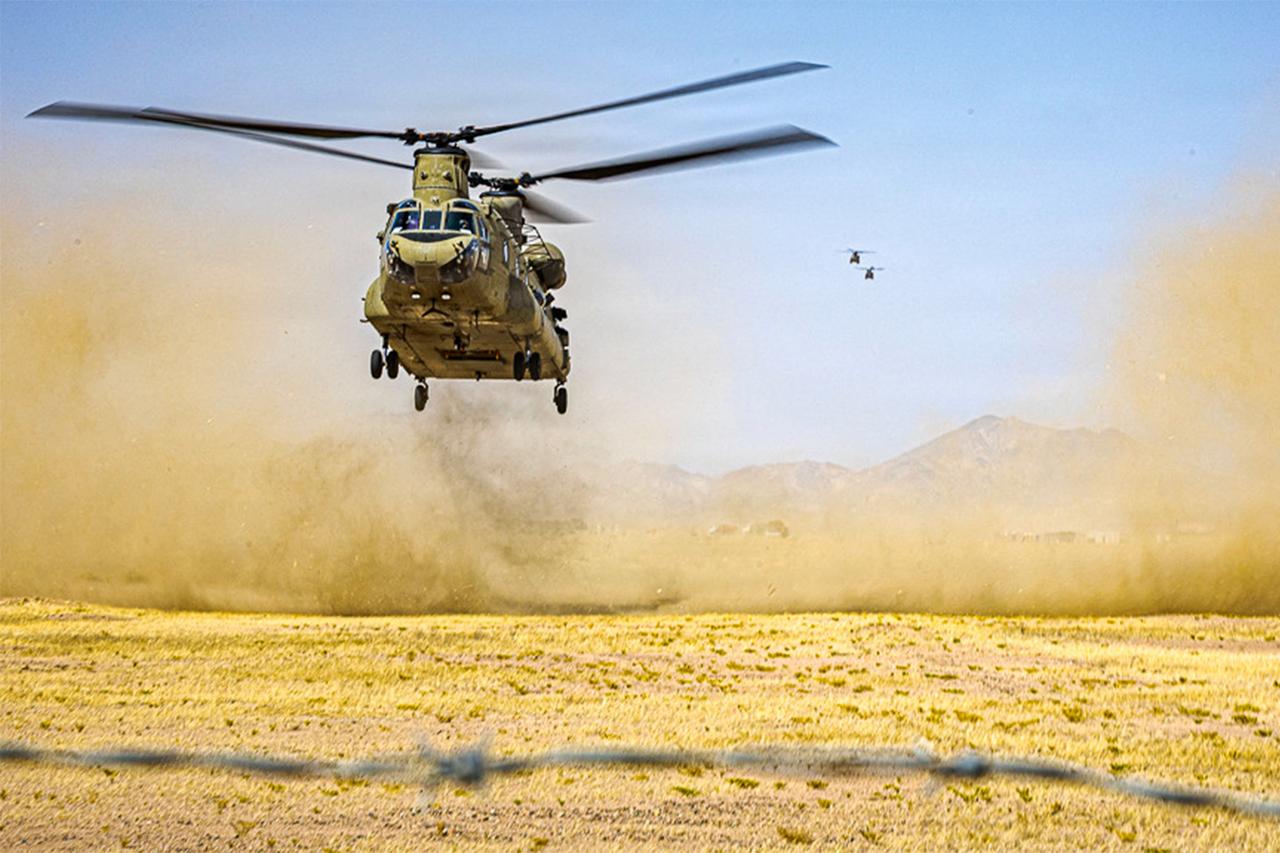


The U.S. military is laying groundwork for potential action involving Cuba, with the Army Reserve assessing whether it could provide military police, medical personnel and logistics units to U.S. Southern Command within the next four months, CBS News reported.
An internal Army message reviewed by CBS News does not mention Cuba directly, but multiple U.S. officials told the network that the request is connected to continued military planning focused on the island.
The document does not indicate that any military units have received deployment orders, and officials have not disclosed whether President Donald Trump or the Pentagon has authorized an operation.
The request comes as the Trump administration increases economic and political pressure on Havana and calls for changes to Cuba’s government.
According to CBS News, Army Reserve headquarters asked subordinate commands to assess the possible availability of six types of military formations that could operate under U.S. Southern Command.
The units could potentially be required within 90 to 120 days, according to the message, with commands asked to provide assessments by Sept. 25.
The formations include a combat sustainment support battalion responsible for logistics such as transportation, maintenance, fuel and supplies, as well as an engineer battalion and an expeditionary sustainment command.
The Army Reserve also sought information on the availability of a medical brigade and a forward surgical unit capable of providing emergency and trauma care near deployed forces.
A military police brigade was also among the formations under consideration. Such units can carry out security, detention and other law enforcement-related missions.
The document does not specify how many troops could be required, where they might be sent or what operation they could support.
U.S. Southern Command, known as SOUTHCOM, is responsible for U.S. military operations across Central and South America and the Caribbean.
A SOUTHCOM spokesperson declined to discuss specific movements or possible deployment timelines, citing operational security, but told CBS News that the command continually works with other branches of the military to evaluate possible requirements across its area of responsibility.
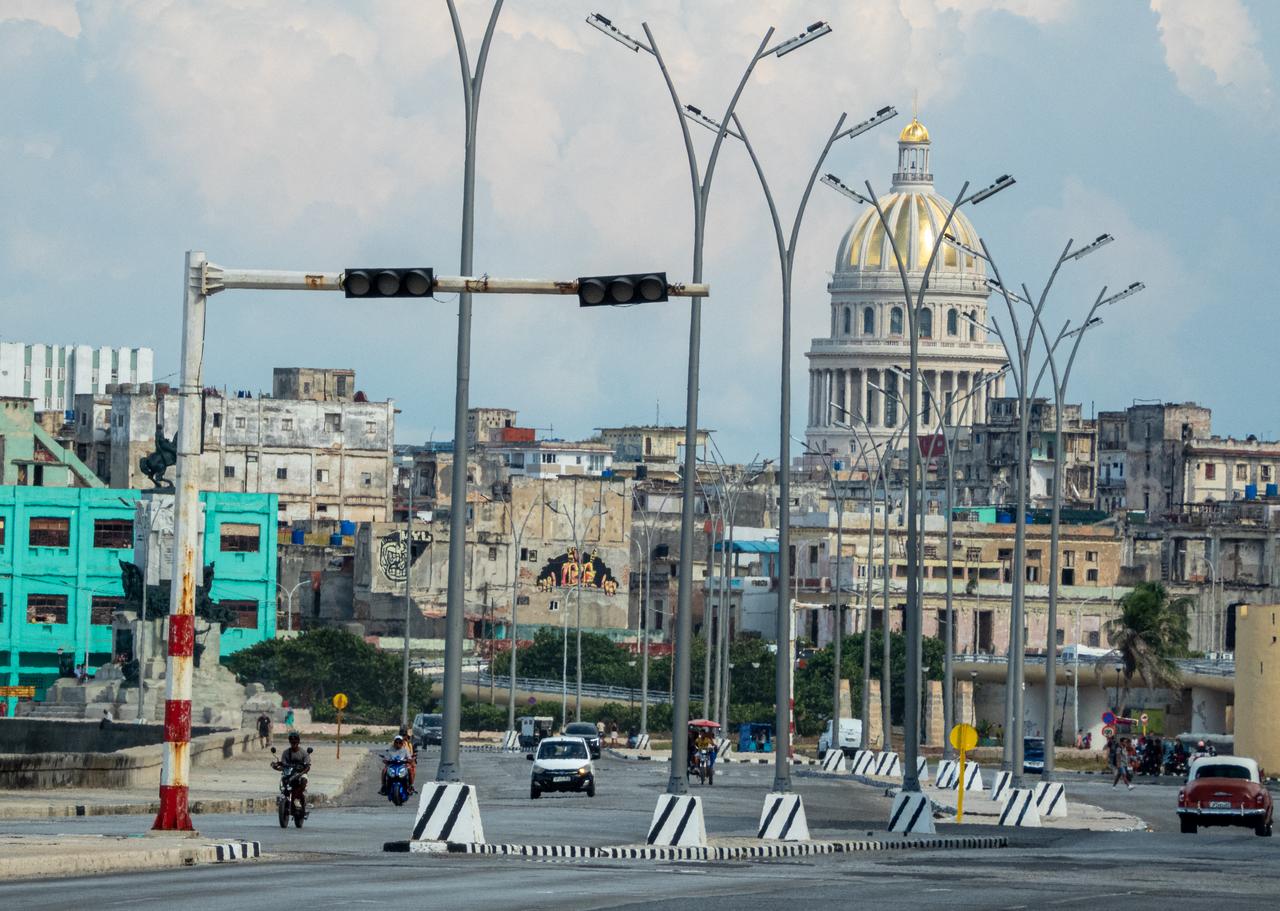

The latest preparations follow other U.S. military planning involving Cuba this year.
American forces previously carried out reconnaissance of maritime approaches and areas of the seafloor around Cuba, several U.S. military personnel told CBS News.
Air components were also placed on heightened readiness and personnel were prepared for a possible deployment, although those plans were ultimately not carried out.
CBS News reported in July that U.S. military planners had examined several options involving Cuba, including a possible Army-led air assault involving thousands of soldiers from the 101st Airborne Division.
Officials stressed at the time that the planning did not mean Trump or the Pentagon had decided to authorize military action.
The network previously reported in May that U.S. intelligence officials were assessing how Havana might respond to possible American military action amid concerns in Washington over Cuba’s relations with Russia, China and Iran.
The military planning comes alongside stronger rhetoric and economic measures from the Trump administration toward Cuba.
Washington imposed new sanctions on Cuban entities and officials ahead of this week’s U.N. General Assembly, including measures targeting military-linked research and development organizations connected to the country’s nickel industry.
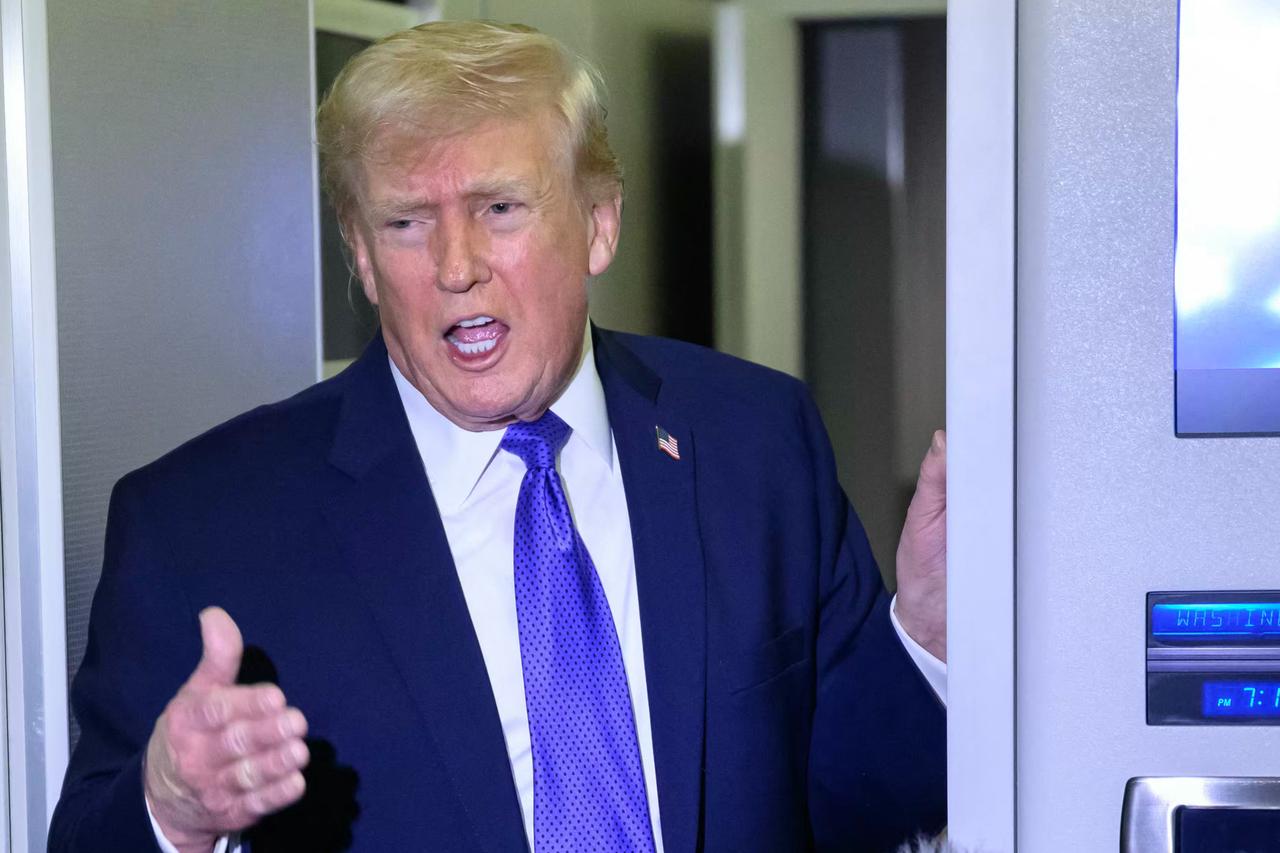
Speaking at the U.N. General Assembly in New York, Trump said his administration wanted a “fundamental change” in Cuba and predicted that the country’s communist government would fall.
He also said Secretary of State Marco Rubio was engaged in negotiations with Havana and said Washington would not allow foreign adversaries to strengthen their presence close to the United States.
Cuban President Miguel Diaz-Canel has said Cuba would resist any U.S. attack and accused Washington of aggression and economic warfare.
Trump has repeatedly raised the prospect of major change in Cuba this year, including saying in March that Cuba would be “next.”
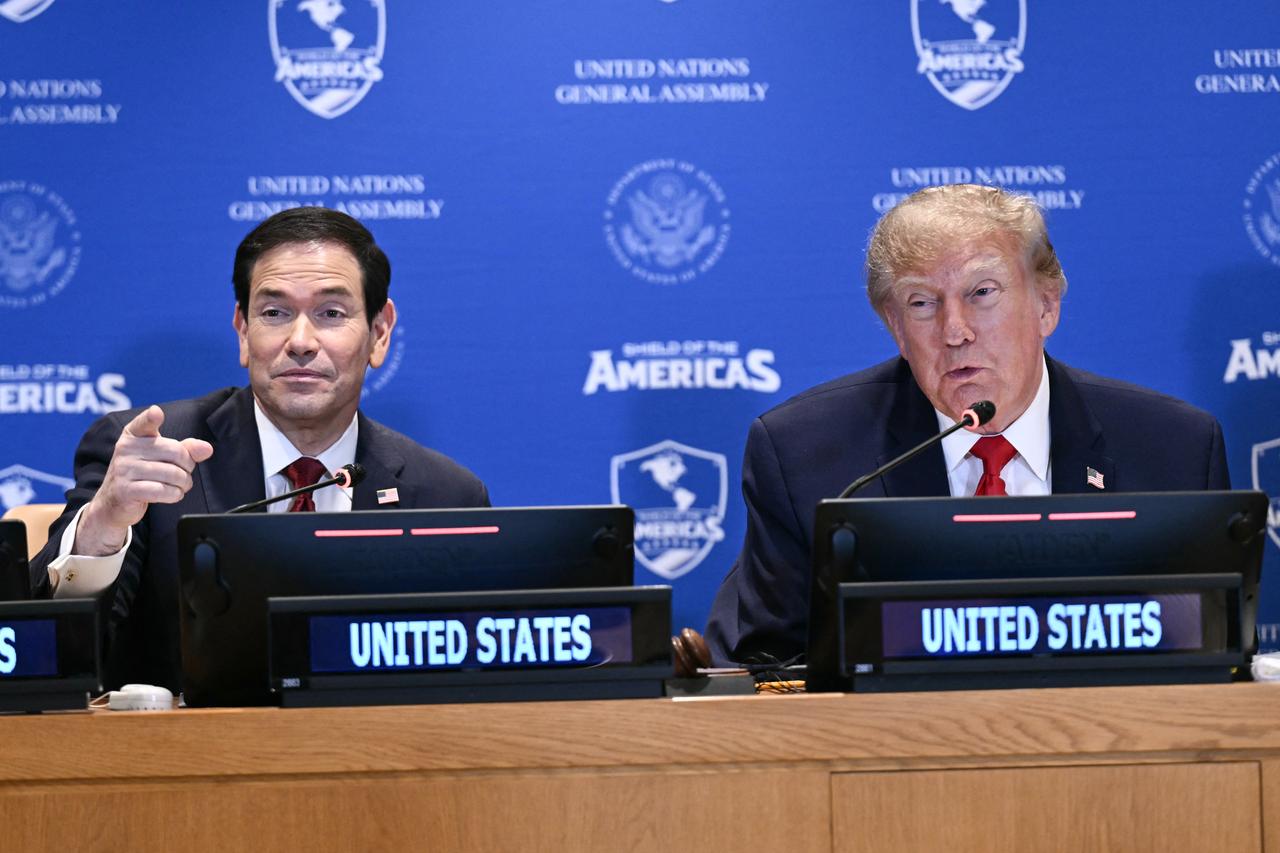
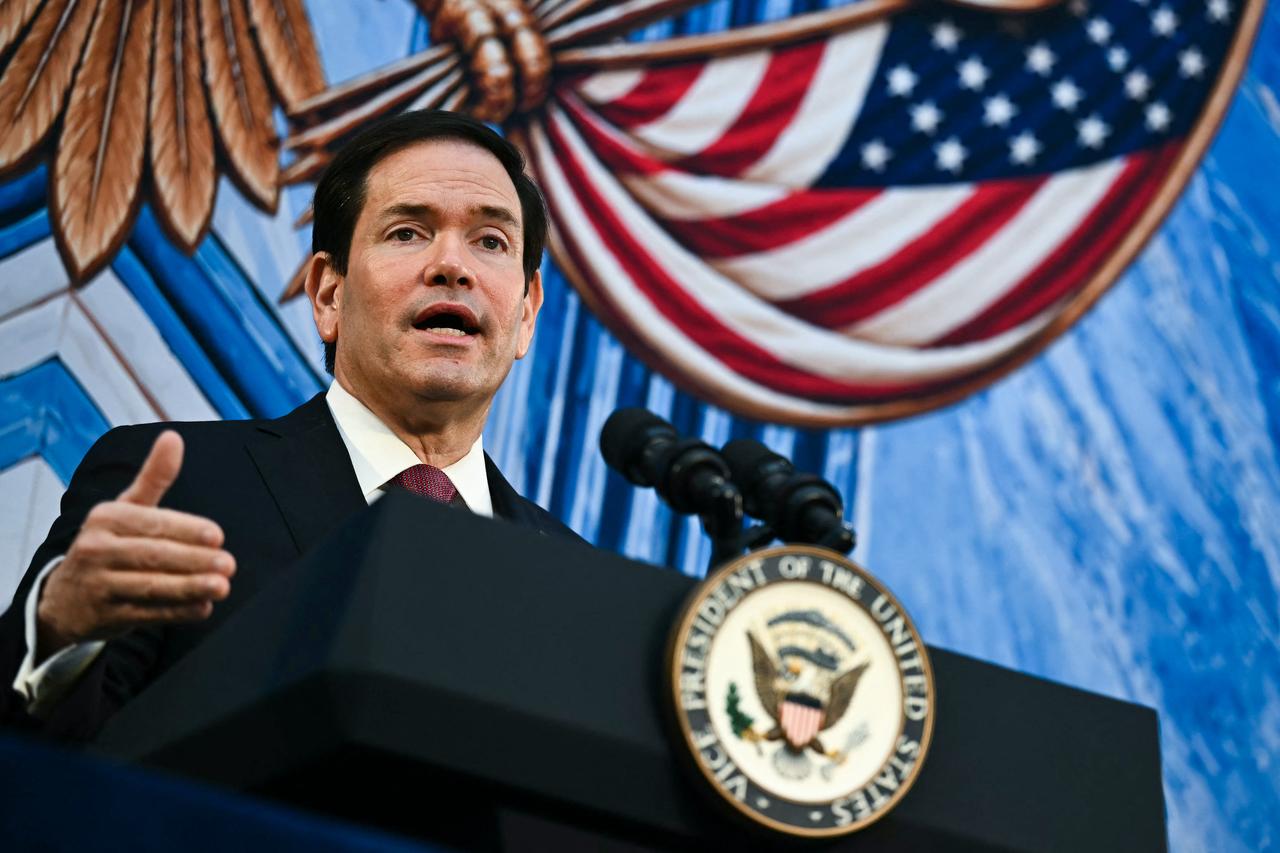
U.S. Secretary of State Marco Rubio announced sanctions against 11 entities and individuals linked to the development of Cuba’s military capabilities and the exploitation of its mining sector.
“The United States will keep exposing and sanctioning those who sustain this system,” Rubio said in a post on X.
He accused the Cuban government of threatening U.S. national security and said the new measures target actors involved in activities supporting the country’s military capabilities and mining sector.
The sanctions were imposed under an executive order by Trump authorizing measures against foreign persons involved in specified activities related to Cuba, including the defense, metals and mining, energy, financial services and security sectors.
The designations include four state-run enterprises linked to Cuba’s nickel reserves, four military enterprises involved in research and development, including weapons systems, and three military officials, according to details of the sanctions.
The measures target Cuba’s mining and military sectors, which Washington said contribute to the Cuban government’s control over the island’s resources and development of its military capabilities.
Rubio also accused Cuba’s leadership of using the island’s resources to support its “repressive security apparatus,” while ordinary Cubans face blackouts and food shortages.
“The regime elites continue to hoard the island’s resources for themselves and Cuba’s repressive security apparatus,” Rubio said.
The measures are part of a broader series of sanctions imposed by the Trump administration against Cuban entities and individuals.
The U.S. has maintained broad sanctions on Cuba for decades, while the executive order established a separate sanctions program targeting specified sectors of the Cuban economy.


 Set as preferred source
 Set as preferred source


 1 min read
 1 min read