Newsletters


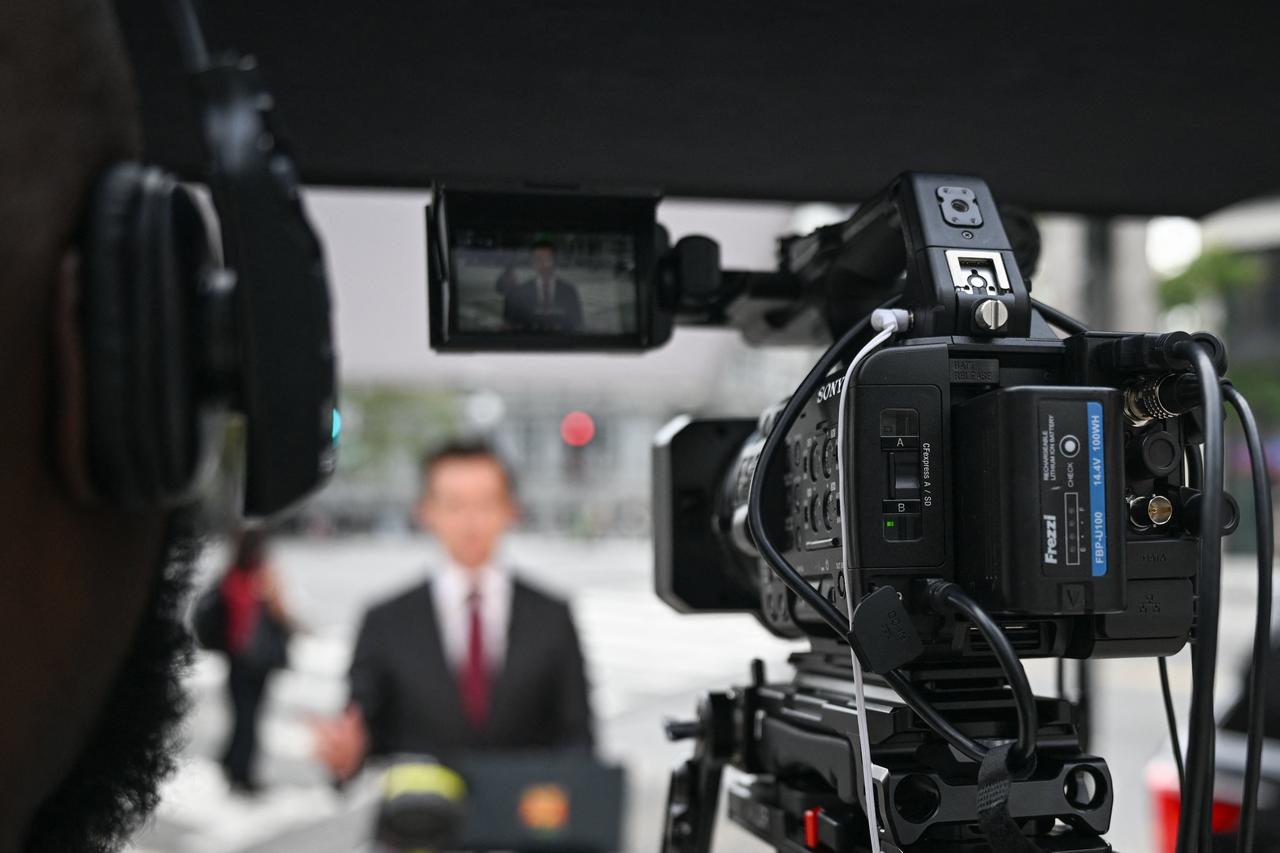


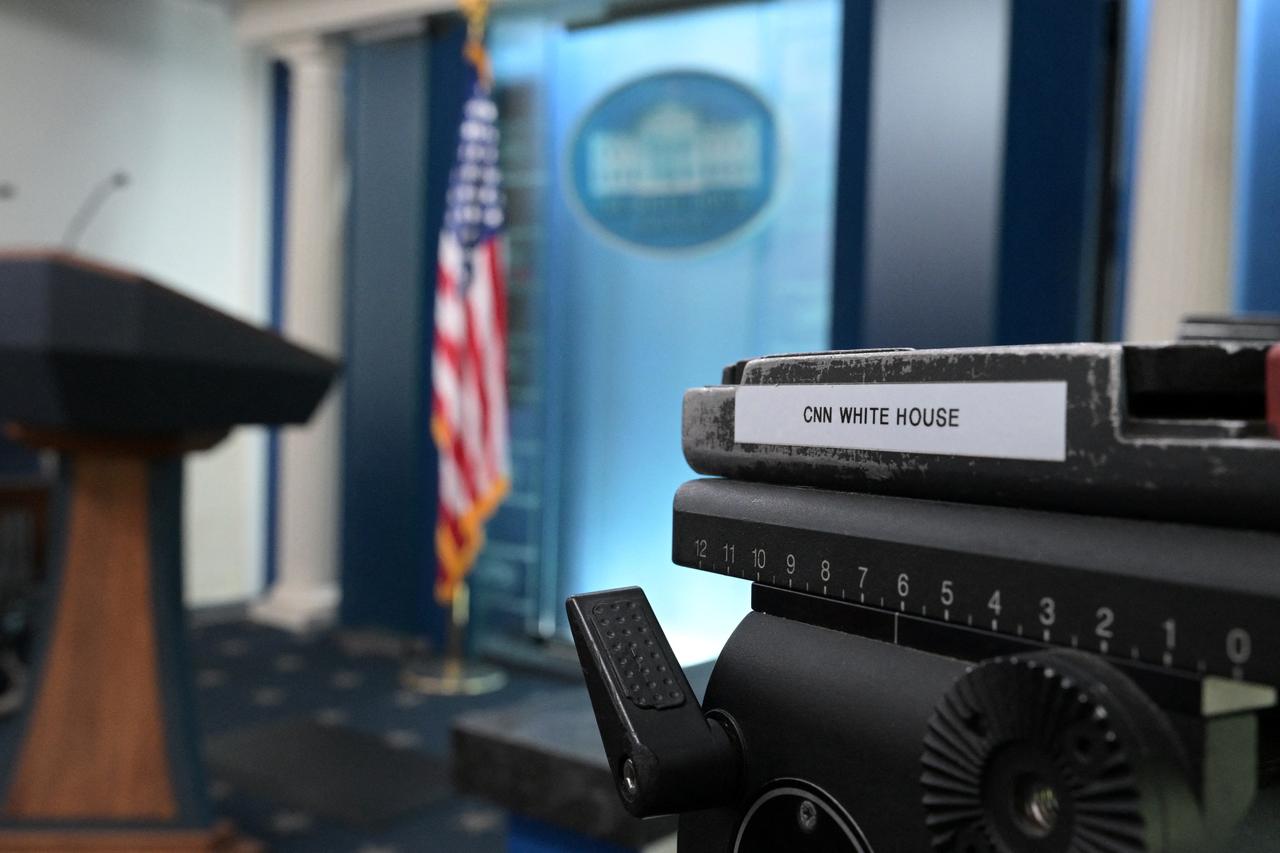
Major American television networks halted their coverage of President Donald Trump on Monday in a coordinated show of defiance after the White House barred three news organizations, CNN, MS NOW and Politico, from its premises, triggering a legal battle over press freedom and leaving Trump's meetings with foreign leaders at the United Nations without live broadcast.
ABC, CBS, CNN, Fox and NBC announced they were suspending the "pool" system, under which one network films White House events on behalf of all broadcasters for the day, in solidarity with CNN, which had been scheduled to lead Monday's coverage.
In a joint statement, the five networks said the public had a vital interest in receiving accurate, independent information about its government, adding that no administration should restrict a news organization because it objects to its reporting.
The blackout meant there was no live television footage of Trump's meetings with world leaders at the UN General Assembly in New York, an annual gathering closely followed internationally.
It also affected coverage closer to home: the ribbon-cutting for a new granite helipad on the White House South Lawn was streamed only on the administration's own website, with Trump's remarks inaudible. Several photo news agencies, including AFP, delayed releasing images from the helipad event in a further gesture of solidarity with the banned outlets.
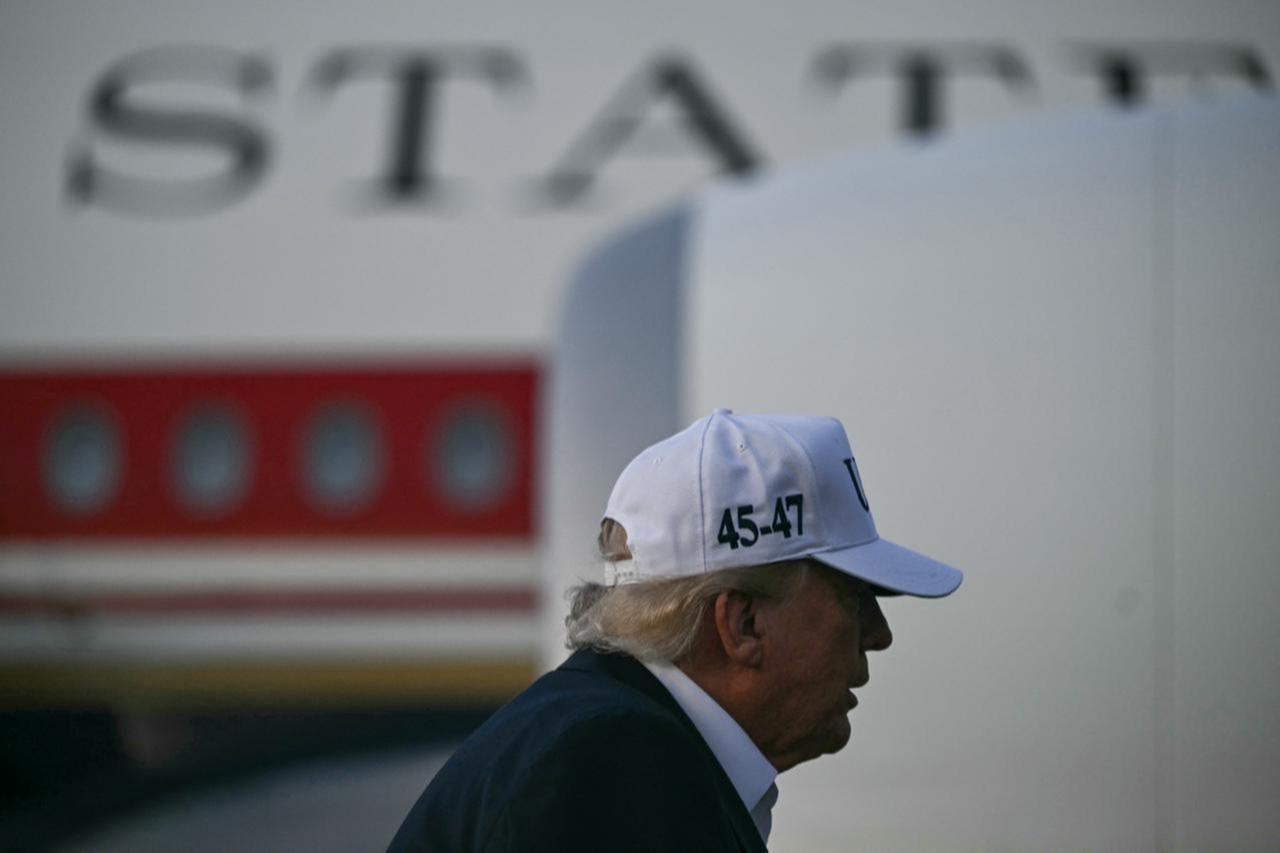

CNN, MS NOW and Politico went to court over the ban, which Trump ordered on Friday. The three organizations sought a temporary restraining order, arguing the move violated the First Amendment protection of a free press. In their filing, the outlets said the ban could not be a more direct assault on constitutional principles.
A US district judge has scheduled a hearing on the matter for Wednesday.
The restrictions went beyond removing office space at the White House. Journalists from the three organizations were denied access to the White House grounds on Saturday and had their press credentials confiscated.
Trump showed no sign of backing down, describing the media as a "cancer" and a threat to national security in a post on his Truth Social platform. He said the White House was not moving against the free press, which he said he cherished, but against what he called "FAKE NEWS."
Vice President JD Vance, a former CNN commentator before entering politics, accused the barred outlets of spreading "left-wing propaganda." He told reporters the organizations could still report and retained their free speech rights, but would no longer have an office inside the White House.
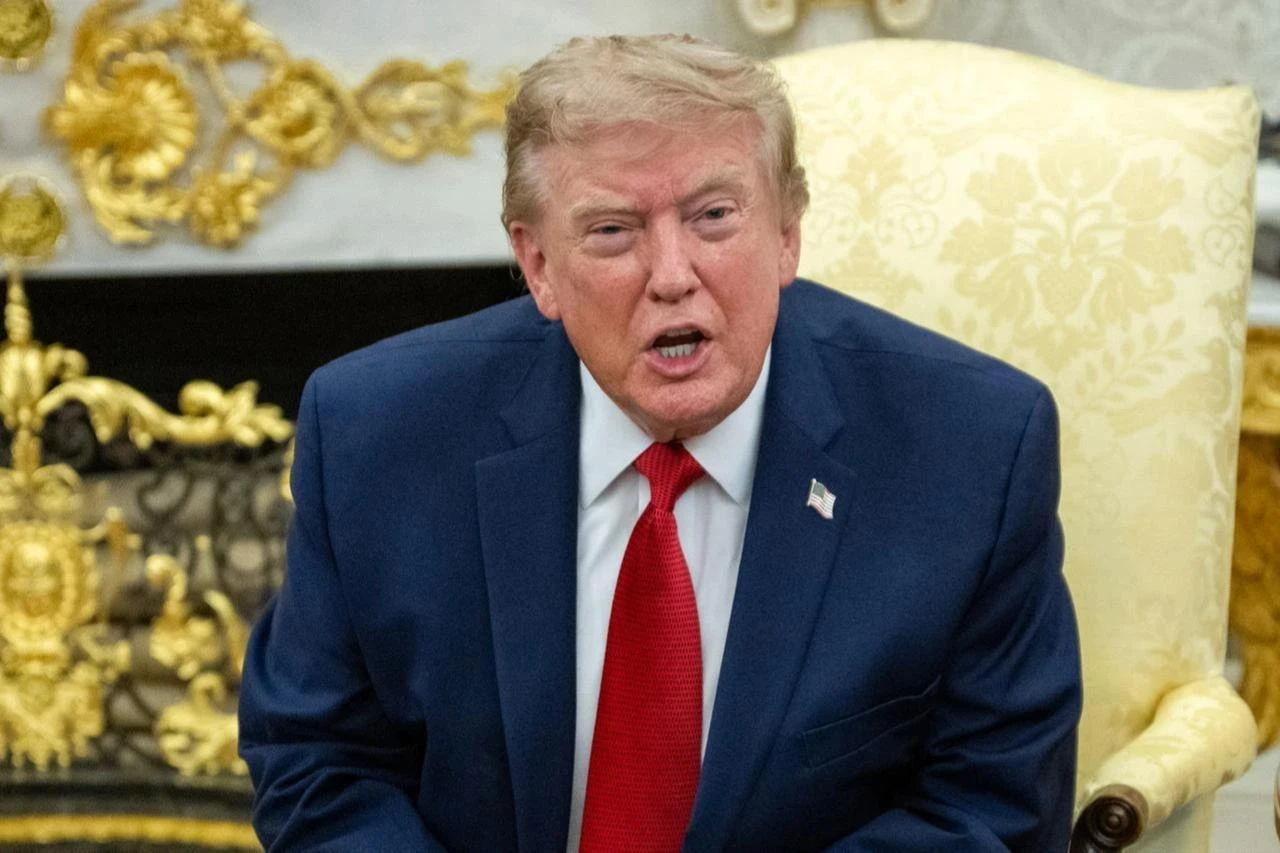
Trump has not fully explained what prompted the ban. Asked by an AFP reporter in the Oval Office on Friday, he said it stemmed from "cumulative stories over the last two years." He also warned that other news outlets could face similar action, without specifying which ones.
The dispute is the latest escalation in Trump's years-long confrontation with the American media. The former reality television star has repeatedly criticized outlets that published critical coverage of his campaigns and administrations, frequently describing the press as the "enemy of the people."
The ban comes as Trump's approval ratings sit at record lows, his Republican Party faces the risk of losing control of Congress in the November midterm elections, and the war in Iran continues without resolution. It also unfolds during a sensitive diplomatic week, with Chinese President Xi Jinping visiting the White House.


 Set as preferred source
 Set as preferred source


 1 min read
 1 min read