Newsletters


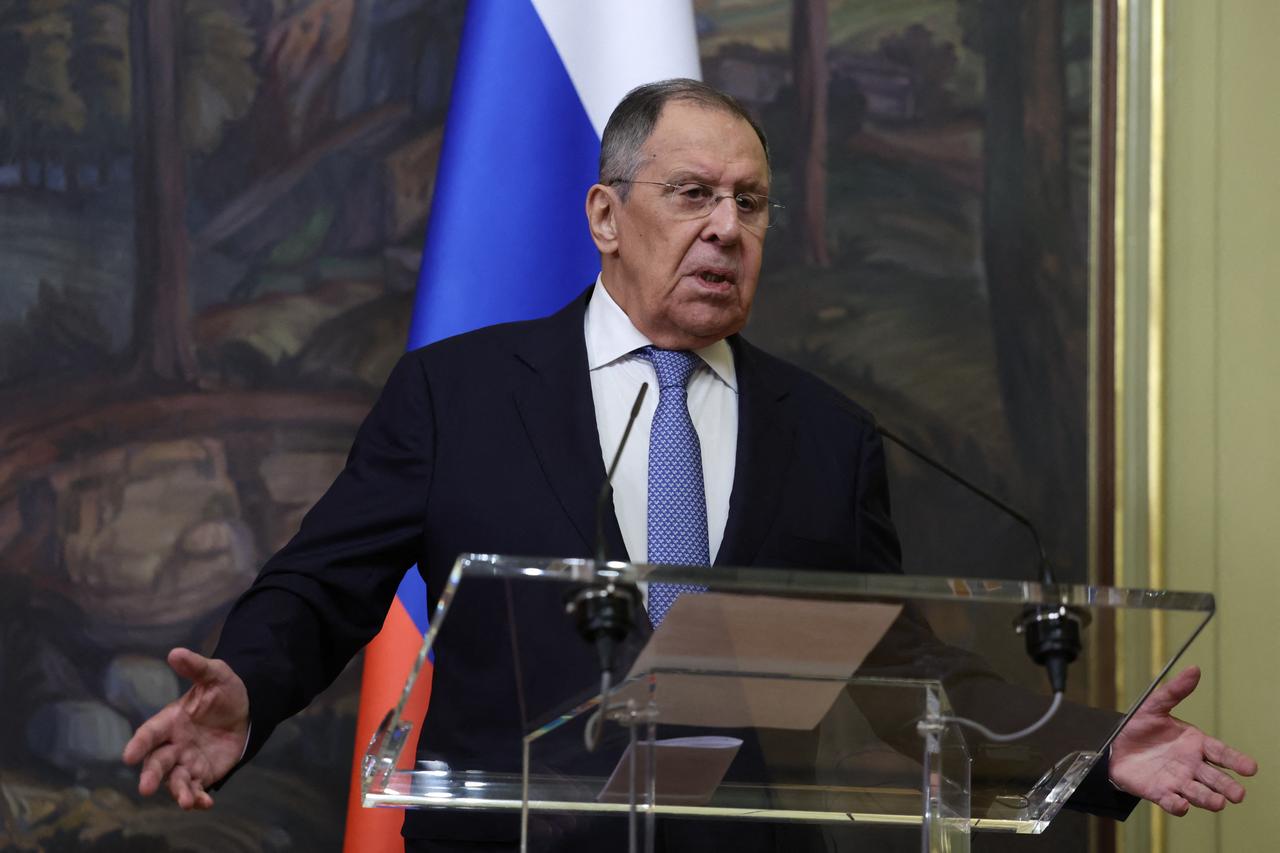


Russia said Tuesday that the United States appeared to be moving away from any claim to act as an "objective mediator" in efforts to end the Ukraine war.
Foreign Minister Sergei Lavrov accused Washington of increasing sanctions pressure on Moscow.
He made the remarks during a meeting with foreign envoys in Moscow, where he also said Russia was ready to take all measures provided under its treaty with Belarus to ensure the security of its ally and the Union State.
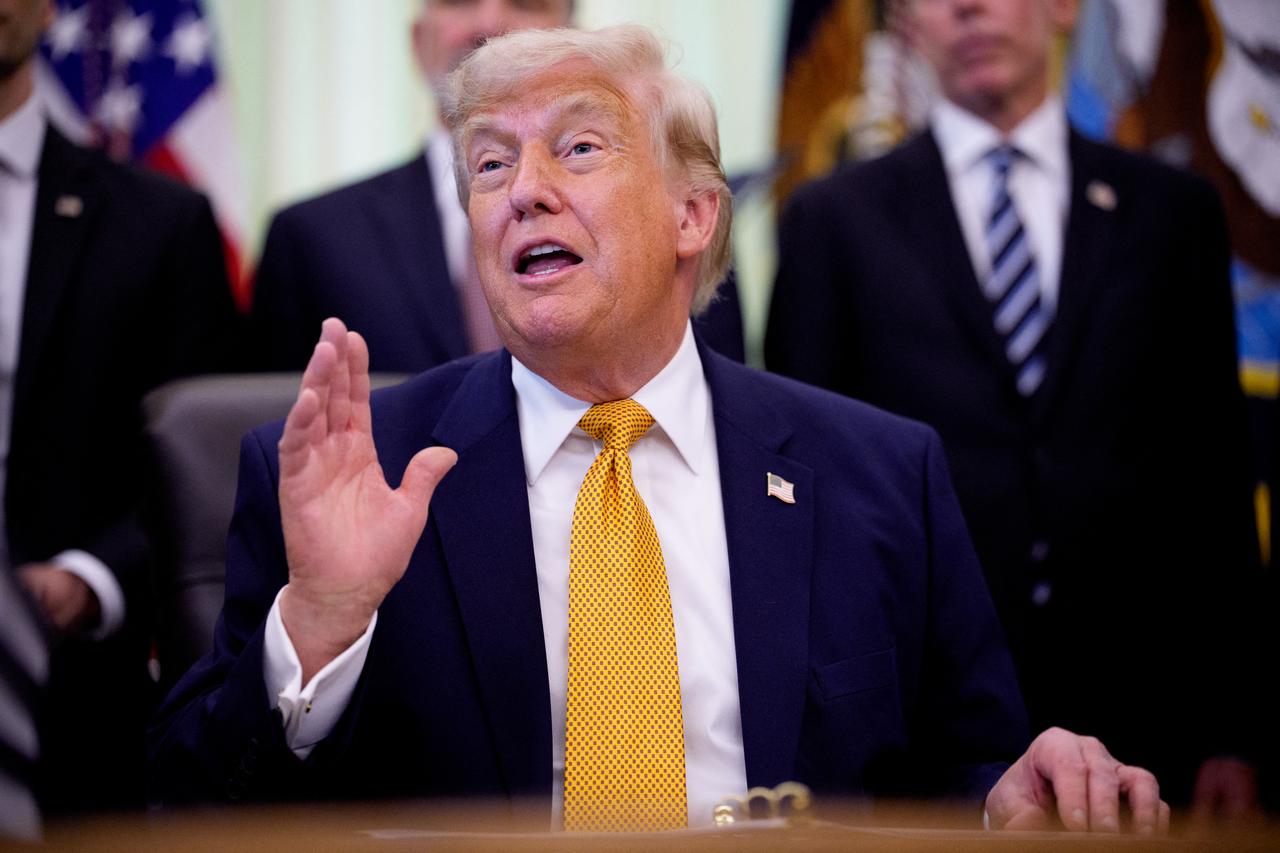
U.S.-led talks on ending Europe's deadliest conflict since World War II remain effectively frozen, as President Donald Trump has shifted his attention toward the Middle East after ordering strikes on Iran in late February.
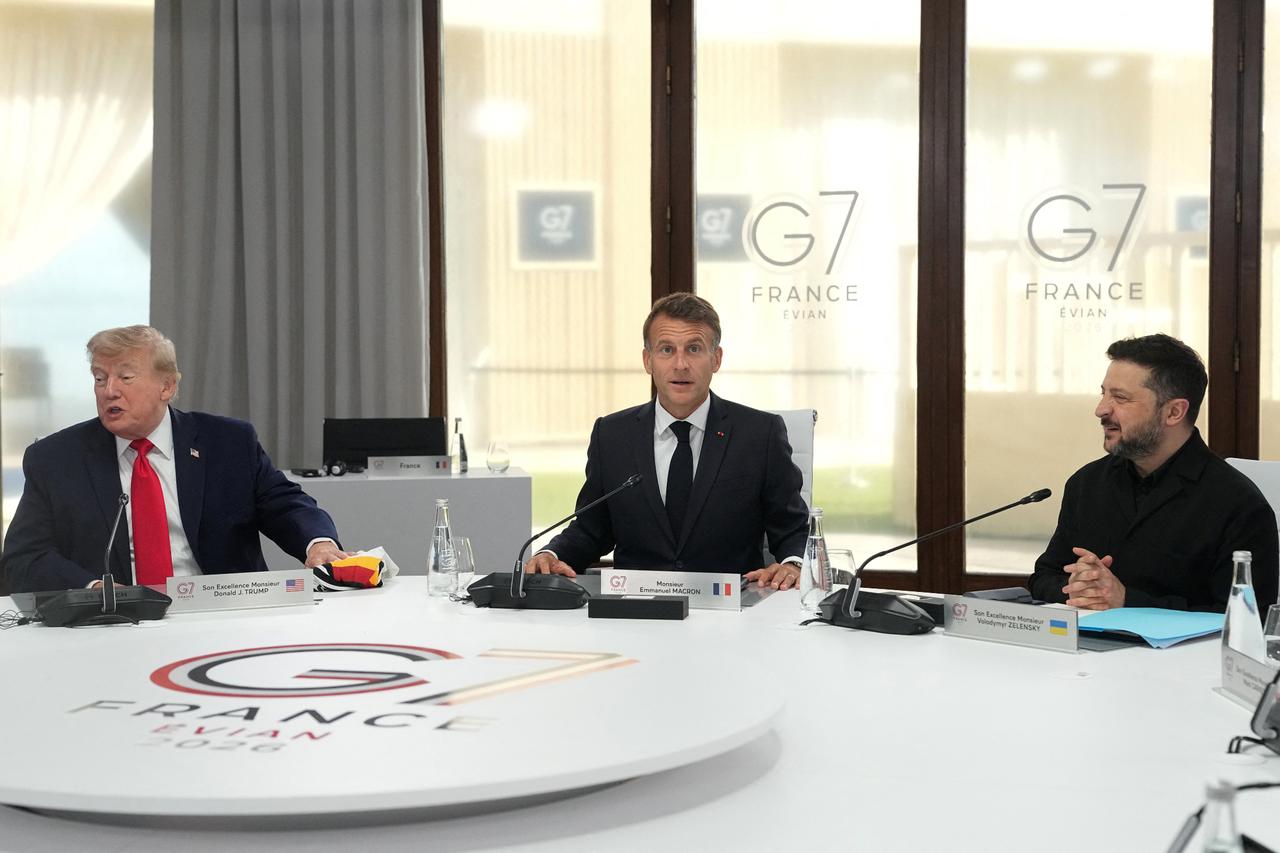
During a summit in France earlier this month, G7 leaders, including Trump, agreed on a final statement that included references to the Ukraine war. That contrasted with last year's meeting, when Trump walked out early.
The G7 leaders also agreed to increase supplies of air defense equipment to Ukraine and to raise pressure on Russia's "war economy" by strengthening sanctions, including measures targeting Moscow's fossil fuel revenues.
"As for the United States, judging by their actions, they appear to be abandoning any claim to the role of an objective mediator and are instead pursuing a course of escalating sanctions pressure on Russia," Lavrov said.

Lavrov said Europe was again becoming "a major threat to international peace and security" by providing military support to Ukraine.
He said Europe wants a ceasefire in order to gain a pause to supply Ukraine's armed forces with more weapons and deploy what he described as a "coalition of the willing."
Lavrov also said modern-day European Union policies follow what he called "Nazi values" and that Europe was becoming a major threat to international security.
He accused European countries of interfering with assessments of negotiations and "trampling all sprouts of common sense" from the Trump administration.
Lavrov said Europe was relying on what he called "terrorist methods" by the Kyiv government while Ukraine's army was losing positions on the battlefield.
He said attacks on Starobilsk and on a bus carrying Belarusian children were deliberate and were intended to sow panic, but added that "nothing will come of it."
Lavrov also said the real goal of the West was to "save" Ukrainian President Volodymyr Zelenskyy under the cover of negotiations.
He said the recommendation for foreign countries to evacuate their diplomats from Kyiv remained in force.
Since returning to the White House in 2025, Trump, who had pledged to end the Ukraine war within a day of taking office, has pushed both sides to engage in negotiations.
There has been little progress in U.S.-brokered shuttle diplomacy between the neighbors, with Kyiv refusing to give in to Moscow's maximalist demands and Russia refusing to drop them.
Russia, which launched its offensive in 2022, has demanded that Ukraine pull out of its eastern Donbas region, parts of which Kyiv's army still controls, as a precondition to peace talks.
Ukraine has ruled that out, saying such a move would only embolden Moscow.
Lavrov said it was necessary to ensure Ukraine's neutral, non-nuclear and non-aligned status in practice.
He also said that what he described as discriminatory laws against the Russian language and the Orthodox Church must be repealed.
In separate remarks about Zelenskyy, Lavrov said, "A Fuhrer is a Fuhrer," adding that Zelenskyy had been appointed to that role after being taken from amateur performance, but that "this image turned out to be contagious."
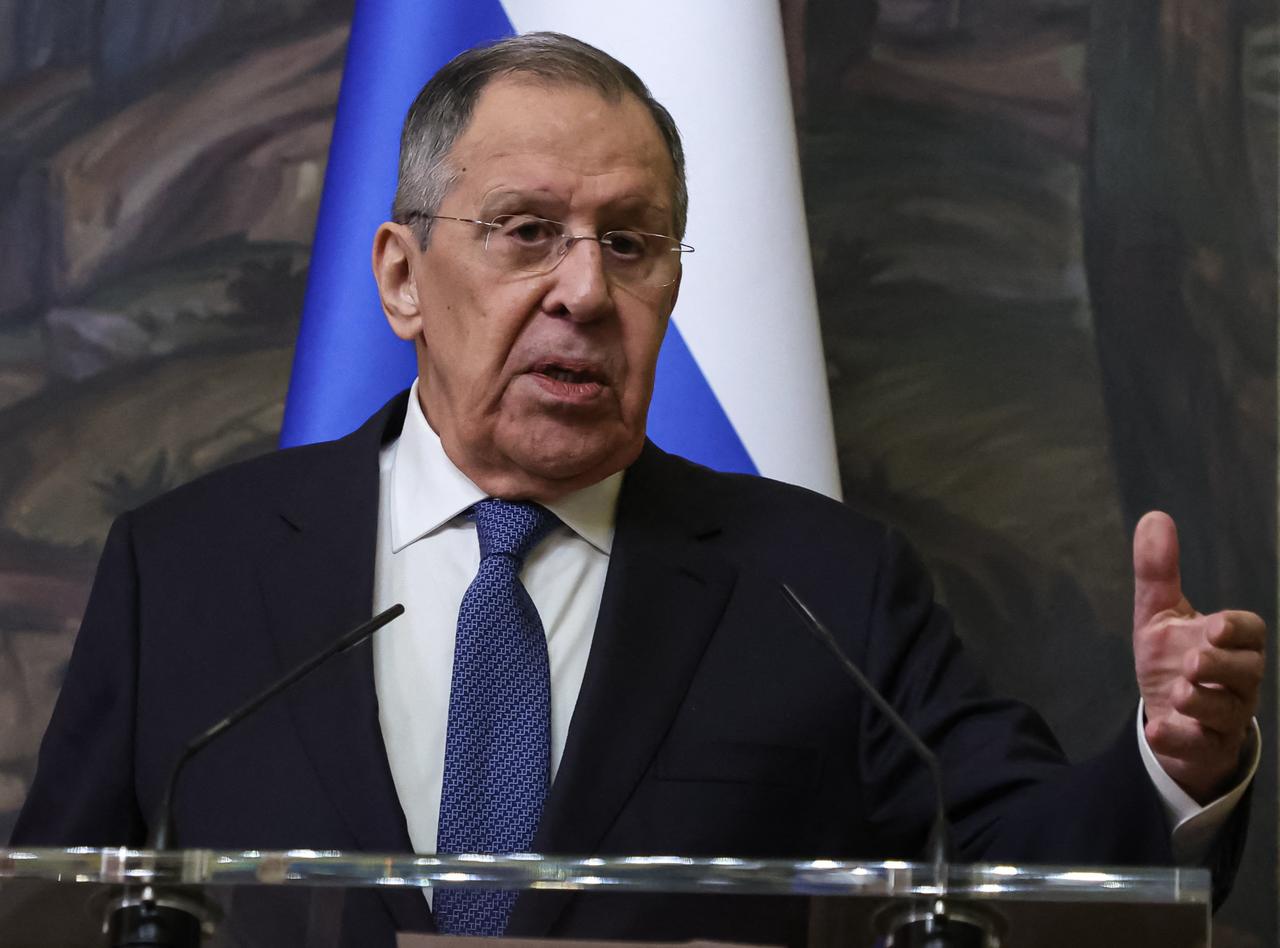
Lavrov said Russia would help Belarus in the event of external aggression.
"We are ready to undertake the entire set of measures provided for by the treaty to ensure the security of our ally and, of course, the security of the Union State," Lavrov said at the 12th embassy roundtable at the Diplomatic Academy.
He described Zelenskyy's demand to "restore order" in Belarus as rude.
Lavrov added that Minsk was being drawn directly into the conflict in an attempt to expand the geography of hostilities.
He also said the effect of the Ukraine crisis was multiplying "like circles on water."
"These events around Ukraine are spreading wider and wider, like circles on the surface of water. They have already covered all of Europe and not only that. Echoes are being felt on other continents," Lavrov said.


 Set as preferred source
 Set as preferred source


 2 min read
 1 min read