Newsletters


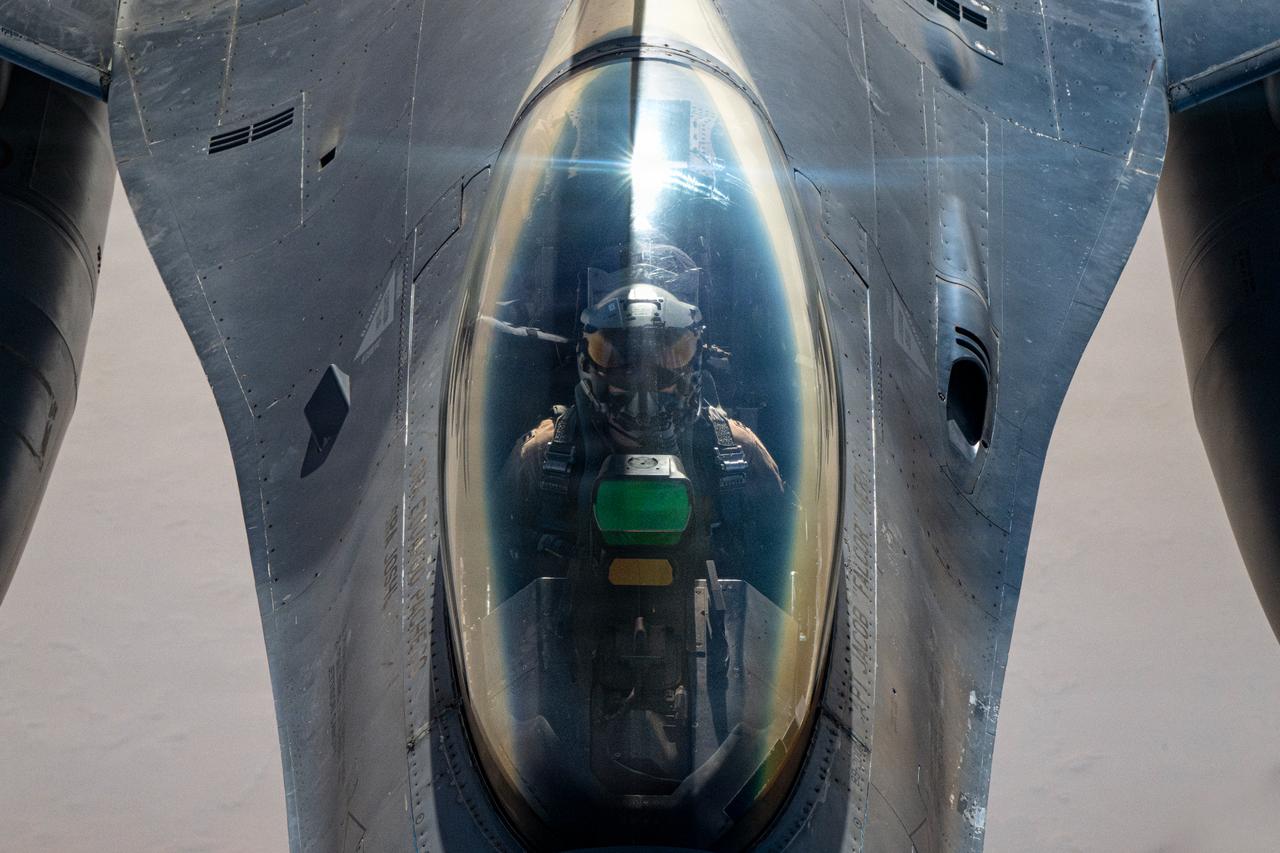


The United States has presented NATO allies with detailed proposals to reduce the military capabilities it assigns to the alliance's rapid response force.
The proposal includes the removal of one of two U.S. aircraft carrier strike groups, all submarines capable of launching cruise missiles such as Tomahawks, and a significant reduction in fighter jets and maritime patrol aircraft, according to people familiar with the discussions, as reported by the Financial Times (FT).
The proposed cuts come ahead of NATO's annual summit in Ankara next month, where shifting the military burden to European allies is expected to dominate talks, and as some European defense officials warn that Russia could exploit a "window of opportunity" to attack the Baltic States as early as 2028.
German media published a leaked list of the U.S. assets Washington wants to withdraw from the NATO Force Model, the alliance's pool of forces and equipment deployable within 10 days to respond to a crisis.
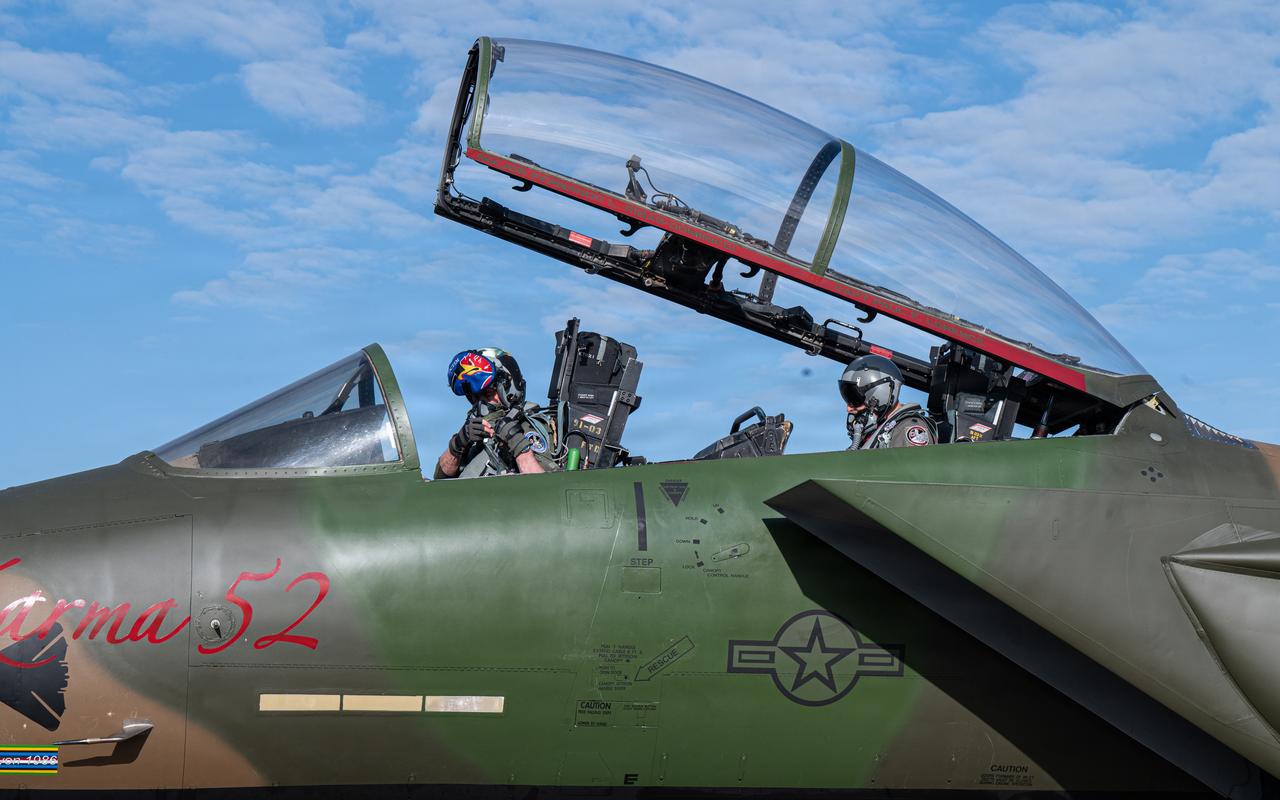
Beyond the carrier strike group and all cruise missile submarines, the proposals would reduce the number of U.S. P-8 Poseidon maritime patrol aircraft used to track submarines, cut aerial refueling aircraft from 79 to 63, and reduce the number of F-16 and F-15E fighter jets assigned to NATO from 153 to 99.
The Pentagon referred questions to a statement from U.S. European Command, which said that Elbridge Colby, the undersecretary of defense for policy, was leading the overhaul "to ensure Europe takes primary responsibility for its own conventional defense in response to the security threats it faces."
The statement added that Alexander Velez-Green, chief of staff and senior counselor to Colby, notified allies during a meeting of defense policy officials in Brussels on May 22.
"There has been an unhealthy codependence in the NATO Force Model on US forces," said General Alexus Grynkewich, commander of U.S. European Command.
"The change is also premised on the fact that non-US NATO Allies are increasingly capable of fielding the preponderance of forces required to defend the Alliance," he added.

European allies said they lacked clarity over the scope and timing of Washington's plans.
"We still don't know if these reductions will happen in two, three, or five years," one European official told the FT.
A second official said U.S. interlocutors had sought to calm capitals by noting that many of the affected capabilities already existed in European militaries, albeit on a smaller scale.
The proposed cuts come as President Donald Trump moves to scale back the U.S. military presence in Europe and shift attention toward Asia and the Western Hemisphere.
Washington recently announced plans to withdraw 5,000 troops from Germany and cancel the deployment of a long-range fire battalion scheduled to arrive there later this year.
The commander of Latvia's armed forces, General Kaspars Pudans, told the FT that Russia could exploit a "window of opportunity" by the end of 2028 to invade the Baltic states after gaining an edge in drone warfare over NATO countries.
German military and intelligence officials have separately estimated a Russian attack on NATO territory could happen by 2029.
Speaking to the publication, Carlo Masala, a professor at Bundeswehr Munich University, said the cuts were "a signal that the US is no longer as committed to Europe's defense as in the past. And it is only half of the picture, the other half being how many troops are going to be pulled out of Europe."
He said the asset list, which would affect maritime power projection more than land power, would weaken deterrence in the Atlantic Ocean and on NATO's southern flank more than its eastern flank.
Speaking to the Financial Times, Matthew Savill at the Royal United Services Institute in London offered a more measured assessment.
"The NATO Force Model covers contingency planning, so this just means that the 'assumed bill' for support is changing," he said.
NATO said in a statement: "Historically, there has been an over-reliance on US forces and capabilities. But as Europe and Canada are investing more in defense and developing more capabilities, the balance of responsibility can shift. This change strengthens NATO's defense plans by reducing over-dependence on one ally and is a reflection of a broader shift happening within the alliance. This is about putting NATO on a more sustainable footing for the decades to come."


 Set as preferred source
 Set as preferred source



 2 min read