Newsletters


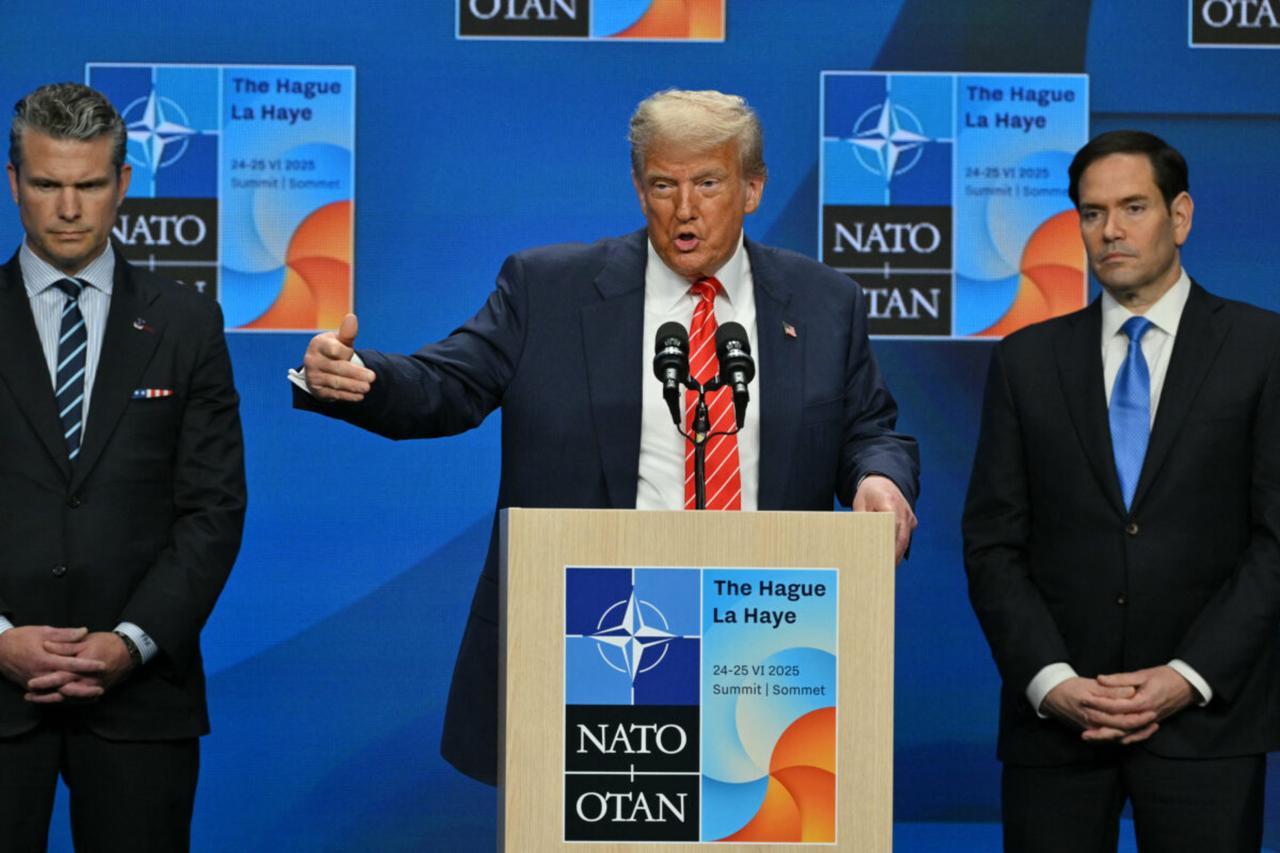


The Trump administration is planning to sharply reduce key military capabilities committed to NATO, including aircraft, drones and naval assets, according to reports by Der Spiegel and Reuters.
Der Spiegel reported Tuesday that a senior Pentagon official briefed European allies during a confidential meeting at NATO headquarters in Brussels last week, telling them the U.S. plans to significantly reduce its military contributions to the alliance and urging them to move quickly to close the gap.
Reuters also reported that the Trump administration is planning to tell NATO allies this week that it will shrink the pool of U.S. military capabilities available to support European members of the alliance during a major crisis, citing three sources familiar with the matter.
The planned changes concern the NATO Force Model, a framework under which alliance members identify forces that could be activated during a conflict or another major crisis, such as an attack on a NATO member.
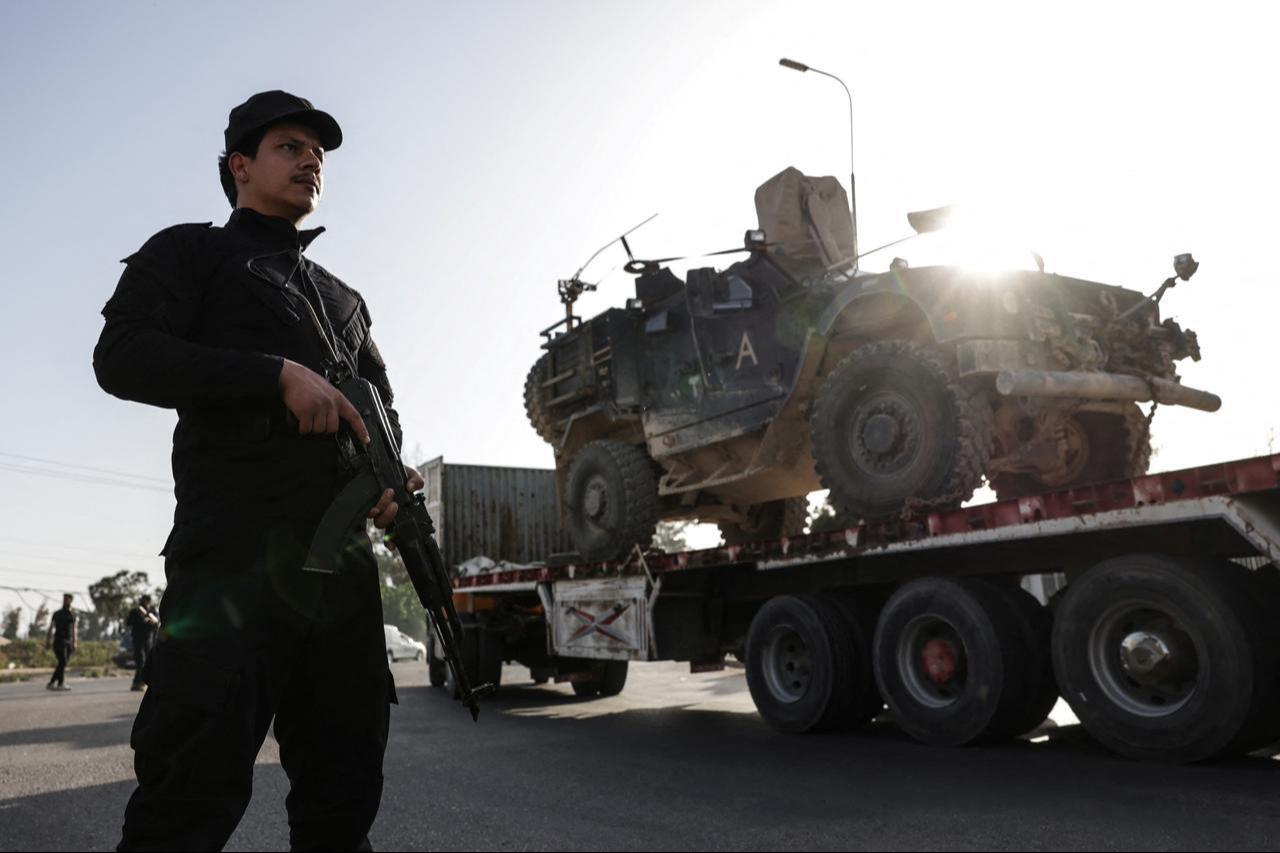

According to Der Spiegel, Alexander Velez-Green, an envoy for U.S. Defense Secretary Pete Hegseth, told allies that Washington plans to commit fewer assets to NATO’s pool of readily available forces.
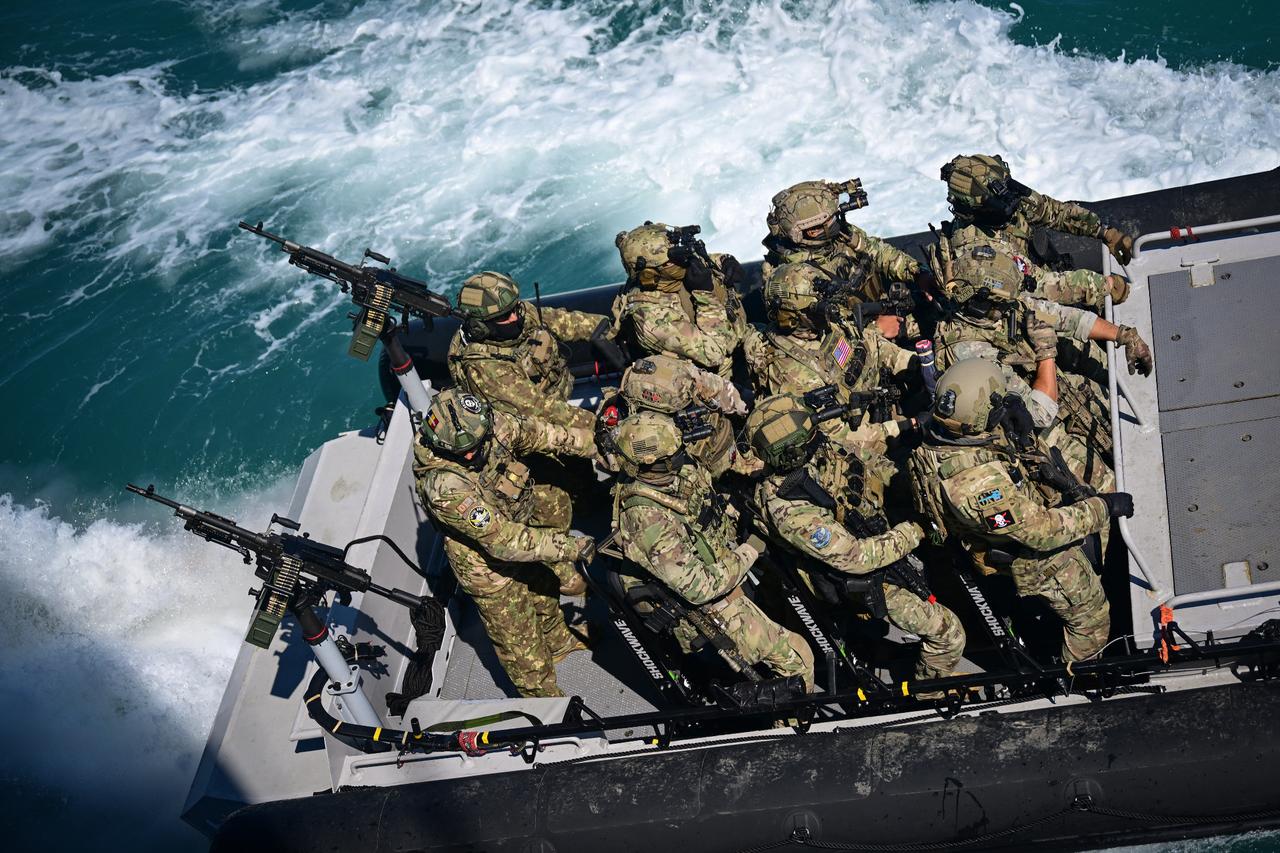
The magazine reported that the reductions would affect deployable drones, fighter jets, aerial refueling aircraft, warships and other naval assets.
The U.S. also plans to reduce the number of strategic bombers committed to NATO and is considering cutting its fighter-aircraft contribution by about one-third, according to Der Spiegel.
Diplomatic and military sources told the magazine that Washington would make fewer destroyers available and is not planning to provide any submarines to the NATO Force Model.
Reuters reported that the precise composition of wartime forces is a closely guarded secret, but sources said the Pentagon has decided to significantly scale down its commitment.
Several details remained unclear, including how quickly the Pentagon plans to shift crisis responsibilities onto European allies.
The sources said the Pentagon is expected to announce its intention to reduce its commitment at a Friday meeting of defense policy chiefs in Brussels.
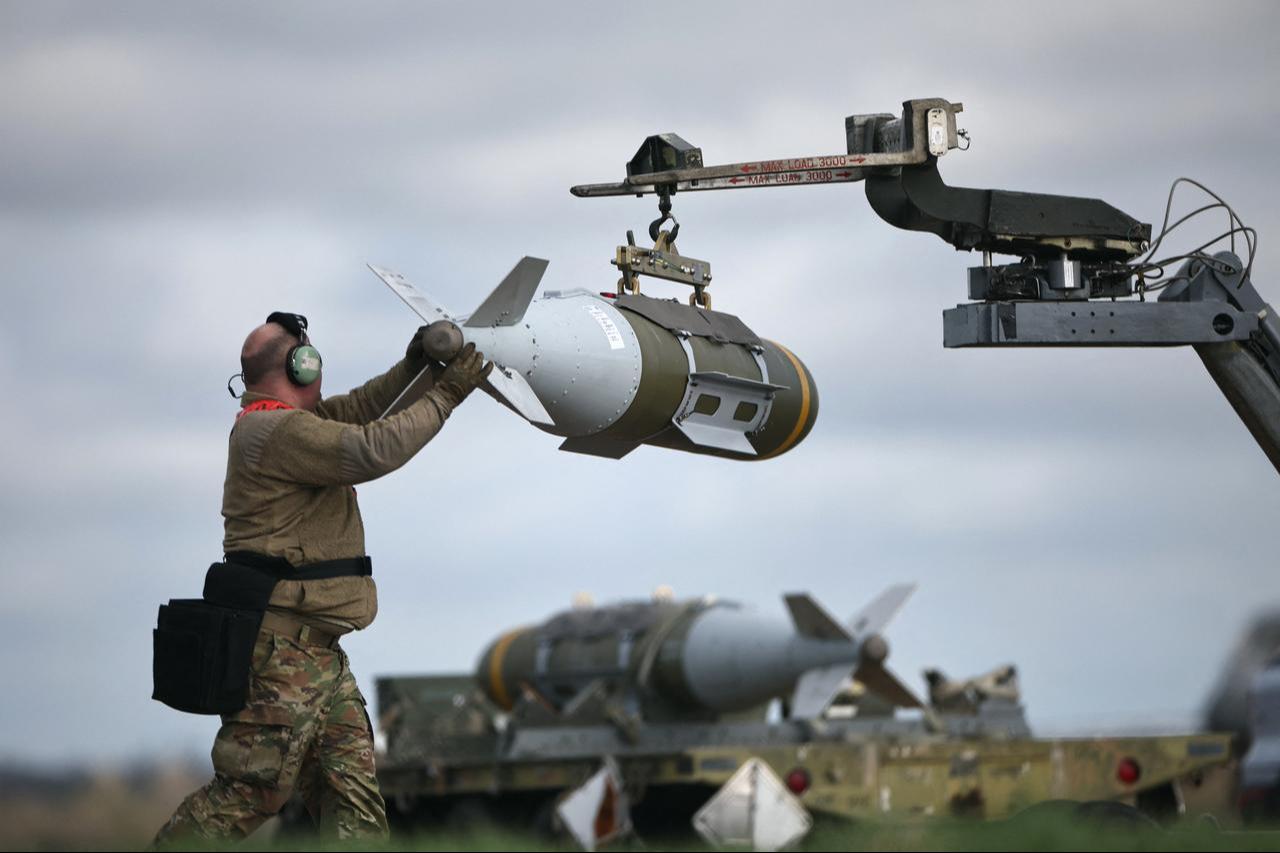
Military sources told Der Spiegel that Washington has informed European allies it will maintain nuclear deterrence forces in Europe, but expects European countries to assume primary responsibility for conventional defense.
Pentagon policy chief Elbridge Colby has said publicly that the U.S. will continue to use its nuclear weapons to protect NATO members, even as European allies take the lead on conventional forces.
Reuters reported that the U.S. is likely to be represented at the Brussels meeting by Velez-Green, a key aide to Colby.
Adjusting the NATO Force Model has emerged as a key priority for Colby’s team ahead of the next NATO leaders’ summit, which will take place in Türkiye in July, one source told Reuters.
The planned reductions are intended to give the U.S. greater flexibility in the event of a conflict in the Indo-Pacific by avoiding formal pledges of specific assets to NATO, Der Spiegel reported.
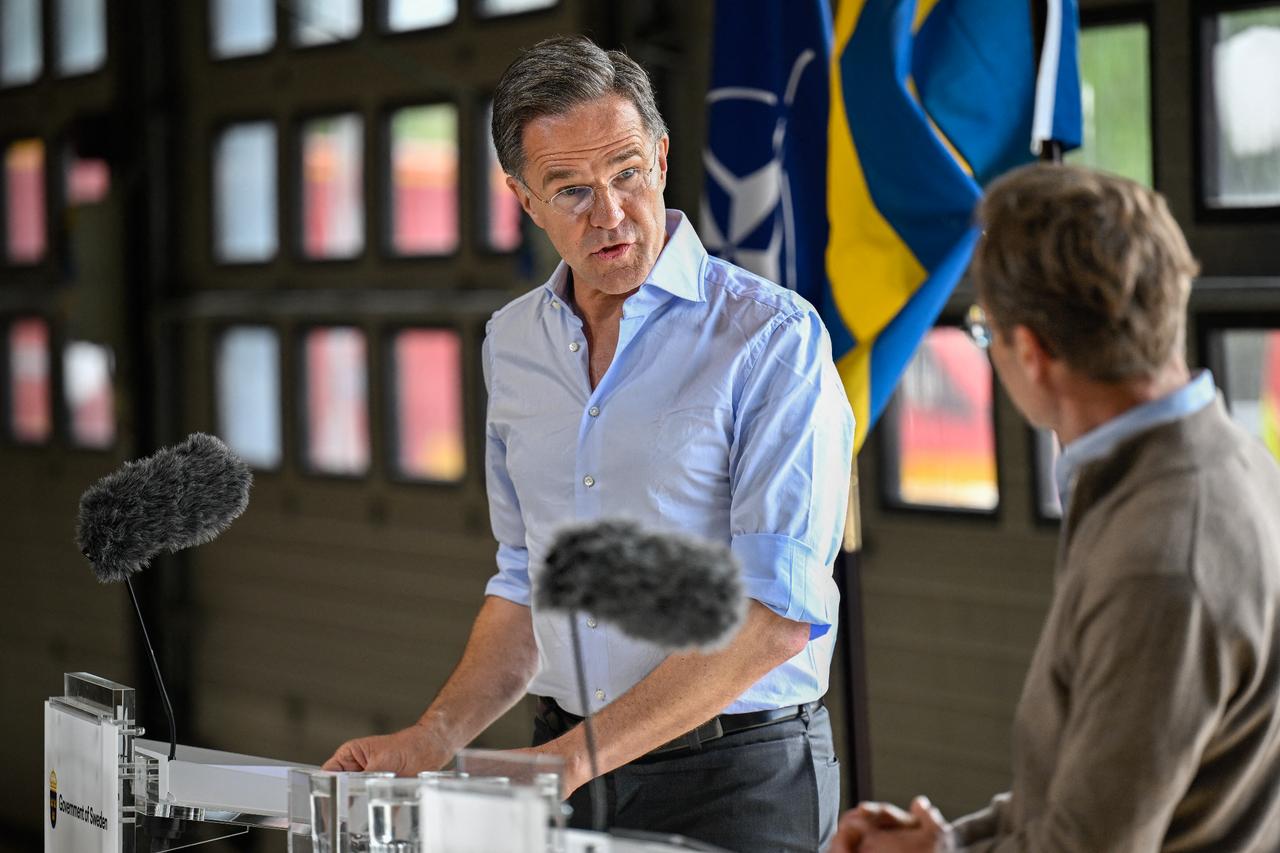
NATO Secretary General Mark Rutte said in Brussels that he was not allowed to disclose the upcoming U.S. announcement, but said the move was “to be expected” as the alliance seeks to reduce reliance on one ally for its defense.
“This was to be expected, I think it's only right that it happens,” Rutte said.
The planned shift comes as the NATO alliance faces growing strain, with some European countries concerned that Washington could reduce its role further.
Reuters reported that a major adjustment to the forces the U.S. would make available during wartime is likely to increase those concerns.
In recent weeks, the Trump administration has announced plans to cut about 5,000 U.S. troops from Europe, including canceling the deployment of an Army brigade to Poland.
The decision drew criticism from U.S. lawmakers, Reuters reported.
One source and another person familiar with the matter said aides on Capitol Hill were aware of and concerned about the Pentagon’s plans to narrow its commitments under the NATO Force Model.
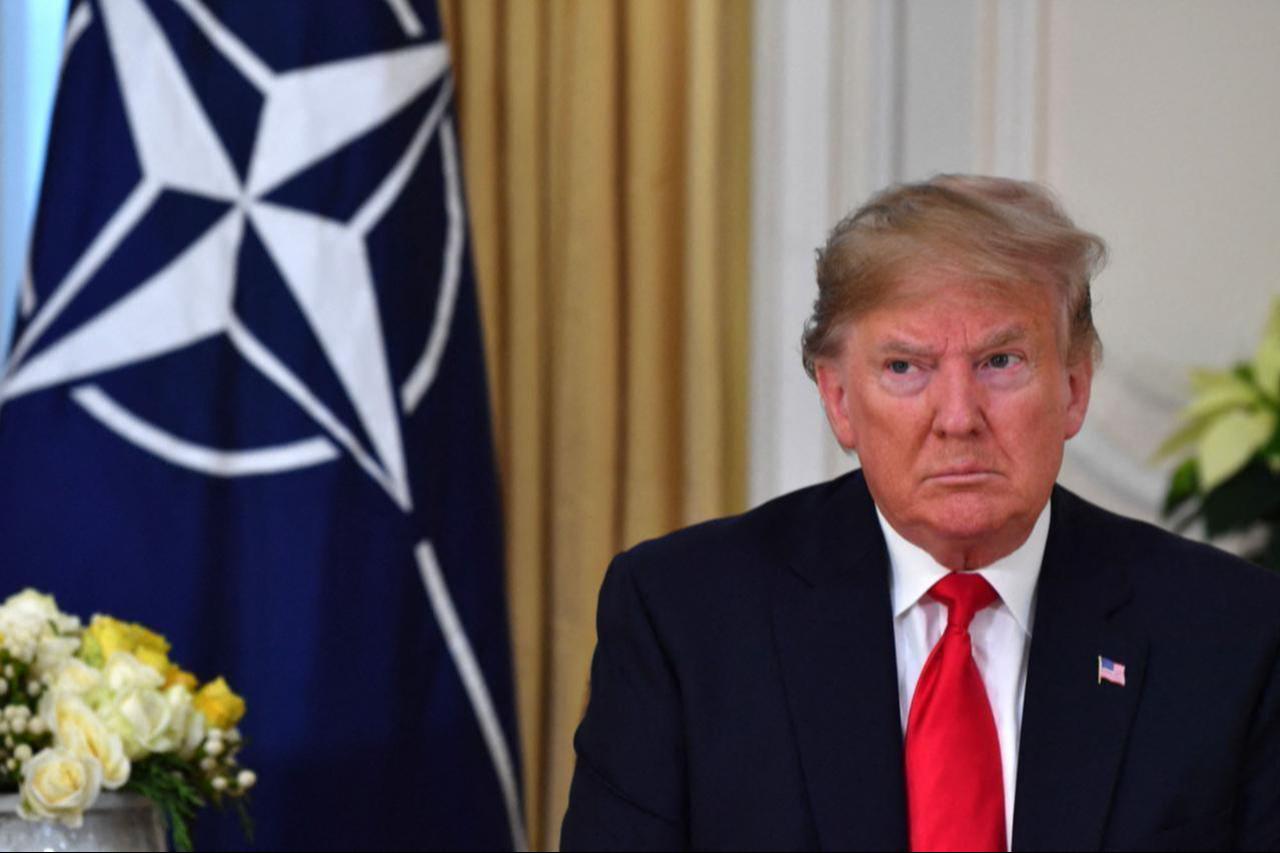
A senior NATO diplomat told Reuters that they still believed there is an understanding that the U.S. would come to Europe’s aid if it were in trouble.
Trump and many of his aides have criticized European allies for not spending enough on their militaries and relying on the U.S. for conventional defense.
They have also pointed out that the U.S. still has tens of thousands of troops in Europe.
Trump’s ambition to take control of Greenland, a Danish overseas territory, has further strained transatlantic ties, as has an ongoing dispute between Trump and German Chancellor Friedrich Merz, who has sharply criticized Trump’s war with Iran.
European allies generally say they are rapidly strengthening their military capabilities, but argue that such changes cannot happen overnight.


 Set as preferred source
 Set as preferred source


 1 min read
 1 min read