Newsletters


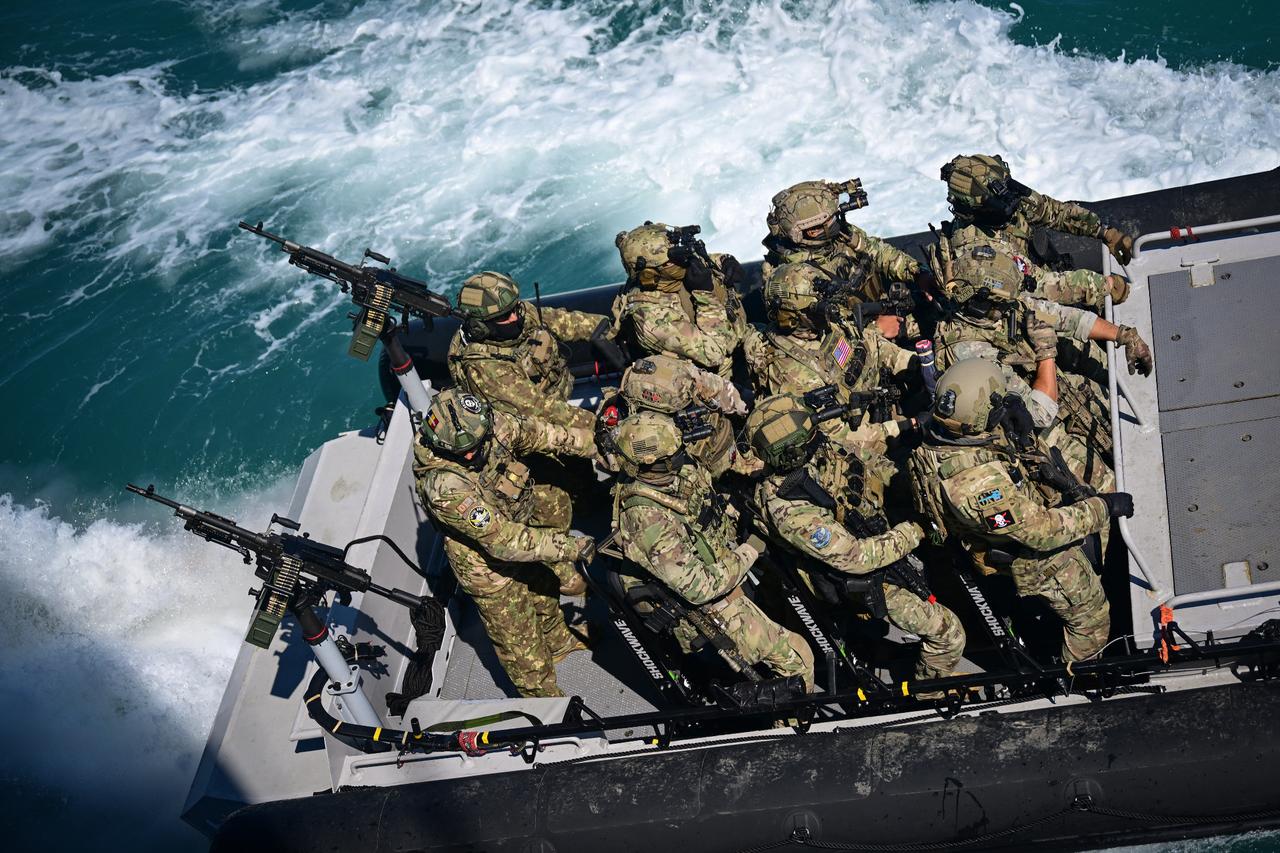


Türkiye is preparing to step onto the stage as both the host of a crucial NATO summit and one of the alliance’s pivotal strategic actors at perhaps the most consequential moment in its modern NATO history.
The curtain is rising on a defining chapter for NATO’s future.
From the Swedish city of Helsingborg to the capitals of the nations that signed the alliance’s founding documents seventy years ago, there is a tense yet transformative anticipation ahead of this summer’s summit.
Against the backdrop of shifting global fault lines, Ankara is quietly preparing for NATO’s next era.
On July 7–8, Türkiye will host NATO at an extraordinary geopolitical crossroads.
Developments this week have made one thing increasingly clear: Ankara is not merely offering a venue for diplomatic meetings; it seeks to play a decisive role in reshaping the alliance’s strategic language itself.
NATO Military Committee Chairman Admiral Giuseppe Cavo Dragone captured the atmosphere in Brussels with a stark but accurate metaphor: “We are in the middle of a storm.”
Since January, existing crises have deepened while new ones have emerged.
The Russia–Ukraine war continues unabated; tensions surrounding Iran and the Strait of Hormuz remain unresolved; and uncertainty regarding America’s long-term commitment to the alliance is fueling growing anxiety among European allies. In such an environment, Türkiye’s dual role as summit host and critical intermediary represents both a historic opportunity and a heavy responsibility for Ankara.
Türkiye is increasingly seeking to transform its position within the alliance from that of a passive member into an active architect. The moves made this week point far beyond the July summit itself.
Although Foreign Minister Hakan Fidan’s participation in the Helsingborg meeting is formally described as a “final preparatory session,” its significance extends far beyond procedural coordination.
The agenda itself reveals the core pressure points currently straining the alliance: NATO unity, transatlantic cooperation, defense industrial capacity, support for Ukraine, and the evolving tensions involving Iran and the Strait of Hormuz.
Fidan’s role at the table is twofold.
On one hand, he is tasked with presenting Ankara’s vision for the summit to allied partners; on the other, he is placing Türkiye’s own expectations firmly back on the agenda with renewed confidence. This posture reflects how Türkiye—long a critical power on NATO’s eastern flank—is now seeking to project not only its geopolitical weight but also its institutional vision.
Meanwhile, Türkiye’s Directorate of Communications has organized a series of panels titled “Türkiye and NATO in a Transforming Security Environment,” stretching from Madrid to Paris, London to Warsaw, and Rome, and most recently Brussels.
This is not merely diplomatic outreach; it is strategic narrative-building. Ahead of the July summit, Ankara is attempting to align European capitals with Türkiye’s broader vision, presenting the summit not simply as an organizational event but as a platform for a new strategic framework within the alliance.

This strategic posture at the rhetorical level is being reinforced through tangible initiatives.
One particularly notable example is the “Fuel Pipeline Project” proposed by Türkiye’s Ministry of National Defense to NATO. Ankara emphasizes that the project would be five times more cost-effective than alternative options and could be implemented in a significantly shorter timeframe.
Following the Russia–Ukraine war, energy supply security on NATO’s eastern flank has become an existential issue for the alliance. Türkiye’s decision to approach the table with such a proposal is both deliberate and strategically timed.
The emphasis on the “efficient and economical” use of alliance funds also resonates strongly in an environment still shaped by the defense spending pressures associated with the Trump era.
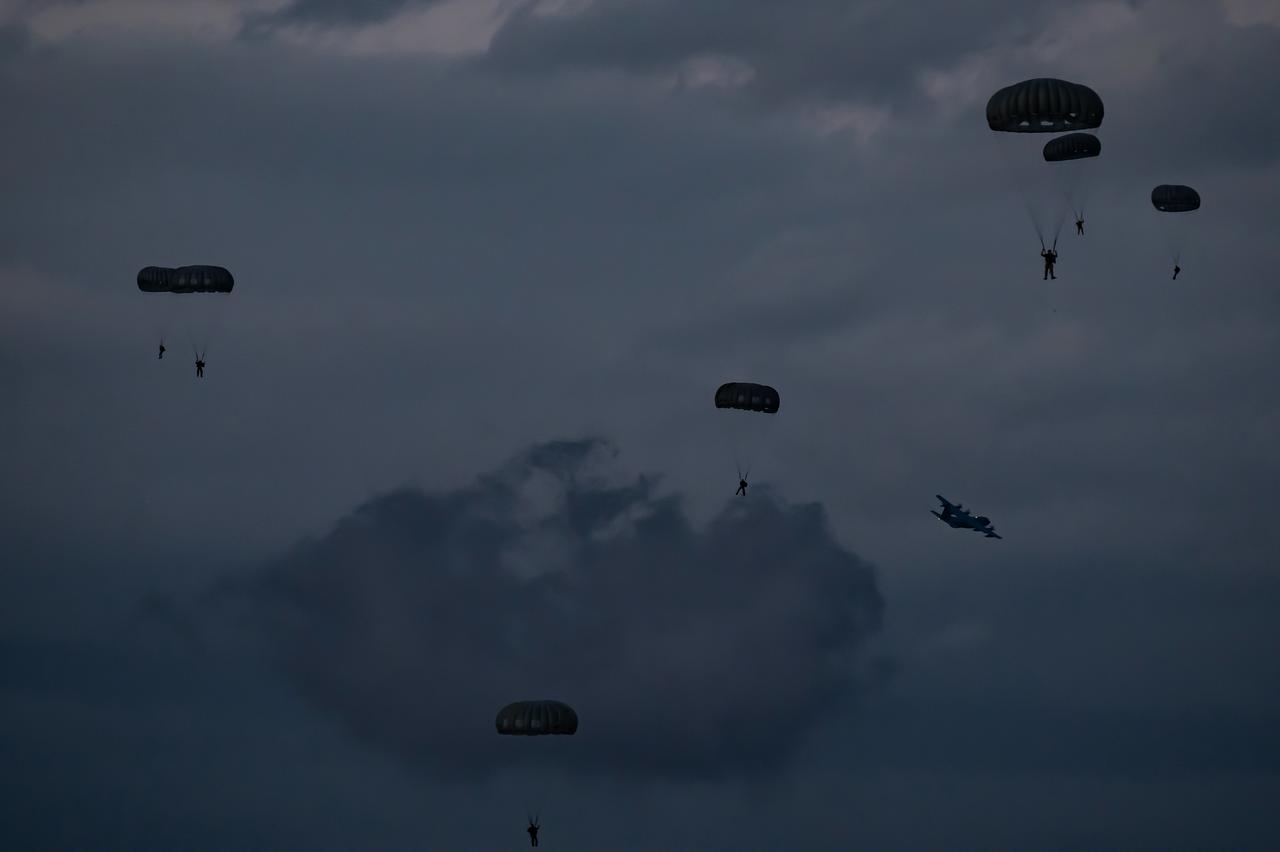
At the same time, the EFES-2026 military exercise carries both military and diplomatic significance.
Libya’s participation—with a combined contingent of 502 personnel from both eastern and western factions, marking the first such deployment outside Libyan territory—alongside the participation of a core Syrian military element, can be interpreted as a direct demonstration of Türkiye’s expanding military influence across the Middle East and North Africa.
The exercise serves not only as proof to regional partners that Türkiye continues to operate in coordination with NATO, but also as a concrete indication that Ankara intends to play a decisive role in shaping the transformation processes unfolding across the southern Mediterranean.
German Foreign Minister Johann Wadephul’s recent remarks may represent one of the most significant elements of this broader picture.
Wadephul emphasized that Türkiye is both a strategic NATO ally and a critical trade partner for the European Union, while expressing support for Ankara’s inclusion in the development of European defense policies.
This statement may constitute the clearest sign of optimism in years regarding Türkiye–EU defense relations, which had long remained politically frozen.
As Europe’s doubts about the reliability of American security guarantees deepen, the continent is increasingly recognizing its need for dependable partners within its own broader geography. Türkiye, possessing NATO’s second-largest military, is becoming progressively more attractive in this context.
Taken together, the emerging picture is striking: Türkiye has become one of the few NATO members simultaneously active across multiple dimensions of the alliance’s political and military agenda.
Hosting the summit is not merely a matter of symbolic prestige; it also means exercising direct influence over the shaping of NATO’s future priorities.
The energy security initiative, the scale and symbolism of the EFES exercise, the panel series across European capitals, and Fidan’s mission in Helsingborg all point in the same direction: Ankara is seeking to redefine its role within the alliance from passive participant to active strategic architect.
“We are in the middle of a storm,” Admiral Dragone warned. He is correct. And in July, the leaders of 32 allied nations will gather in Ankara at the very center of that storm.
The quality of the dialogue and the political resolve demonstrated around that table may well determine how NATO navigates this turbulent era.
Türkiye, for its part, appears ready to offer NATO and its European partners a reflection of the proactive regional policies it has pursued in recent years: a new strategic architecture, a more functional model of partnership, and a vision of multi-centered stability for an increasingly fragmented world.


 Set as preferred source
 Set as preferred source


 1 min read
 1 min read