Newsletters


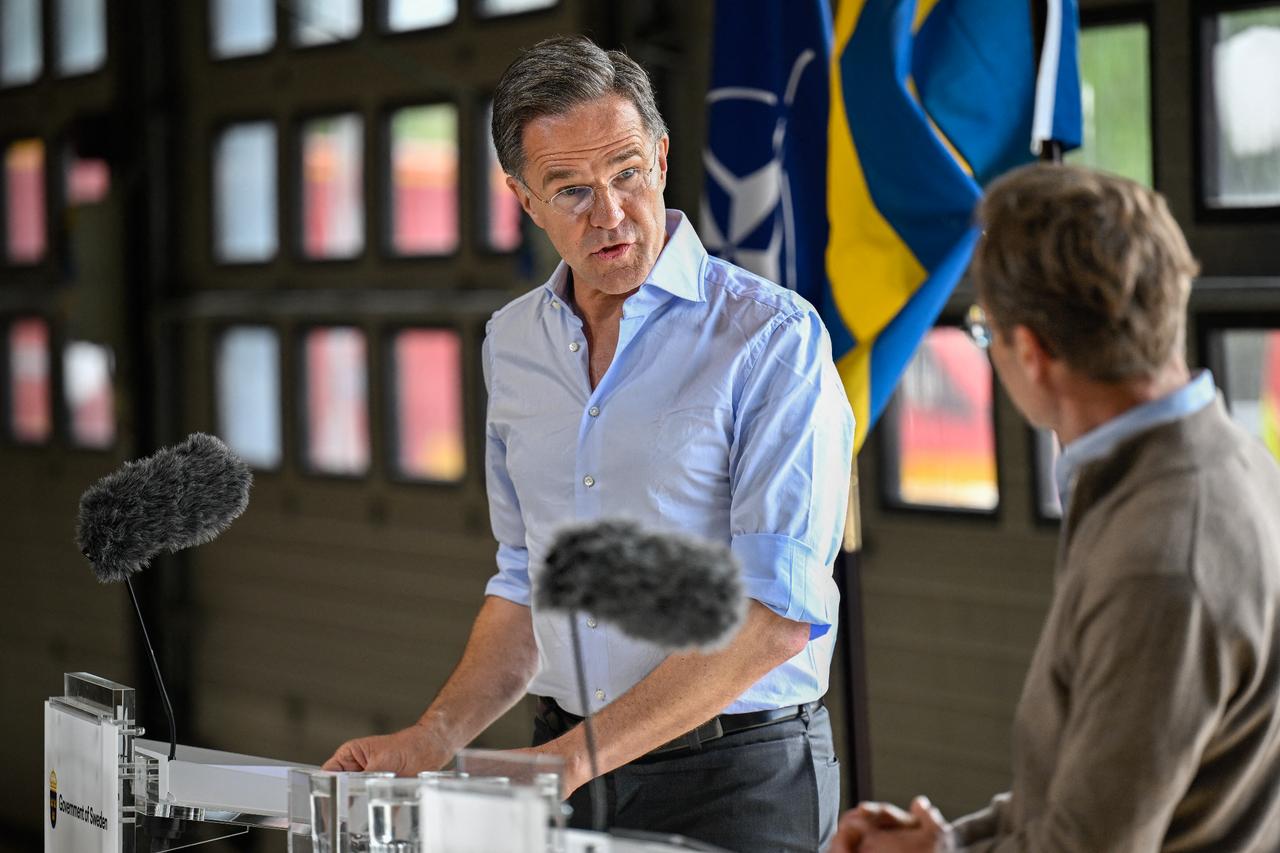


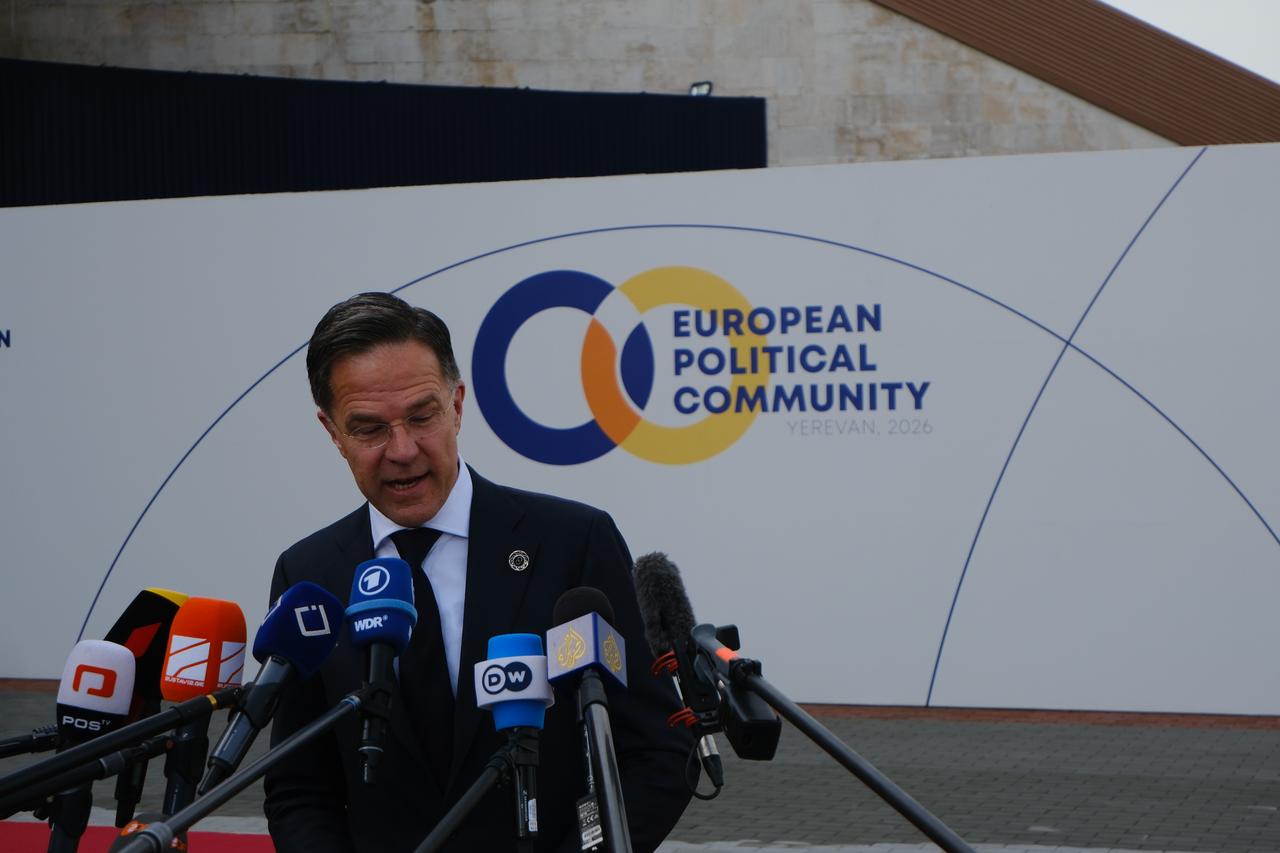
NATO Secretary-General Mark Rutte stated on Thursday that the U.S. decision to withdraw rotational forces from Europe will have no impact on NATO's defense plans.
He called on European allies to take on progressively greater responsibility for their own defense, speaking ahead of a two-day NATO foreign ministers' meeting in the Swedish city of Helsingborg.
Rutte made the remarks in a joint press statement with Swedish Prime Minister Ulf Kristersson ahead of the alliance's foreign ministers' gathering, the first NATO ministerial held in Sweden since the country joined the alliance in 2024.
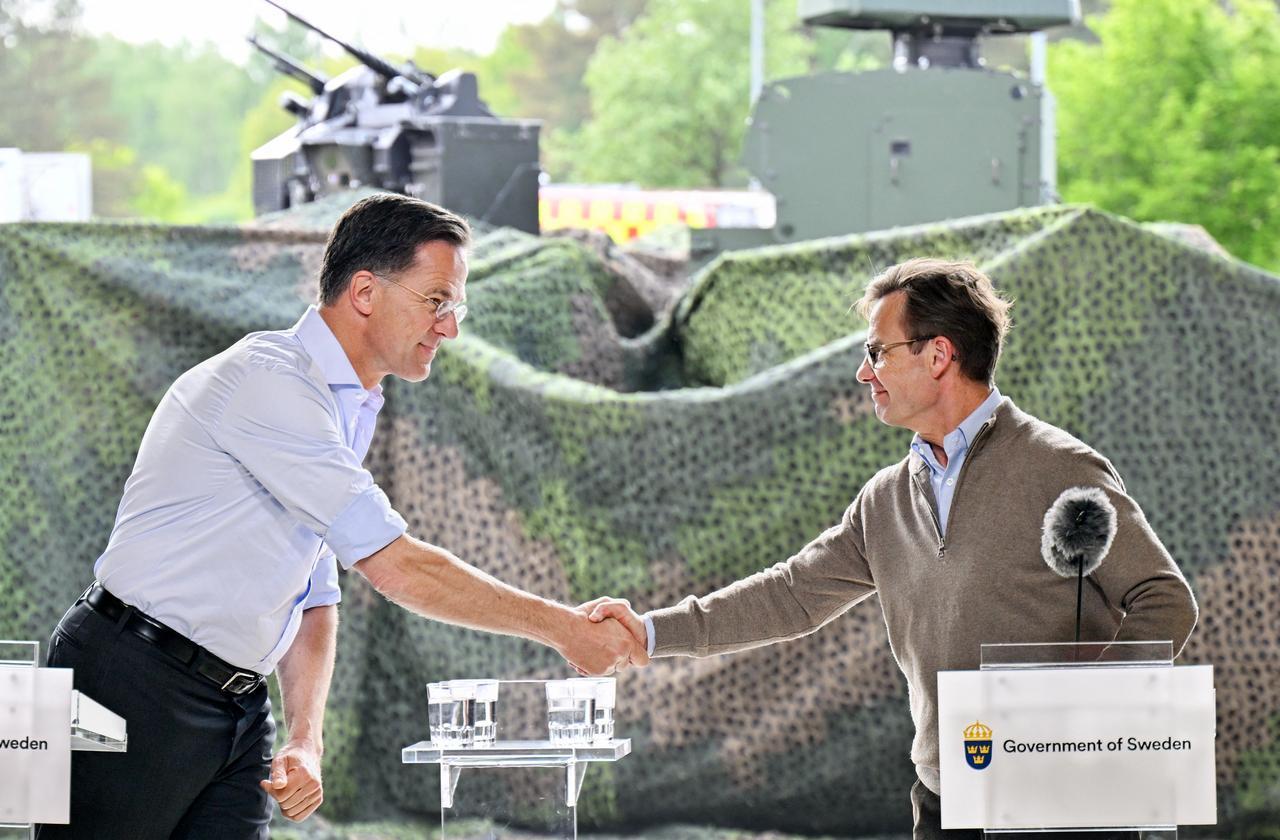

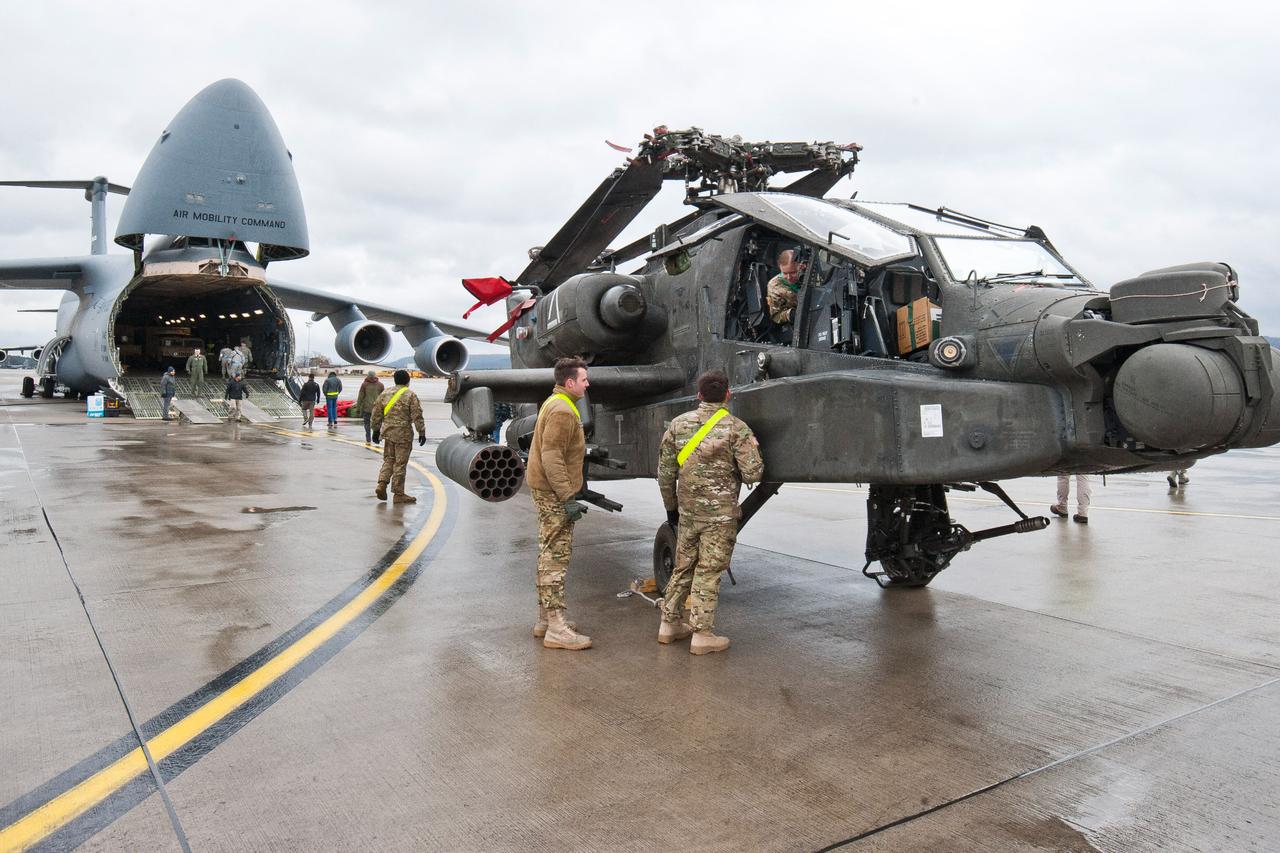
On the U.S. decision to withdraw approximately 5,000 troops from Europe, Rutte said the move had been fully aligned with the alliance.
"We have agreed with the U.S. on exactly this. Of course, they will continue to be engaged, with the nuclear umbrella but also with conventional forces. Europeans will progressively take more care of their own defense. This will not lower NATO's overall deterrence," Rutte said.
"The rotational forces mentioned in the announcements have no effect on NATO's defense plans. The other ongoing discussion about the U.S. contribution to the NATO force model has been going on for a year. We have an established process. This is business as usual and exactly what we wanted: Europeans doing more, a stronger Europe, a stronger NATO," he noted.
Rutte argued that the defense of the American mainland itself depends on NATO's European component.
"You can argue that the defense of the U.S. mainland starts in Norway. Why? Because we have to make sure that Russian nuclear submarines are not threatening the U.S. mainland. So we are all in this together, but this over-reliance has to come to an end," he said.
 3 min read
Rutte also acknowledged that his proposal for all NATO allies to dedicate 0.25% of their gross domestic product (GDP) to supporting Ukraine would not reach the unanimity required to be adopted.
"The proposal will not get unanimity, so it will not work," Rutte told reporters.
"But it has at least started the debate between allies, that if we all are saying that Ukraine has to make sure that it stays in the fight as strong as possible, and bring this fight to a peace, then of course we all have to chip in an equal manner," he added.
Rutte said aid to Ukraine "is not evenly distributed now within NATO" and identified a limited group of allies as carrying a disproportionate share of the burden, naming Sweden, Canada, Germany, the Netherlands, Denmark and Norway.
"But there are also many not spending enough when it comes to the support for Ukraine," he said.
Nordic and Baltic countries, as well as the Netherlands and Poland, devote a higher share of their GDP to military aid to Kyiv than many other allies, according to data from the Kiel Institute.
Rutte said the Helsingborg meeting would lay the groundwork for the NATO summit to be held on July 7-8 in Ankara, with the agenda covering defense investment, industrial production capacity, and continued support for Ukraine.
Rutte praised Sweden's "total defense" concept, in which military and civilian components operate together, saying it was of great importance in the current security environment.
"Defense is not only about armed forces. The continued functioning of society, the protection of critical infrastructure and the continuity of essential services are also part of defense," Rutte stated.
He also addressed Sweden's measures against Russia's shadow fleet, saying the vessels were helping Moscow evade sanctions and finance its war against Ukraine. "This is important for the security of Sweden, the Baltic Sea region and all allies," Rutte added.
Prime Minister Kristersson said Sweden was carrying out its NATO responsibilities seriously and had implemented its largest defense spending increase since the end of the Cold War.
Sweden plans to meet NATO's 5% GDP defense spending target by 2030, he said.
"The country has approximately 380 defense companies and provides high-technology defense capacity across air, land, and sea domains," Kristersson added.
He stated that Sweden ranked third globally in absolute terms among military supporters of Ukraine, providing tanks, air defense systems, ammunition, training support, and early warning aircraft.
"I would like the other countries that make strong statements about Ukraine to also increase their financial contributions," Kristersson concluded.


 Set as preferred source
 Set as preferred source


 1 min read