Newsletters


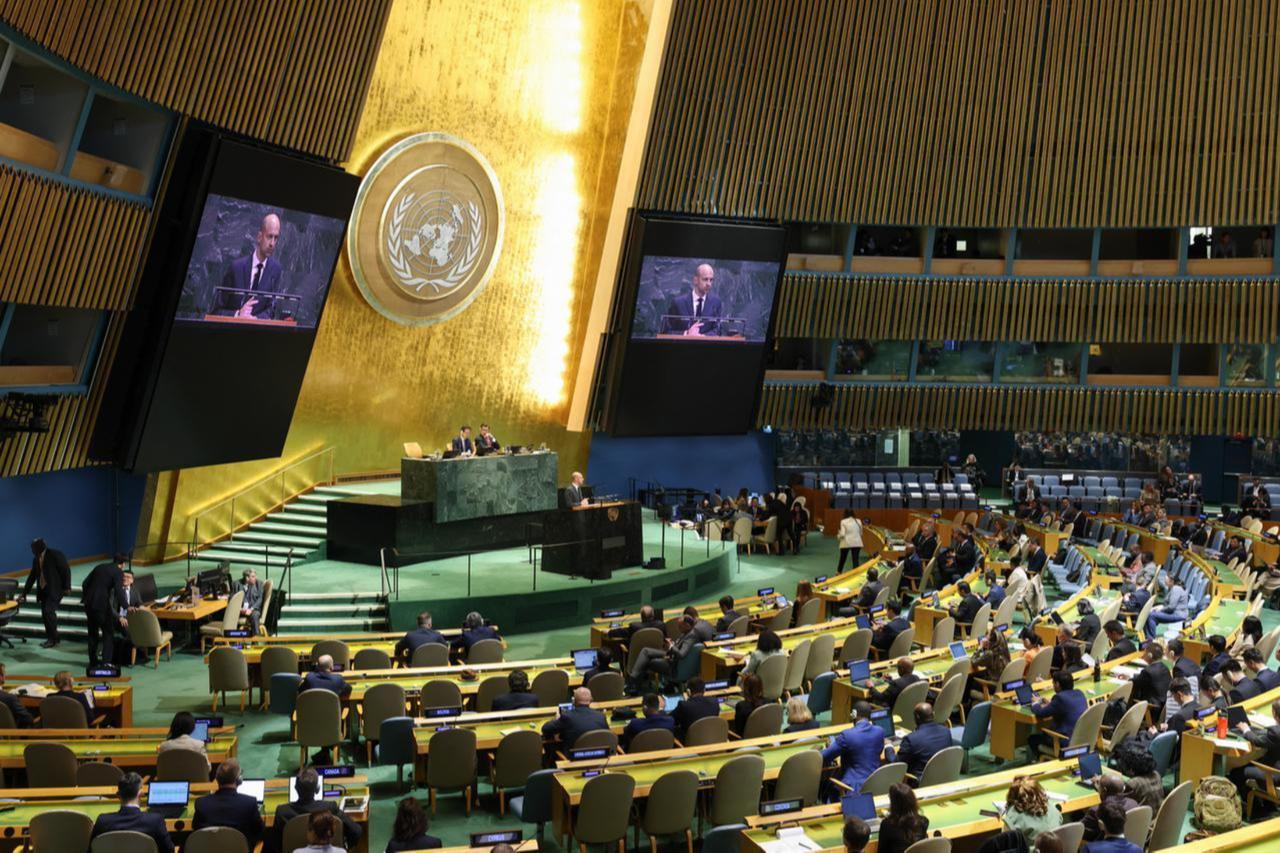


The United States announced an additional $1.8 billion for United Nations humanitarian programs Thursday, bringing its total contribution for 2026 to $3.8 billion, even as the figure falls well short of funding levels before President Donald Trump's return to power and the global body faces a widening financial crisis.
U.S. Ambassador Mike Waltz, speaking to reporters in New York, framed the pledge as conditional on continued UN reform, saying the funds would "save more lives around the world, but also drive forward the reforms that we put in place for efficiency, accountability and lasting impact."
The announcement adds to a $2 billion commitment made in December for humanitarian operations in 18 countries, which the U.S. released in exchange for UN pledges to overhaul aid delivery.
Washington has long criticized UN programs as wasteful and accused them of advancing what it calls "radical social ideologies" tied to diversity initiatives, positions that have strained relations between the two institutions under the Trump administration.
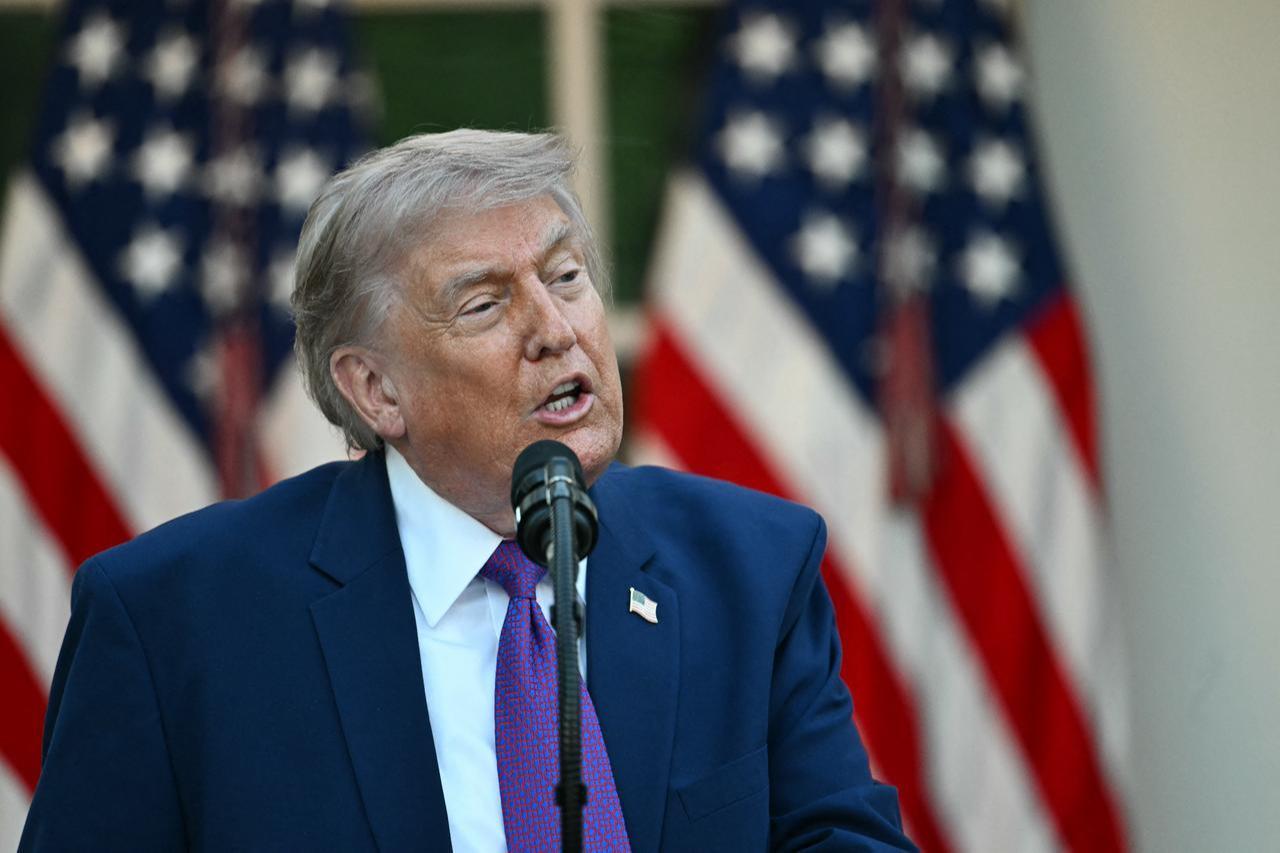

The scale of the retreat from multilateral aid is stark. In 2025, U.S. contributions to humanitarian response plans worldwide dropped to $2.7 billion, compared with $11 billion the year prior.
Despite remaining the largest single donor to global humanitarian efforts, the United States contributed nothing toward the UN's regular operating budget in 2025, leaving outstanding arrears of roughly $2 billion for core operations and an additional $2.2 billion in unpaid peacekeeping dues.
Waltz pushed back against criticism of the administration's record, calling claims that the U.S. had abandoned global humanitarian commitments "absolutely false." He argued that the UN performs best when focused on core delivery, saying the organization succeeds at "delivering humanitarian aid in remote, difficult locations, at scale with a reliable and affordable supply chain," but falters when it "strays from its core mission."
The gap between what the UN needs and what it has remains enormous. The organization has said it requires $33 billion in 2026 to assist 135 million people affected by wars, epidemics, climate change and natural disasters.
Faced with a global funding shortfall, humanitarian chief Tom Fletcher in December presented a scaled-back plan requiring $23 billion to reach the 87 million people considered most at risk. That plan is currently funded at just $7.3 billion.
UN Secretary-General Antonio Guterres welcomed Thursday's pledge, saying it "will allow humanitarians to reach millions of people in the most urgent crises with lifesaving support."
Fletcher, speaking at the same news conference, said the new U.S. funds would allow his office to "accelerate and expand on the progress made, saving lives, reforming the system, defending the impartiality and neutrality of humanitarian action."
Thursday's announcement reflects a broader shift in how the Trump administration engages with international institutions, using financial leverage to push for structural changes rather than providing unconditional contributions. The December 2025 deal, in which the U.S. tied $2 billion to specific UN reform commitments, established a template that the new pledge appears to follow.
The UN, for its part, has been under pressure from multiple donor governments to demonstrate greater transparency and operational efficiency. Fletcher's streamlined 2026 plan, cutting the target population from 135 million to 87 million, was itself a response to the new funding reality, an acknowledgment that the humanitarian system must operate with considerably less than it once expected.


 Set as preferred source
 Set as preferred source


 1 min read


 1 min read