Newsletters


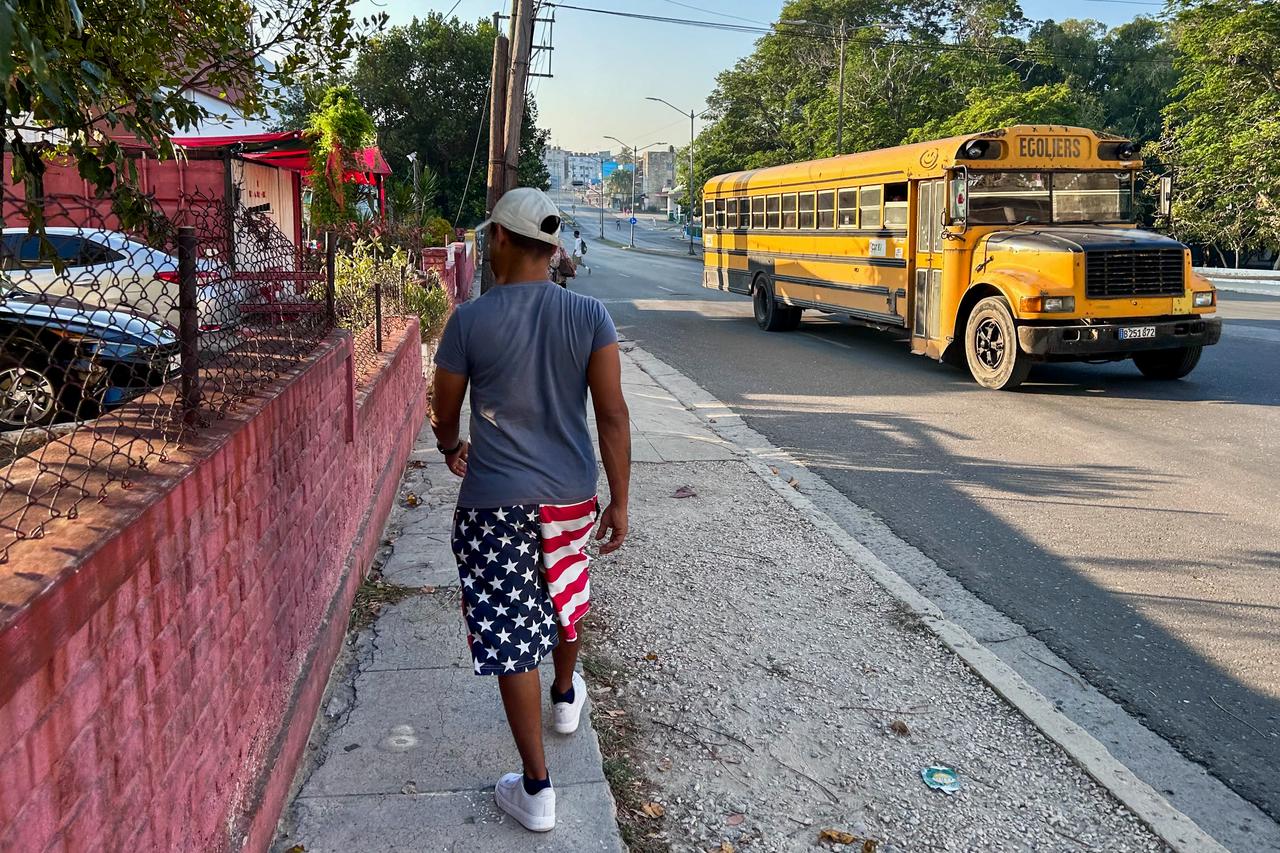


The United States held fresh talks with Cuban officials this week over a $100 million assistance package, pressing Havana to accept an offer that Washington has tied to demands for political and economic reforms, a State Department official said Tuesday.
Mike Hammer, the acting US ambassador to Havana, met Monday with Cuban foreign ministry officials, according to the official, who spoke on condition of anonymity.

The State Department official pushed back sharply against Cuban characterizations of the offer, saying the US is pursuing the proposal "aggressively, contrary to some of the lies of the Cuban ministry of foreign affairs." Officials urged the Cuban government to stop obstructing the delivery of assistance.
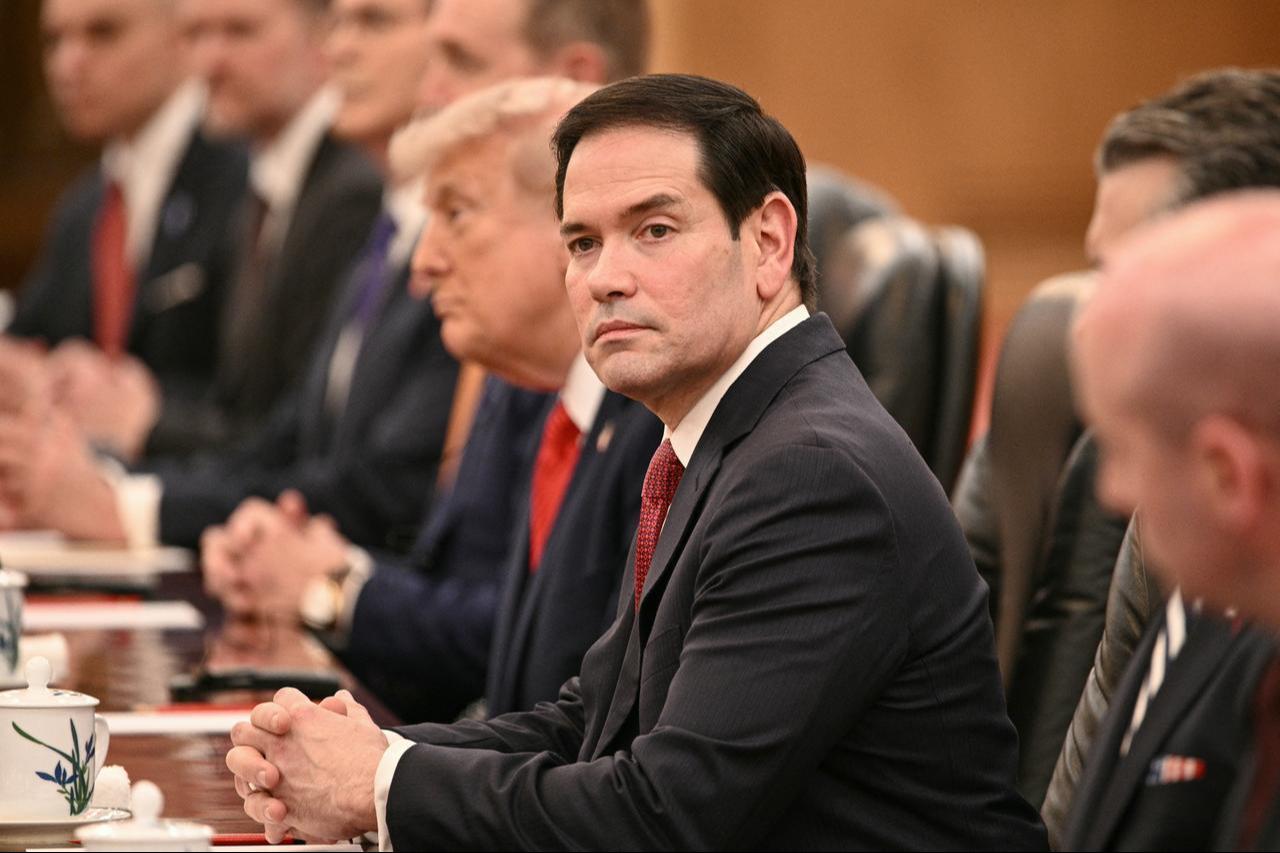
Secretary of State Marco Rubio, a longtime critic of Havana's communist government, has publicly championed the offer but conditioned it on Cuba taking concrete steps toward openness.
The aid would bypass the Cuban state entirely, routed instead through Catholic Relief Services and Samaritan's Purse, an evangelical Protestant charity, ensuring the funds reach ordinary Cubans rather than government coffers.
The official also challenged Havana's financial posture, noting that "the Cuban regime is sitting on several billions of dollars," and called on authorities to direct those resources toward infrastructure and the Cuban people rather than withholding them.
Cuban Foreign Minister Bruno Rodriguez had initially dismissed the offer as a fabrication, calling it a lie. But last week Rodriguez shifted course, saying Havana was willing to review the proposal, a reversal that followed an extraordinary visit by CIA Director John Ratcliffe to the island for talks, a remarkable step for a country that has for decades been a primary target of US intelligence operations.
Cuba has been battered by persistent energy blackouts and fuel shortages following the collapse of its oil supply arrangements with Venezuela, which had provided crude in exchange for Cuban medical personnel and other services.
That arrangement unraveled after the United States moved against Venezuelan President Nicolas Maduro's government, severing the flow of subsidized oil to Havana.
The $100 million offer represents the largest single US assistance proposal to Cuba in recent memory, dwarfing the approximately $9 million Washington had committed in the aftermath of Hurricane Melissa, which struck eastern Cuba in late 2025 as a Category 3 storm, affecting more than 2 million people. That earlier aid was also channeled through the Catholic Church and Caritas.
Cuba and the United States restored diplomatic relations in 2015 under President Barack Obama, only for ties to deteriorate sharply under subsequent administrations through a succession of sanctions, travel restrictions, and designations.
The Rubio-led State Department has continued that pressure campaign, framing the aid offer as a test of whether Havana will prioritize its citizens over its political survival.
American officials have made clear that the choice belongs to Cuba's leadership. Whether Havana moves from tentative openness to formal acceptance, and on whose terms, will determine whether the fragile diplomatic channel holds, or collapses under the weight of six decades of mutual hostility.


 Set as preferred source
 Set as preferred source


 1 min read
 1 min read