Newsletters





The United States wants to know how loyal each NATO ally is to President Donald Trump's policies before cutting the military assets it uses to defend the alliance, according to a document sent to NATO members and seen by Bloomberg.
The document asks a series of questions gauging support for Trump's approach, including whether the country has "been publicly supportive" of U.S. foreign policy and what "restrictions" it has placed on the U.S. military's use of its bases.
The document also tries to assess whether countries are spending money with U.S. defense contractors and asks whether they have "publicly opposed regulations" that "inhibit" contracts with American firms.
Overall, it asks: "Has the country shown alignment with the US approach to 'strong, clear, and quiet'?"—a reference to a phrase used by Defense Secretary Pete Hegseth.
Allies have balked at the move, viewing it as an attempt to pressure them into ideological alignment in exchange for U.S. protection, according to people familiar with the matter cited by Bloomberg, who requested anonymity to discuss the private document.
Linking America's long-standing security commitments to such loyalty would upend the post-World War II transatlantic relationship, which was built on U.S. military guarantees that superseded many political disagreements.
Trump's team has already tried to boost right-wing forces in countries including Germany and Hungary, while offering additional troops to Poland after a preferred candidate won that country's presidency, according to Bloomberg.
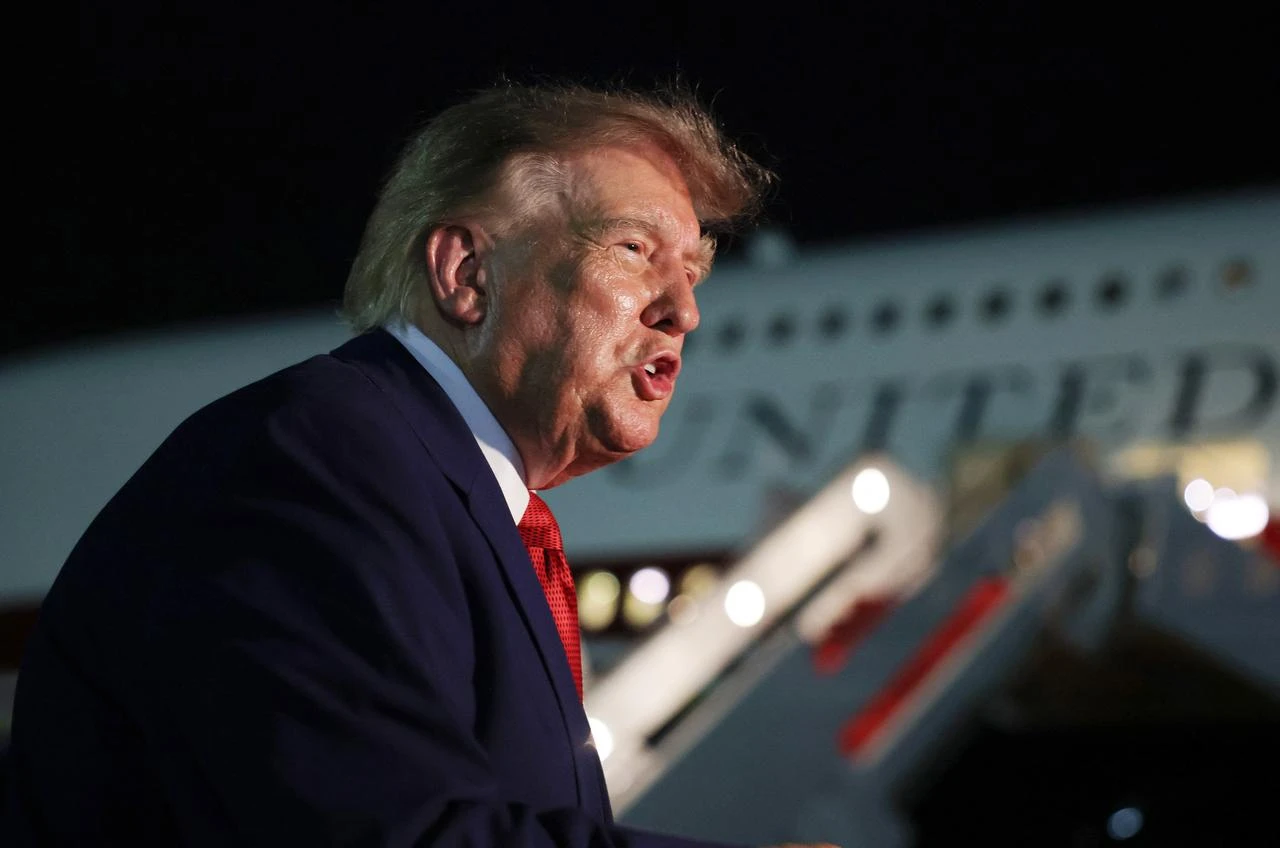

The questionnaire arrives weeks into the Trump administration's six-month review of its military presence in Europe, expected to conclude by December.
The review has left NATO allies bracing for deep cuts to American support, including troop levels in Europe and the military assets the U.S. would deploy during an attack.
A NATO official confirmed the U.S. is working with allies on the review but declined to comment on the letter itself.
The document indirectly touches on numerous issues that have divided Washington from its NATO allies, including the U.S. attacks on Iran, the raid to capture Venezuelan leader Nicolas Maduro, and a European push to direct defense contracts to local firms.
The question about public support for U.S. foreign policy specifically references "initiatives" in the Middle East and the Western Hemisphere, both areas where Trump has conducted strikes without NATO support.
In Iran, the U.S. and Israel launched the ongoing war without consulting NATO allies, and several countries, including Spain, later barred Washington from using local bases to strike Iran.
The questionnaire asks whether each country has imposed such bans and follows up by asking: "Are they willing to reduce or eliminate any such restrictions?"
The U.S. similarly startled NATO allies in January when it seized and arrested Maduro as part of a push to reassert American influence over the Western Hemisphere, an operation many European countries considered a violation of international law.
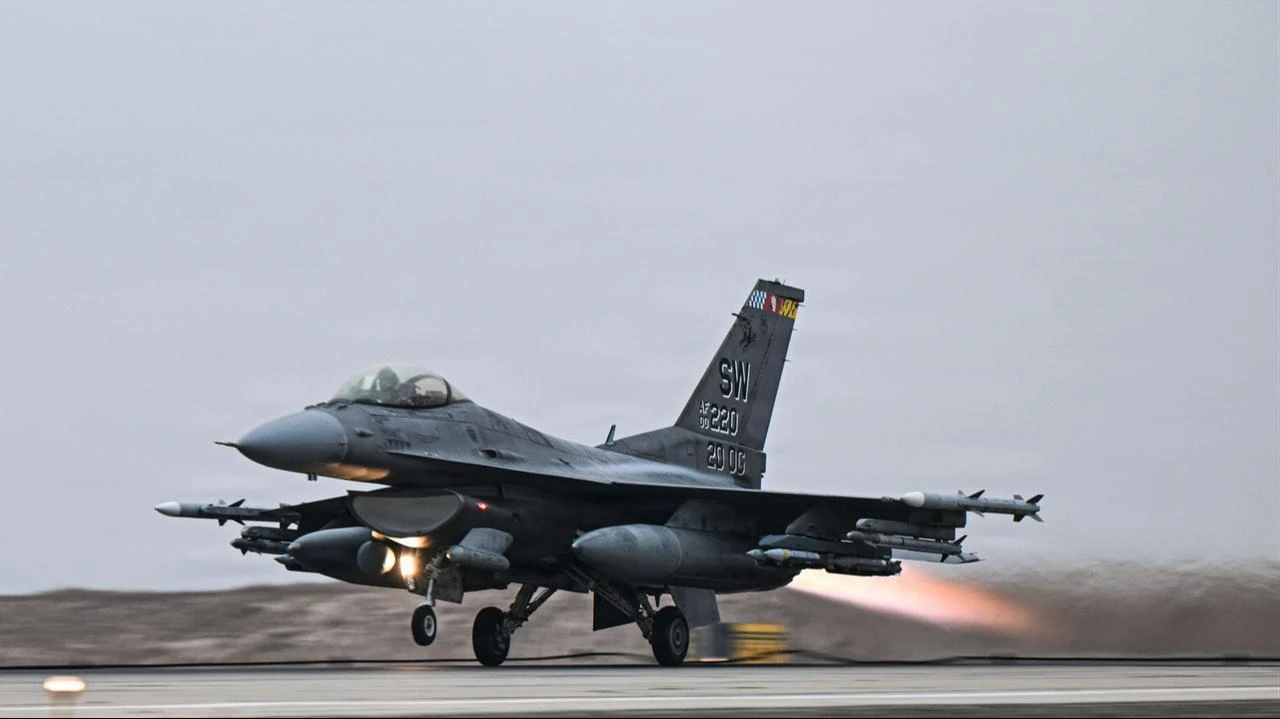
The questionnaire also probes the divisive issue of defense budgets, asking for evidence of compliance with a push to hit higher spending targets and have Europe replace U.S. military assets.
It notably asks whether countries are buying from American firms and whether they have spoken out against new "made-in-Europe" defense policies.
"If not, would they be willing to do so?" the document asks.
The document was first circulated to countries in Washington before making the rounds this week at NATO headquarters in Brussels. The U.S. is set to meet with NATO allies in Brussels later this month to discuss the ongoing review.
The assessment is expected to further reduce the U.S. military footprint in Europe.
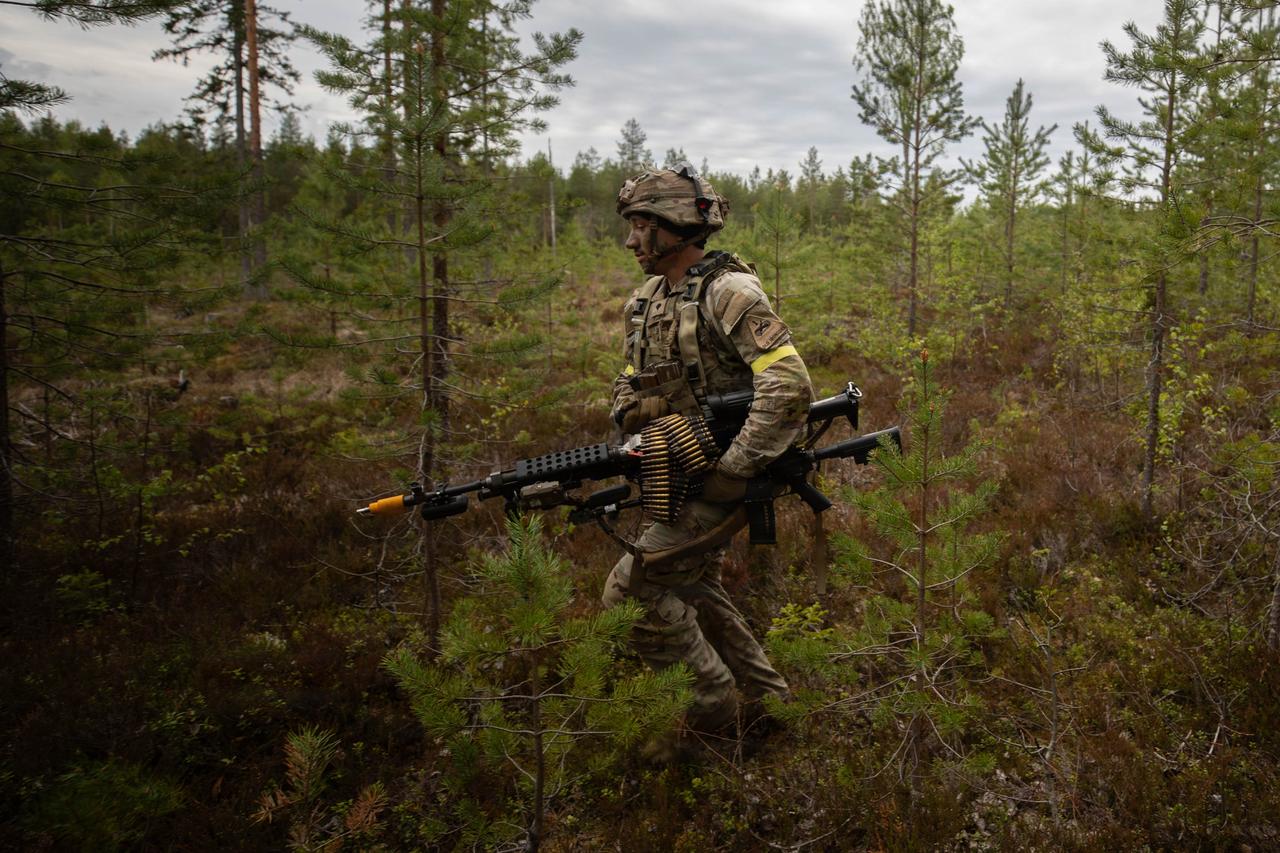
The U.S. has already said it would withdraw 5,000 troops from Germany and redeploy other forces without replacements.
Trump, however, pledged to send an additional 5,000 troops to Poland, citing the election of nationalist Karol Nawrocki as president.
The U.S. is also cutting the military assets earmarked for responding to an attack on NATO allies. These reductions could affect strategic bombers—which Europe does not possess—as well as drones and naval vessels, according to Bloomberg.

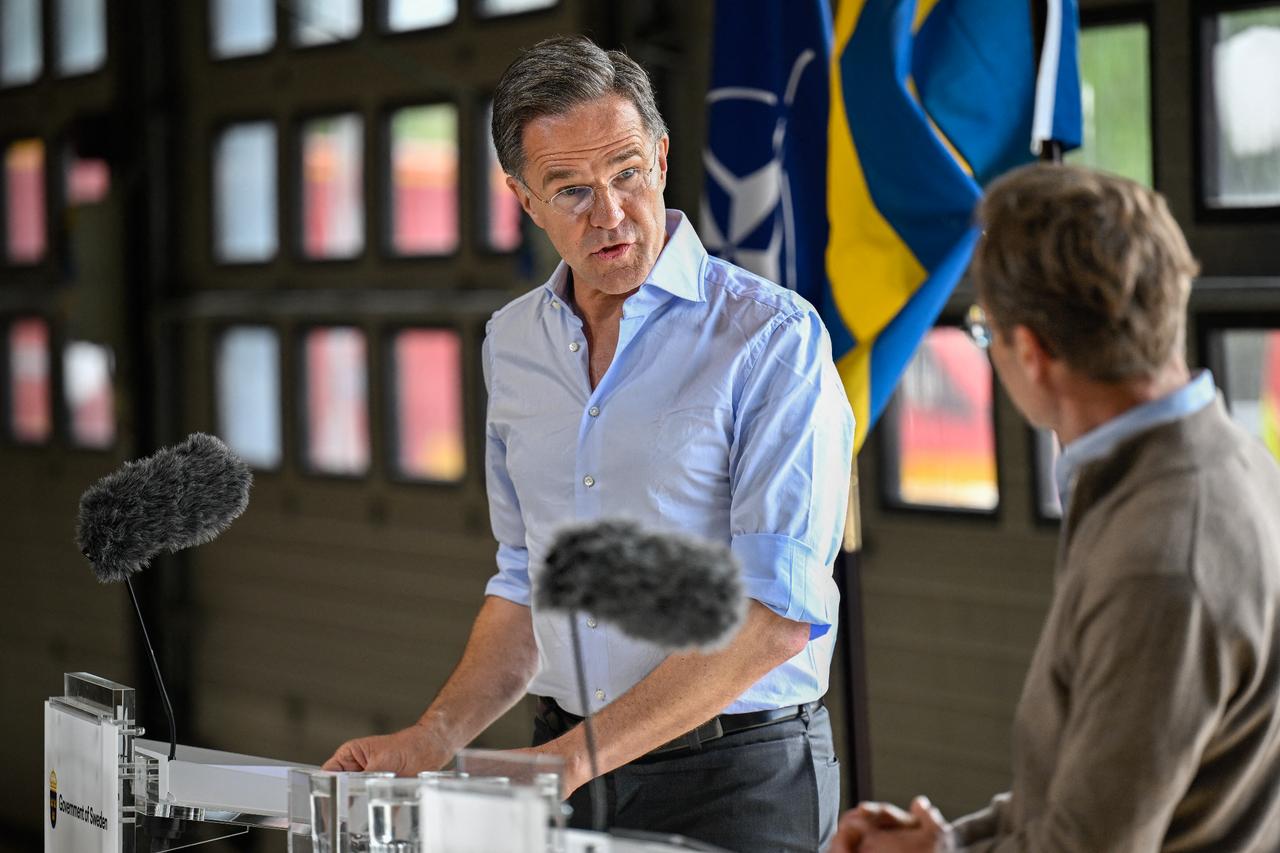
NATO Secretary-General Mark Rutte has argued the review is a logical and positive decision given surging defense budgets in Europe and Canada.
"It is, I think, bringing NATO closer together," he told reporters in July, according to Bloomberg.
"And having a review regularly, I think, is only wise," he added.
According to NATO's 2025 Annual Report, cited in an accompanying chart, the share of NATO defense spending coming from Europe and Canada has been growing relative to the U.S. share, with total alliance defense expenditure in constant 2021 prices estimated to approach $1.5 trillion in 2025, up from roughly $1 trillion in 2015.


 Set as preferred source
 Set as preferred source


 2 min read
 1 min read