Newsletters




For years, Washington’s foreign-policy bandwidth was consumed by conflict management in the Middle East and strategic competition in Asia.
By the second year of Donald Trump’s second term, however, the United States appears to be undergoing a significant recalibration.
The administration is redirecting its diplomatic, military, and economic attention back to the Western Hemisphere, treating the Americas as the country’s primary sphere of influence.
This renewed focus is not limited to rhetoric. It is reflected in military deployments, coercive economic measures, selective partnerships, and leader-to-leader political dynamics.
The shift has become colloquially known as the “Donroe Doctrine,” a half-joking reference to the idea that Washington is reclaiming the hemisphere as its natural strategic home.
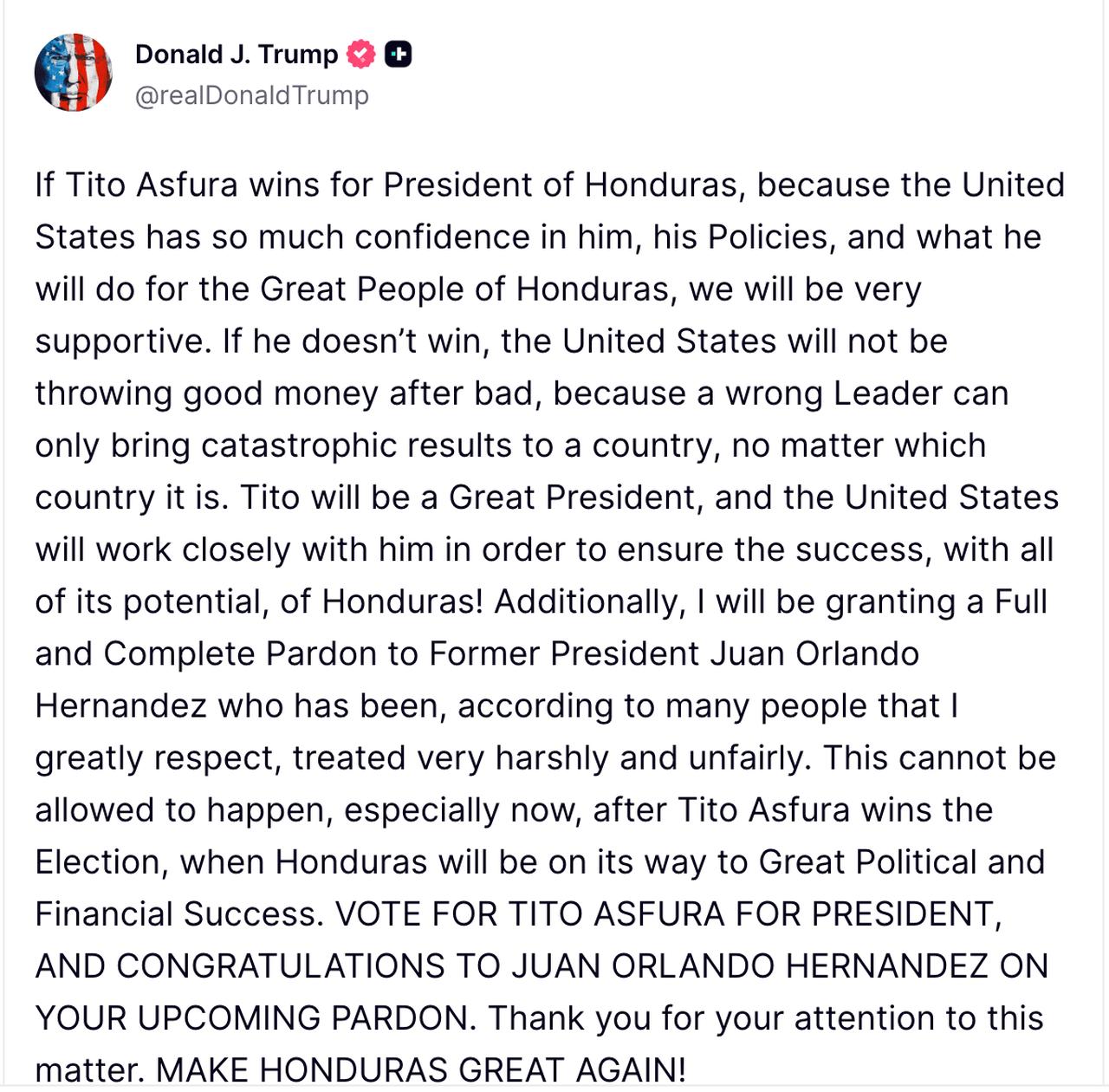
Although Venezuela dominates headlines, the change is broad-based. The same week Washington raised diplomatic pressure on Caracas to its highest point in years, the administration openly weighed in on elections in Honduras and signaled political preferences to voters. The pattern suggests a systematic return, not isolated interventions.

The administration is increasingly sorting regional partners through ideological affinity rather than traditional strategic calculations. This approach is reshaping the hemisphere’s political climate, unsettling some governments while reinforcing ties with others.
El Salvador illustrates the new alignment. President Nayib Bukele’s government enjoys unusually strong backing from Washington, translating into tangible benefits. Agreements worth millions of dollars have been reached to house deported individuals in Salvadoran prisons, and support for extraditing gang leaders has deepened the two countries’ cooperation. The relationship is no longer symbolic; it is operational.
A similar dynamic is visible in Argentina. During Javier Milei’s election period—marked by financial strain—an expansive U.S. funding proposal signaled political solidarity. Such moves have reinforced perceptions that ideological allies receive generous and fast-tracked support.
Not all governments are treated equally. Leaders who hold opposing ideological positions face swift and public friction.
Brazil’s government under Luiz Inácio Lula da Silva encountered steep U.S. tariffs at a moment of domestic political sensitivity. In Colombia, escalating tensions with President Gustavo Petro resulted in the suspension of aid and his inclusion on a US sanctions list.
Even longtime partners such as Mexico and Canada were not insulated from heated rhetoric. A political advertisement in Ontario criticizing tariffs triggered an unusually sharp reaction from Washington, widening bilateral strains with Ottawa.
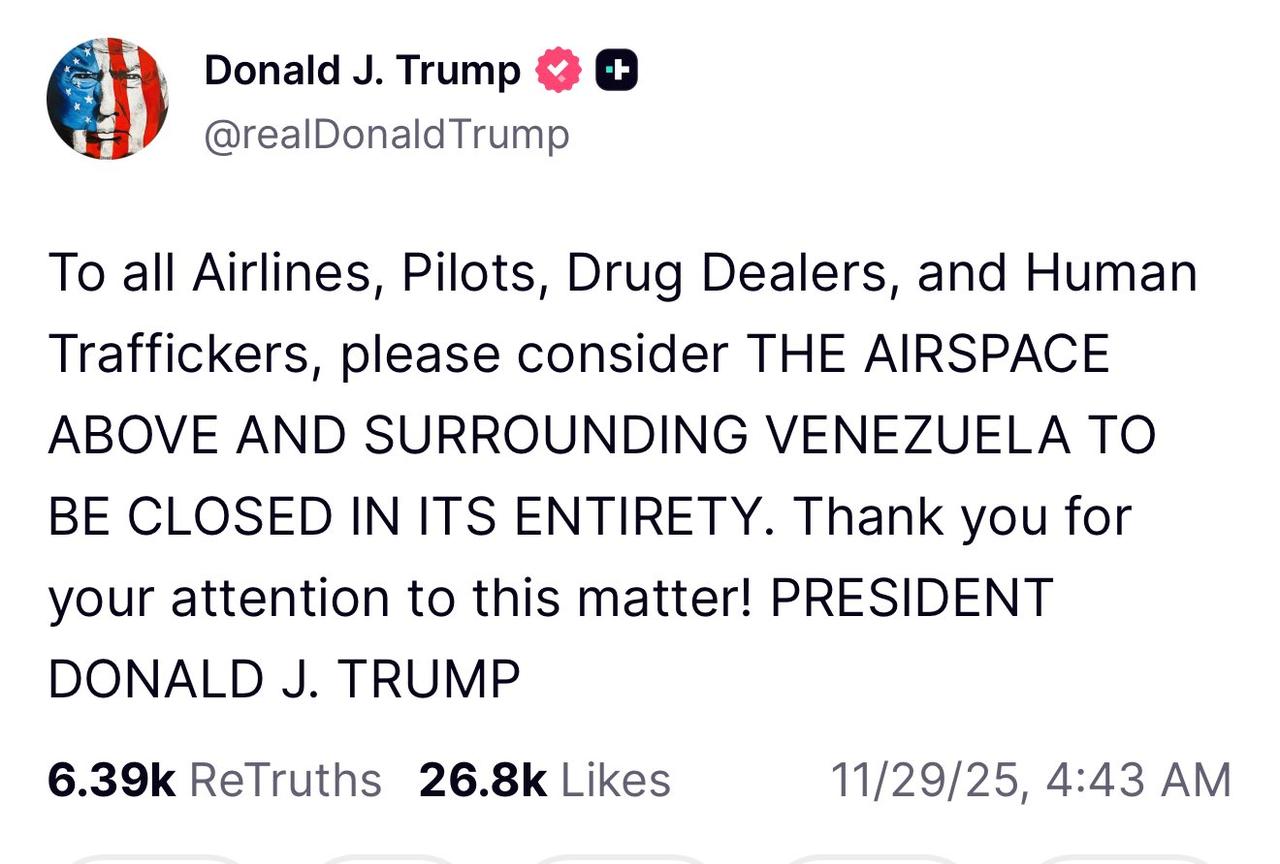
Among all cases, Venezuela stands at the center of this strategic turn. The administration has reclassified Nicolás Maduro not merely as an adversarial leader but as a high-level security threat.
A multimillion-dollar reward for his capture underscores Washington’s efforts to frame the Venezuelan government within an international criminal network narrative. Labeling Maduro as the head of a “foreign terrorist organization” has further intensified speculation about potential military options.
US naval deployments in the Caribbean have reached levels not seen since the post-Cold War period. While Washington cites narcotics interdiction as the mission’s primary justification, regional leaders privately express alarm over the scale and duration of the buildup.
Incidents involving the targeting of vessels off Venezuela’s coast have blurred operational boundaries and fueled legal disputes. The question of whether these moves foreshadow direct intervention is now openly debated across Latin America.
For neighboring governments, Venezuela has become the prism through which broader US intentions are interpreted. The situation functions as both a test case and a warning signal of how far the new approach may extend.
Official messaging frames Washington’s policy shifts around four themes: migration pressures, narcotics flows, unfair trade practices, and countering China’s influence in the hemisphere. These explanations shape force deployments and economic tools on the ground.
Migration control has justified expanded military activity near the Mexican border. Anti-narcotics operations underwrite the heightened U.S. naval presence in the Caribbean.
The effort to limit Chinese investment has placed strategic countries—particularly Panama—under intense scrutiny. Washington has pushed forcefully for Panama’s withdrawal from Beijing’s Belt and Road Initiative while targeting critical ports and infrastructure projects linked to Chinese firms. Early indications suggest these efforts have met some success.
Inside the region, one of the most debated elements is the degree to which personal tensions shape policy outcomes.
The tariff threats against Canada triggered by a political advertisement reflect a pattern in which bilateral disputes evolve as quickly as the political impulses behind them. The blending of personal calculations with strategic priorities adds unpredictability to Washington’s hemispheric posture.
It remains unclear whether the “Donroe Doctrine” constitutes a coherent strategic framework or a patchwork of initiatives driven by different actors in Washington. Some analysts argue that influential advisers guide specific country files, citing examples such as the role of Marco Rubio in Venezuela, Peter Navarro in the Canada disputes, and Scott Bessant in Argentina.
Even if internally fragmented, the cumulative effect is undeniable. The United States is exerting a level of sustained focus on Latin America not seen for decades. The shift has revived debates across the region about Washington’s long-term intentions and the potential re-emergence of a hemispheric doctrine reminiscent of earlier eras.
Governments now assess whether deepened engagement offers political advantage or exposes them to abrupt shifts driven by U.S. domestic politics.
Taken together, these trends signal a structural shift in US priorities. Competition with China and crises in the Middle East are unlikely to disappear from Washington’s agenda, yet Latin America has regained visibility as a central front.
The administration appears determined to reconfigure the regional environment in ways that align with its political and strategic worldview.
This recalibration has produced mixed reactions across the hemisphere. Some capitals welcome renewed attention from Washington, hoping for economic or security cooperation.
Others view the trend with unease, wary of a return to interventionist patterns and the implications of a more forceful US presence.
Regardless of perspective, the Western Hemisphere’s reemergence at the center of U.S. foreign policy marks a consequential turning point. With China’s foothold in the region becoming a primary target, the ripple effects extend well beyond Latin America, shaping global power dynamics at a moment of uncertainty and intensifying competition.


 Set as preferred source
 Set as preferred source


 3 min read