Newsletters


The Biden and Trump administrations repeatedly asked SpaceX to switch its Starlink service on or off in several countries, well before Ukraine's military access was throttled this month, six former senior U.S. officials told Reuters.
The requests included cutting service to Iran-backed militias in Yemen and Lebanon and turning it on inside Iran and Ukraine, the officials said, revealing how deeply Washington has relied on Elon Musk's company to carry out foreign policy.
Soon after Russia's full-scale invasion of Ukraine in 2022, Biden officials pushed SpaceX to expand Starlink use for the Ukrainian military, two of the former officials said.
"The Biden administration also asked SpaceX to turn on Starlink in Iran during protests that began in September 2022 after the death of Mahsa Amini, who was arrested for not wearing her hijab properly," one former official said.
"The administration helped move terminals into the country," the official said, declining to say how many.
Trump's administration discussed with Musk and SpaceX getting terminals into Iran and activating them after U.S.-Israeli strikes in June 2025 and February 2026, a former senior Trump official and a person familiar with the matter told Reuters.
The aim was to bolster internet access for anti-government protesters.
Neither the administration nor SpaceX has publicly confirmed those terminals were turned on. The Wall Street Journal (WSJ) reported in February that the U.S. government had sent thousands of Starlink terminals into Iran.
Musk has also acted independently.
In 2022, he ordered SpaceX staff to cut coverage in areas Ukraine was trying to retake, surprising White House officials, according to Reuters. He has said he refused a 2022 Ukrainian request to activate the network in Sevastopol, Crimea, to aid an attack on Russia’s fleet, citing fear of complicity in a major act of war.
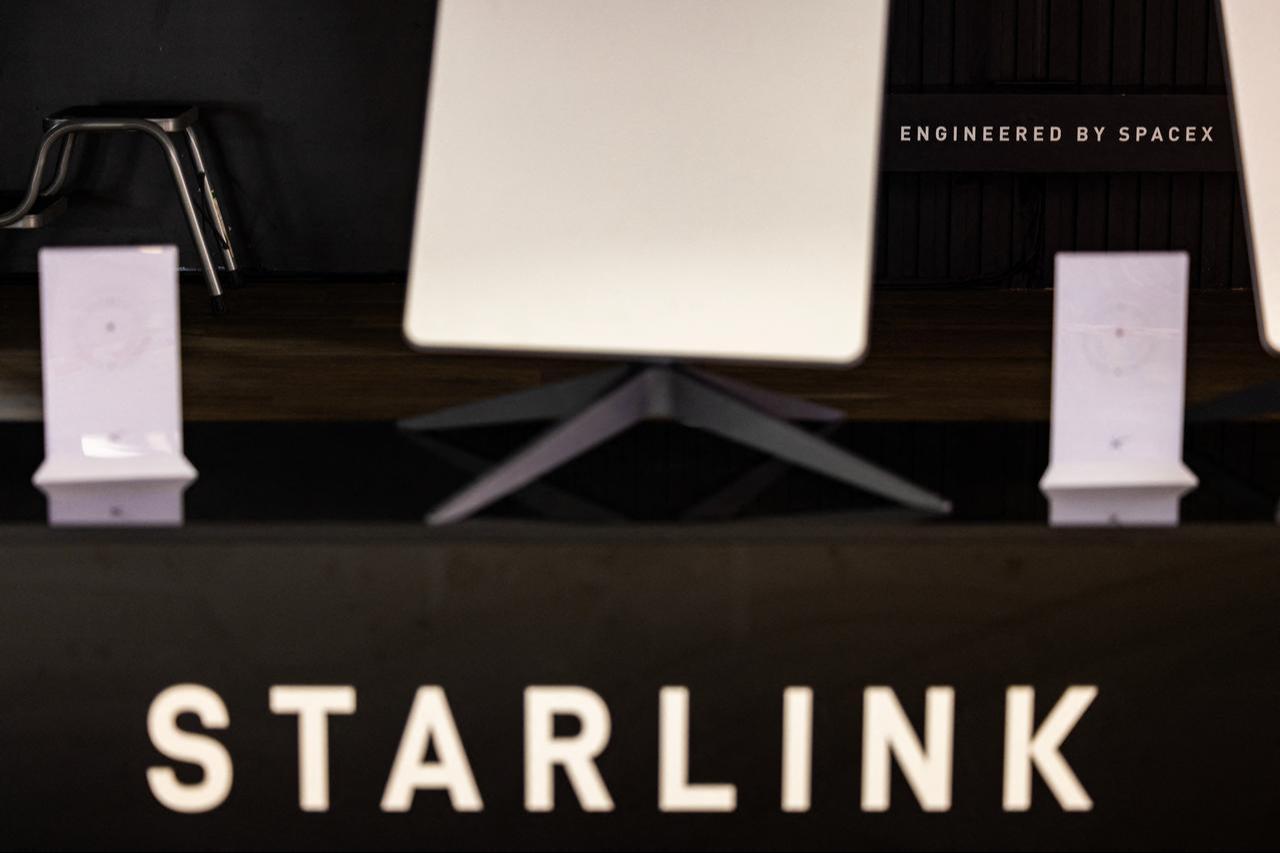

Biden officials coordinated with SpaceX to cut service to U.S. adversaries and expand it for allies, five of the former officials told Reuters, with talks usually including Pentagon and White House officials.
Officials several times shared intelligence with SpaceX indicating the Houthis and Hezbollah were using diverted Starlink terminals that reached them through intermediaries, the former officials said.
In October 2023, during fighting between Israel and Hezbollah in southern Lebanon, intelligence officials told the White House that people linked to the group could have gained access to terminals.
Officials raised similar concerns about the Houthis in 2024 during a U.S. air campaign against the group.
In both cases, the administration asked SpaceX to identify and shut off the terminals. At least some were deactivated, two of the officials said.
In a 2024 submission to the U.S. Commerce Department’s Bureau of Industry and Security, SpaceX said it works closely with U.S. agencies on export authorizations and to safeguard technology in support of U.S. national security and foreign policy goals.

Ukrainian President Volodymyr Zelensky said last week that his country’s access to Starshield, the military version of Starlink, had been intentionally limited, hurting the performance of its drones. He said Starlink speeds were also reduced.
Trump called Musk on Wednesday and asked him to lift the restrictions, U.S. officials told The Wall Street Journal. Trump said he was frustrated speeds remained capped at around 100 mph, the officials said.
"I don’t comment one way or the other," Trump said Thursday when asked about the call. "The bottom line: He put it back."
Ukraine's Defense Ministry sources told the BBC on Friday that drones were still losing connection at 161 kph (100 mph). They said there was "currently no confirmation that these restrictions have been lifted."
Some Ukrainian units tested drones at 125 mph on Thursday, but most of the military still reported failing connections at higher speeds as of Friday, according to the WSJ.
"We keep waiting for the information and clarification from the American side about the situation. There is no response yet," a Ukrainian official said.
Zelenskyy said Friday the speed had not been restored.
"I am waiting to hear from U.S. Secretary of State Marco Rubio. He promised to get back to me with information within 48 hours or so," he said Thursday.
Asked Friday, Trump said: "If there is a problem, I will get it straightened out."
"I have not spoken to him. I might have to, but I have not. I’ve heard it was fixed, but if it’s not, I’ll speak to him," Trump added.
Reuters has reported the order to throttle Starshield came from inside the White House.
The WSJ reported Musk ordered the slowdown. The White House has repeatedly denied deliberately limiting the network, and Trump has said he did not give the order or know who did.
Musk said in a social media post: "Starshield systems are owned and controlled by the U.S. government. Any limits on speed or usage are decided by the U.S. military and ultimately (by the president of the United States)."
Defense Secretary Pete Hegseth said Tuesday the Pentagon had not directed any changes. "There are terms of service that ultimately need to be complied to, and that’s where Starlink has the option to make those decisions," he said.
U.S. Vice President JD Vance said, "It’s completely understandable that he doesn’t want to get in the middle of a war without the U.S. government effectively directing him on what to do."
"I don’t think this is about Elon. I think it’s fundamentally about what America’s policy in Ukraine and Russia is going to be," Vance said.
Trump rejected suggestions Musk has too much power. "I don’t think he does," he said Friday. "I know him very well, he’s a fair person and you know it’s an unusual situation where they’re talking to a private company. But he’s not going to do anything that’s wrong."
The slowdown began days after Trump and Musk criticized Zelenskyy for strikes on Russian refineries, which Trump blames for higher energy prices. Trump has since called for Zelenskyy's replacement after criticizing a U.S. deal that allows more Russian diesel into global markets.
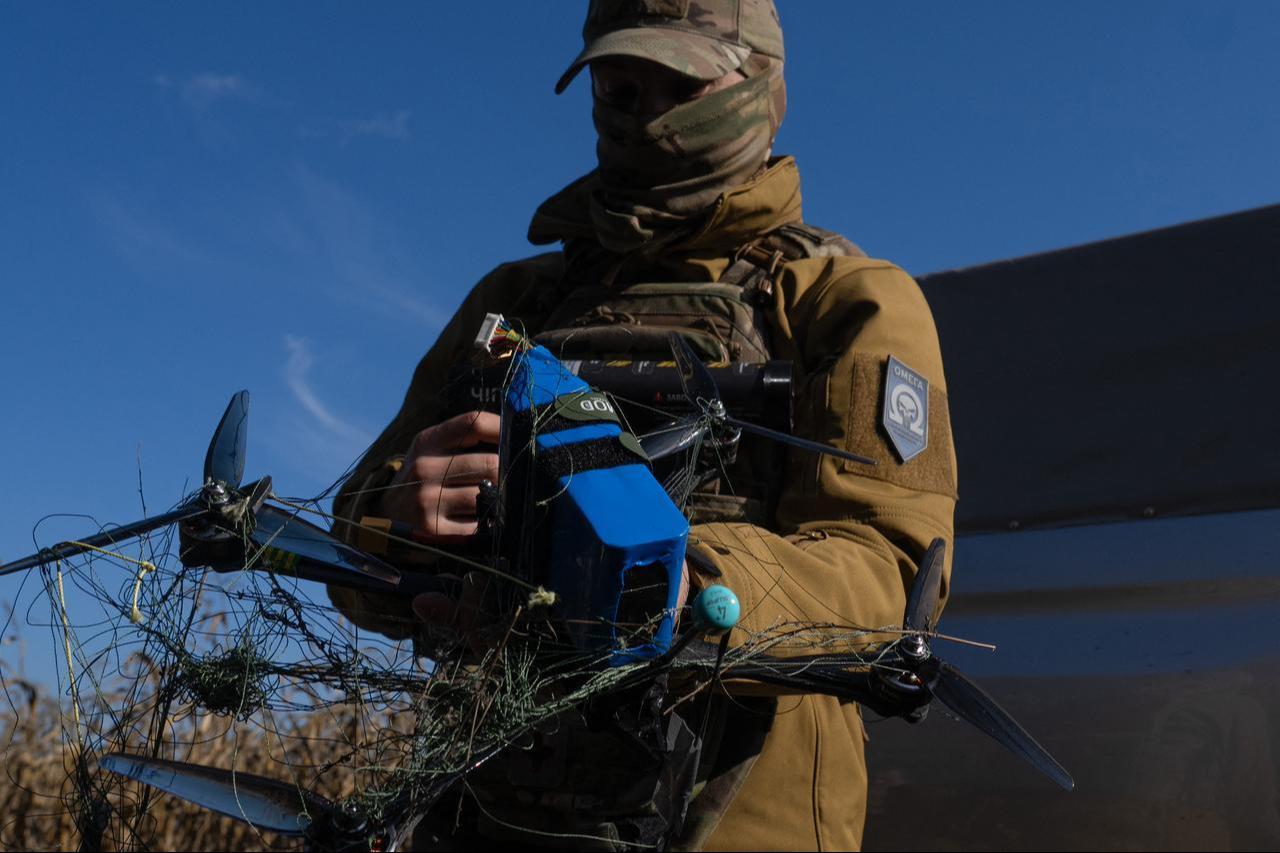
Starshield receivers, largely impervious to radio jamming, guide Ukrainian drones and link them to remote pilots, including deep behind Russian lines inside Ukraine.
The networks use 10,000 satellites.
One Ukrainian soldier told the BBC there was "simply no alternative" to Starshield. "I’ll tell you this much: God forbid they shut it off completely; it would be an absolute catastrophe," he said, adding, "We need a backup option for securing communications and internet."
"Even one or two seconds is critical when we can transfer data and orders faster," another soldier said, noting, "You can really feel that advantage on the battlefield."
"Removal of the throttle limit will do much to enable Ukraine’s strike capabilities at operational depths and its current effort to scale up deployment of jet-powered interceptors," said Michael Kofman of the Carnegie Endowment for International Peace, who spoke to WSJ.
The restrictions have also rattled European officials, some of whom argue Europe must build its own military satellite communications because no viable short-term alternative to Starlink service exists.


 Set as preferred source
 Set as preferred source



 1 min read