Sign in
 Newsletters




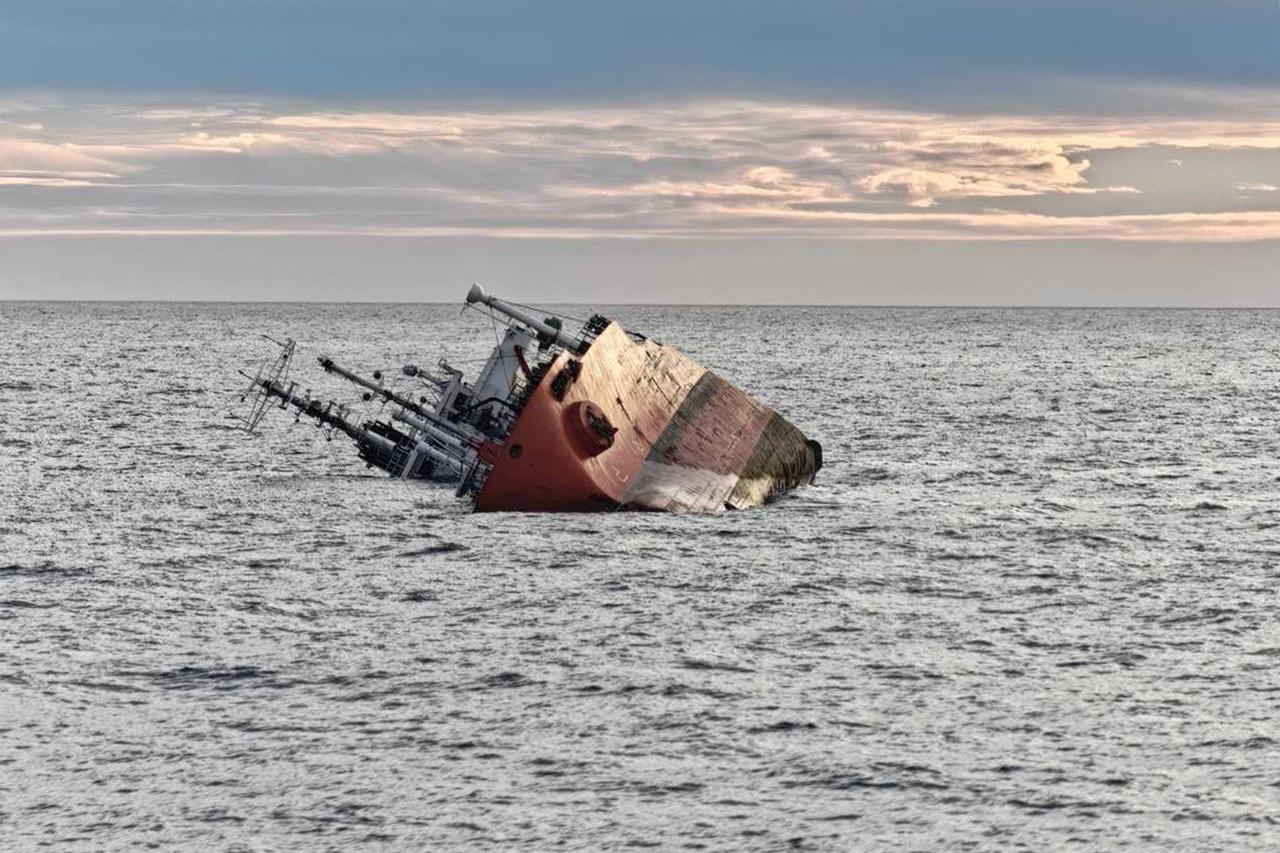
The United States is investigating possible Iranian involvement in cyberattacks on as many as 50 commercial ships carrying oil, liquefied natural gas, chemicals and other hazardous cargo, some accompanied by bomb threats, The Wall Street Journal (WSJ) reported Monday, citing U.S. officials.
Iran is a primary suspect, though U.S. authorities are also examining possible Russian involvement, according to the report.
A Trump administration official told the newspaper the U.S. had found no evidence of Iranian involvement and described four attacks as little more than a minor nuisance with no real impact.
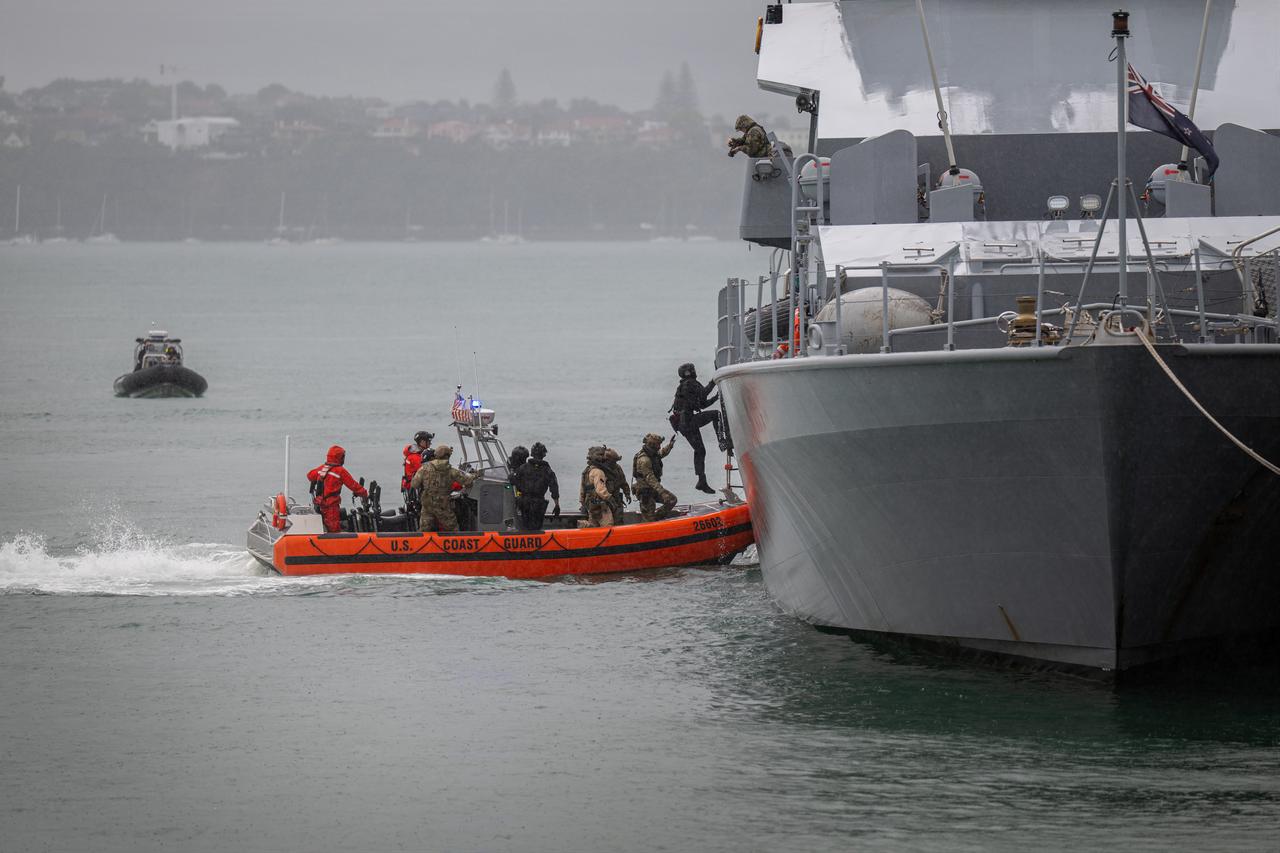
The U.S. Coast Guard (USCG) has deployed cyber protection teams to at least four ships approaching the U.S. in recent weeks to address security vulnerabilities before they continued to American ports, according to the report.
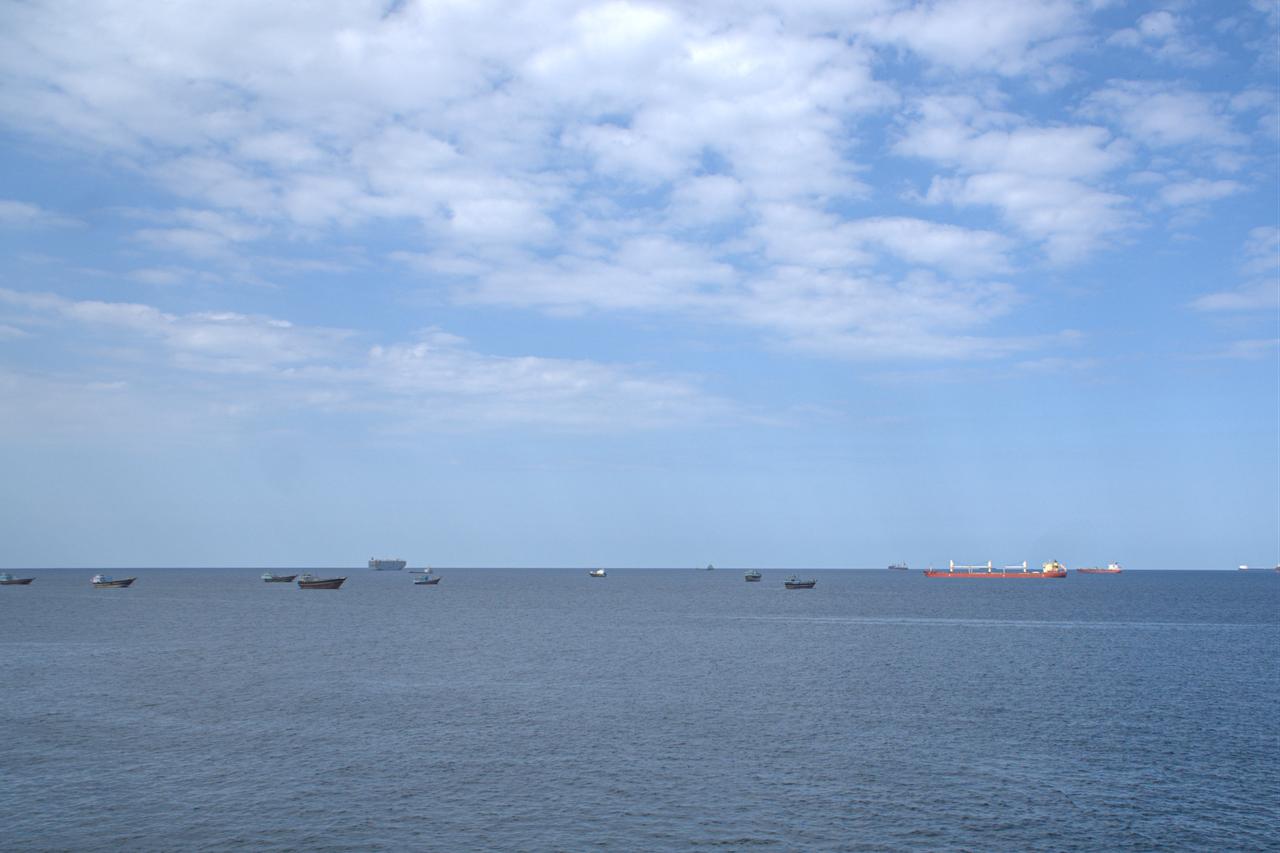
Other targeted ships are operating near Europe and Asia.
Among the vessels targeted were the VL Prosperity and the Kohaku, both bound for Texas, which received bomb threats.
A ransom-style letter published on a Russian-language Telegram channel accused the VL Prosperity of illegally carrying Saudi oil to U.S. ports and supporting U.S. and Israeli interests, though its origin could not be determined.
The ship's manager said it was screened and cleared for normal operations.
The Vivit Africa, carrying U.S. LNG to Italy, also received a bomb threat and sailed irregularly as it approached the Italian coast, according to ship-tracking data cited by the newspaper.
A European shipowner said two officers received threatening messages last month while delivering gas from Louisiana to the Mediterranean, and some ships received warnings in Farsi not to load American products.

The attackers are exploiting a vulnerability in Fortinet routers widely used in the maritime industry, according to U.S. officials cited in the report.
In September, the U.S. Coast Guard Cyber Command and the FBI issued an alert about nation-state actors exploiting flaws in Fortinet FortiGate devices used by shipping companies.
"The uncomfortable truth is that most vessels sailing today have less cyber protection than a midsize office," Alon Ayalon, co-founder of Israel-based maritime cybersecurity firm Cydome, told the Journal.
Shipping analyst Lars Jensen said the idea of a hacked ship being driven into a bridge or blown up in port is unrealistic because vessels have manual overrides, but attackers can temporarily disable systems, issue threats or demand ransom and cause costly delays, according to the report.
The probe comes as Iran continues physical attacks on ships near the Strait of Hormuz, where UKMTO recorded more than 30 incidents in October, and as Director of National Intelligence Jay Clayton told lawmakers Iranian threats have "substantially increased," as the U.S. weighs an Iranian role in the ship cyberattacks.


 Set as preferred source
 Set as preferred source


 2 min read