Sign in
 Newsletters


Russia ruled out any new Black Sea grain deal at a U.N. Security Council meeting Monday, accusing Ukraine of attacking more than 200 commercial vessels since July, including ships it said belonged to Türkiye, as Kyiv accused Moscow of devastating its energy grid and stealing its grain.
"I dwelt on this in detail to ensure that nobody here has any doubt about the fact that we will not accept any new grain deal, which in practice is nothing other than a scheme of Ukrainian food in exchange for Western weapons," Russia's representative told the council briefing on Ukraine's energy infrastructure and Black Sea shipping.
Under the 2022-2023 Black Sea Initiative, countries in need received only 3% of exported grain while up to 70% of Ukrainian agricultural products went to the EU and Western markets, the Russian envoy said.
"We were not the ones to open Pandora's box," the Russian representative said, citing Russian Defense Ministry figures that Ukrainian forces had targeted more than 200 commercial vessels in the Mediterranean, Black, Azov, Caspian and Baltic seas since July 2026, killing or wounding 12 seafarers.
In August in the Black Sea, Ukrainian forces "targeted several vessels simultaneously belonging to Türkiye," the envoy said, listing the Cameroon-flagged cargo ship Nadezhda, the dry cargo vessel Yasar and the Volgo-Balt 226.
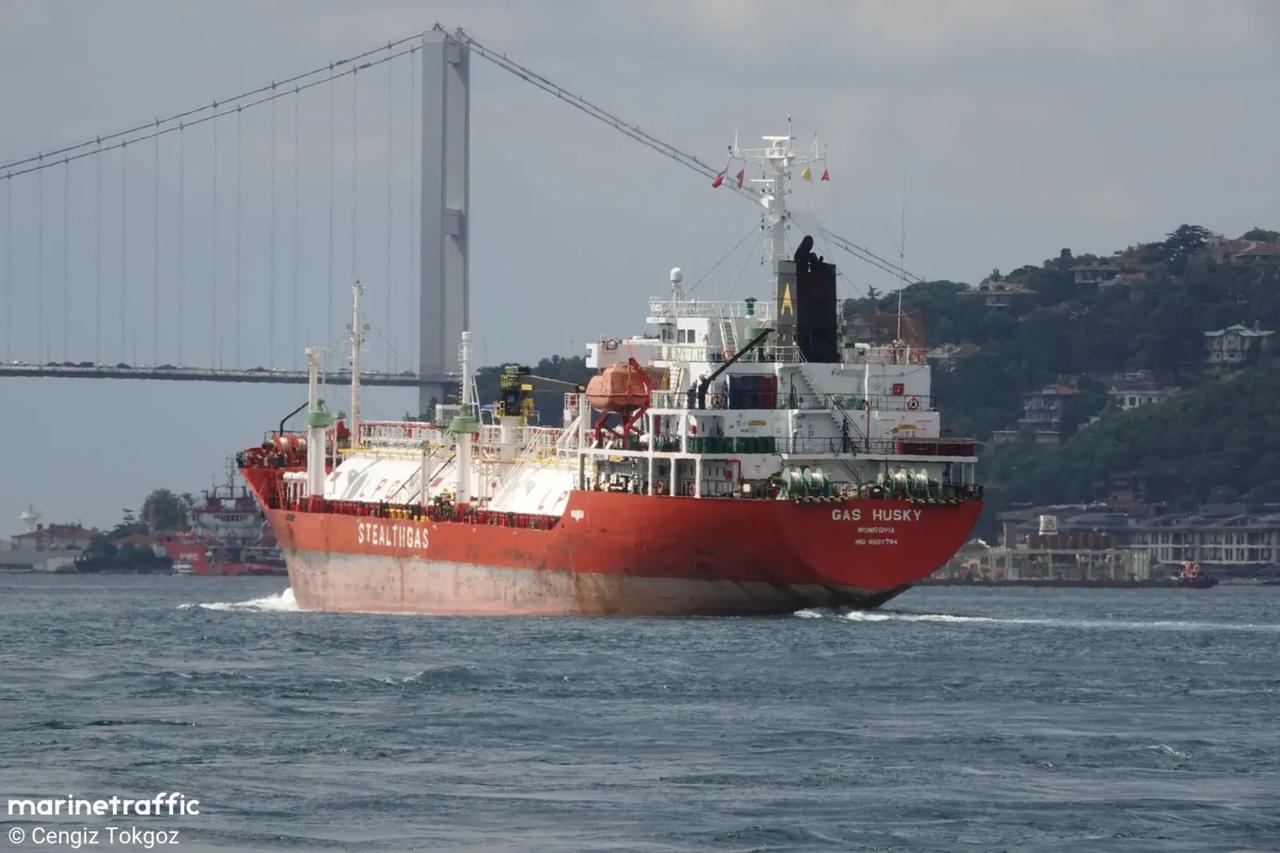
The envoy also cited the March attack on the LNG carrier Arctic Metagaz in the Mediterranean and the Nov. 21 drone strike on the cargo ship Sparta II in the Gulf of Finland, calling it "the very dangerous trend of expansion of terrorist activity to the Baltic region."
Russia says it strikes only military-logistical vessels and dual-use facilities.
At the close of the session, the Russian representative accused Kyiv of "criminally expanding the scope and geography" of attacks after Ukraine claimed strikes off Libya that sank the Russian corvette Merkury.

"Since mid-July, not a single day has passed without the Russian attack on Ukraine's energy system," Ukraine's representative said, adding that every power plant in Ukraine had been damaged and more than 800 units of energy equipment hit. November strikes shut down three thermal plants and left more than 850,000 people without power, he added.
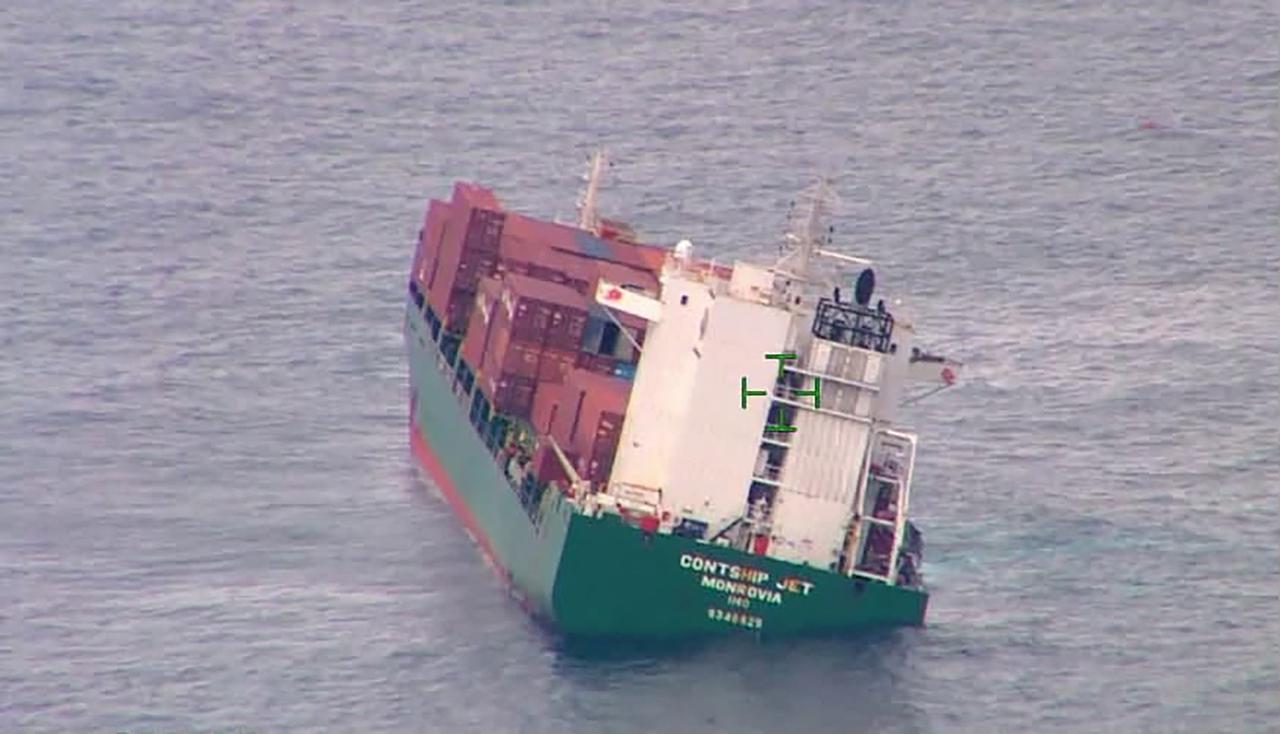
Russian attacks on civilian ships rose from 25 in all of 2025 to 89 between June and August this year, the Ukrainian envoy said, citing a Nov. 14 drone strike on the Palau-flagged Larisa 1 in Romanian territorial waters.
Russia is shipping grain from occupied territories through a "shadow grain fleet," he said, adding, "Grain stolen from Ukrainian land must be seized, not bought, and it won't bring you any good."
"Crimea is Ukraine, and everything on Ukrainian territory is Ukrainian, including the so-called Kerch Bridge," the envoy said, calling for more Patriot PAC-3 interceptors.
He said Ukraine had offered to halt strikes on Russian refineries if Russia stopped hitting civilian energy facilities. "Russia said no."
"Russia chose to invade Ukraine. Russia continues its aggression. And Russia bears full responsibility for this war," he said in a right of reply.
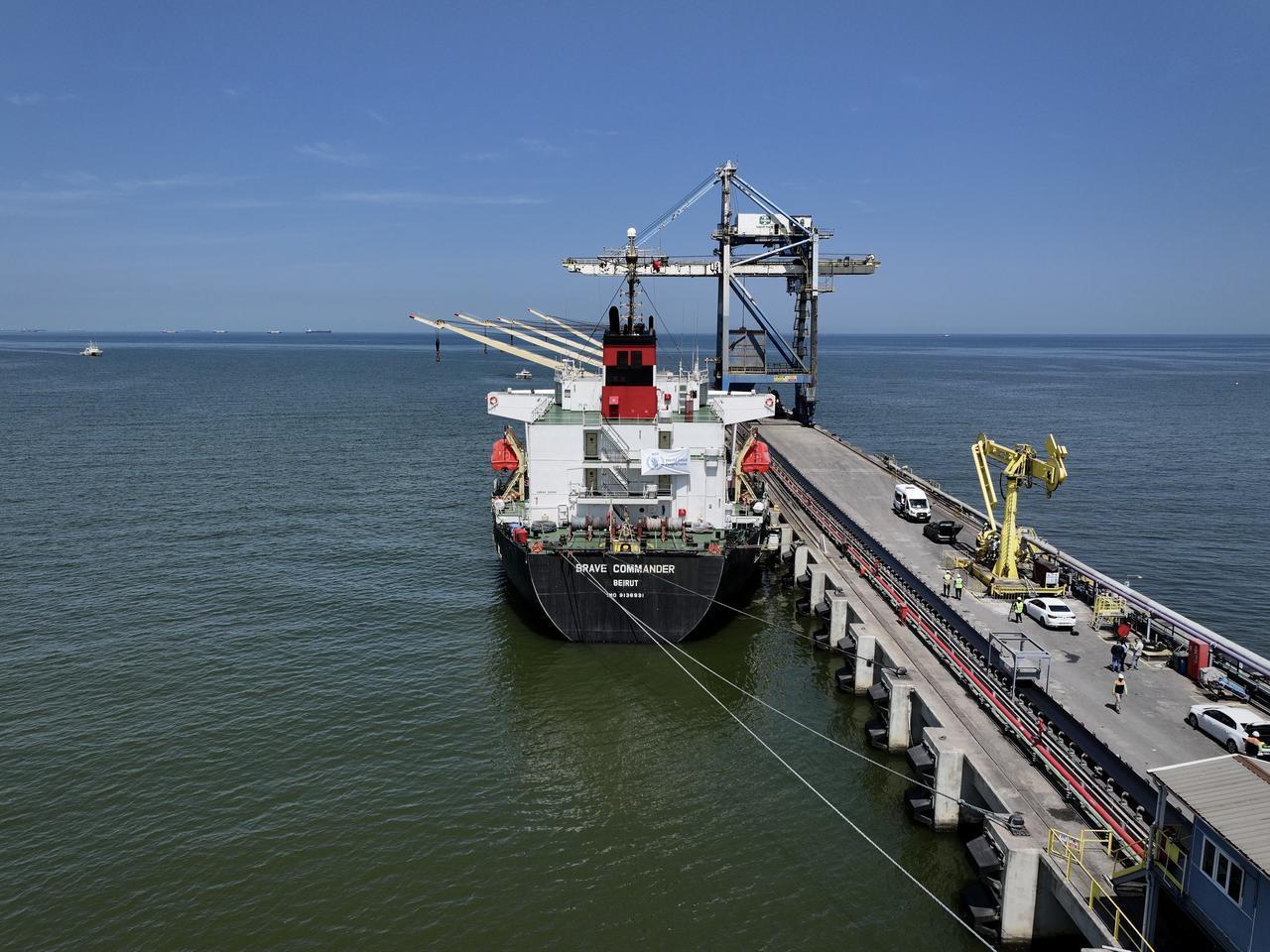
"Attacks in the Black Sea and surrounding ports must stop. We urge Russia and Ukraine not to further strain the global food system," the U.S. representative said, adding, "Food distribution sites must not be hit. Colleagues, the best way to protect food supplies on the Black Sea is for the war to end."
The U.S. envoy said Washington, Ukraine and European partners were making "meaningful progress" on four fronts: security guarantees, a path to EU membership for Ukraine, a postwar prosperity plan and postwar security arrangements, building on talks in Abu Dhabi that brought Ukraine and Russia together "for the first time since February."


 Set as preferred source
 Set as preferred source


 1 min read
 1 min read