Newsletters


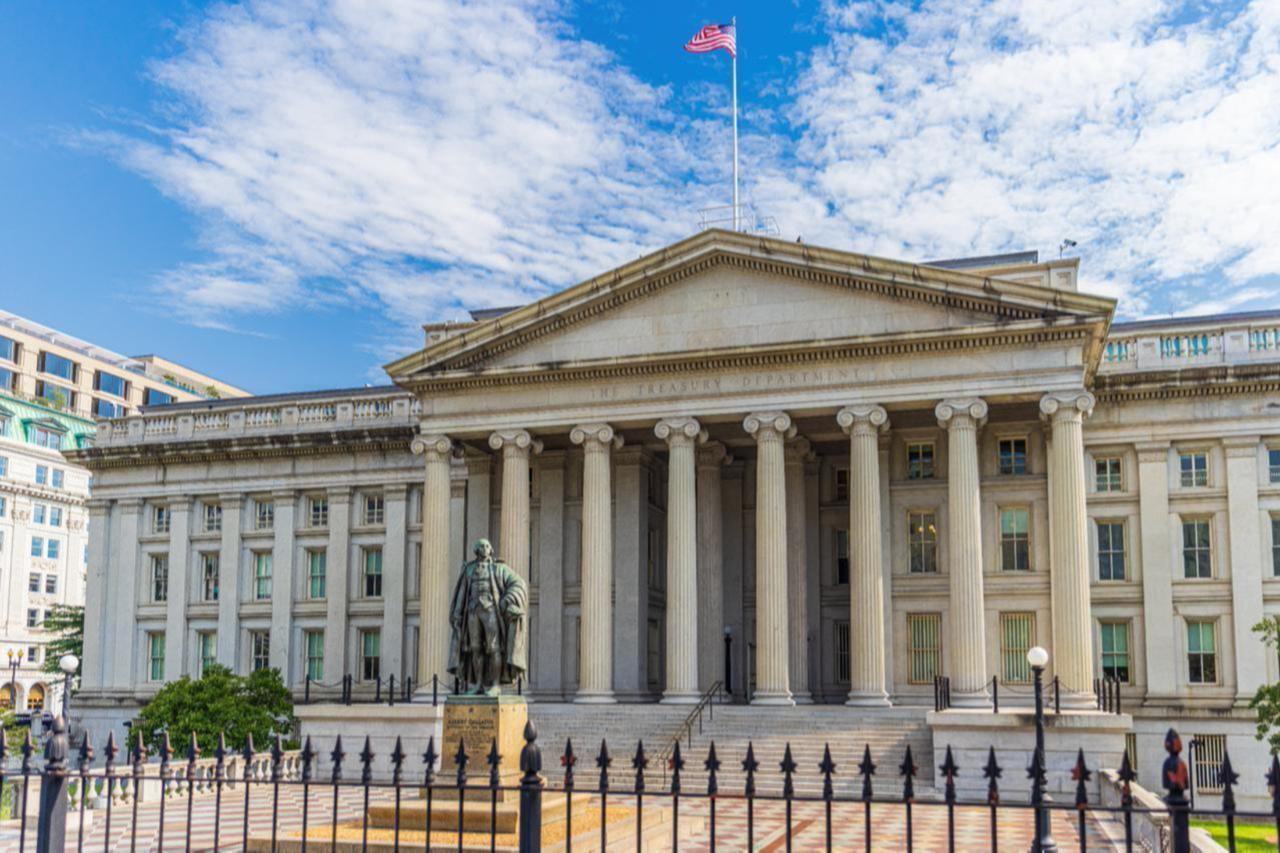


The United States on Thursday imposed sanctions on eight entities, two individuals and five petroleum tankers tied to Cuba. The measures add to a continuing campaign of economic pressure on Havana.
The State Department said the designations aim at the Cuban military’s “illicit” revenue streams and energy supply networks, as well as government “elites” and Chinese defense contractors that supply equipment to the island’s armed forces. The Treasury Department’s Office of Foreign Assets Control separately widened its secondary sanctions authority, so any foreign person operating in Cuba’s manufacturing, technology, electronics or marine sectors now faces potential penalties.
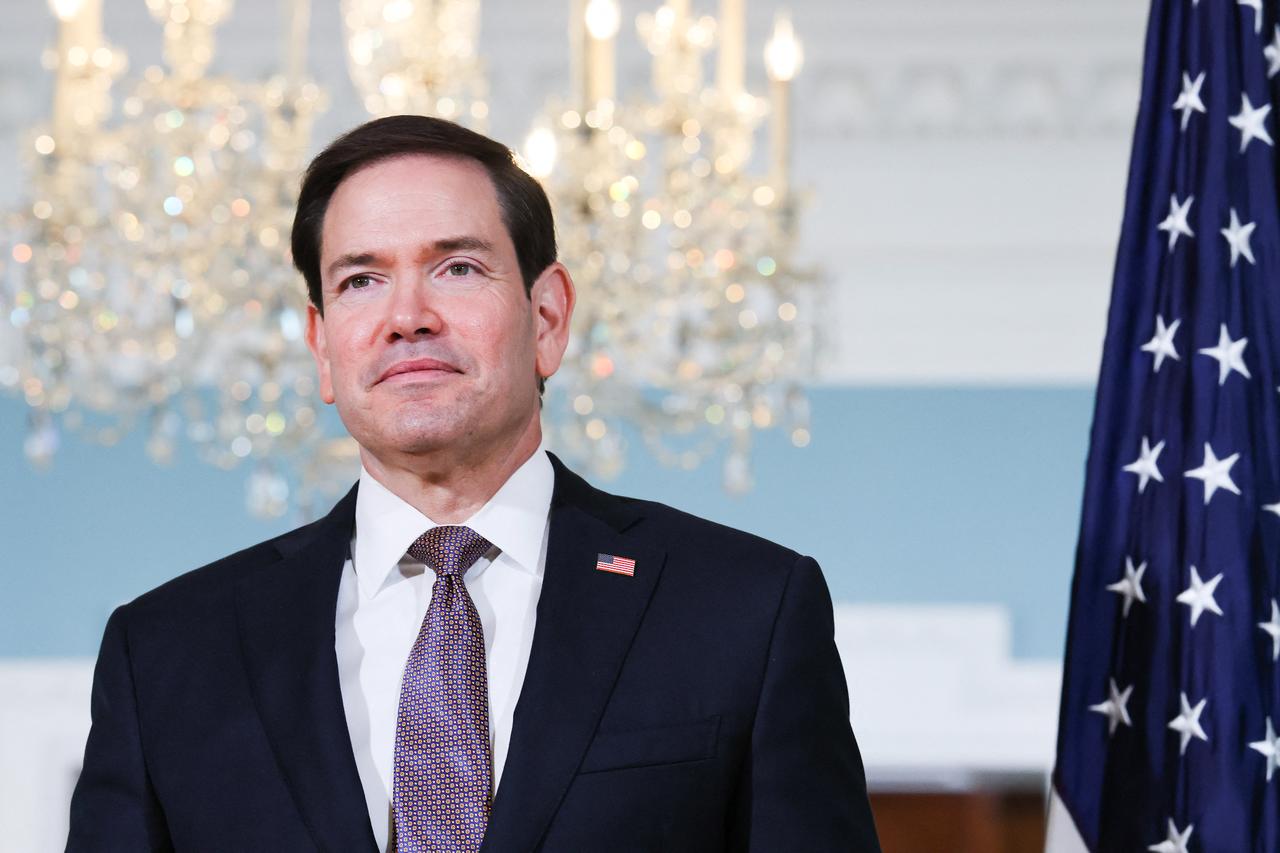
Secretary of State Marco Rubio said in a statement that Cuba’s ruling elite is hoarding the island’s energy, shipping and technology resources for its own enrichment. He said this leaves ordinary Cubans with blackouts, shortages and a stagnant economy.
Rubio argued that Havana depends on joint ventures and offshore networks, while foreign suppliers deliver military hardware that keeps the armed forces strong and enables domestic “repression.” He said Washington will not let Cuba become a platform for “hostile” actors to “threaten, spy on, and plot against the United States.”
Cuban Foreign Minister Bruno Rodriguez responded on X. He said the Cuban people had endured an “unprecedented reinforcement” of the US economic blockade over the past 10 months. He also cited an “energy siege equivalent to a naval blockade” and the application of secondary sanctions.
The United States has maintained a trade embargo on Cuba since the early 1960s. Cuban officials routinely call it a blockade and blame it for the country’s economic hardship.
Two Chinese state-owned defense contractors were designated for providing material and technological support to the Cuban armed forces. According to the State Department, that support was channeled through Sociedad Mercantil Duna S.A., a procurement firm.
Authorities also sanctioned Any Rodriguez Lastres, the former commercial director of logistics and port infrastructure at the Mariel Container Terminal. She is the daughter of Ania Guillermina Lastres Morera, who leads the military’s commercial conglomerate, GAESA. The group is widely described as a dominant force in the Cuban economy.
The sanctions come as Cuban residents deal with prolonged power blackouts, repeated grid failures, and severe shortages of basic goods, food and medicine.
President Donald Trump recently predicted that Cuba’s leadership would not remain in power much longer, and suggested Washington could turn its attention to the island. “It’s a failed country. We’re going to get people back there very soon,” he said, adding that Rubio was closely monitoring the situation.


 Set as preferred source
 Set as preferred source


 1 min read

 1 min read