Newsletters


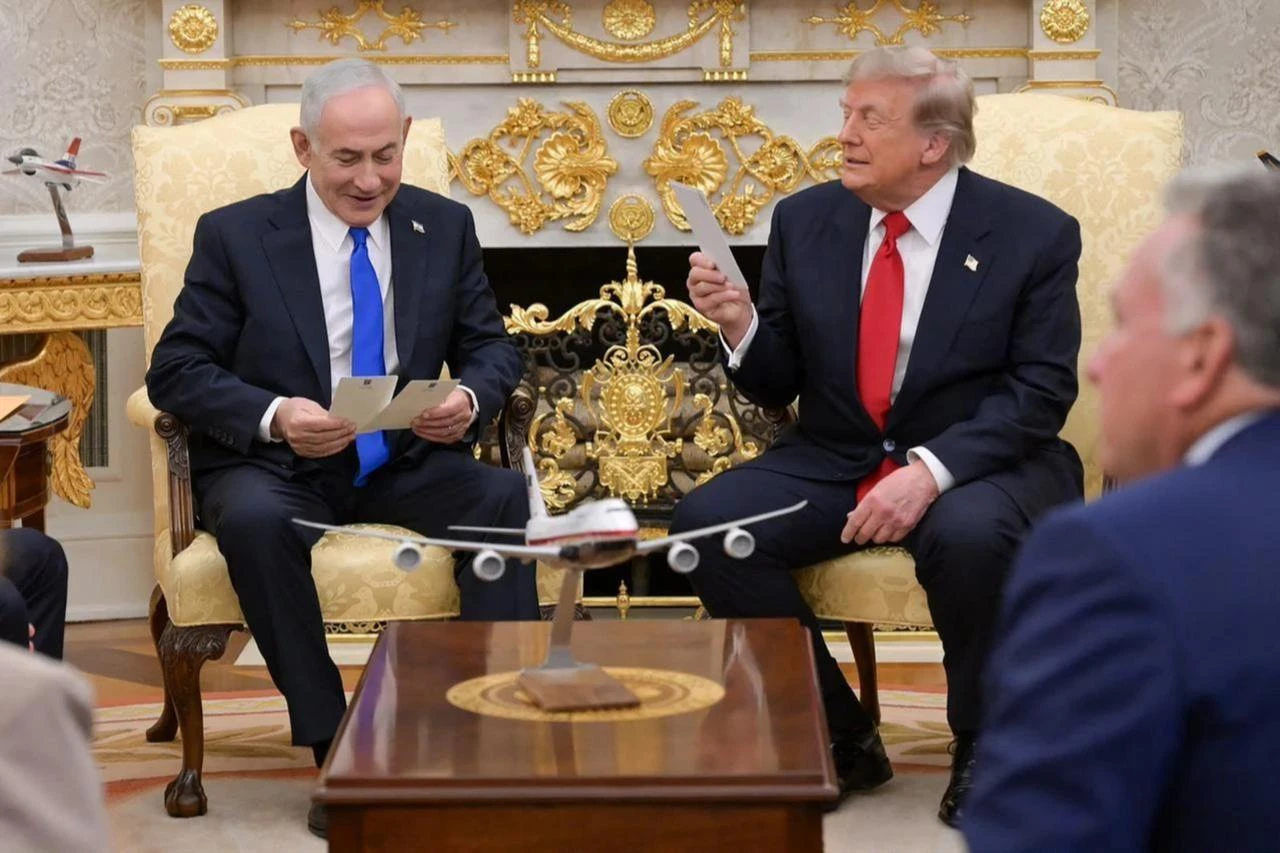


The Trump administration is "not troubled" by Israeli Prime Minister Benjamin Netanyahu's public rejection of a US-backed roadmap for Gaza, viewing his remarks as a function of domestic political pressures rather than a genuine break with Washington, Israel's Channel 12 reported Sunday, citing a senior US source.
"We are not troubled by those comments from Netanyahu," the source told the broadcaster, adding that Washington understands "his political needs" during the current election period and has "no problem with that," provided he continues "to do what we ask, especially as regards reining in the strikes in Gaza."
Netanyahu rejected early Sunday a 15-point roadmap endorsed by US President Donald Trump's Board of Peace that calls for an eventual Israeli withdrawal from the Gaza Strip. He insisted instead that Israeli military will remain in the territory until Hamas is disarmed.
Channel 12 reported that Netanyahu raised his doubts directly with Trump's envoy and son-in-law, Jared Kushner, in a call last week, telling him he did not believe Hamas would agree to disarm.
Despite his public rejection of the roadmap, Netanyahu indicated he was prepared to give the plan a chance in practice, according to the report. He has scaled back Israeli attacks in Gaza and held troops behind the so-called Yellow Line, the boundary separating army-controlled areas from zones where Palestinians are permitted to move. The line encompasses roughly 70% of the Gaza Strip.
Channel 12 said US officials believe Netanyahu has upheld that pledge, with no attacks reported in Gaza over the past five days and Israeli military staying behind the line. Officials reportedly see this record as leverage to press Hamas, telling the group that with the lull holding, it now needs to begin disarming.
The dispute centers on timing. Israel maintains that Hamas' disarmament must be completed before any troop withdrawal begins. The roadmap put forward by the Board of Peace, and accepted by Hamas, instead calls for disarmament and withdrawal to proceed gradually and in parallel.
The plan's second phase envisions transferring administration of Gaza to a Palestinian technocratic committee, deploying an international stabilization force, placing weapons under a National Committee for Gaza Administration operating under international supervision, and pairing a phased Israeli withdrawal with reconstruction efforts.
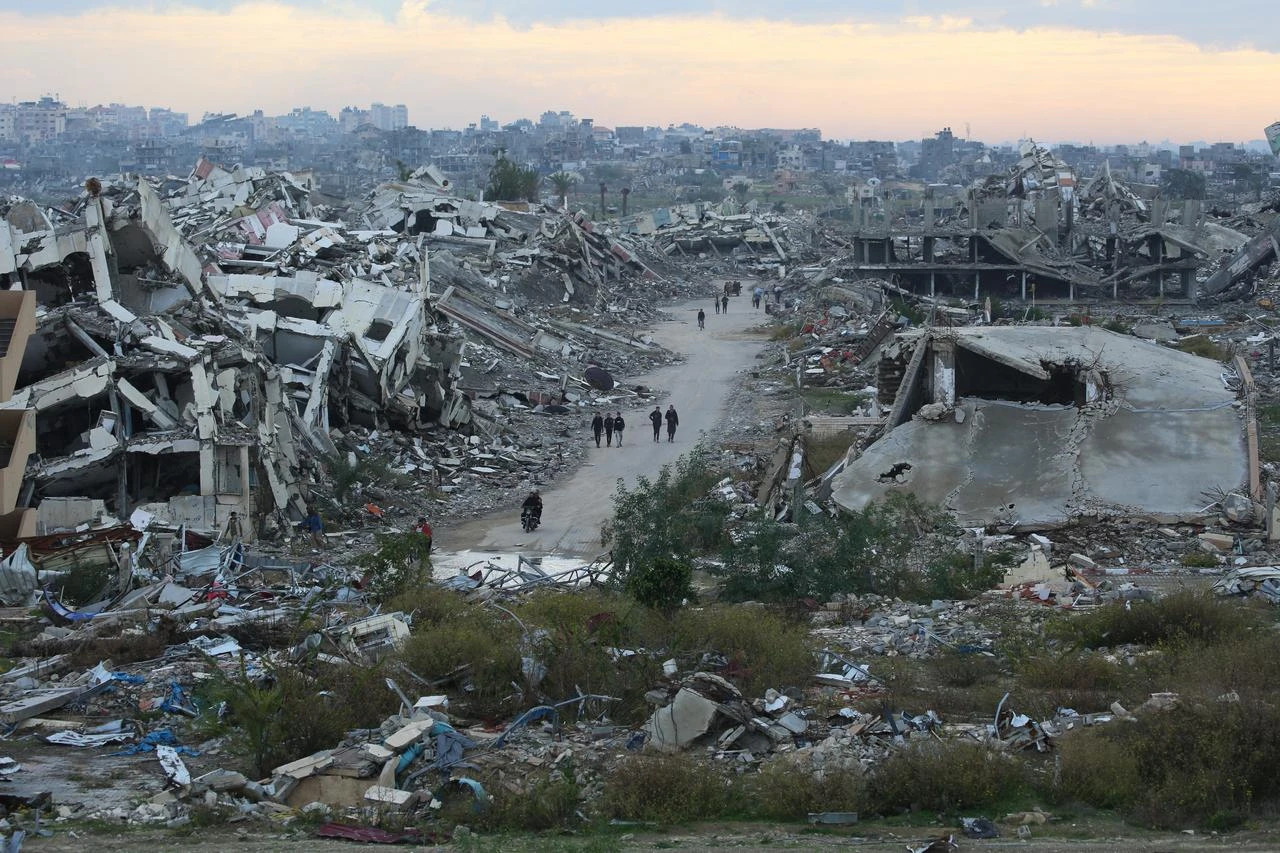
A ceasefire took effect on Oct. 10, 2025, as part of the first phase of Trump's Gaza plan. Israeli military have nonetheless continued daily strikes since then, killing at least 1,258 people and wounding 4,139 others, according to Gaza's Health Ministry. The ministry says the broader Israeli offensive, underway since October 2023, has killed more than 73,000 people and injured over 174,000 others.
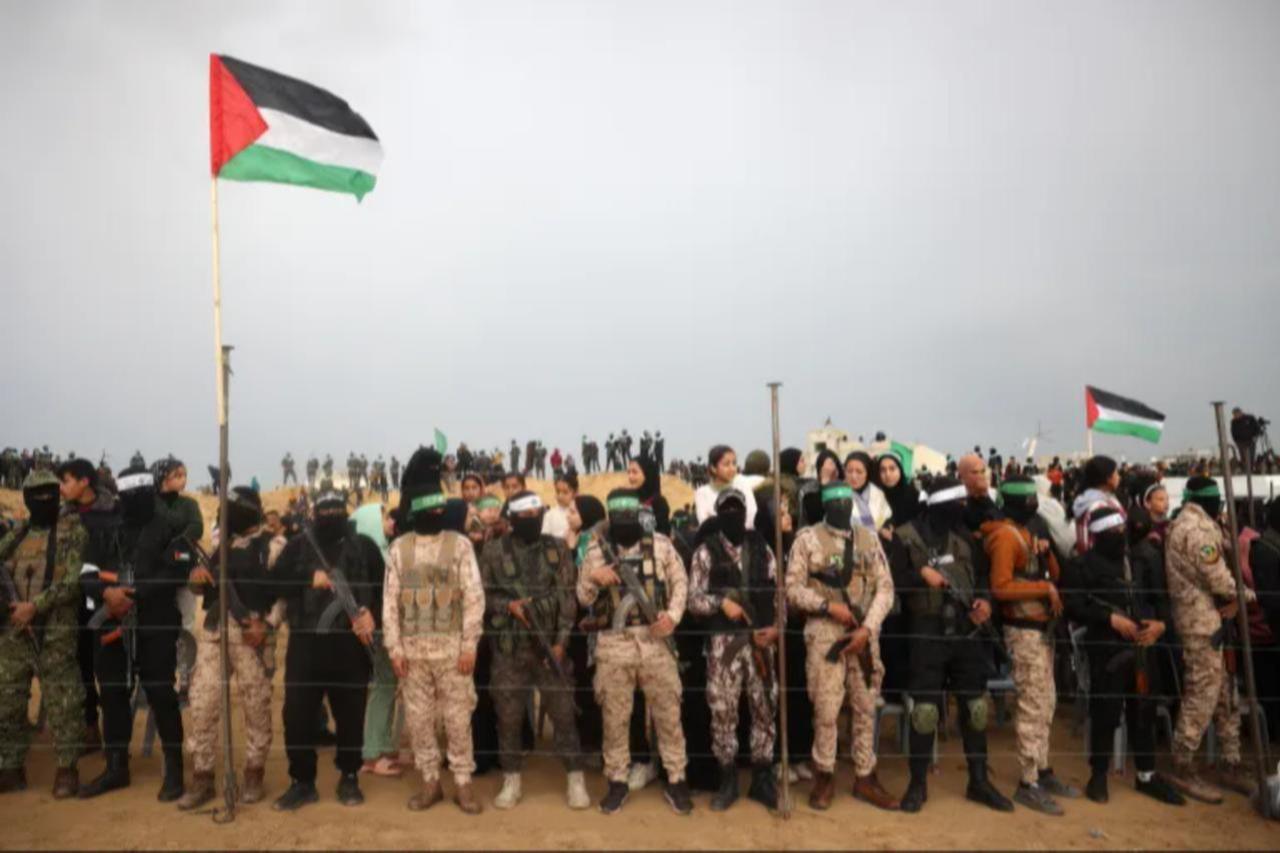
On Sunday, Hamas reaffirmed its commitment to the roadmap agreed with mediators and the Board of Peace to complete the plan's second phase.


 Set as preferred source
 Set as preferred source


 1 min read

 1 min read