Newsletters


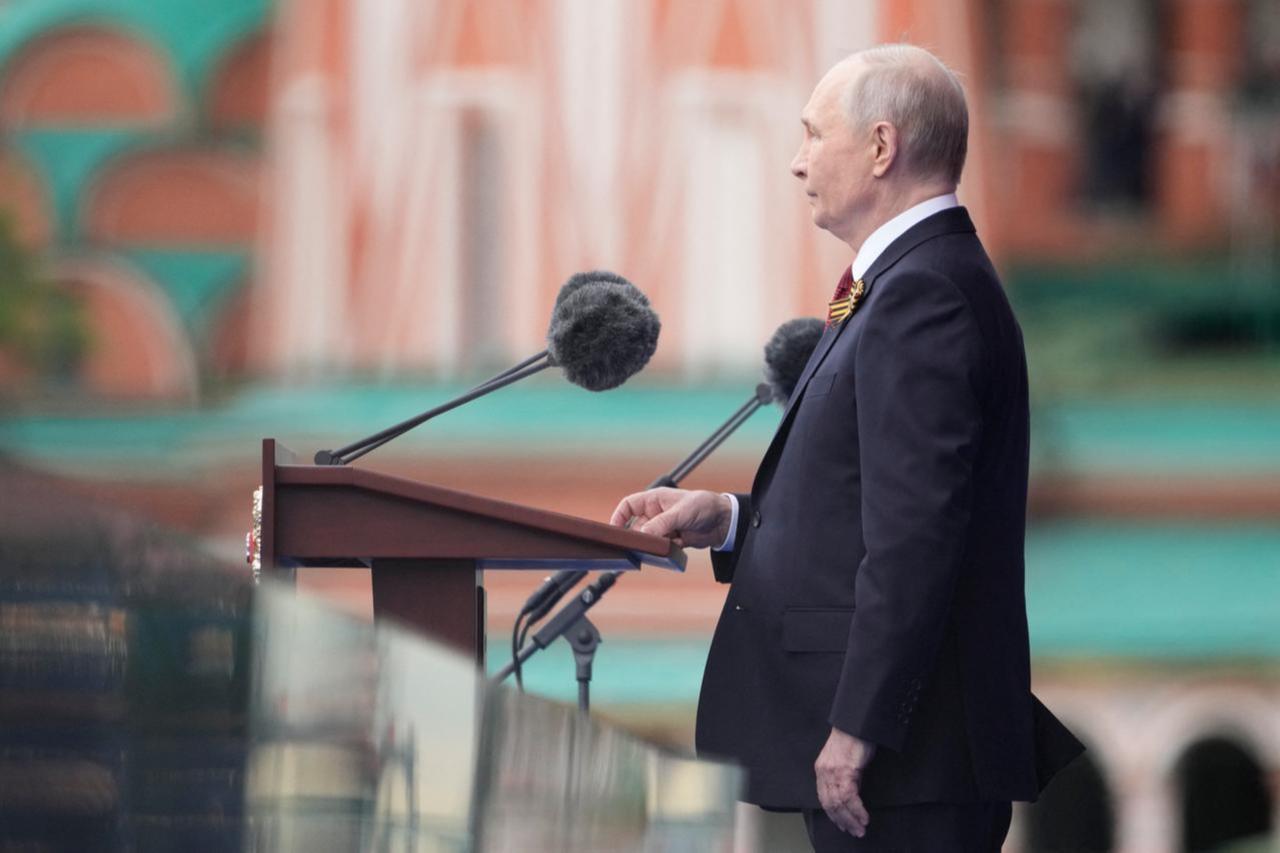


President Vladimir Putin pledged Tuesday that Russia would continue developing weapons capable of overcoming all existing and future missile defense systems, a declaration that came alongside hardened Kremlin demands that Ukraine withdraw from the eastern Donbas region as a precondition for any ceasefire, deepening doubts about prospects for an end to the more than four-year war.
Putin framed the commitment as a direct response to Washington's 2001 withdrawal from the Anti-Ballistic Missile Treaty, which he said forced Moscow to reassess its strategic posture.
"We were forced to consider ensuring our strategic security in the face of the new reality," he said, adding that Russia's missile systems guarantee the ability to defeat both current and prospective defense networks.

The pledge came hours after Russia confirmed a successful test launch of the RS-28 Sarmat intercontinental ballistic missile, known in the West as "Satan II." Putin called it "the most powerful missile in the world," saying the combined yield of its individually targeted warheads exceeds any Western counterpart by more than fourfold.
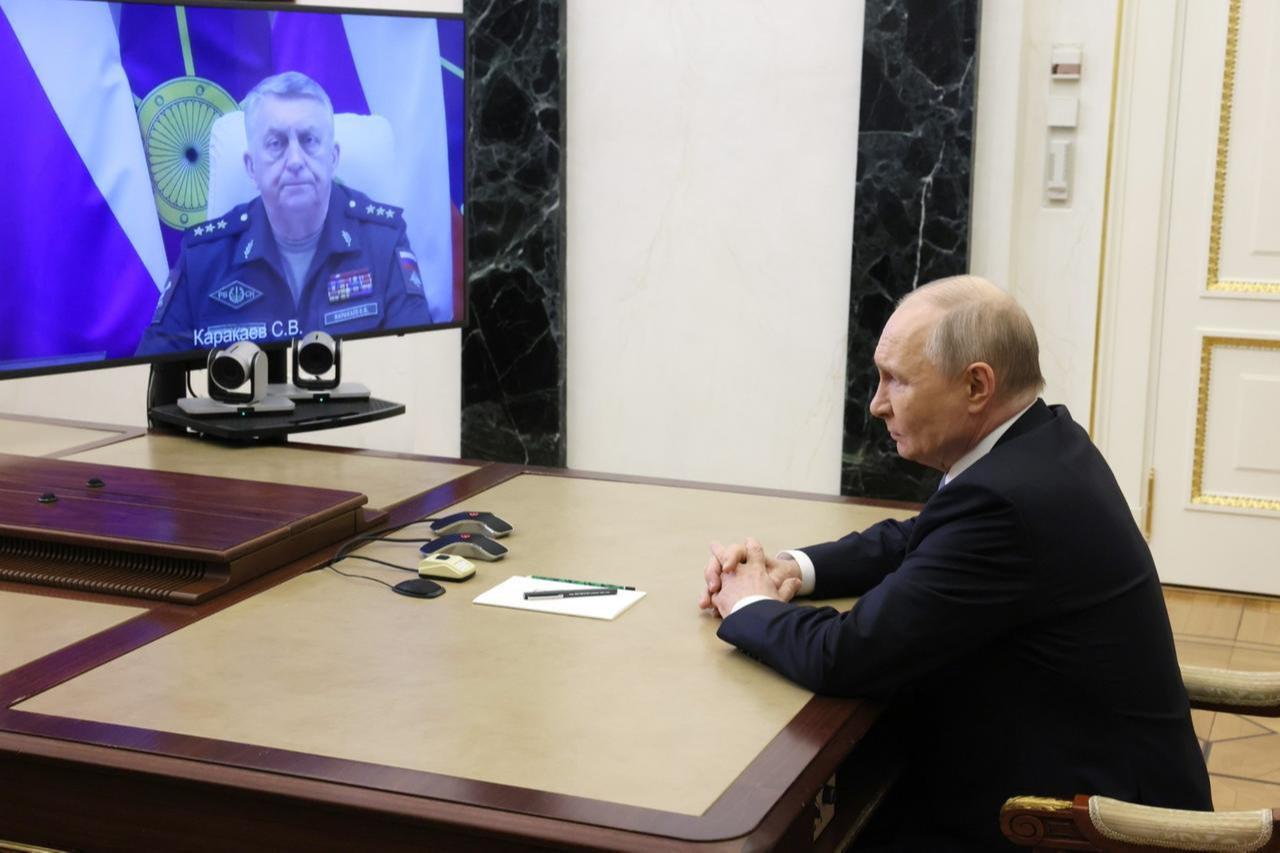
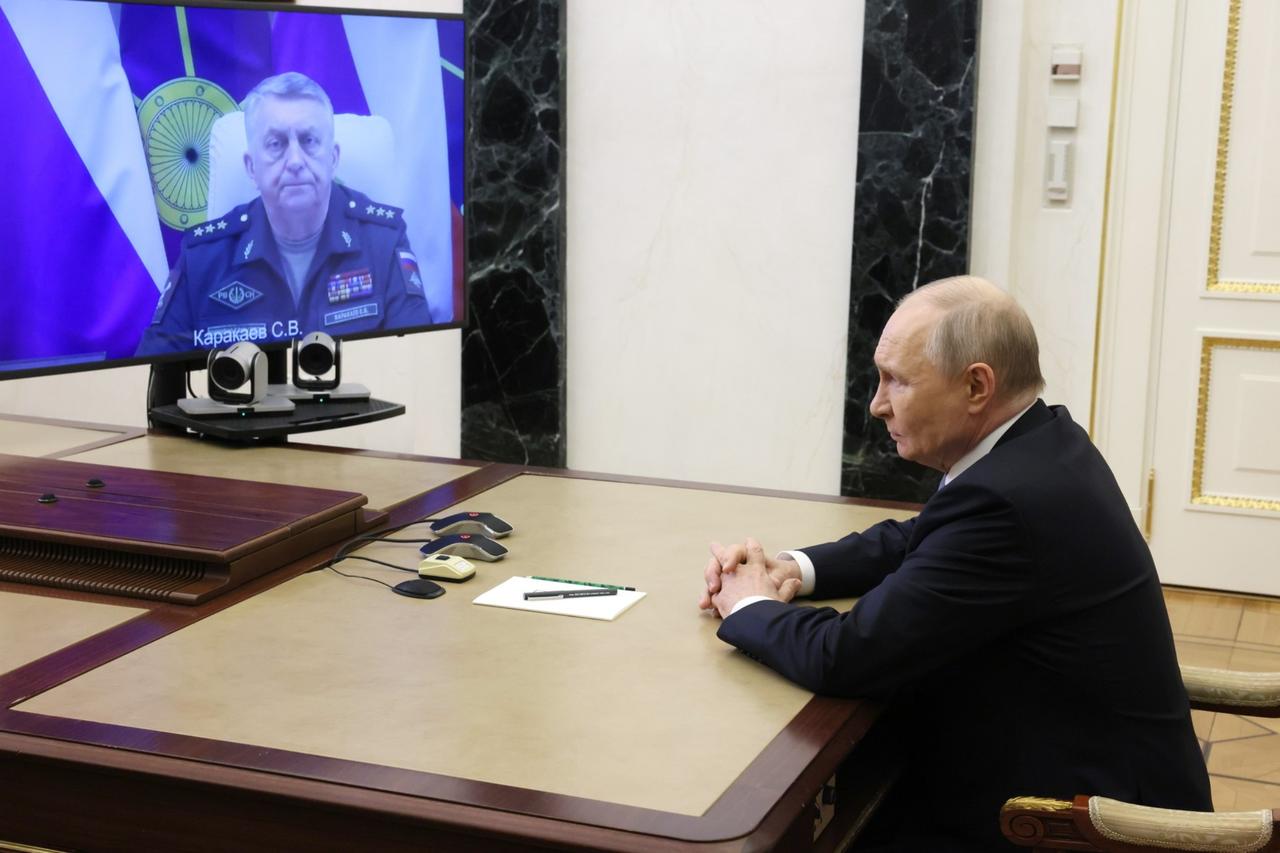
The head of Russia's Strategic Missile Forces, Col. Gen. Sergei Karakayev, told Putin the test result clears the way for the first Sarmat-equipped regiment, based in the Uzhur formation in Krasnoyarsk Krai, to enter combat duty by the end of the year.
Beyond the Sarmat, Putin said the Oreshnik intermediate-range ballistic missile has been on combat duty since 2025 and can carry nuclear warheads, the Avangard hypersonic glide vehicle, capable of traveling 27 times the speed of sound, is already operational, and development of both the nuclear-powered Burevestnik cruise missile and the Poseidon underwater drone has entered its final stages.
Work on the Kinzhal air-launched hypersonic missile, he added, is continuing with a focus on improving its precision in a non-nuclear configuration.
The weapons announcements were accompanied by a sharp diplomatic message. Kremlin spokesman Dmitry Peskov told reporters on Wednesday that any ceasefire or movement toward comprehensive peace talks hinged on Ukrainian President Volodymyr Zelenskyy ordering his forces to stand down and vacate the Donbas.
"President Zelenskyy must give the order for Ukraine's army to cease fire and to leave the territory of the Donbas, to leave the Russian regions," Peskov said. Zelenskyy rejected the demand, saying compliance would amount to outright surrender.
Russia currently occupies roughly a fifth of Ukraine's internationally recognized territory, including the Crimean peninsula, annexed in 2014, most of the Donetsk and Lugansk regions collectively known as the Donbas, and substantial portions of the Zaporizhzhia and Kherson regions. Moscow claims all five as Russian territory following referendums the international community has broadly dismissed as illegitimate.


 Set as preferred source
 Set as preferred source


 1 min read
 1 min read