Newsletters


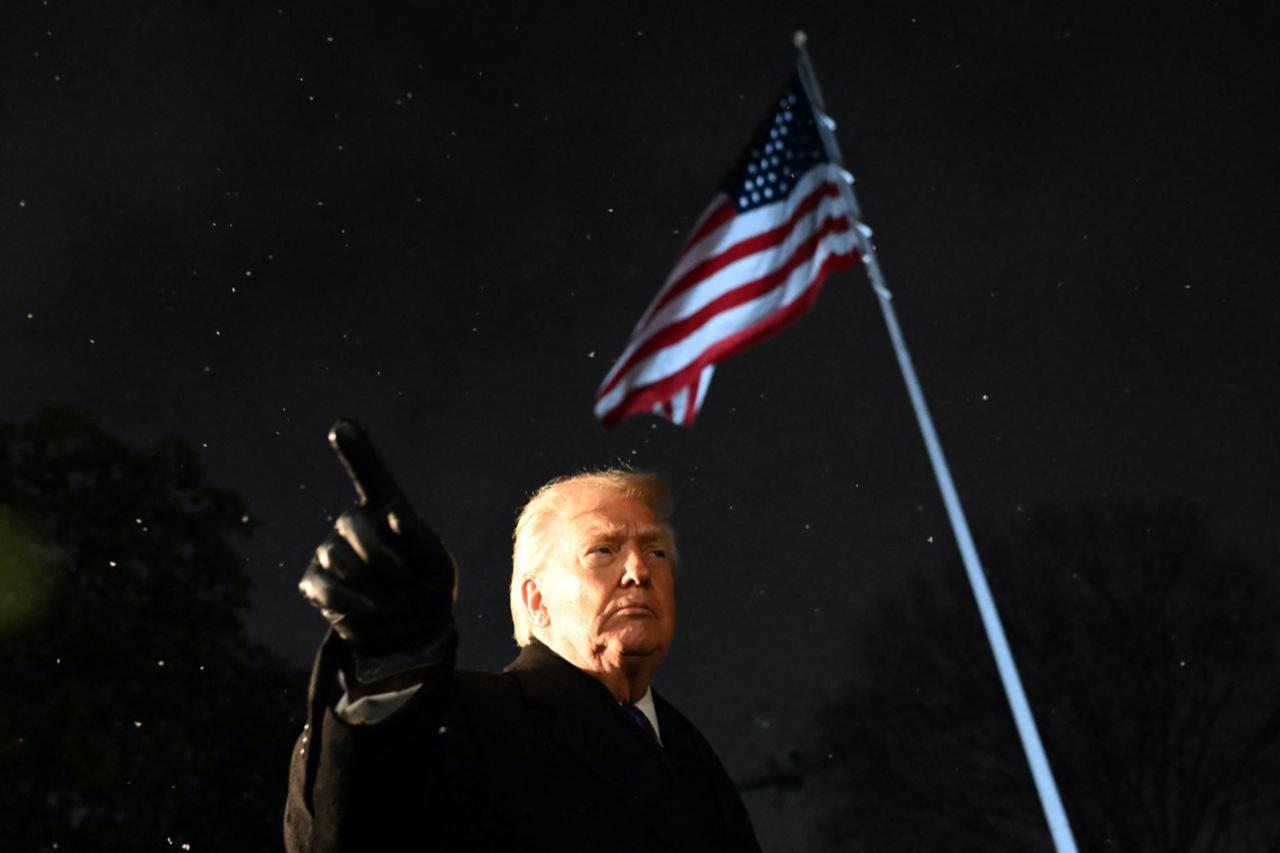


The international system constructed under American leadership since World War II is being torn down by the United States itself, according to a major assessment released days before global security leaders convene in Munich.
The Munich Security Report 2026, a 121-page analysis published ahead of the 62nd Munich Security Conference starting February 13, declares the world has entered an era of "politics of destruction" in which Washington has shifted from guardian of the global order to its chief demolisher. More than 100 heads of state, defense ministers and foreign ministers are expected to gather at the conference, where the unraveling of the postwar system will dominate discussions.
The report, titled "Under Destruction" and authored by researchers Tobias Bunde and Sophie Eisentraut, argues that universal norms are giving way to a system where the powerful and wealthy dictate terms through what it calls America's "bulldozer politics." International relations now function on raw power dynamics rather than consensus, the assessment warns, placing nations unable to adapt at risk.


Public trust in the United States has eroded dramatically across Europe, according to survey data presented in the report. Two-thirds of Germans, 52 percent of Britons and half of French citizens now consider the US a less reliable NATO ally than before.
Anxiety about President Donald Trump's policies runs deeper still. Seventy-two percent of Germans, 63 percent of French and 60 percent of Italians believe his approach will damage their countries, the polling shows.
European nations find themselves trapped between denial and acceptance as contradictory signals emerge from Washington, particularly concerning wavering American commitment to Ukraine and broader strategic withdrawal, the report notes. Russia's full-scale invasion and expanding hybrid campaigns have shattered the post-Cold War security architecture, forcing Europe to transition from security consumer to security provider.
The Trump administration views the postwar order as a burden on American interests rather than an asset, according to the Munich analysis. This perspective aligns with far-right and anti-establishment movements across the Western world, the report suggests, as culture wars against liberal ideals create a transactional marketplace protecting personal interests.
Trump leads among actors wielding a "wrecking ball" strategy against global systems and institutions, the assessment cautions. This approach threatens to replace principled cooperation with give-and-take bargaining and substitute public good with private interests.
Whether European states can fill the void left by the end of "Pax Americana" represents the international system's greatest uncertainty, the report concludes. While European nations have increased defense spending and formed flexible coalitions, these localized efforts may prove insufficient to compensate for America's withdrawal.
The gap in global development assistance appears equally daunting. Though Türkiye, Saudi Arabia, the United Arab Emirates, Qatar and especially China have become more visible in global development financing in recent years, their aid strategies fundamentally diverge from traditional Western donors. No single actor appears capable of replacing American contributions, according to the assessment.


 Set as preferred source
 Set as preferred source


 2 min read
 1 min read