Newsletters




U.S. President Donald Trump said Iran "wants to make a deal very badly" following nuclear talks in Oman Friday, warning Tehran that consequences will be "very steep" if negotiations fail while citing a major U.S. naval buildup heading toward the region.
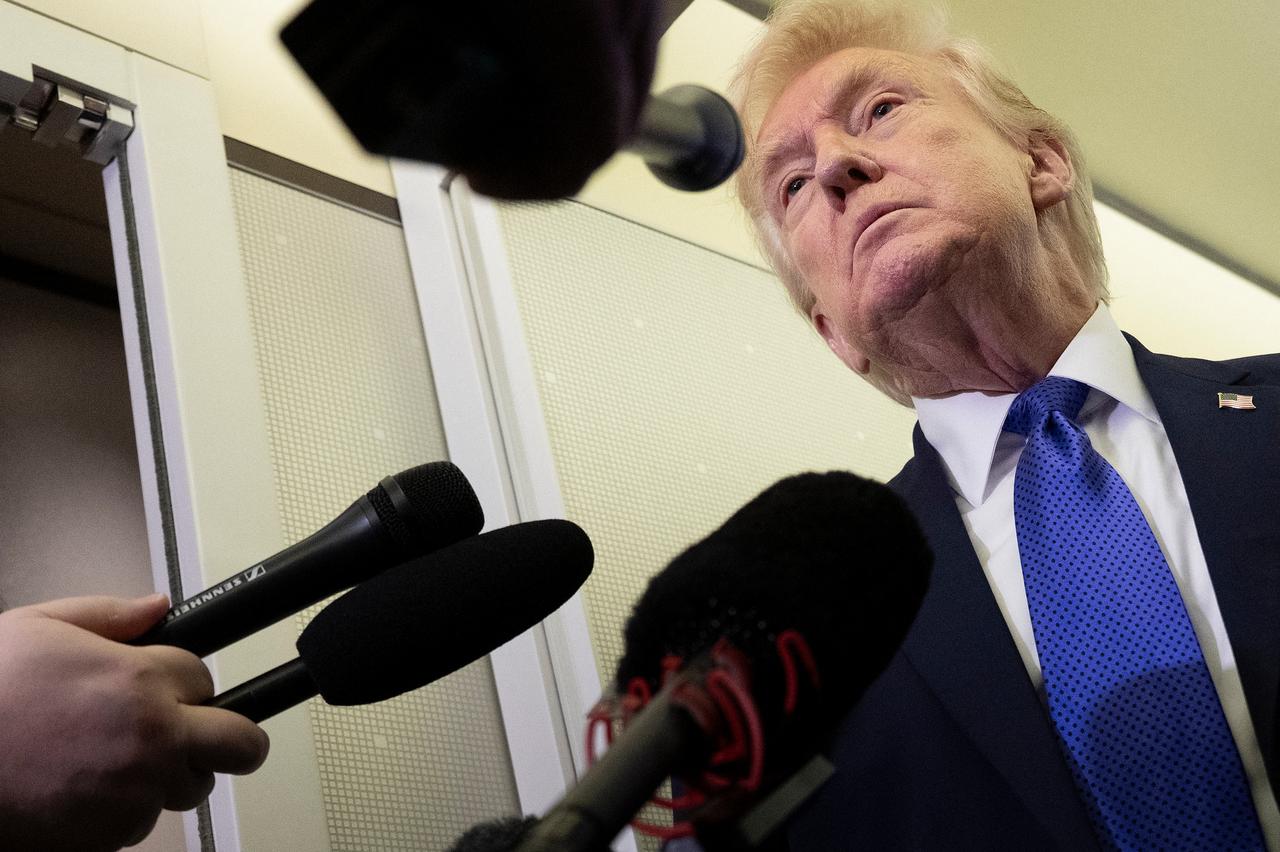
Speaking to reporters aboard Air Force One on Friday, en route from Washington to Florida, Trump expressed satisfaction with the initial round of negotiations in Muscat.
"We had very good talks today on Iran. Iran looks like it wants to make a deal very badly, but we have to see what that deal is," Trump said.
"I think Iran looks like they want to make a deal very badly. They should want to make a deal," he added.
Trump said Iran's position is more favorable regarding a nuclear deal than it was before the 12-day war last June.
"If they would have offered this deal originally, it would have been accepted immediately. We will see what happens," he said, adding that Iran is "willing to do much more today than it was willing to do a year ago."

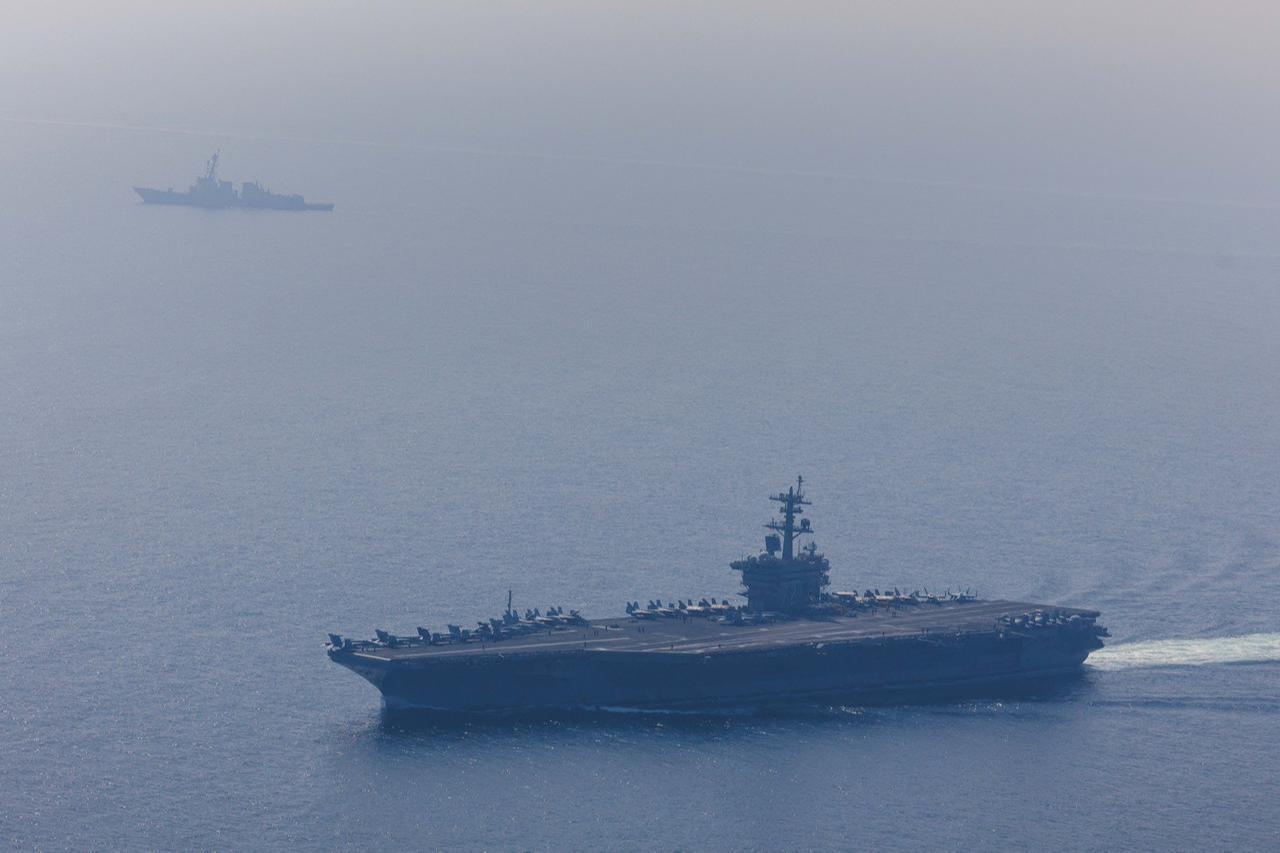
Trump highlighted the U.S. military buildup in the Persian Gulf as leverage in the negotiations.
"We have a big armada, and we have a big fleet heading in that direction, gonna be there pretty soon. So, we'll see how that works out," Trump said.
The president said the U.S. is "in no rush" to launch a military operation in Iran, both because military assets still need to get "into position" and because he prefers a diplomatic solution.
Trump ruled out any deal that would allow Iran to possess nuclear weapons.
"But the one thing, and right up front, no nuclear weapons," he said, adding that, "If we could have made that deal two years ago, we would have made that deal, but they weren't willing to do that."
When asked if a deal covering only the nuclear issue would be acceptable, Trump replied: "Yes, this would be acceptable. But there is a clear condition from the start: No nuclear weapons."
 2 min read
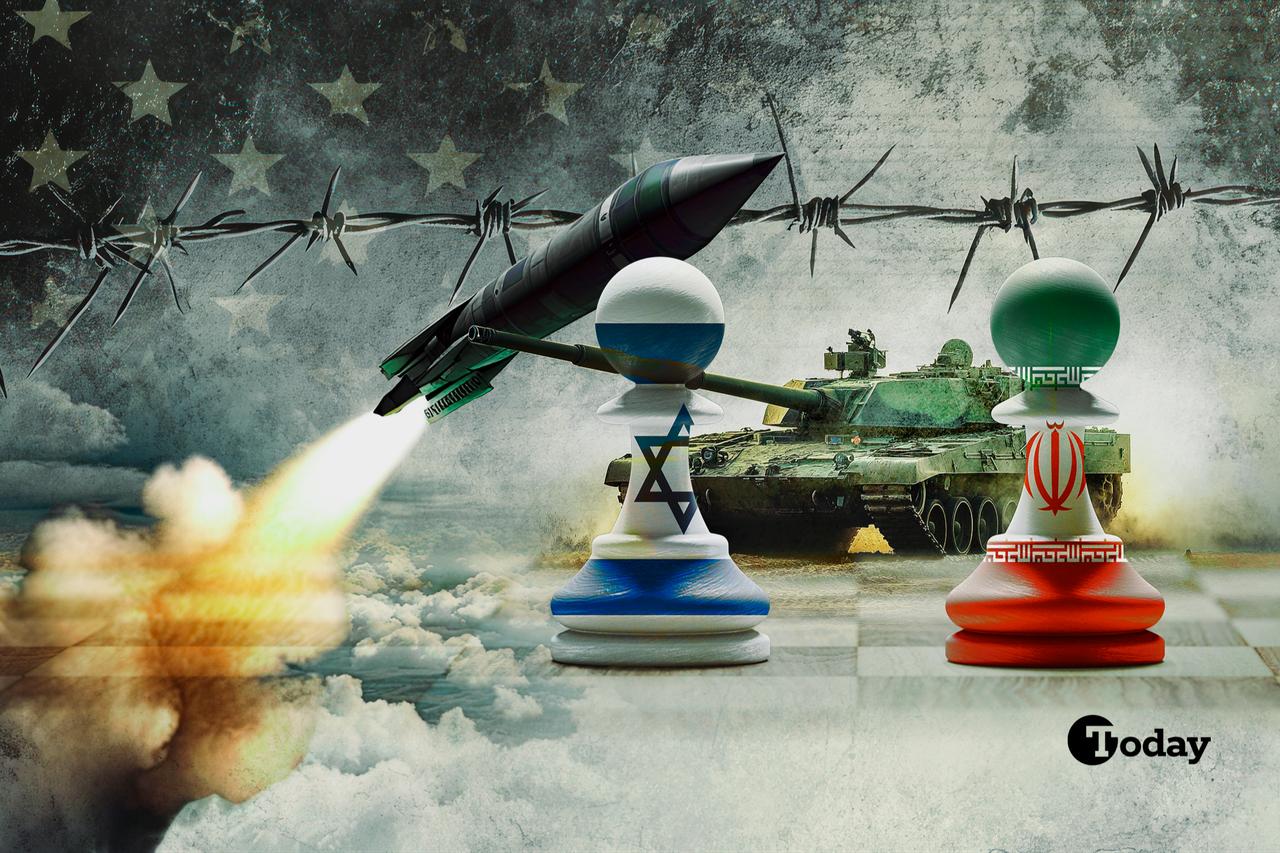
Trump confirmed that his negotiating team will meet Iranian officials again early next week.
"We're going to meet again early next week, and they want to make a deal, Iran, as they should want to make a deal. They know the consequences if they don't. They don't make a deal, the consequences are very steep," Trump said.
The talks in Muscat between Iranian Foreign Minister Abbas Araghchi, Trump's Special Envoy for the Middle East Steve Witkoff, and the president's adviser and son-in-law Jared Kushner lasted close to eight hours, with Omani Foreign Minister Badr Albusaidi mediating.
The negotiations started with each side meeting separately with the Omani foreign minister.
Later in the day, Witkoff and Kushner held direct talks with Araghchi.
Despite Trump's positive assessment, indirect talks ended without either side making major concessions, The Wall Street Journal reported.
"The two sides did not initially meet face to face, instead holding alternating discussions through Omani diplomats, with neither shifting from its initial position during the talks," according to people familiar with the discussions speaking to WSJ.
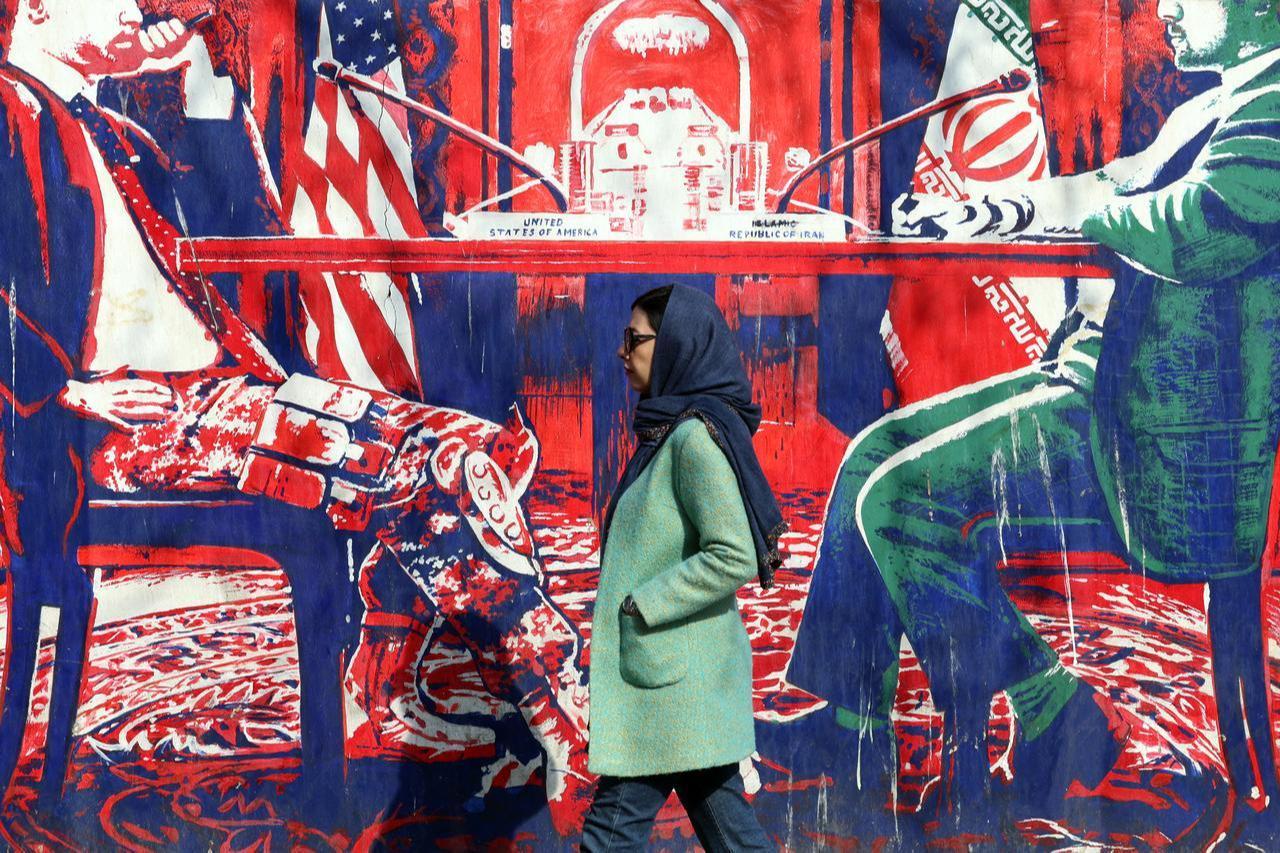
The talks were the first face-to-face negotiations between the U.S. and Iran since a 12-day war in June 2025, during which Israel carried out strikes on Iranian nuclear and military sites.
The U.S. also struck key Iranian nuclear facilities, including those at Natanz, Fordow, and Isfahan.
Iran and the U.S. resumed indirect nuclear diplomacy after weeks of heightened tensions fueled by Trump's threat of military action against the country.
Türkiye had initially proposed holding talks in Istanbul, but the venue was later changed to Muscat at Iran's request.


 Set as preferred source
 Set as preferred source


 1 min read