Newsletters


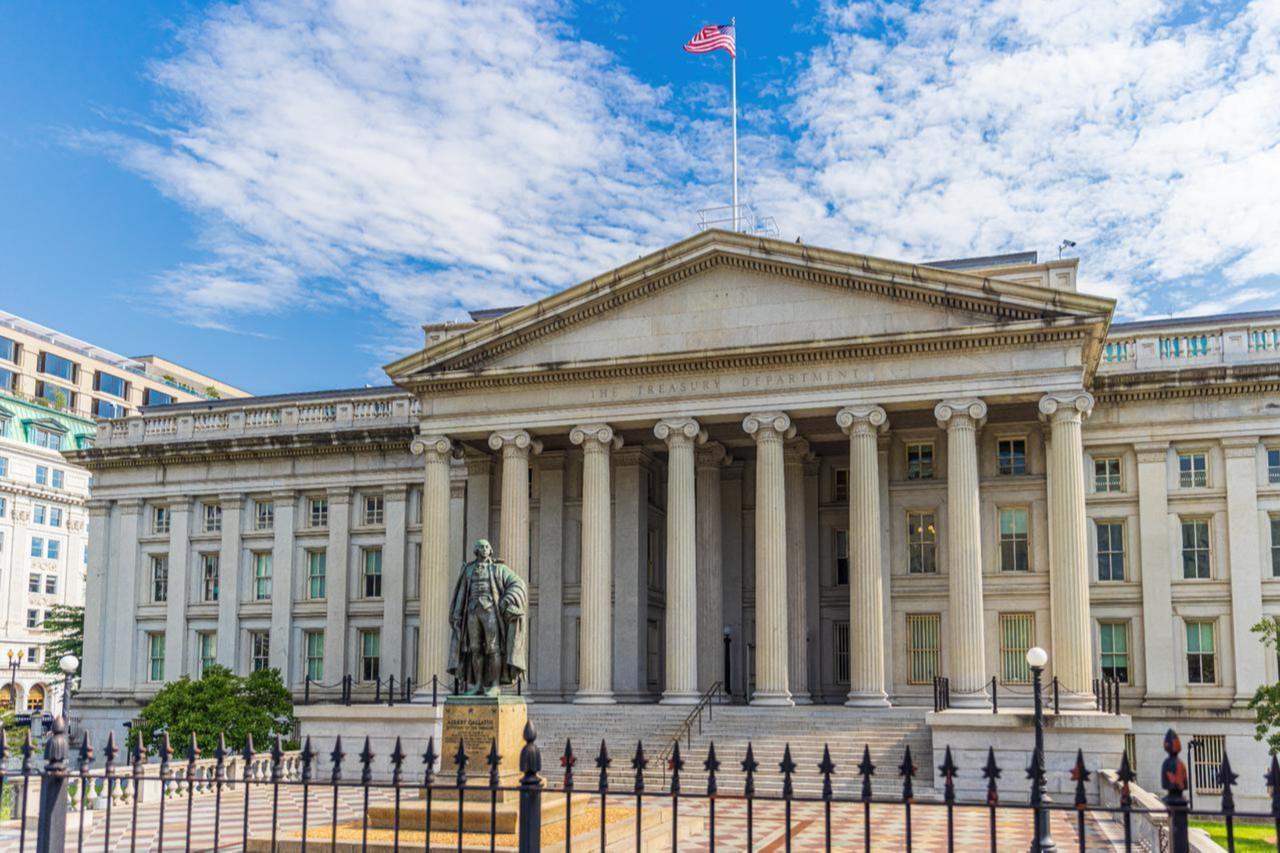


The U.S. Department of the Treasury on Tuesday expanded sanctions targeting Iran’s oil trade, adding dozens of individuals and companies to its Specially Designated Nationals list while issuing a new warning to financial institutions about the risks of dealing with Chinese independent oil refineries known as “teapot” refineries.
The Treasury Department’s Office of Foreign Assets Control, or OFAC, said the alert focused on teapot refineries, primarily in China’s Shandong Province, because of their continued role in importing and refining Iranian crude oil throughout 2026. OFAC said these facilities have collectively purchased and refined billions of dollars’ worth of Iranian oil, making them a key revenue source for Tehran.
The agency also issued a new Iran-related Frequently Asked Question and updated its sanctions enforcement guidance as part of the Trump administration’s renewed “maximum pressure” campaign aimed at restricting Iran’s petroleum and petrochemical sectors.

According to OFAC, China currently purchases around 90% of Iran’s total oil exports, with teapot refineries buying the majority of that supply. The agency said these refineries have used the U.S. financial system for dollar-denominated transactions and to obtain U.S. goods and technology.
Since March 2025, OFAC has designated five Chinese teapot refineries, including Shandong Shouguang Luqing Petrochemical Co., Shandong Shengxing Chemical Co., Hebei Xinhai Chemical Group, Shandong Jincheng Petrochemical Group and Hengli Petrochemical’s Dalian refinery.
Treasury warned that U.S. persons are generally prohibited from conducting transactions with blocked entities and said foreign financial institutions also face sanctions risks for facilitating transactions involving designated refineries or broader Iranian petroleum operations.
The alert urged banks to increase scrutiny of transactions involving China-based teapot refineries, particularly in Shandong, and to strengthen due diligence with correspondent banks and customers tied to oil-related trade.
OFAC said Iran has relied on a broad sanctions evasion network involving front companies in Asia and the United Arab Emirates, intermediary firms, deceptive shipping tactics and a “shadow fleet” of tankers to move crude oil to Chinese buyers.
These tactics include ship-to-ship transfers, vessel tracking manipulation, forged shipping documents and relabeling Iranian crude as oil from other jurisdictions, often marketed as “Malaysian blend.”
The Treasury action added numerous Iran-based individuals, Hong Kong companies, United Kingdom firms and other international entities accused of facilitating Iranian petroleum sales, shipping logistics and financial transactions.
Many of the newly sanctioned entities were linked to companies operating from Iran’s Kish Island free trade zone, Hong Kong commercial hubs and other international jurisdictions used to obscure the origins of Iranian oil transactions.
The sanctions were issued under Executive Order 13902 and related authorities targeting Iran’s revenue-generating industries. The measures follow President Donald Trump’s February 2025 National Security Presidential Memorandum-2, which reinstated a broad sanctions strategy designed to limit Iran’s economic resources and nuclear capabilities.
Iran’s oil exports have long been a central focus of U.S. sanctions policy, with Washington seeking to disrupt both state-linked energy production and the global networks that facilitate crude sales.
Tuesday’s actions underscore continued U.S. efforts to tighten enforcement not only against Iranian producers but also against foreign refiners, shipping operators and financial intermediaries that support Tehran’s energy trade.
Among those newly designated were multiple Iranian nationals, foreign facilitators and a wide network of companies based in Iran, Hong Kong, the United Kingdom and China.
The designations included firms allegedly involved in trading, logistics, front-company operations and petroleum shipment financing, reflecting Treasury’s broader strategy of targeting both direct buyers and the commercial infrastructure supporting Iranian exports.


 Set as preferred source
 Set as preferred source


 1 min read
 1 min read