Newsletters


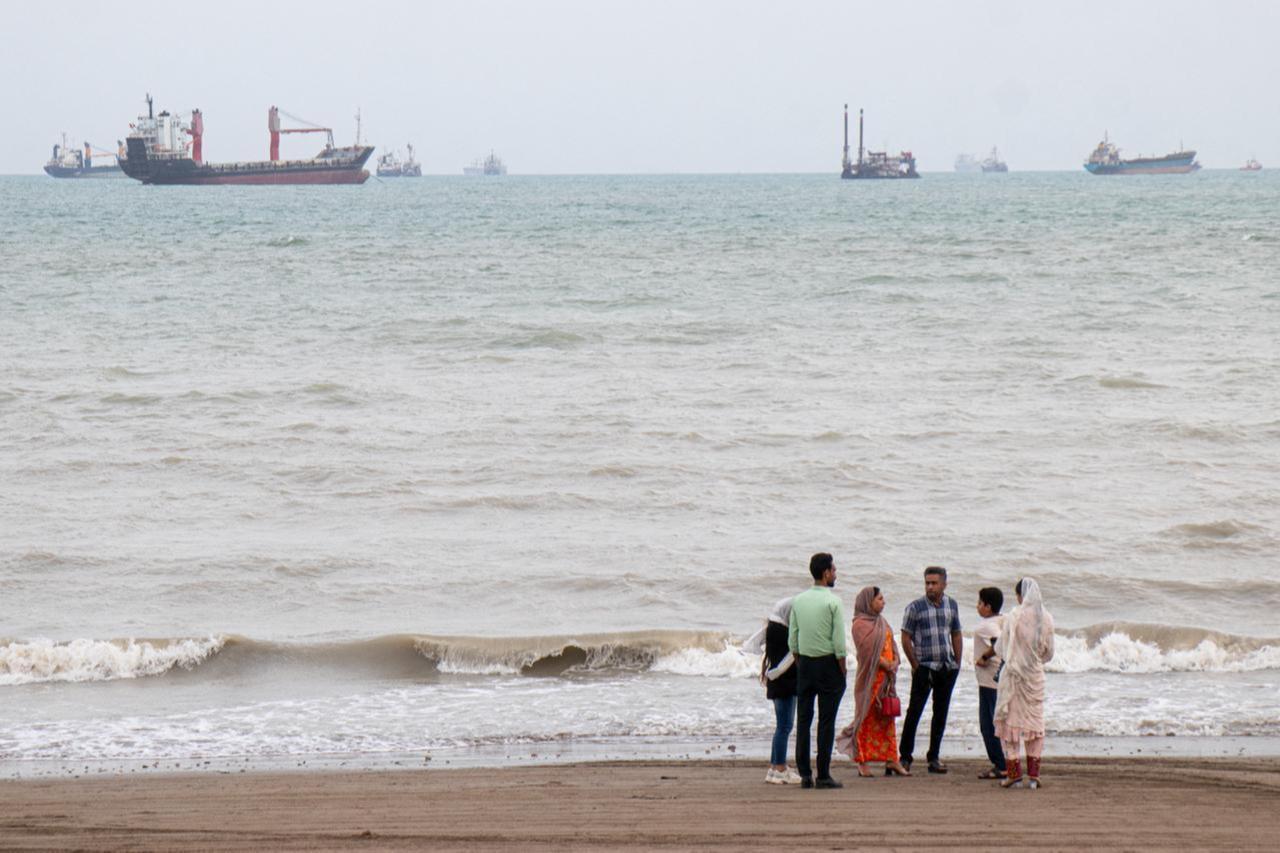


The Strait of Hormuz does not need to be fully cleared of Iranian mines before commercial vessels can begin transiting the critical waterway again, U.S. Energy Secretary Chris Wright said Tuesday, offering a more optimistic near-term outlook even as Pentagon officials warn a complete mine-removal operation could take up to six months.
"You just need a pathway for ships to be moved in and out," Wright said in an interview on the sidelines of the Three Seas Summit and Business Forum in Dubrovnik. "I think that can happen quickly."
The comments come as the effective closure of the strait, the narrow chokepoint linking Persian Gulf oil and gas producers to global markets, continues to reverberate through energy markets. Iran has said it laid mines along the waterway's most heavily trafficked routes since the U.S. and Israel launched military operations against the Islamic Republic. The strait has been shut since late February, triggering supply disruptions and driving up the prices of oil, diesel and gasoline.
Shipping companies have remained deeply reluctant to attempt the passage, citing fears of mine strikes, vessel seizure and the absence of credible safety assurances.
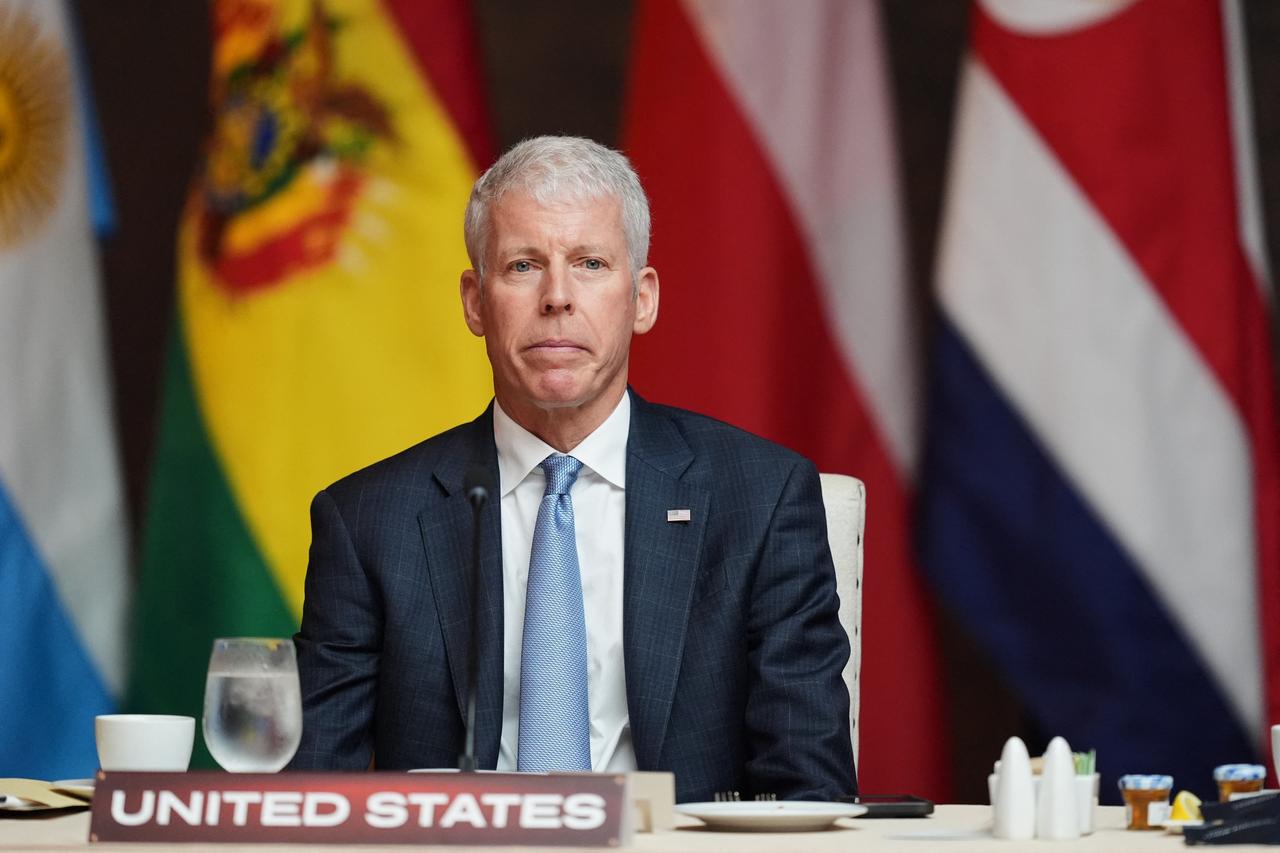

The Pentagon's private assessment of the timeline adds urgency to Wright's more optimistic framing. A senior Defense Department official told a classified Congressional briefing last week that fully clearing the strait of mines could take six months, according to reporting by the Washington Post.
The gap between a full clearance and a navigable corridor matters enormously, both for global energy security and for domestic U.S. politics. The longer the disruption persists, the longer pump prices remain elevated, a problem that grows more acute as President Donald Trump's Republican Party looks ahead to midterm elections.
The Strait of Hormuz is one of the world's most consequential energy chokepoints, with roughly one-fifth of global oil and gas having transited it before the conflict began. Its extended closure has been described by the International Energy Agency as the largest oil supply disruption in the history of the global market, surpassing even the 1970s oil shocks.
In a separate Bloomberg Television interview on Tuesday, Wright also said the U.S. plans to announce what he described as "historic" pipeline agreements that would increase the volume of American oil and natural gas flowing into Europe, framing the deals as part of the Trump administration's "Peace Pipeline Agenda."
Wright's appearance in Dubrovnik places the announcement in a pointed diplomatic setting. The Three Seas Initiative, a forum of 13 Central and Eastern European states situated between the Adriatic, Baltic and Black Seas, has become a central vehicle for U.S. commercial energy diplomacy in the region.
The summit, which marks the 10th anniversary of the initiative's founding Dubrovnik Declaration, has focused heavily on energy diversification, including liquefied natural gas terminals and cross-border pipeline connectivity designed to reduce dependence on Russian supply.
Even if a navigable corridor through Hormuz is established, analysts and insurance industry figures caution that commercial confidence may take considerably longer to rebuild. War-risk insurance premiums for the passage have surged from a fraction of a percent of hull value to as much as five percent, according to industry sources, and insurers have been requiring ship owners to seek Iranian approval before transit.
Complicating matters further, U.S. officials have indicated that Iran may have lost track of the precise location of some of the mines it deployed, as they were laid by small boats without precise records. Neither side currently possesses all the tools needed for rapid clearance, analysts say, and experts note that the mere possibility of undetected mines can deter shipping even after official clearance is declared.
About 2,000 ships remain stranded in the Persian Gulf, waiting for conditions to permit safe passage. Even under the limited arrangements Iran has extended to vessels from select countries, ships have been directed along an alternative route running closer to Iran's coastline, away from the strait's traditional shipping lanes.


 Set as preferred source
 Set as preferred source


 1 min read

 1 min read