Newsletters


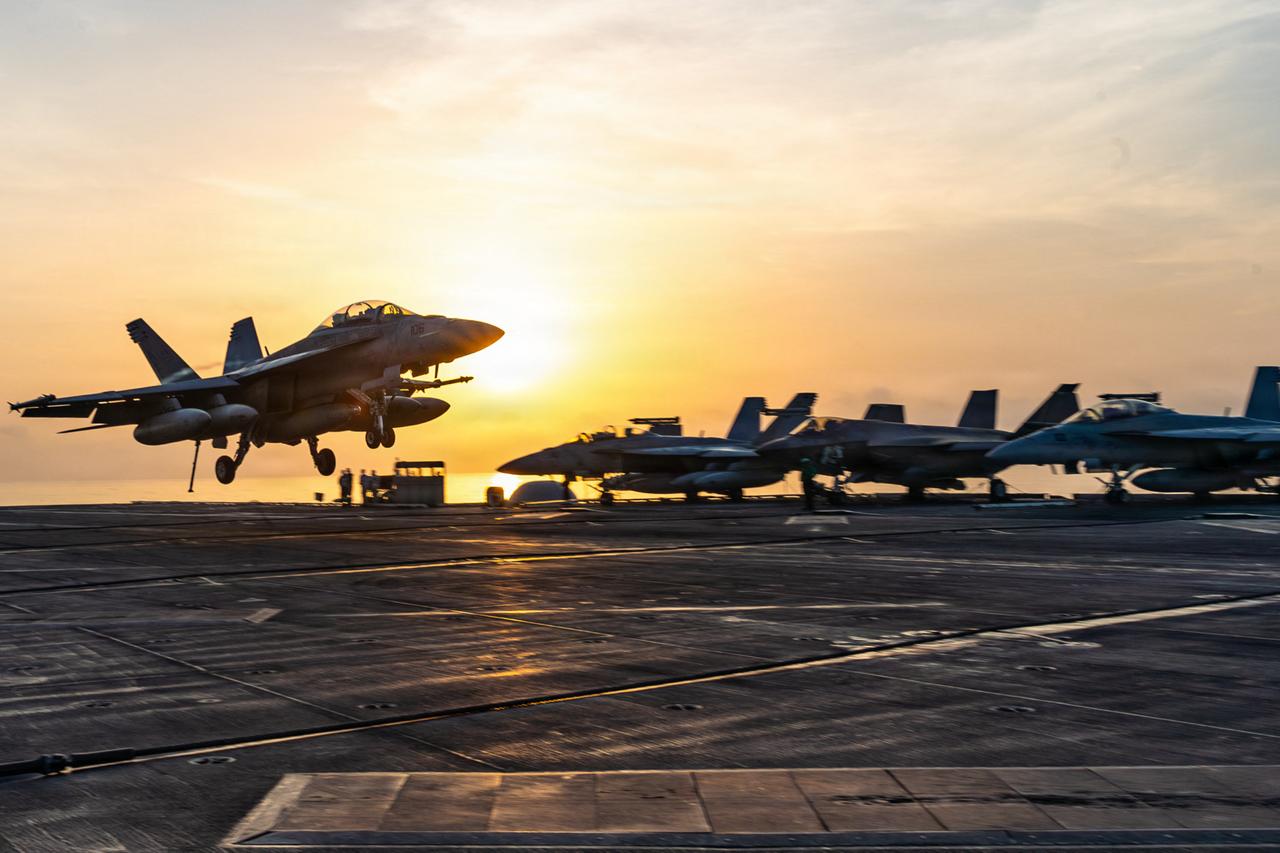


The six-month U.S. war against Iran has cost about $38 billion and is projected to add roughly $3 billion in expenses each month, according to a Congressional Budget Office (CBO) assessment reported by Reuters on Tuesday.
The nonpartisan congressional budget agency calculated costs through Aug. 1 and said the conflict could increase inflation by 0.5% during the first three months of 2027.
The rising costs have strained U.S. munitions stockpiles and contributed to higher energy prices, raising concerns about military readiness for other potential conflicts and adding pressure to the federal budget.
The estimate is close to the $37.5 billion in war costs Defense Secretary Pete Hegseth reported during a Senate hearing on July 21.
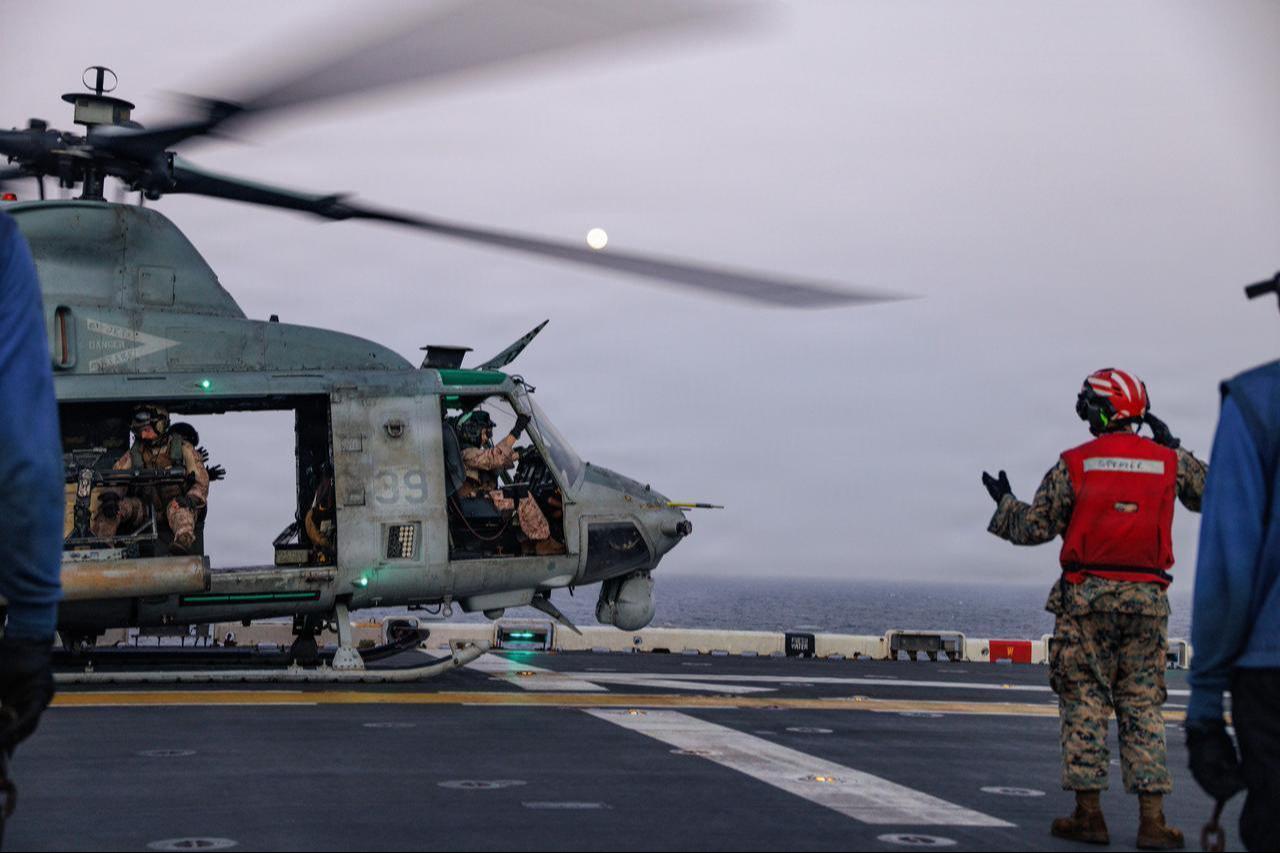

The CBO said most of the costs came from the rapid use of munitions and estimated that rebuilding U.S. stockpiles could take five years.
Reuters reported in August that the U.S. had used “virtually all” of its long-range precision missiles during the conflict.
The CBO also said the Department of Defense did not cooperate with congressional financial auditors.
White House spokeswoman Anna Kelly defended President Donald Trump’s actions against Iran, describing them as “decisive action” intended to prevent Tehran from harming U.S. personnel or interests.
She said the U.S. military has “more than enough munitions, ammo, and stockpiles to serve all of the Commander-in-Chief’s strategic goals and beyond.”
Chief Pentagon spokesperson Sean Parnell also disputed concerns about shortages.
“We have everything required to strike at the time and place of the president’s choosing,” Parnell said.
The inquiry was conducted at the request of Brendan Boyle of Pennsylvania, the top Democrat on the U.S. House Budget Committee.
“Donald Trump’s disastrous war in Iran has already taken the lives of brave American service members and left others wounded,” Boyle said.
He added that the CBO report showed the war had cost taxpayers tens of billions of dollars while continuing to increase broader economic costs.
Eighteen U.S. service members have died in the war.
The CBO said shortages of critical munitions, including missile interceptors, could limit the Pentagon’s ability to respond to another major conflict, including potential hostilities involving China and Taiwan.
At the July Senate hearing, Hegseth requested nearly $90 billion in emergency funding to replenish munitions.
“Without these funds, we face critical shortfalls,” Hegseth said.
The Pentagon inspector general reported this week that Iranian attacks had damaged or destroyed hundreds of buildings at U.S. military bases in the Middle East, along with aircraft including fighter jets, refueling planes and drones.
The inspector general estimated the war had cost $33.4 billion through June 19, including about $184 million in damage to U.S. diplomatic facilities caused by Iranian strikes.
The latest CBO estimate did not include the cost of recent strikes on commercial vessels in the Strait of Hormuz or attacks on U.S. military installations in the region.
It also excluded borrowing costs associated with financing the war, which could add tens of billions of dollars to the total.
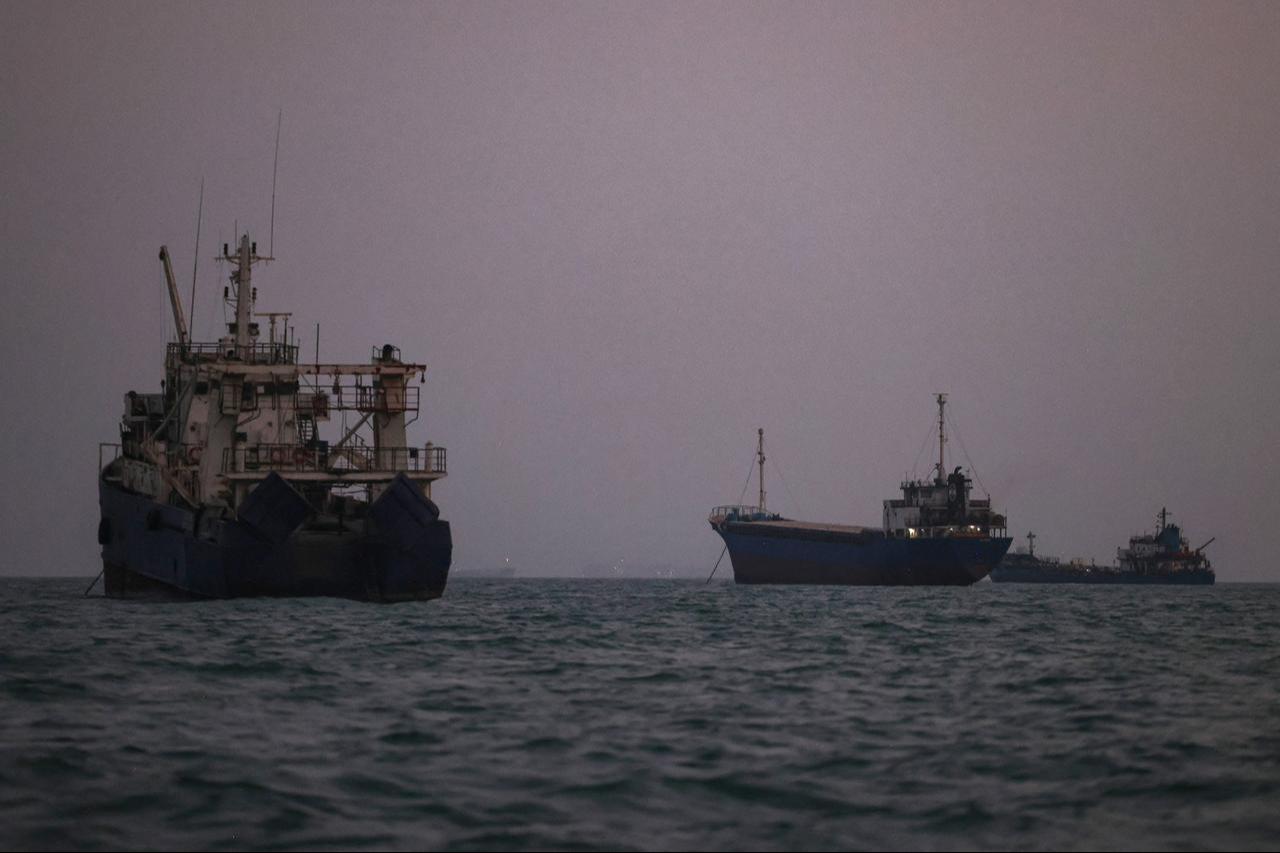
Energy shocks caused by attacks in the Strait of Hormuz and on energy facilities in neighboring Gulf countries have sharply increased prices for consumers and producers.
Before the war, roughly 20% of the world’s oil passed through the Strait of Hormuz.
The CBO said the economic effects of the conflict could extend beyond defense spending, while the rising war cost adds pressure to U.S. public finances. Total U.S. public debt surpassed $40 trillion in August.
The Trump administration has been seeking ways to end the conflict and reopen the Strait of Hormuz.
Trump has repeatedly contrasted the Iran war with the U.S. wars in Iraq and Afghanistan following the Sept. 11, 2001, attacks.
The eight-year U.S. war in Iraq, which involved more than 100,000 ground troops at its peak, cost about $2 trillion, Reuters reported.
The two-decade war in Afghanistan, which also involved more than 100,000 U.S. troops at its height, cost about $2.3 trillion, according to Brown University’s Costs of War project.


 Set as preferred source
 Set as preferred source


 1 min read
 1 min read