Newsletters


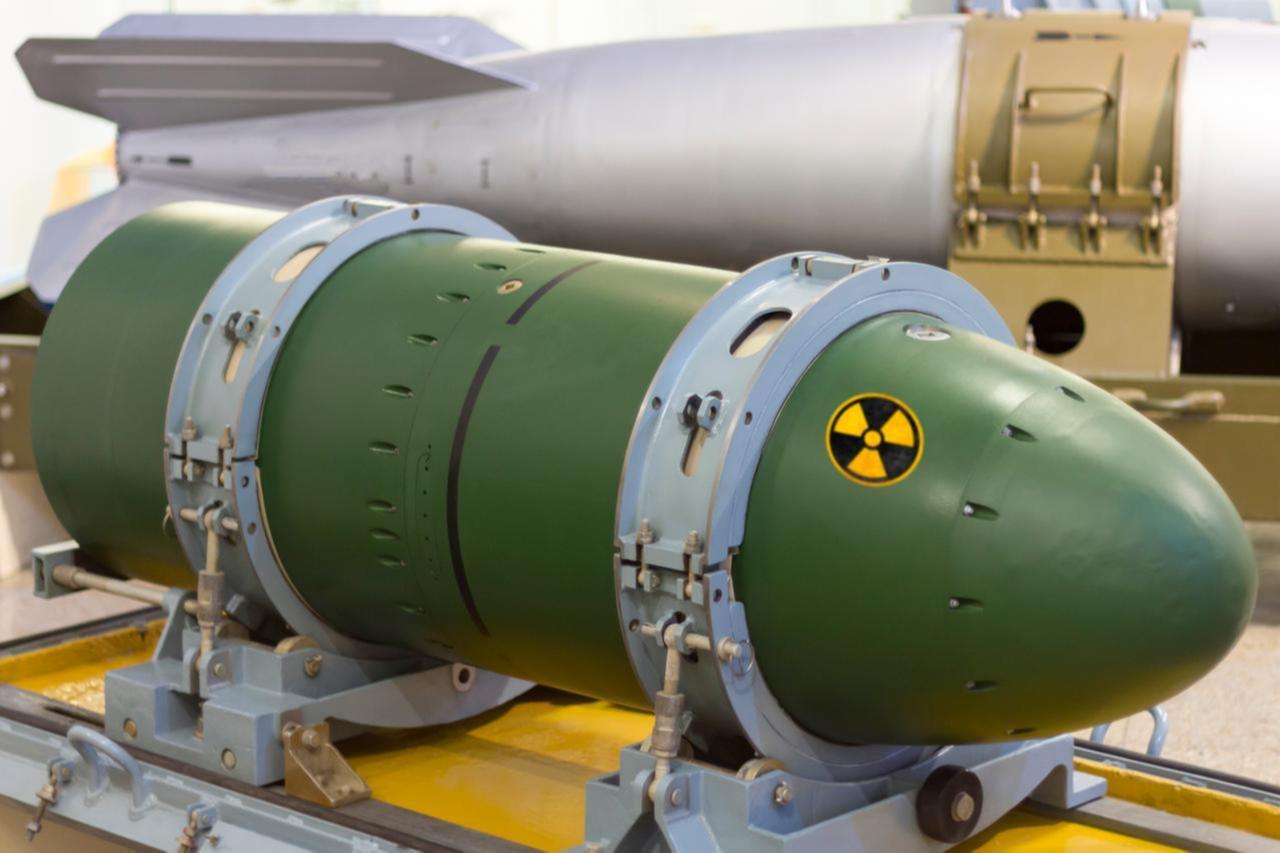


The United States signaled it is prepared to resume nuclear weapons testing for the first time in more than three decades, with a senior official saying Washington would match what it alleges are secret low-yield explosions carried out by China and Russia.
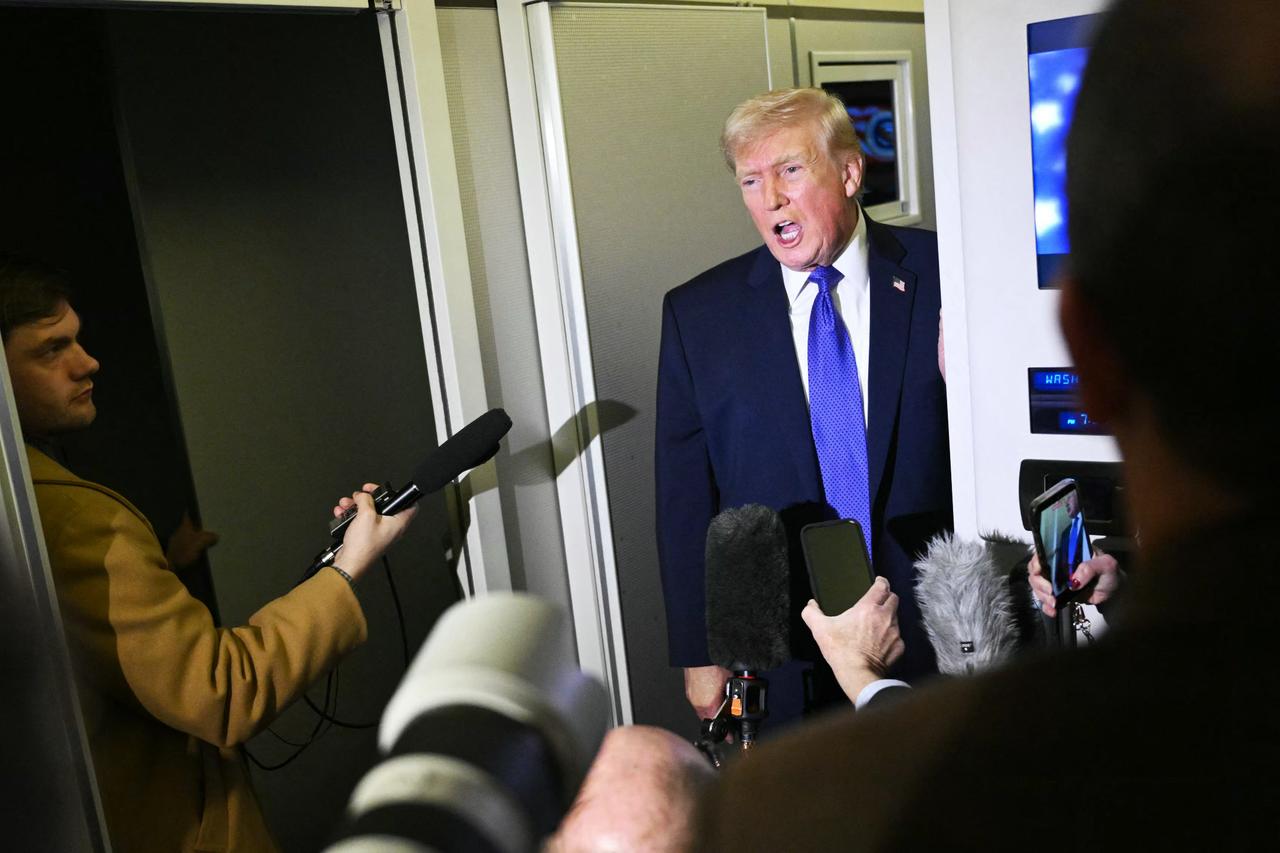
Christopher Yeaw, the assistant secretary of state for arms control and nonproliferation, said Tuesday that President Donald Trump intends to return to testing on an "equal basis," framing the potential move as a response to covert tests by rival nuclear powers rather than a return to the massive Cold War-era detonations that defined an earlier age of atomic competition.
"We're not going to remain at an intolerable disadvantage," Yeaw told an audience at the Hudson Institute, a Washington think tank.
The remarks came as New START, the last remaining nuclear arms limitation treaty between the United States and Russia, expired this month. Trump has called for a successor agreement that would bring China into the fold, a proposal Beijing has publicly rejected.

Yeaw offered the most detailed public account yet of the US government's allegations that China conducted a low-yield nuclear test in 2020. He cited data gathered in neighboring Kazakhstan on June 22 of that year, showing a 2.75-magnitude explosion at 0918 GMT, whose impact he said was likely muffled by detonation inside a large underground cavity.
"There is very little possibility, I would say, that it is anything but an explosion, a singular explosion," he said, dismissing alternative explanations such as an earthquake or mining incident.
China has flatly denied the accusations, calling them "outright lies" and a pretext for Washington to resume its own testing program.
The allegations are not without dispute closer to home, either. A recent report by the Center for Strategic and International Studies found no conclusive evidence of an explosion, noting that satellite imagery did not reveal unusual activity at Lop Nur, China's historic nuclear testing site in the western region of Xinjiang. Robert Floyd, executive secretary of the Comprehensive Nuclear-Test-Ban Treaty Organization, also said the international monitoring body "did not detect any event consistent with the characteristics of a nuclear weapon test."
Floyd noted, however, that the organization's monitoring systems can only observe explosions reaching the equivalent of 500 tonnes of TNT, a small fraction of the bombs that destroyed Hiroshima and Nagasaki in 1945.
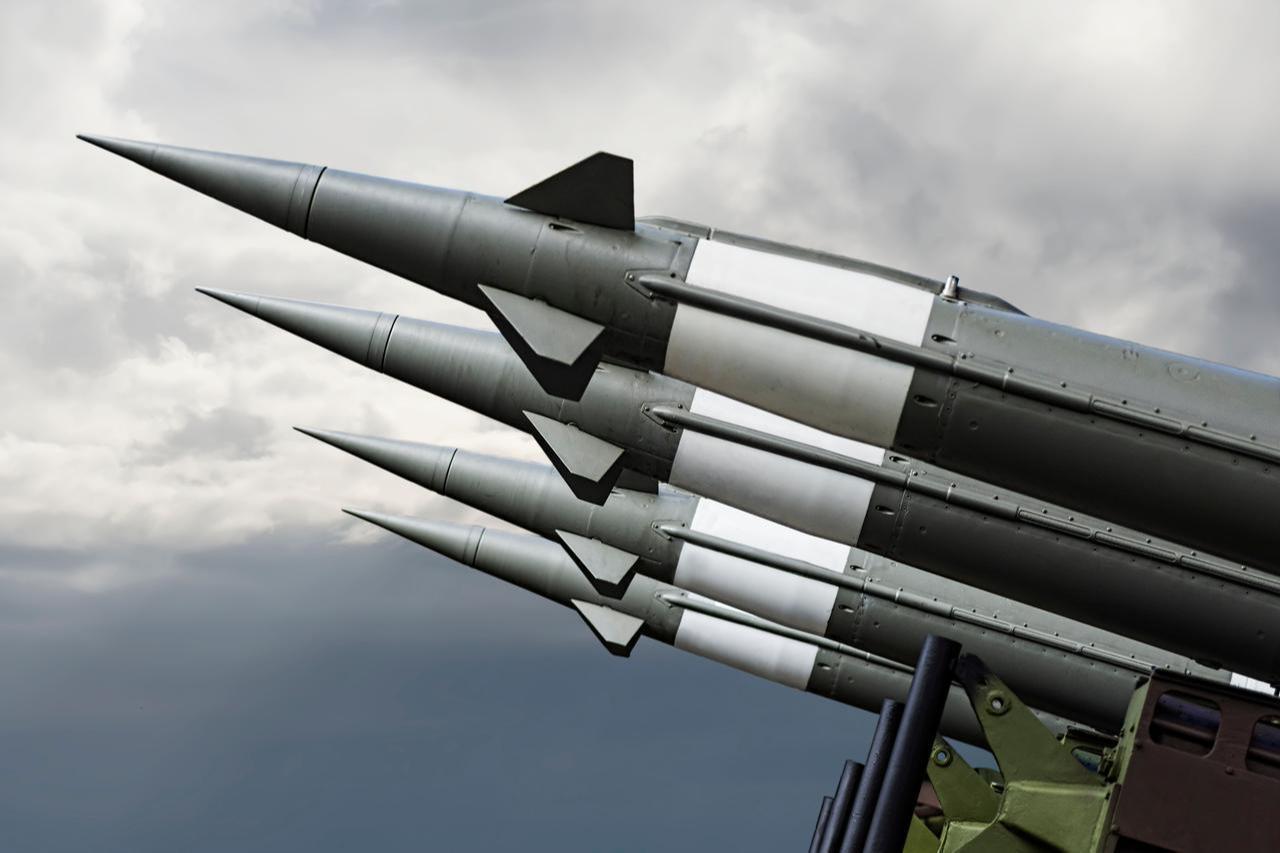
Yeaw was openly dismissive of both Floyd's statement and the broader architecture of the Comprehensive Test Ban Treaty, which would prohibit all nuclear explosions worldwide but has never entered into force. Only France and Britain among the nuclear weapons states have ratified the agreement.
If monitoring bodies cannot detect low-yield tests that still provide valuable data to nuclear-armed states, "the treaty becomes basically a fig leaf," Yeaw said, urging Floyd to "reassess priorities."
The United States signed the treaty under President Bill Clinton, but the Senate rejected ratification in 1999 amid opposition from Republicans. The country last detonated a nuclear weapon in 1992 and has since relied on subcritical experiments, designed to ensure the safety and reliability of the arsenal without triggering a nuclear chain reaction.
Yeaw sought to temper alarm among arms control advocates, insisting that any future US test would not resemble the era of massive atmospheric detonations. He specifically referenced Ivy Mike, the 1952 thermonuclear test in the South Pacific that produced a multi-megaton blast, one of the most powerful explosions in American nuclear history.
"Equal basis doesn't mean we're going back to Ivy Mike-style atmospheric testing in the multi-megaton range, as some arms control folks would have you believe, hyperventilating about this issue," he said.
He did not announce any timeline for testing, saying that decision would rest with Trump, but added that any future test would be conducted at a "level playing field."
The State Department in 2024 also alleged that Russia had conducted low-yield tests. Moscow, which has issued veiled threats about using nuclear weapons in its war in Ukraine, has not publicly responded in detail to those specific claims.
China's nuclear arsenal remains significantly smaller than those of the United States and Russia, but it has been expanding rapidly, a buildup that has become a central concern for American defense planners and a key argument in the administration's push for trilateral arms negotiations.


 Set as preferred source
 Set as preferred source


 1 min read
 1 min read