Newsletters





Venezuela's Health Ministry confirmed Tuesday that three people have died from hantavirus in the eastern state of Anzoategui, while authorities investigate two additional fatalities involving healthcare workers in the western state of Barinas.
The ministry said the two cases in Barinas are "unconnected to the cases in Anzoategui" and represent "localized events" that pose no generalized risk to the public.
Official figures indicate the three patients in Anzoategui developed severe respiratory distress leading to significant lung damage and pleural effusion before dying while hospitalized.
"This virus is transmitted by rodents in rural and agricultural areas, mainly through the inhalation of particles of urine, feces, or saliva in enclosed spaces," the ministry said in a statement. "There is no scientific evidence of person-to-person transmission in our country."
Anzoategui, located roughly 300 kilometers (186 miles) east of the capital Caracas, is a largely rural, agricultural state where health officials say rodent exposure is more common. Barinas sits in Venezuela's western plains region, near the border with Colombia.
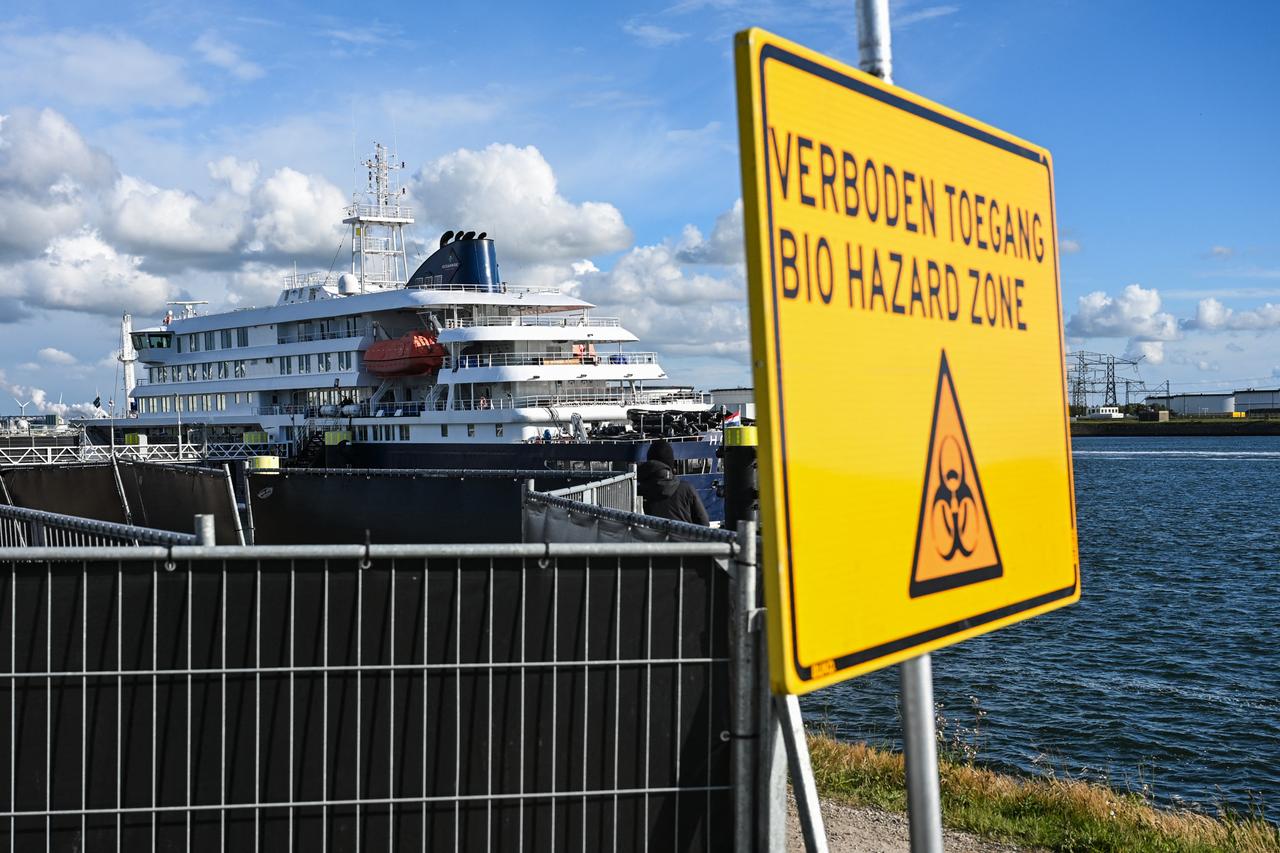
Following the confirmed diagnoses, authorities established an epidemiological containment zone in Anzoategui to identify potential contacts and intensify public health surveillance.


Hantaviruses are a family of viruses spread mainly by rodents that can cause severe, sometimes fatal, respiratory and hemorrhagic conditions in humans. The World Health Organization (WHO) estimates between 10,000 and 100,000 human cases occur globally each year, with severity depending on the specific viral strain.
Human-to-human transmission remains extraordinarily rare worldwide, though the Andes virus strain is the only known hantavirus variant capable of spreading through close, prolonged contact between people.

The Venezuelan Medical Federation expressed concern Monday, urging the national government to act swiftly against what it described as a rapidly spreading threat.
The federation disputed the government's account, asserting that the epidemiological situation is more severe than official figures suggest. According to the medical association, patients across affected areas are presenting with a high fever, internal bleeding and acute respiratory failure. The group criticized the health ministry's lack of transparency, calling for comprehensive investigations and open public communication.
The emerging cases of hantavirus come at a difficult moment for Venezuela's public healthcare system. Years of economic hardship have left the hospital infrastructure severely degraded, with chronic shortages of basic medicines, essential diagnostic tools and personal protective equipment.
The ongoing exodus of thousands of medical professionals, including doctors, nurses and specialized laboratory technicians, has also eroded the capacity of public facilities to manage complex infectious disease cases.


 Set as preferred source
 Set as preferred source


 1 min read


 1 min read