Newsletters




“I am not representing. I am accompanying.”
Turkish film producer Bulut Reyhanoglu is precise about the language he uses.
Recently named one of two international representatives of WomanPost, alongside journalist and social entrepreneur Sarah Little, Reyhanoglu is quick to redirect attention away from himself. In an interview with Türkiye Today, he describes his role not as leadership, but as accompaniment.
“This is not about speaking for anyone,” he says. “It is about opening space and asking what I can do to help their voices be heard.”
His route to WomanPost did not run through formal advocacy circles. It moved through film sets and volunteer kitchens, through years of community work layered alongside a later career in cinema.
Reyhanoglu began engaging deeply with Afghan narratives while producing “Cinema Jazireh,” a feature centered on the story of an Afghan woman. The film took years to complete and premiered internationally, expanding conversations around its subject matter beyond Türkiye.
It was during that period, as the film circulated abroad, that WomanPost first contacted him. He nearly ignored the message.
“I thought it might be a mistake,” he recalls. “Why me?”
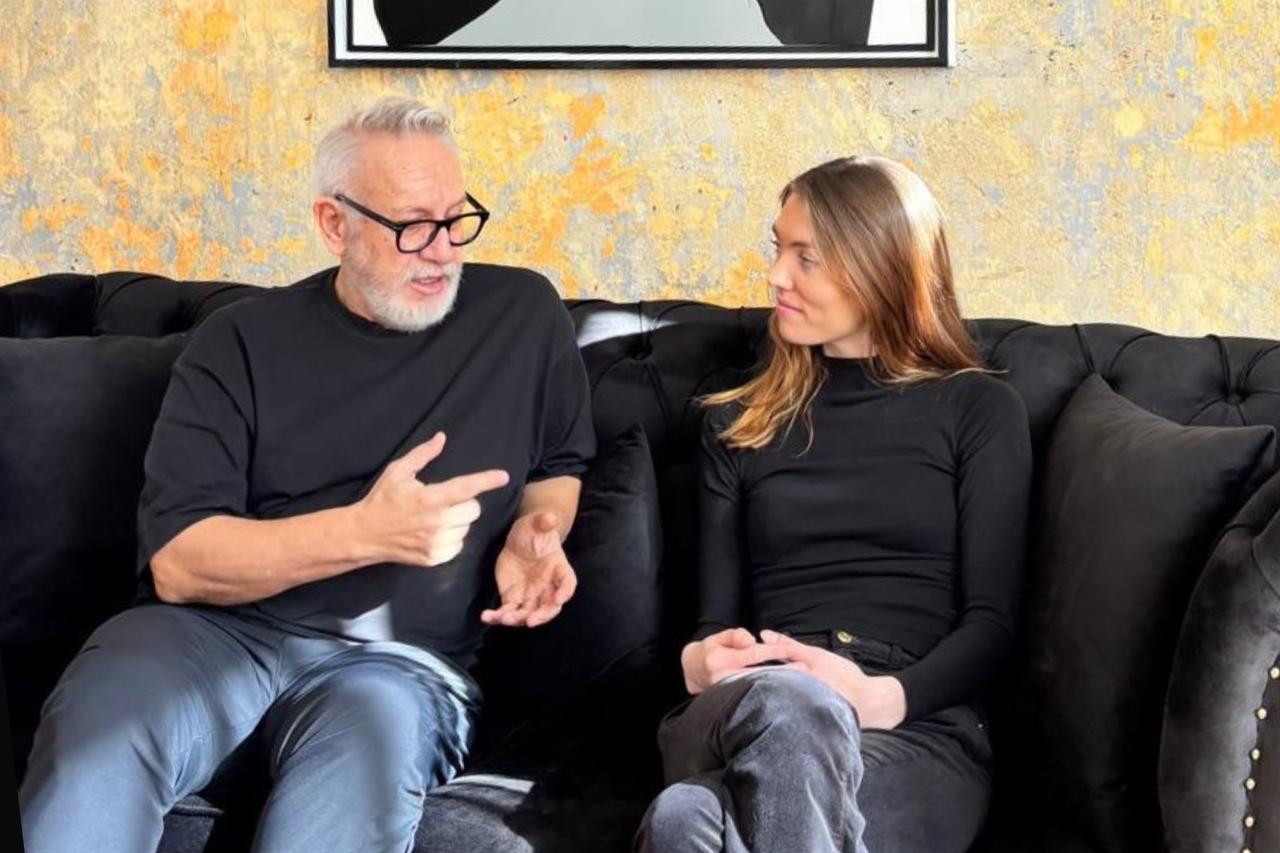

Bulut Reyhanoglu’s public association with Afghan women’s rights came late in his professional life.
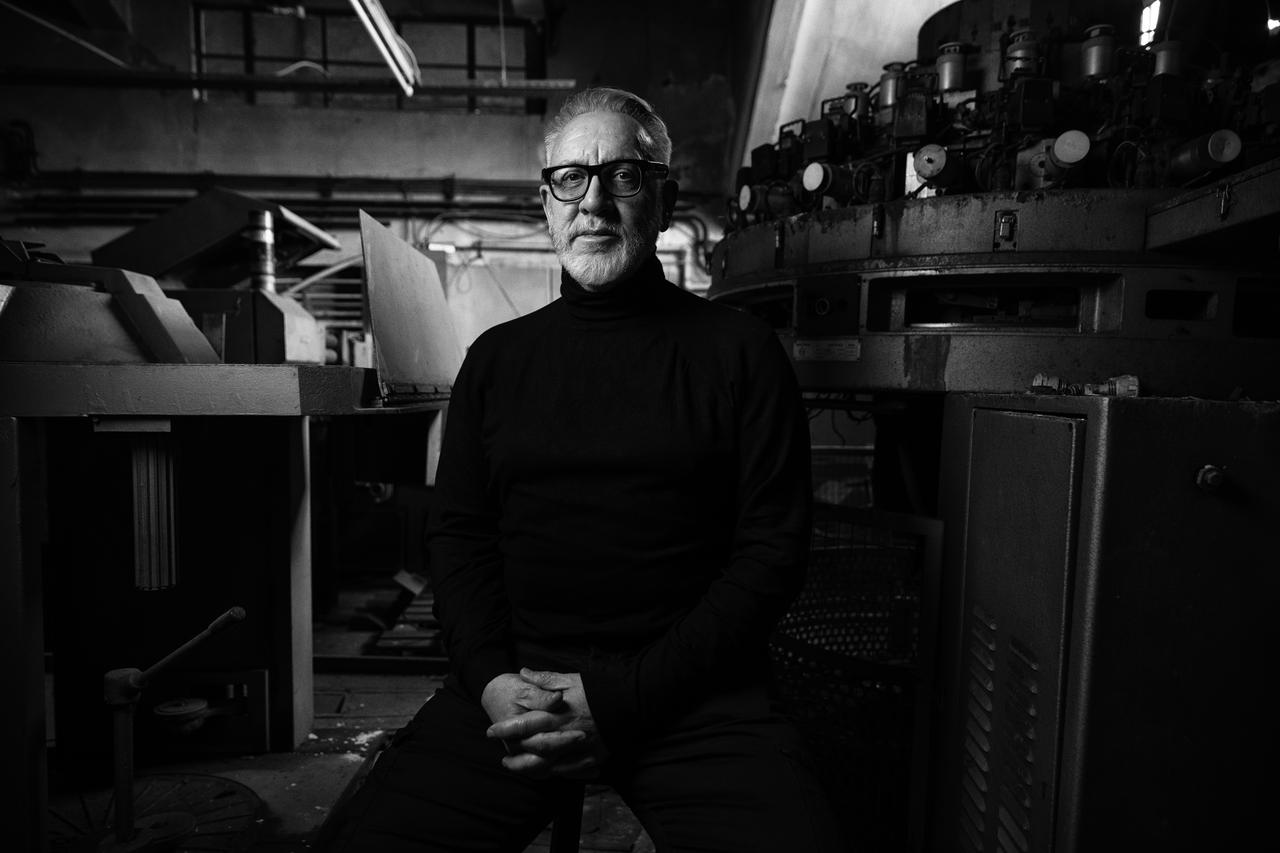
For decades, he worked in international production, managing supply chains across European and U.S. markets in the fashion and textile industry. The work required negotiation, durability, and an ability to move between systems without losing precision.
Cinema arrived at 52.
The transition was not framed as reinvention but as redirection. He brought the same structural discipline into filmmaking, gravitating toward stories shaped by social constraint and personal endurance. His projects explore identity and displacement, and the solidarities that emerge under pressure.
Parallel to his business career, he had long been involved in community initiatives in Türkiye. With "Corbada Tuzun Olsun", he volunteered in late night food distribution efforts for unhoused residents in central Istanbul.
After the February 2023 earthquakes, he joined "Biriz Dayanisma Dernegi" (We Are One Solidarity Association), a women-led organization supporting recovery efforts in Hatay and other affected regions, with a focus on vocational training and economic reintegration for women and girls.
These were sustained commitments, carried out without public emphasis.
When WomanPost approached him, he believed it was this record of sustained involvement that drew their attention.

What distinguishes WomanPost, Bulut Reyhanoglu suggests, is not simply the act of documentation, but the way those stories are presented.
WomanPost describes itself as an independent media platform focused on documenting and amplifying women’s voices across the Middle East and globally, with Afghanistan at the center of its recent work. The organization operates without political affiliation or institutional funding.
The platform publishes investigative reports, conducts documentary-style interviews, and supports creative initiatives, including an animation program led by Afghan women artists. It is also preparing a book that will compile documented testimonies alongside statements from affiliated public figures. More than 60 public figures have joined a planned network of over 100 global supporters, and its campaigns have reached over 6 million people worldwide.
Reyhanoglu is careful when discussing participation from inside Afghanistan. Visibility, he notes, can carry consequences. The emphasis, he says, is not on exposing individuals but on ensuring stories are handled responsibly.
For him, the decisive issue is not only what is documented, but how it is framed.
“If you only show suffering, after a while people stop seeing it,” he says. “The world becomes numb to it.”
He speaks of women who hold university degrees, who completed graduate studies, who trained professionally but are now unable to practice their professions. “They are not defined only by what has been taken from them,” he says. “They are capable, creative, disciplined. If they are given a healthy environment, they can build anything.”
That insistence on capacity is shaped in part by his own experience navigating European markets. For years, he says, Türkiye has been treated as culturally adjacent to Europe in moments of success, but recast as “Middle Eastern” when mistakes occurred, a classification that is highly problematic in itself.
“You can work 10 years without a problem,” he recalls, “but one error and you are suddenly categorized differently.”
In cinema, he adds, similar expectations persist. Films from the region are often anticipated to conform to narratives of hardship or political tension.
“We are not different,” he says. “You are not a different journalist. I am not a different producer. Talent and discipline are not regional.”
For him, portraying Afghan women as professionals, artists, and intellectuals is not a denial of repression but a refusal to reduce them to it.
“You cannot close your eyes and turn away,” he says. “If you live in this world, you have to look.”
The environment in which WomanPost operates has changed markedly in recent years.
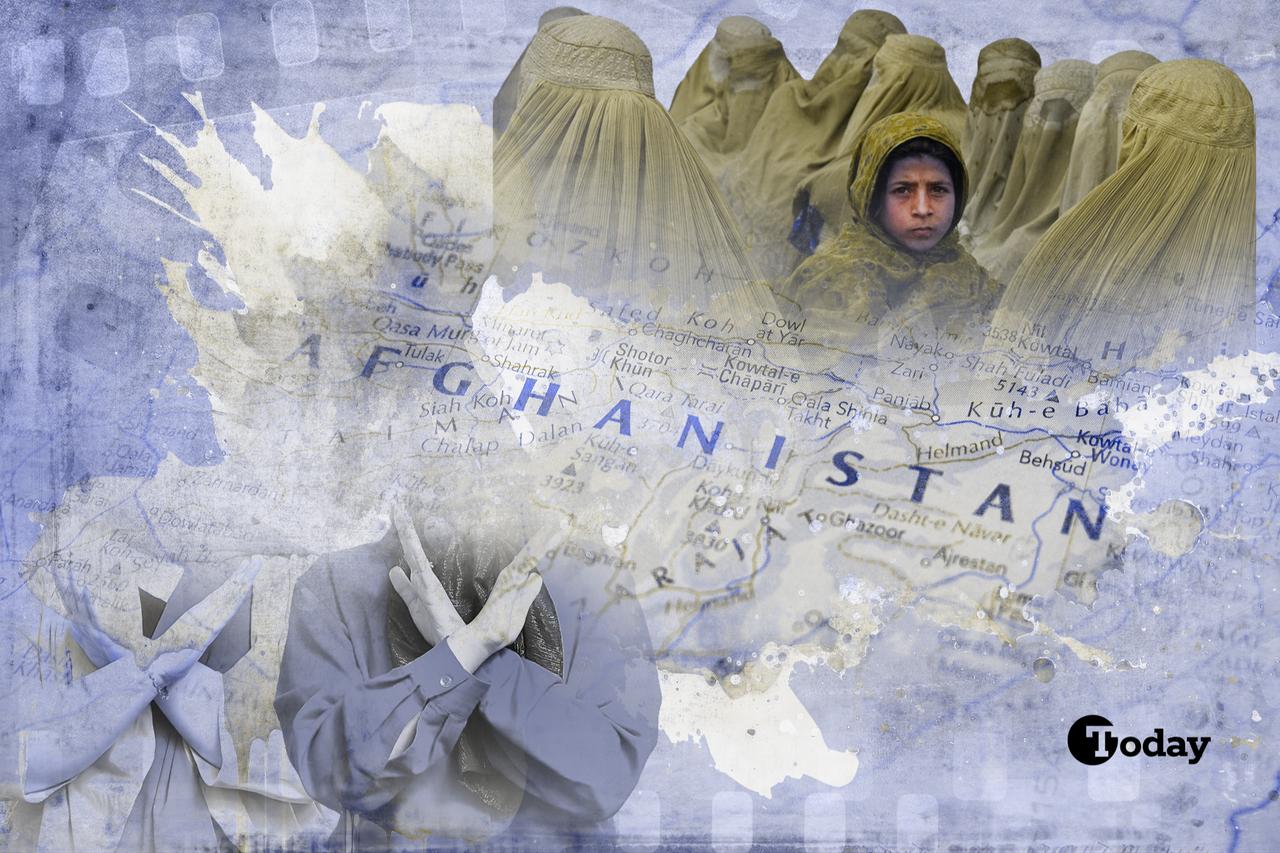
In Afghanistan, women’s access to education, employment and public participation has narrowed across multiple sectors, according to United Nations reporting.
Girls above primary school age remain barred from secondary education, and women are excluded from universities.
UN Women estimates that nearly 80% of young Afghan women between the ages of 18 and 29 are not in education, employment or training. Only about one in four women is working or seeking employment, compared to nearly 90% of men.
The projected social consequences are significant. UN Women estimates that continued barriers to education and medical training could increase maternal mortality by at least 50% by 2026. The same reporting anticipates increases in child marriage and adolescent childbearing as educational pathways remain closed.
For Reyhanoglu, the implications are immediate.
“If women cannot study,” he says, “there will be no women left in the health sector. Then women cannot go to hospitals.”
He pauses on the thought.
“My mind cannot accept that the world can simply say, ‘so it is,’” he adds.
Since 2021, nearly 100 decrees affecting women’s rights have been introduced, according to U.N. reporting. None has been formally reversed.
More recently, a new criminal regulation endorsed in January 2026 has drawn international scrutiny. A legal analysis published by GIWPS notes that the framework introduces formal social hierarchies and expands discretionary punishment mechanisms within the judicial system.
Amnesty International has described the broader pattern of restrictions as systematic and institutionalized.
Bulut Reyhanoglu returns to what he sees as the central paradox.
“We are talking about the 21st century,” he says. “We see this.”
He points to what he describes as a gap between visibility and response.
“My eyes see it. Your eyes see it,” he says. “But will there not be pressure?”
The title of “international representative” does not translate into a symbolic role alone.
Bulut Reyhanoglu describes it as coordination, amplification and persistence.
“First, we are working to make our voices heard,” he says. “It is about drawing attention.”
In Türkiye, he plans to organize film screenings and public discussions, and to build collaborations with artists, writers and figures from popular culture. He says he will also propose additional Turkish public figures to join WomanPost’s planned network of more than 100 global supporters, expanding the platform’s reach from within the country.
At the same time, he speaks of exploring institutional avenues and possible conversations with public bodies to determine what forms of support might be feasible over time.
“This is not something you can do very quickly,” he adds cautiously. “It has to happen gradually.”
Alongside the public dimension, he has begun meeting with Afghan migrant communities in Türkiye. These conversations, he says, are an attempt to understand where his and WomanPost's assistance might be possible.
Visibility, in his view, operates on multiple levels.
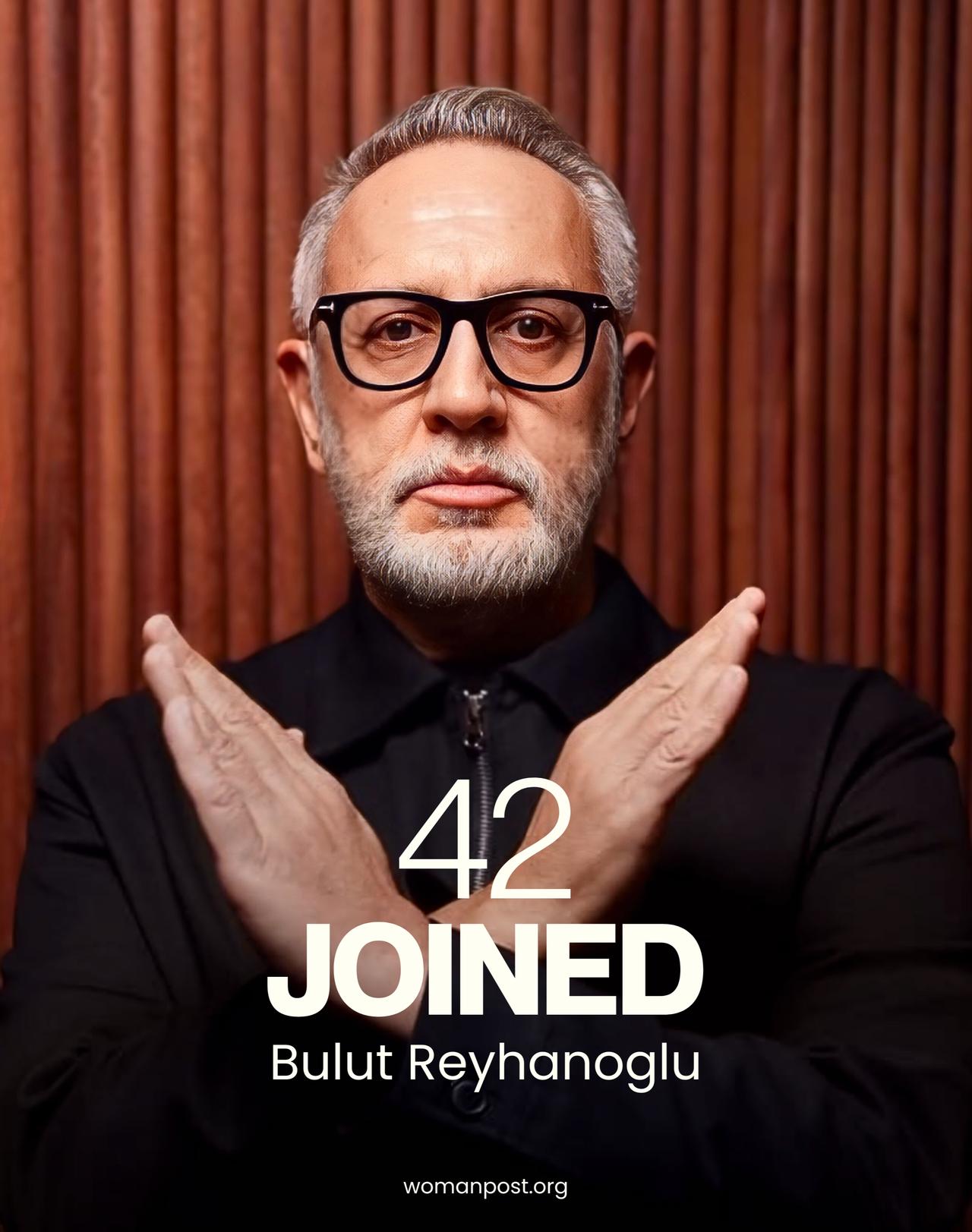
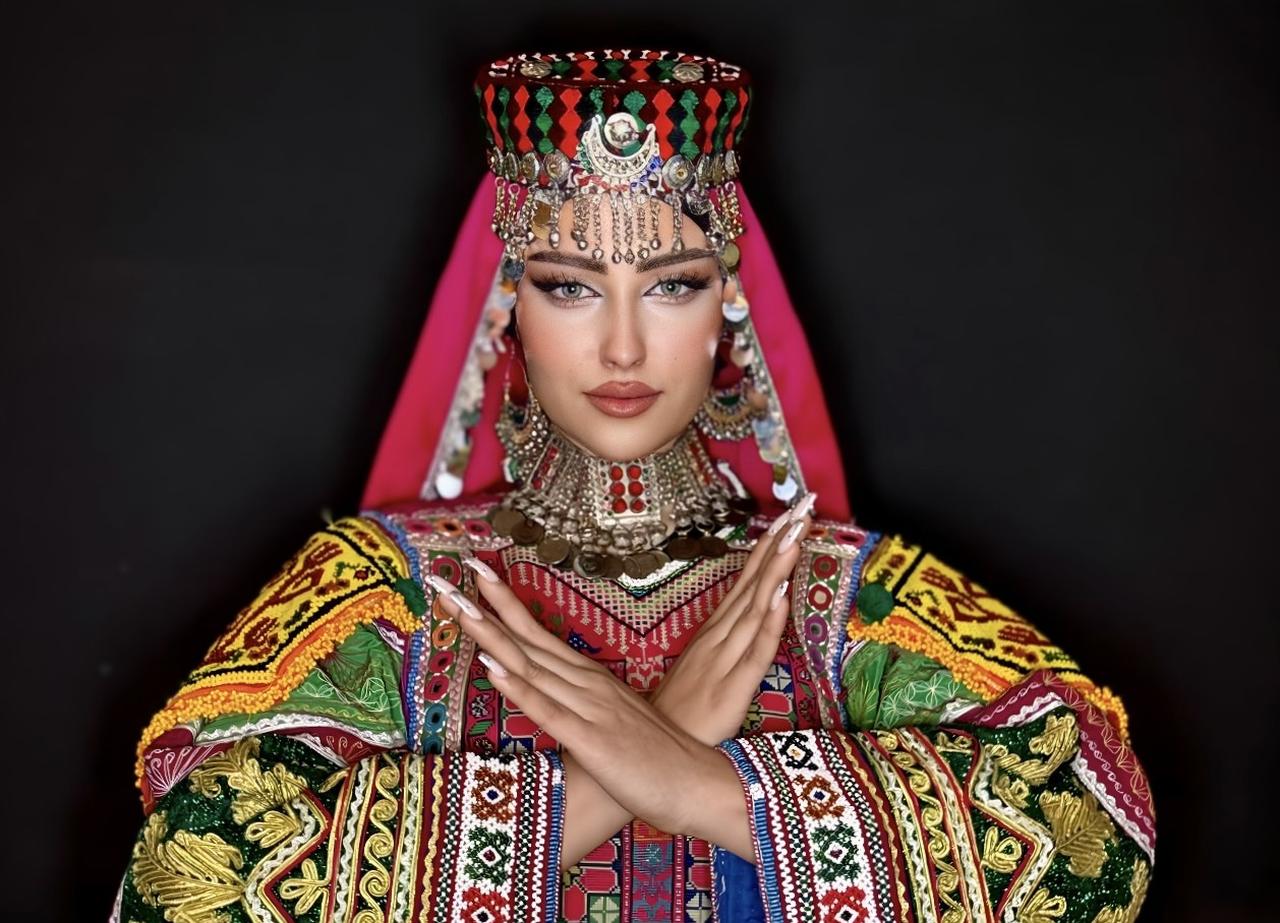
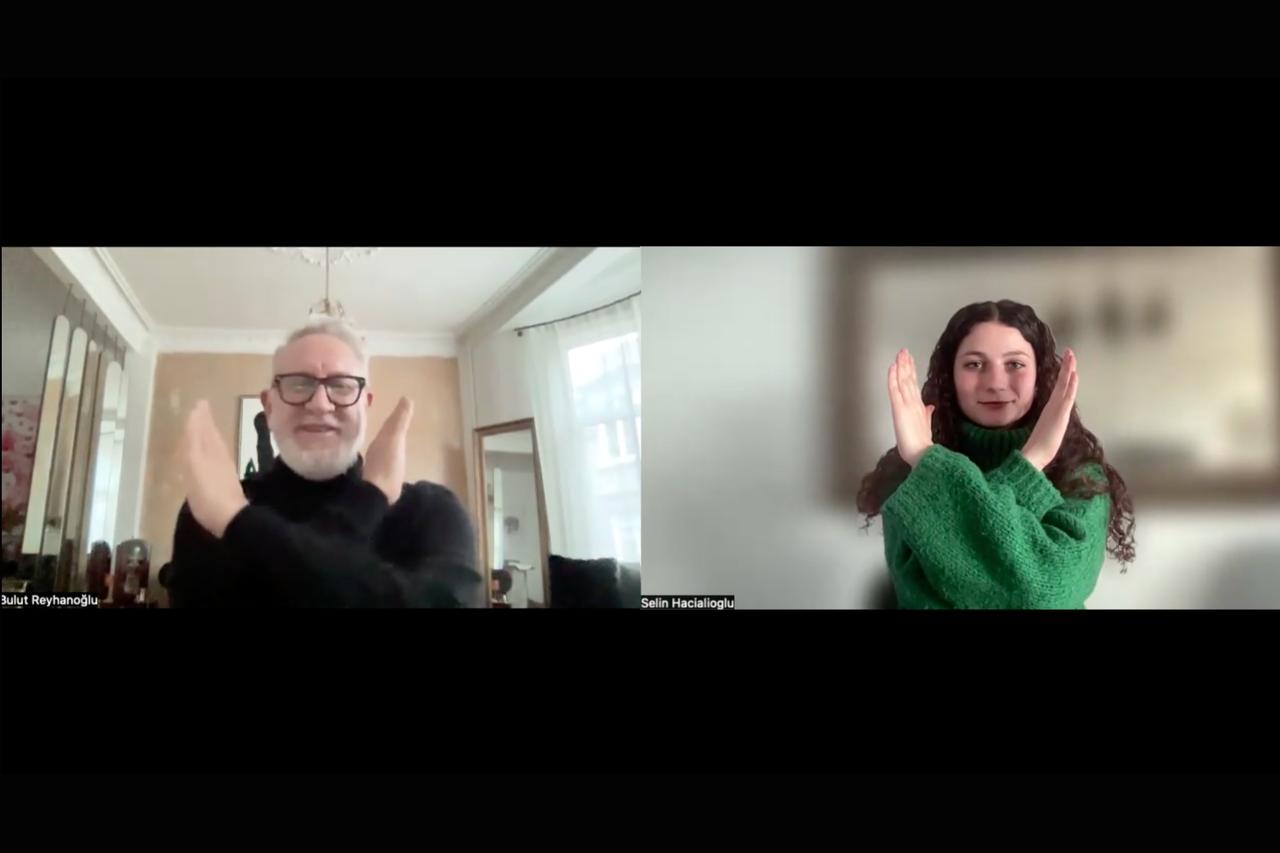
WomanPost’s crossed-arm gesture, widely shared online, is one such level and everyone can contribute to it. The gesture itself does not resolve structural problems, but repetition matters when trying to raise awareness.
“This conversation we are having right now,” he says, “may become a light for someone.”
He returns to a metaphor we used several times during our conversation, comparing awareness to a ripple expanding outward. A film screened in one place, a photograph shared in another, a discussion begun somewhere else.
Hope, in Bulut Reyhanoglu’s view, is not a slogan but a habit he refuses to abandon.
“I have never wanted to lose it,” he says.
However, he also does not speak in terms of guaranteed results. “Maybe today I cannot change anything,” he adds, “but everything we do has a reason.”
When discussing this belief, he often turns to cinema. A film may not alter policy or shift institutions overnight. But it can reach someone unexpectedly, in another city, another country, another moment.
“You look at yourself from the outside,” he says of the medium. “A camera can show you something you did not see when you were inside it.”
That distance, he suggests, creates the possibility of recognition. Recognition can lead to discomfort and discomfort can lead to conversation.
Reyhanoglu consistently resists the language of leadership. The role he describes in WomanPost is quieter, closer to proximity than prominence. Visibility, even in the form of a simple crossed hands gesture shared publicly, matters because it signals that someone is watching.
Every voice matters and every effort has an outcome. It may not be immediate, it may not be visible, but all efforts to do good ultimately reach their destination, in one way or another.


 Set as preferred source
 Set as preferred source


 4 min read