Newsletters


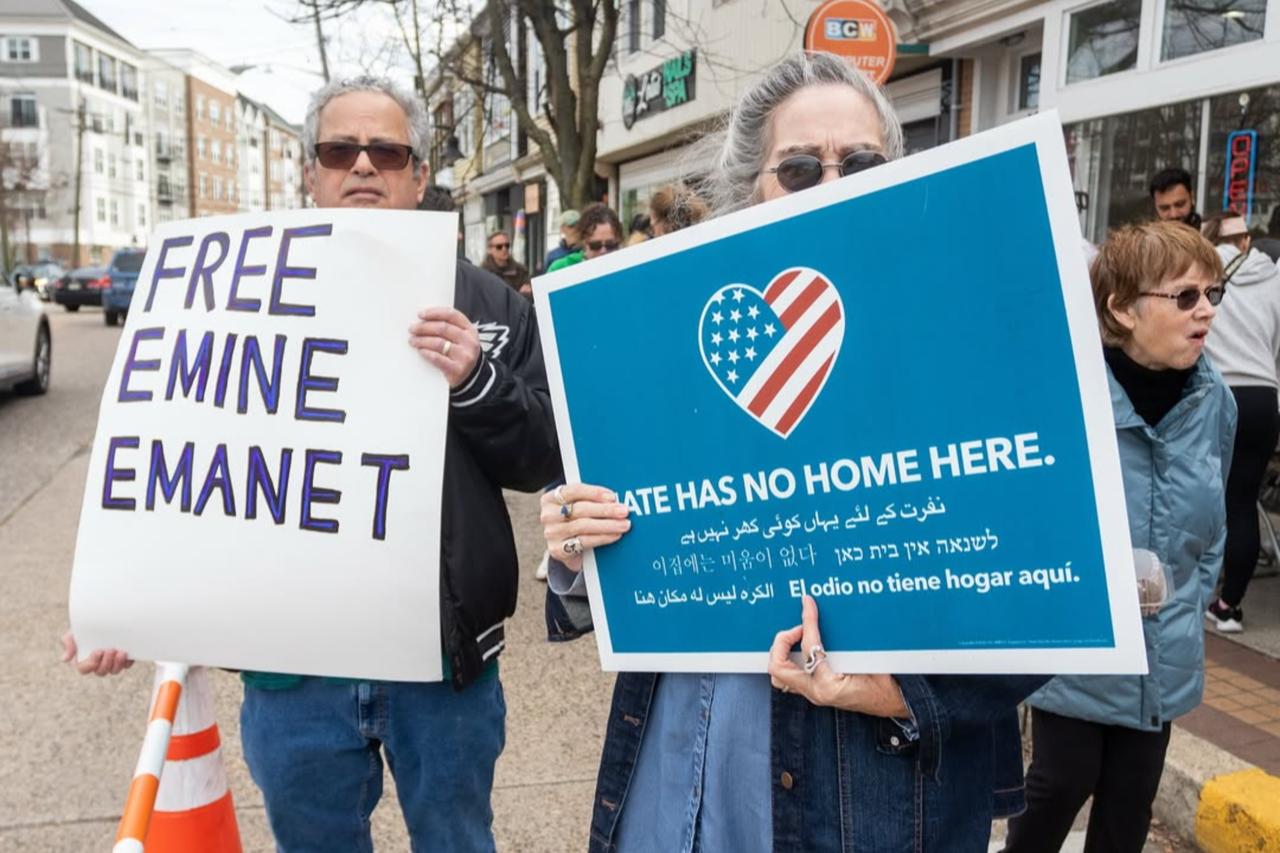


On a Tuesday morning in February 2025, the air inside Jersey Kebab in Haddon Township was thick with the scent of grilling meat and the routine chatter of local regulars. Celal and Emine Emanet weren’t thinking about immigration law; they were thinking about lunch service.
The couple had spent nearly two decades feeding this community. But when ICE officers walked through the door, the kitchen went cold. In an instant, the "pillars" of a New Jersey suburb were transformed into administrative statistics, sparking a nationwide debate over where the line between enforcement and community stability truly lies.
Years earlier, the first detention that helped ignite nationwide debate over ICE practices involved Rumeysa Ozturk. A Turkish national who was taken into custody only to return six weeks later to a reception of hundreds of supporters who had mobilized on her behalf. Her case became a landmark reference point for discussions on immigration enforcement, due process, and the power of public oversight in the United States.
That episode set the tone for a broader national conversation. Across the country, other Turkish nationals were detained during the same period—not due to criminal convictions, but because of unresolved administrative issues. While these stories received less national media coverage than Ozturk’s, they were no less significant to the communities involved.
In several instances, a combination of judicial review and deep community engagement by American peers led to the release of these residents, as seen in the recent experiences of the Emanet family in New Jersey and Dogukan Gunaydin in Minnesota.
Turkish citizens in the United States occupy a wide range of social and economic roles. They include scholars, restaurant owners in small towns, graduate students at major universities, and professionals employed by large corporations.
Under U.S. law, immigration detention is not a punishment. It is intended to ensure compliance with immigration proceedings. However, this authority is balanced by judicial oversight, constitutional protections, and the ability of individuals to challenge their detention in court.
The cases involving Turkish nationals demonstrate how these safeguards operate. Detention initiated by enforcement agencies did not mark the end of the legal process. In multiple instances, courts determined that continued custody was not justified, leading to release rather than removal.
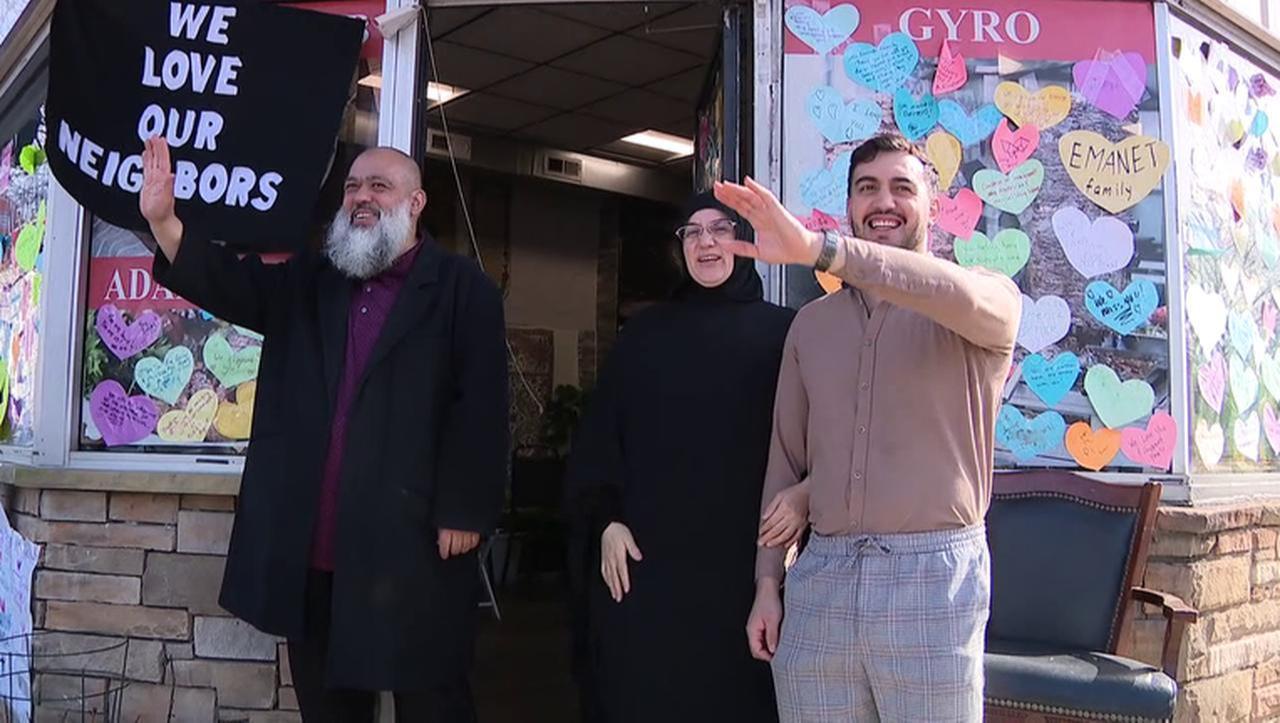

Since arriving in the United States in 2008, the Emanet family had built their lives around Jersey Kebab, a family-run restaurant that became a fixture of the neighborhood.
Their immigration status, however, remained unresolved after their visas expired. Despite applying for permanent residency and working with legal counsel for years, their case remained pending. This long-standing administrative uncertainty culminated in February 2025, when ICE officers detained both spouses during an enforcement action at their restaurant.
The detention was not based on allegations of criminal conduct. No new charges were filed, and no claims were made that the couple posed a public safety risk. Nonetheless, the immediate consequences were significant. The restaurant stayed closed temporarily as Emine Emanet was in custody, and the family was separated.
Shortly after the detention, Celal Emanet was released under electronic monitoring. Emine Emanet remained in an ICE detention facility in North Jersey for two weeks. During that period, public attention intensified.
This bond was built on years of the Emanets' own altruism, as the restaurant was known for feeding the homeless and those without money. Haddon Township Mayor Jim Kownacki championed their cause, describing Jersey Kebab as a "pillar" of the community that embodied kindness and generosity.
The mayor even reached out to congressional offices to seek federal assistance, underscoring the high-level local concern for the family's welfare. Fundraising efforts raised more than $327,000, even though the couple did not request such support.
Ultimately, an immigration judge set a bond for Emine Emanet, concluding that continued detention was not warranted. She was released and reunited with her family and the community.

A similar pattern emerged in Minnesota with Dogukan Gunaydin, an alumnus of Istanbul’s prestigious Uskudar American Academy and then an MBA student at the University of Minnesota’s Carlson School of Management.
In March 2025, Gunaydin was detained due to a prior misdemeanor that had already been resolved in the criminal justice system. At the time of his arrest by immigration authorities, there were no pending charges or trials.
Despite the lack of active charges, Gunaydin remained in a county jail for 56 days. The case eventually drew the attention of Congresswoman Ilhan Omar, who visited him in custody and later released a statement decrying the lack of a valid legal basis for his holding.
A federal judge eventually intervened, ruling that the detention violated procedural due process protections under the Fifth Amendment of the U.S. Constitution.
Upon his release, Gunaydin addressed his peers and the international student community, noting that while some may attempt to "scare" residents through the abuse of office, there are "many more who welcome us and fight alongside us."
He ended his first public remarks with a spirited "Go Wolves!" to celebrate his return to the Minnesota community. Today, he contributes to the American economy as a professional in a major U.S. corporation,
From New Jersey to Minnesota, the return of Turkish nationals to their communities followed established legal pathways. The cases of the Emanet family and Dogukan Gunaydin show that when individuals are not found guilty and detention cannot be legally sustained, release is not an exception but a consequence of due process.


 Set as preferred source
 Set as preferred source



 2 min read