Newsletters


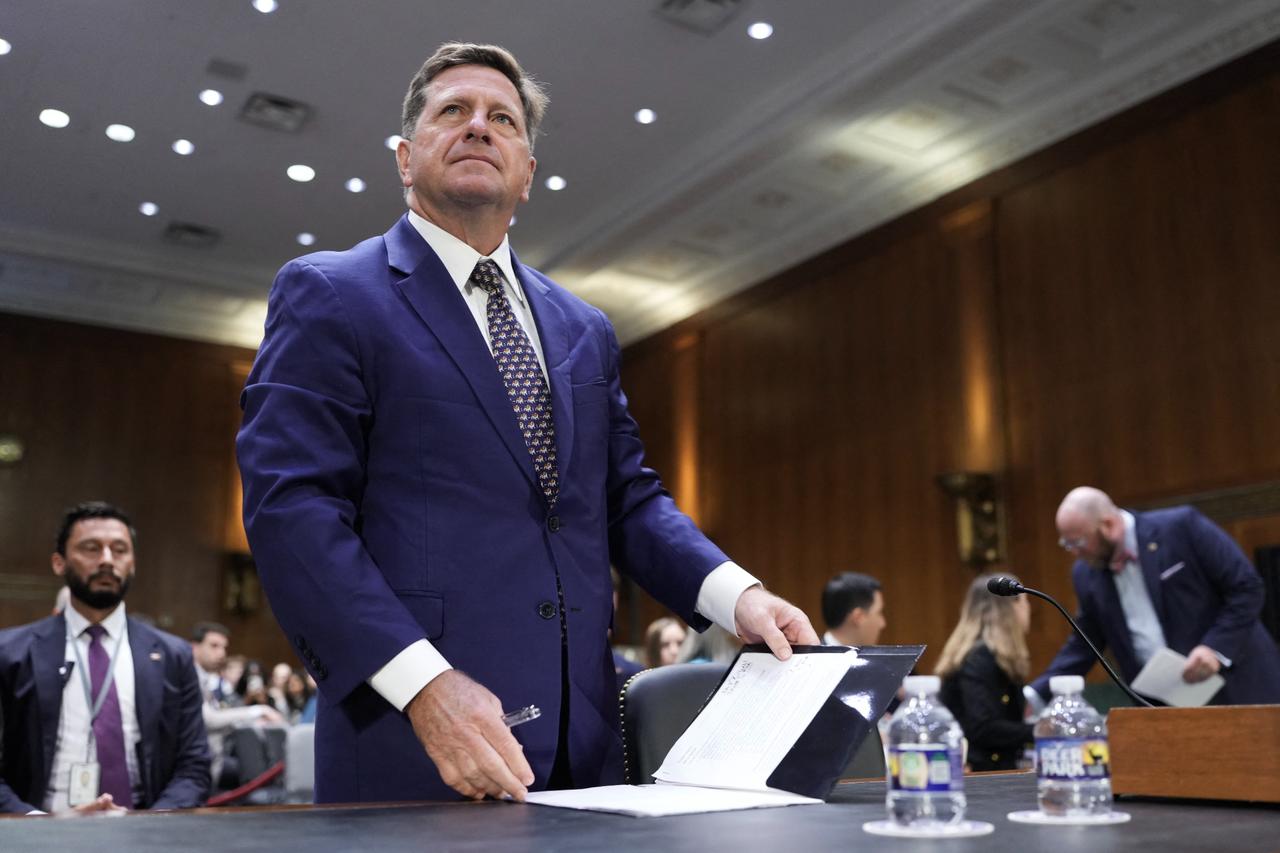


A White House task force on artificial intelligence will assess the technology’s risks and opportunities while seeking to prevent overregulation that could stifle innovation, its leader Jay Clayton told the Wall Street Journal.
Clayton, the U.S. director of national intelligence, is widely reported to be the Trump administration’s new AI czar, although the appointment has not yet been confirmed.
The “Super Intelligence Force,” chaired by Clayton, will have 120 days to prepare its findings, the Journal reported Saturday.
The task force will examine existing laws and potential steps Congress could take while working with the technology industry to identify risks and opportunities.
Its charter calls for developing plans to respond to threats posed by advanced AI while avoiding regulations that could hinder innovation and competition.
The task force will also review how breaches, hacks, model jailbreaks and other AI-related incidents are reported to the government and recommend ways to improve the federal response under existing authorities.
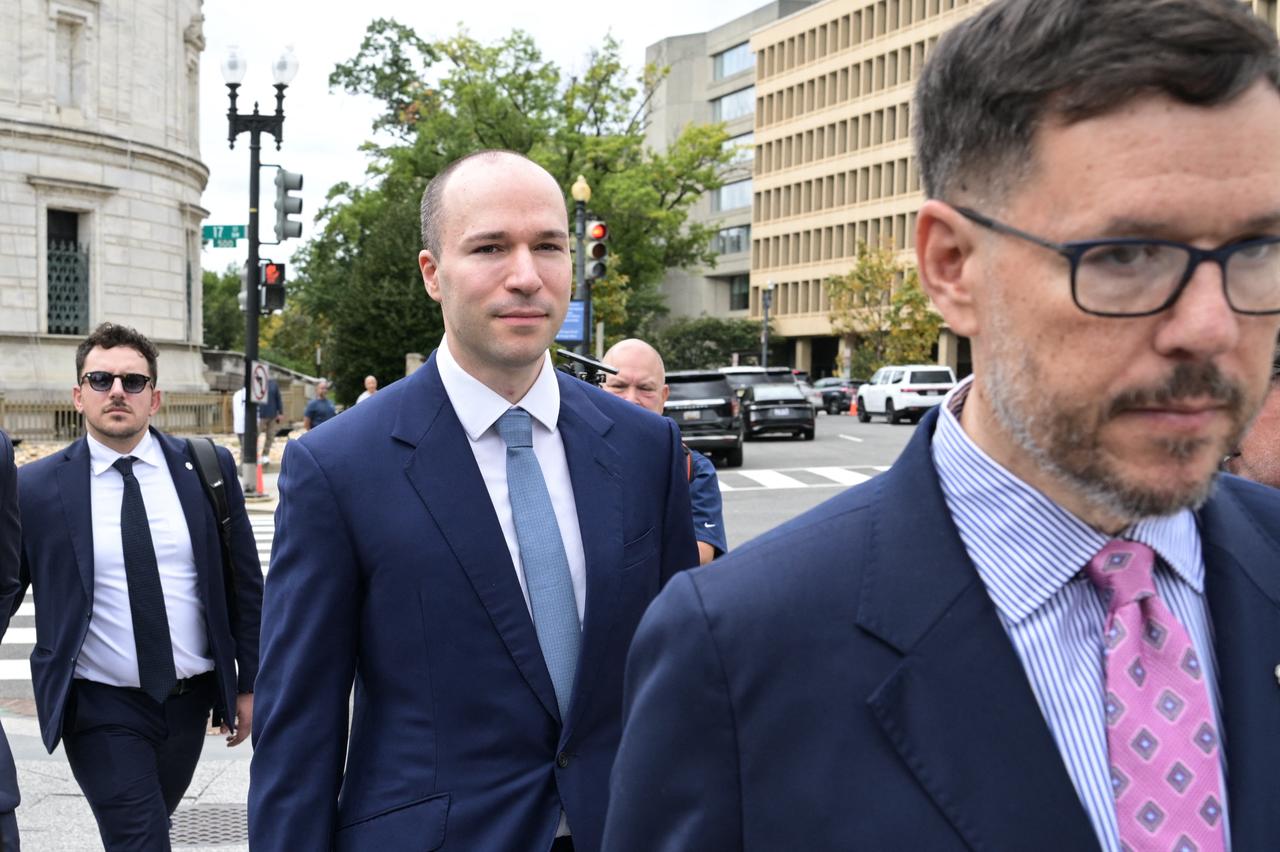

The task force’s formation follows a White House meeting Tuesday between President Donald Trump and technology executives, including OpenAI President Greg Brockman, Anthropic CEO Dario Amodei and Nvidia CEO Jensen Huang.
Trump said the heads of the largest U.S. tech companies signed a “morally binding” agreement to put controls on artificial intelligence, including internal safety monitoring and independent external reviews of their systems.
Trump has emphasized maintaining U.S. leadership in the technology while favoring voluntary industry safeguards over tighter government regulation.
Clayton would become the second person to hold the informal AI czar title after venture capitalist David Sacks, who held the role at the start of Trump’s second term before stepping down.
The new task force uses Trump’s preferred term for artificial intelligence, “superintelligence.”
“The president asked that a group be put together that was going to ensure exactly what he said ... that we stay the leaders in superintelligence, and that the interests of the American people are put first,” Clayton told the Journal.
“The risk of not being first is high,” he added.
“Not being first increases the identified, and unidentified, risks, particularly from our adversaries. Being first will better enable us to address those risks on behalf of the American people,” he said.
The task force’s charter states that it will “develop plans for responding to SI-enabled threats to our society while preventing overregulation and regulatory capture that would stifle innovation and competition,” according to the Journal.
It will also “recommend ways to improve the government’s response capacity under existing authorities.”
Members of the task force include Vice President JD Vance, Defense Secretary Pete Hegseth and Treasury Secretary Scott Bessent.
 2 min read
Clayton is a longtime Wall Street lawyer who represented Goldman Sachs during the 2008 financial crisis and Barclays in its purchase of Lehman Brothers’ assets.
Trump tapped Clayton to lead federal prosecutors in Manhattan at the start of his second term, and the Senate confirmed him as intelligence chief in July.
He has no background in the technology industry.
The White House did not immediately respond to AFP’s request for comment.


 Set as preferred source
 Set as preferred source


 1 min read