Newsletters


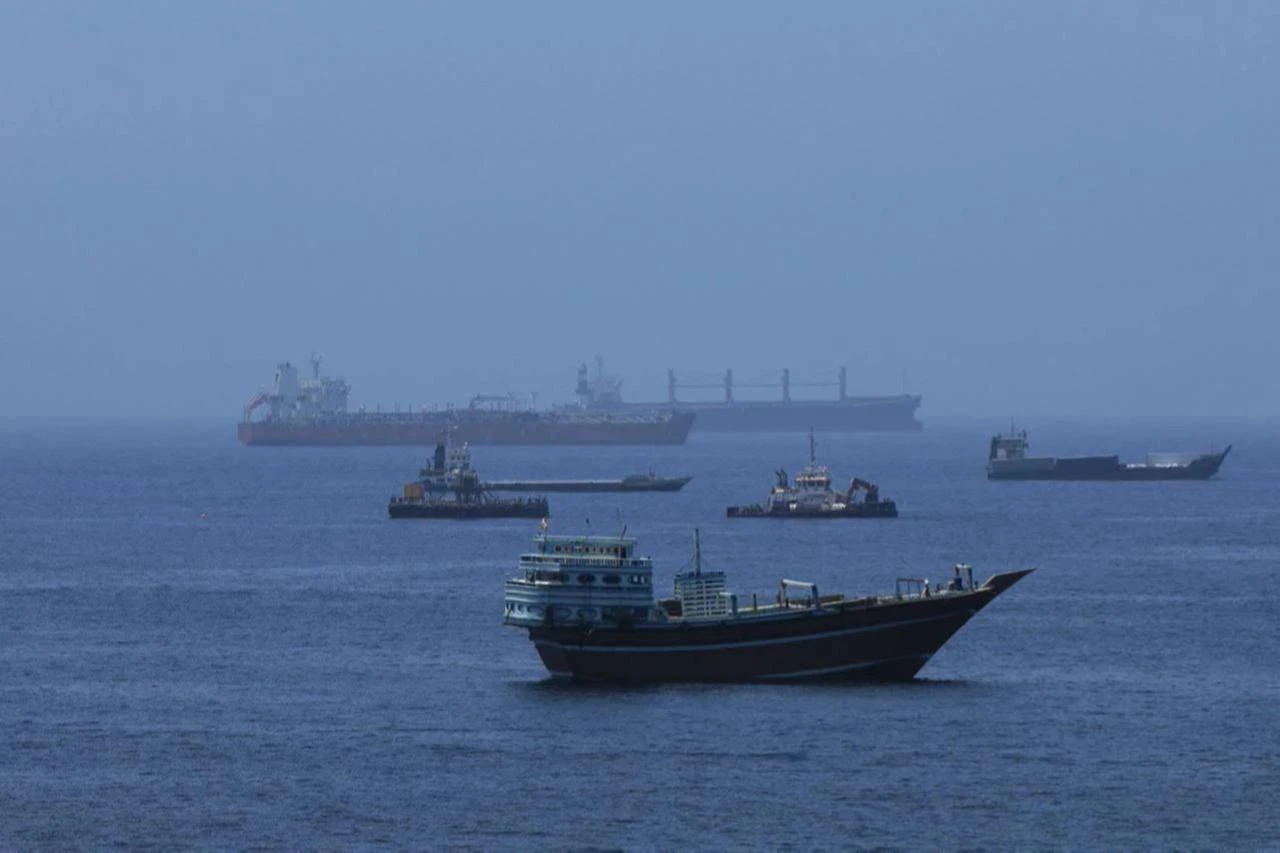


The Trump administration has extended a limited waiver of the Jones Act for another 90 days, the White House said Monday, a move aimed at bolstering domestic fuel supplies as disruptions tied to the Iran war continue to ripple through global energy markets.
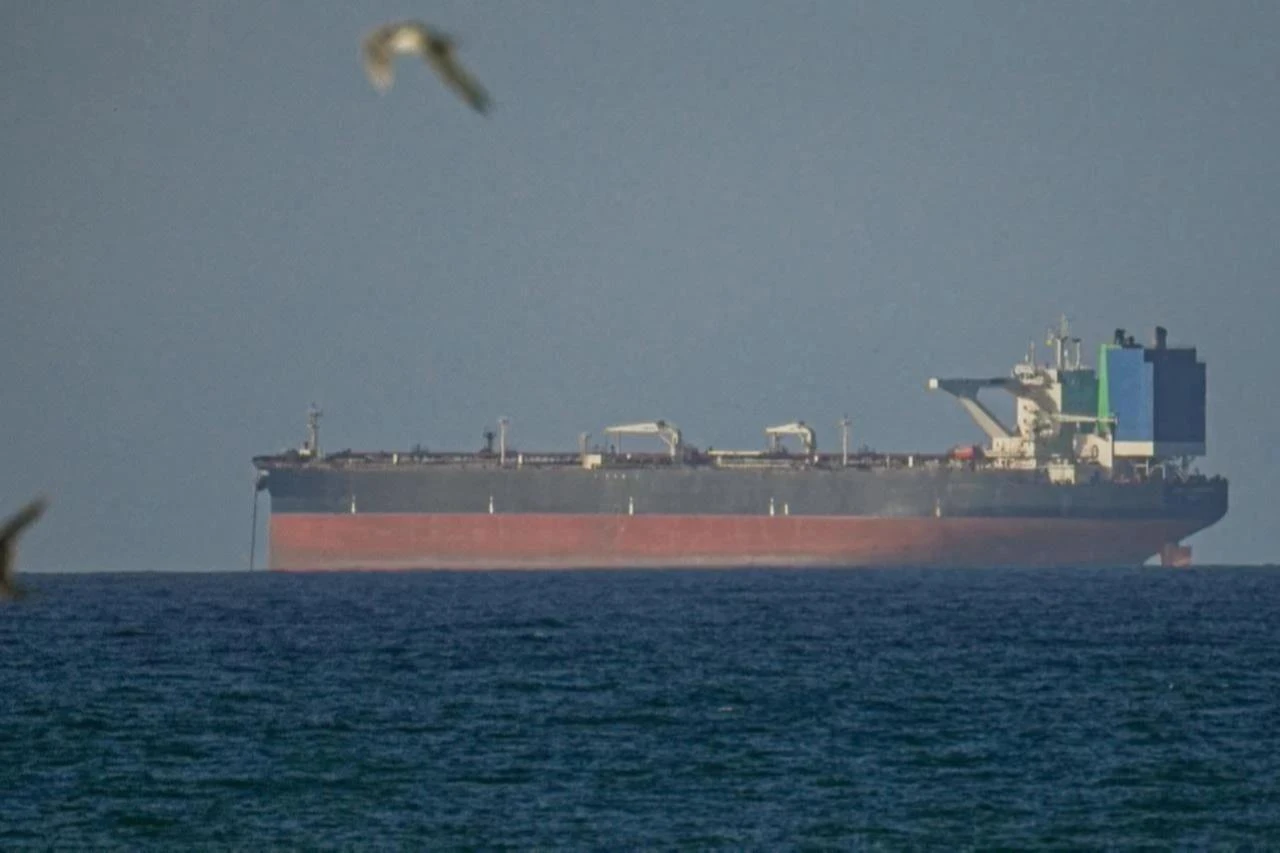
The extension permits foreign-flagged vessels to move certain energy resources between American ports, temporarily loosening restrictions under the century-old shipping law. White House spokeswoman Taylor Rogers said the waiver was renewed to ensure the military and critical industries retain uninterrupted access to essential resources.
Unlike the sweeping waiver issued earlier this year, the new extension will not apply broadly. Instead, the Pentagon will consult the U.S. Maritime Administration to evaluate individual shipments on a voyage-by-voyage basis to determine eligibility. The shift follows pushback from the domestic maritime industry, which had warned that a blanket waiver risked undercutting American shipbuilders and shipping companies.
Rogers said the narrower approach still delivers results. "Data shows the waiver has driven a significant increase in domestic deliveries of essential products such as gasoline, diesel, and jet fuel," she wrote on X.
The latest extension is expected to remain in effect until mid-November. Trump first issued a 60-day waiver on March 17 before extending it by another 90 days in May.
The Jones Act, formally part of the Merchant Marine Act of 1920, generally requires that goods shipped between U.S. ports travel on vessels that are built, owned and operated by Americans. The law has long been credited by supporters with sustaining the domestic shipbuilding industry and merchant marine workforce, while critics argue it raises shipping costs and limits flexibility during supply disruptions.
Since the initial waiver took effect, roughly 210 voyages that would otherwise have been barred under the law have been completed, according to U.S. Maritime Administration data. Most of those vessels carried gasoline or crude oil.
The extension comes as restricted traffic through the Strait of Hormuz continues to disrupt global energy flows and push oil prices higher. Compounding the pressure, U.S. Strategic Petroleum Reserve holdings dropped by about 6.1 million barrels last week to 298.7 million barrels, their lowest level since 1983.


 Set as preferred source
 Set as preferred source


 1 min read
 1 min read