Newsletters





The World Health Organization (WHO) said it has found no evidence of ongoing transmission linked to a suspected pneumonia case that killed a laboratory worker in Siberia, Russia.
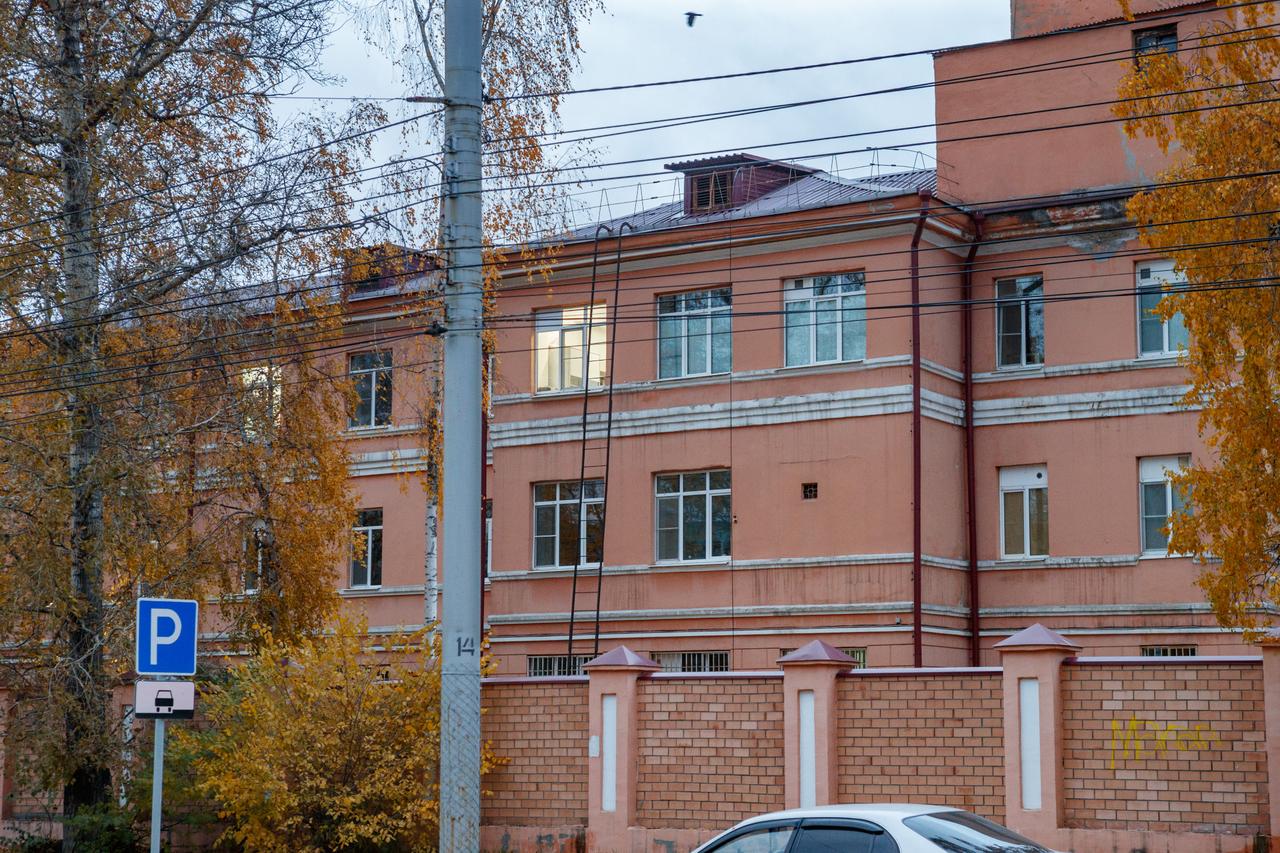
In a written statement, the WHO recalled that an employee of the Irkutsk Anti-Plague Institute of Siberia and the Far East died after a suspected case of pneumonia. Irkutsk is a city in Russia’s Siberian region, near Lake Baikal in southeastern Siberia.
According to media reports cited in the statement, the person was hospitalized with severe pneumonia on Sept. 29 and died on Oct. 2. Pneumonic plague was suspected as the cause of death following occupational exposure in the laboratory, the reports said.

“Upon the WHO’s verification requests, Russia’s National Focal Point (NFP) under the International Health Regulations confirmed the death,” the statement said.
“The NFP informed the WHO that no plague cases have been recorded recently in the Irkutsk region, that preventive and control measures were applied in line with national sanitary legislation and that laboratory tests on contacts did not detect high-risk pathogens.”
The statement added that Russian officials said no biosafety incident occurred in the laboratory, contrary to media reports, and that no other severe pneumonia case is linked to this one.
The NFP told the WHO that it tested the case and all contacts for various microorganisms, including high-risk pathogens, and all tests were negative.
All contacts were kept under medical surveillance in health facilities or at home, and none developed symptoms, according to the statement.
“Based on information provided by the NFP, the WHO has not identified any evidence of ongoing transmission associated with this event,” the statement said.
“The lack of a confirmed diagnosis in the deceased laboratory worker remains a key element of uncertainty.”
The WHO said it will continue to monitor the situation and assess possible public health implications as new information becomes available.
 1 min read
Irkutsk Regional Governor Igor Kobzev announced on Oct. 2 that an emergency meeting was held after information emerged about a “particularly dangerous infection” suspected in a regional resident.
Some social media channels claimed the same day that an employee of an anti-plague institute had died of “pneumonic plague.”
Rospotrebnadzor, Russia’s consumer protection and public health watchdog, said special measures were applied after an employee of the Irkutsk institute was diagnosed with “pneumonia of undetermined cause.”
Kremlin spokesperson Dmitry Peskov said the Kremlin informed the WHO in line with current procedures.


 Set as preferred source
 Set as preferred source




 1 min read