Newsletters





Russia’s health agency said Wednesday there were “no epidemic risks” following the reported death of a laboratory technician in Siberia last week, while the Kremlin rejected reports of a possible second case as largely “false.”
The comments came as the U.S., the European Union, and the World Health Organization called on Russia to provide more information about the situation at a plague research institute in Siberia’s Irkutsk region.
WHO Director-General Tedros Adhanom Ghebreyesus also called on Moscow to clarify “media reports of a second employee with pneumonia of undetermined cause.”
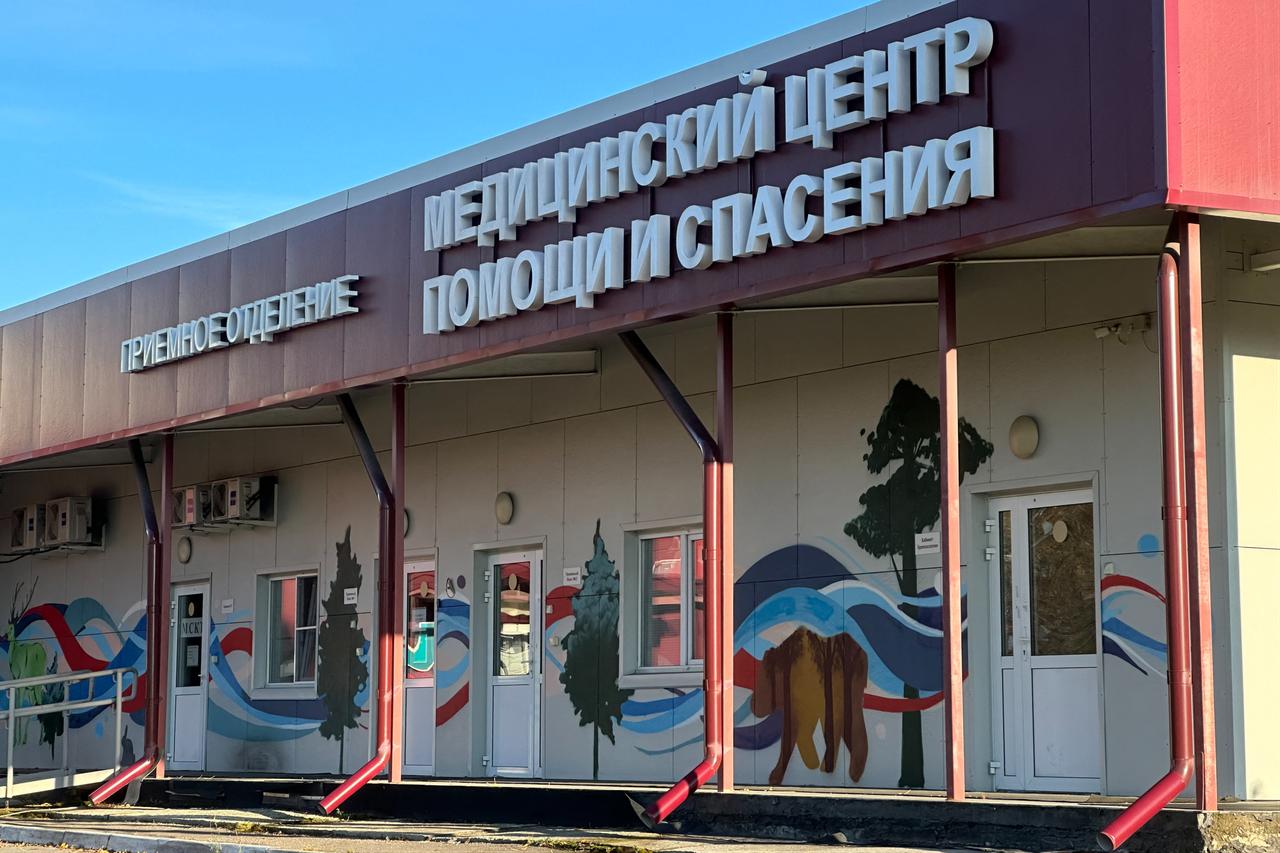

Russia’s health watchdog Rospotrebnadzor said more than 90% of people identified as contacts had completed medical observation.
“More than 90% of contacts have completed medical observation. No health disorders associated with infectious pathology were detected,” the agency said in a statement.
It added that “there are no epidemic risks for the population of Irkutsk and the Irkutsk region.”
Russian authorities have said the cause of the laboratory technician’s death has not been confirmed.
Rospotrebnadzor has also denied claims circulating in an online document that special anti-plague measures had been introduced.
 1 min read
Asked about reports of a possible second case, Kremlin spokesman Dmitry Peskov said much of the media coverage surrounding the situation was inaccurate.
“The media reports a great deal,” Peskov told reporters.
“And the vast majority of what the media is reporting regarding this situation is false information,” he said.
Peskov urged people to rely only on official statements from Rospotrebnadzor.
He also said he had “no information” about a formal U.S. request for clarification.
A source close to the matter told Agence France-Presse (AFP) Tuesday that Washington had sent such a request through a confidential diplomatic communication known as a demarche.

Russian news outlet People of Baikal reported Friday that 28-year-old Darya Shipilova may have contracted pneumonic plague from a broken test tube.
Other media reports also suggested a possible link between her death and a laboratory accident at the facility.
People of Baikal said up to 200 people who may have had contact with Shipilova were under quarantine.
Russian authorities, however, have maintained that the cause of death remains unconfirmed.


 Set as preferred source
 Set as preferred source


 1 min read