Newsletters


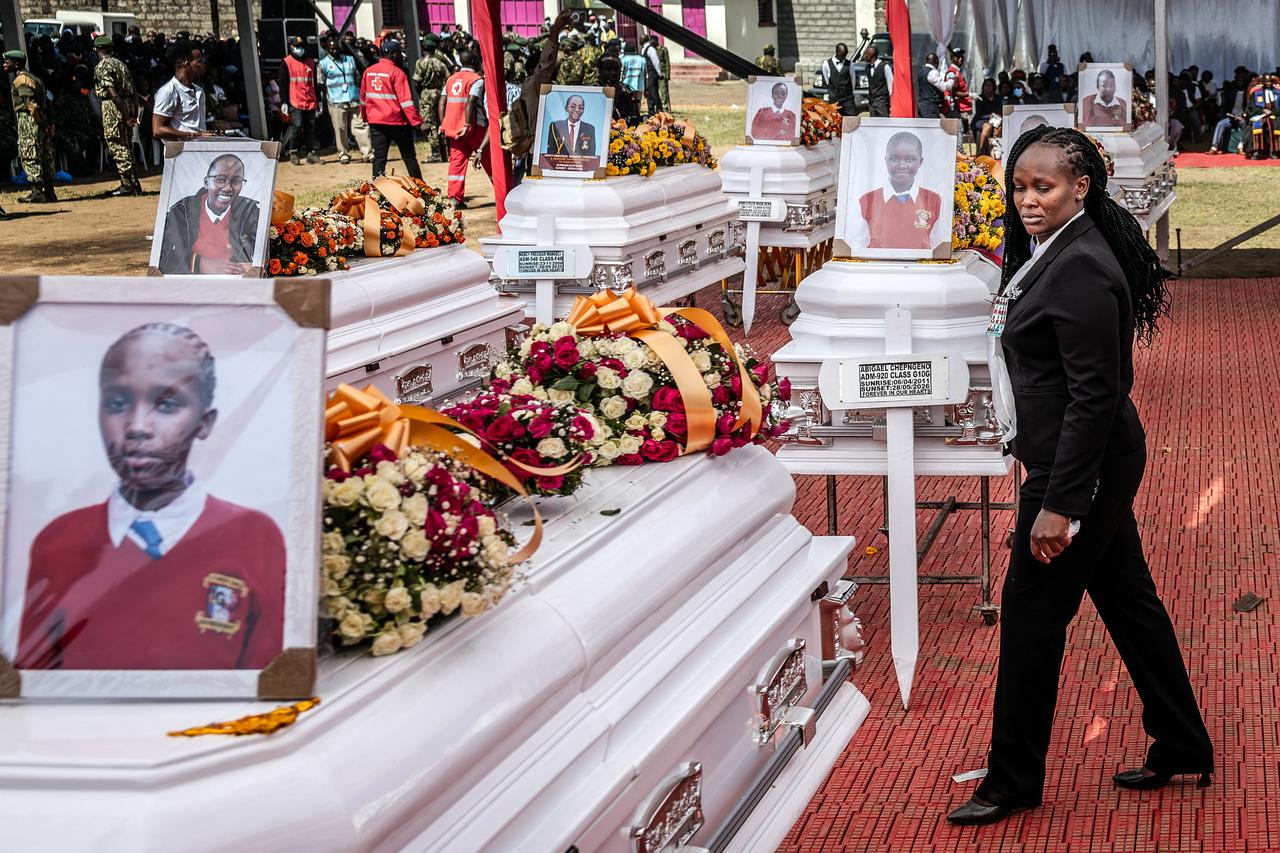


Nearly 50 fires have torn through Kenyan schools so far this year, leaving 16 girls dead, more than 100 institutions temporarily shuttered, and a government under pressure to explain how a crisis this large went unaddressed.
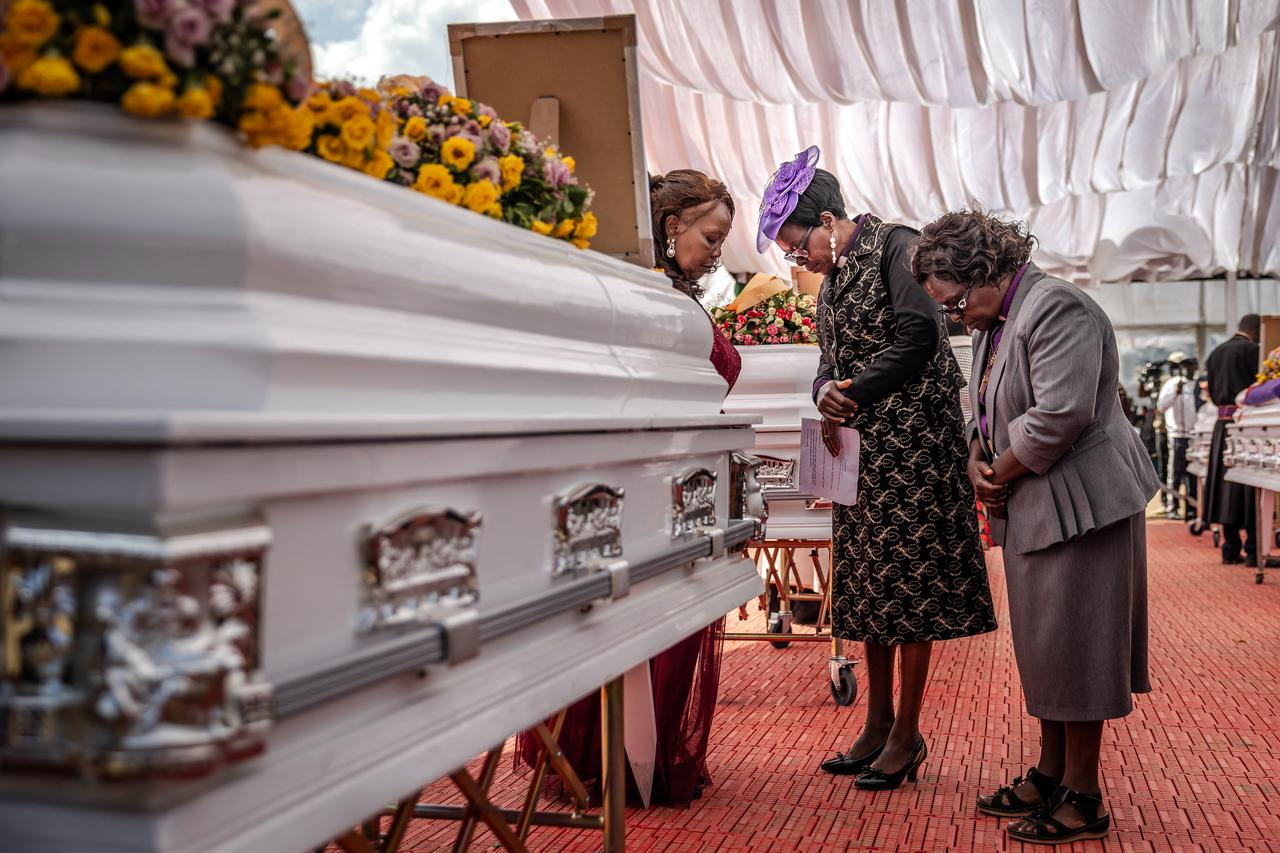
The worst fire happened on May 28, when a dormitory at Utumishi Girls' Academy in Nakuru County caught fire at night.
Sixteen girls lost their lives. Nine students are being investigated for their possible involvement. One survivor, 15-year-old Tasha, escaped only because her friends broke down a door that had been locked from the outside, which broke fire safety rules. She said students had talked about striking because of poor conditions at the school.
Experts believe these fires are not random. Psychologist Catherine Gachutha, former chair of Kenya's Counseling and Psychological Association, told Agence France-Presse (AFP) that teenagers involved in these incidents often do not think about the consequences.
She also said the fires may be linked to recent youth-led protests in Kenya, where young people have demonstrated against government corruption and economic problems, sometimes setting buildings and businesses on fire.
There are also deeper structural issues. Kenya’s boarding school system, which dates back to British colonial times, keeps children away from their families for long periods. Many schools are overcrowded, lack enough funding, and are not well prepared for emergencies. One school principal in western Kenya, who spoke anonymously to AFP, said some administrators enroll too many students to make more money, forcing children to sleep in cafeterias and hallways.
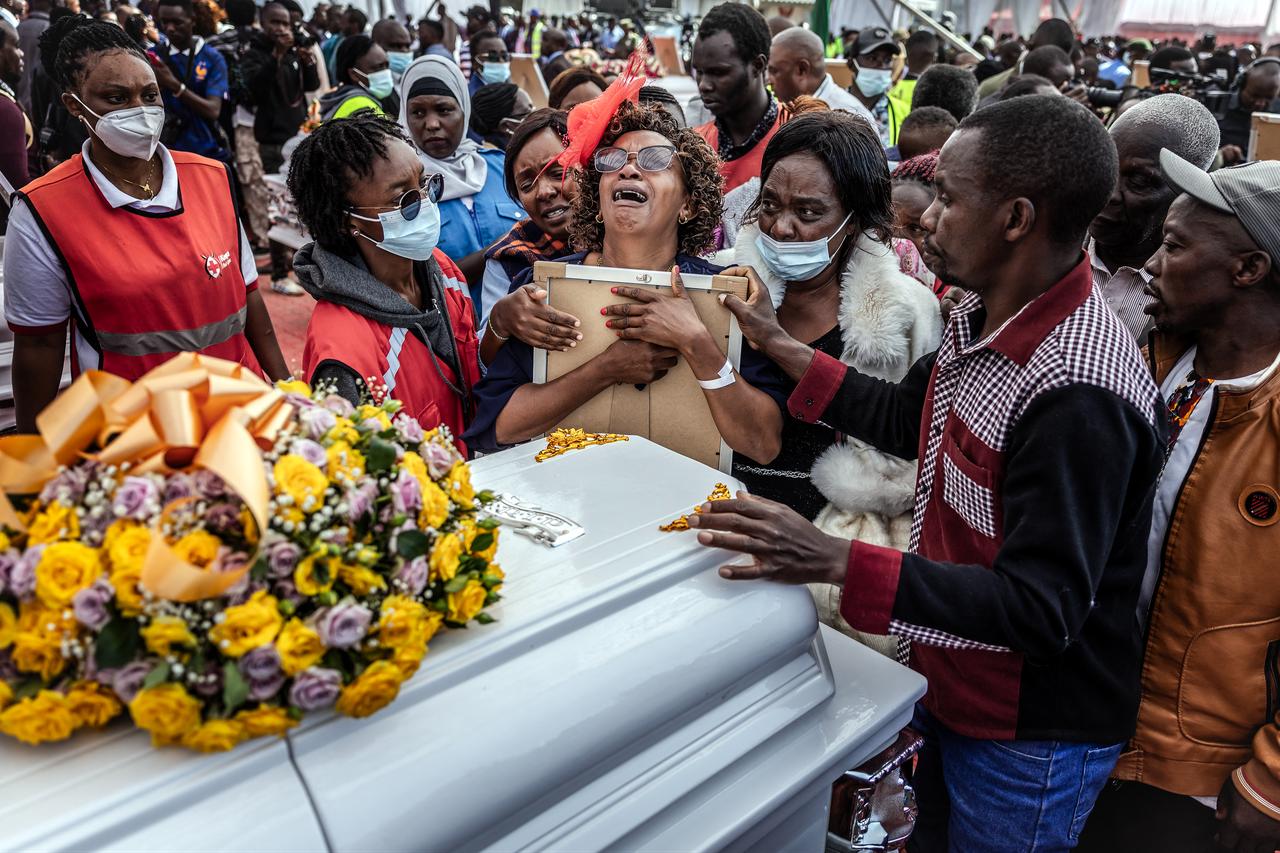

A parent, who also asked not to be named, said that schools have become 'a cash cow' for some in the teaching profession. The principal added that a lack of funding and possible misuse of government money have made things worse, leaving schools unable to meet even basic safety standards.
Isaac Maina, who leads national operations at G4S, one of Kenya’s biggest private fire response companies, said many schools cannot afford proper fire safety. George Ndege, head of the Architectural Association of Kenya (AAK), said that school boards often focus more on stopping students from leaving than on keeping them safe during emergencies. This has led to grilled windows and blocked dormitory doors. The AAK says 55,000 public schools are operating in what it calls deplorable conditions.
This week, President William Ruto’s government said it will not give financial help to schools affected by fires, so parents will have to cover the costs.
However, the government has promised to establish a task force to investigate why these fires are occurring.
The government has made similar promises in the past. After a dormitory fire killed 21 boys in 2024, the education ministry told 348 boarding schools to switch to day schools for safety. It is still unclear if this order was ever carried out.
The ministry did not reply to the agency’s request for comment.
Peter Kinyanjui, who survived a school fire as a teenager about twenty years ago, said this pattern shows a long-standing failure. 'Fire is not a yesterday phenomenon,' he told AFP. 'We haven't learned the lessons.'


 Set as preferred source
 Set as preferred source



 4 min read