Newsletters


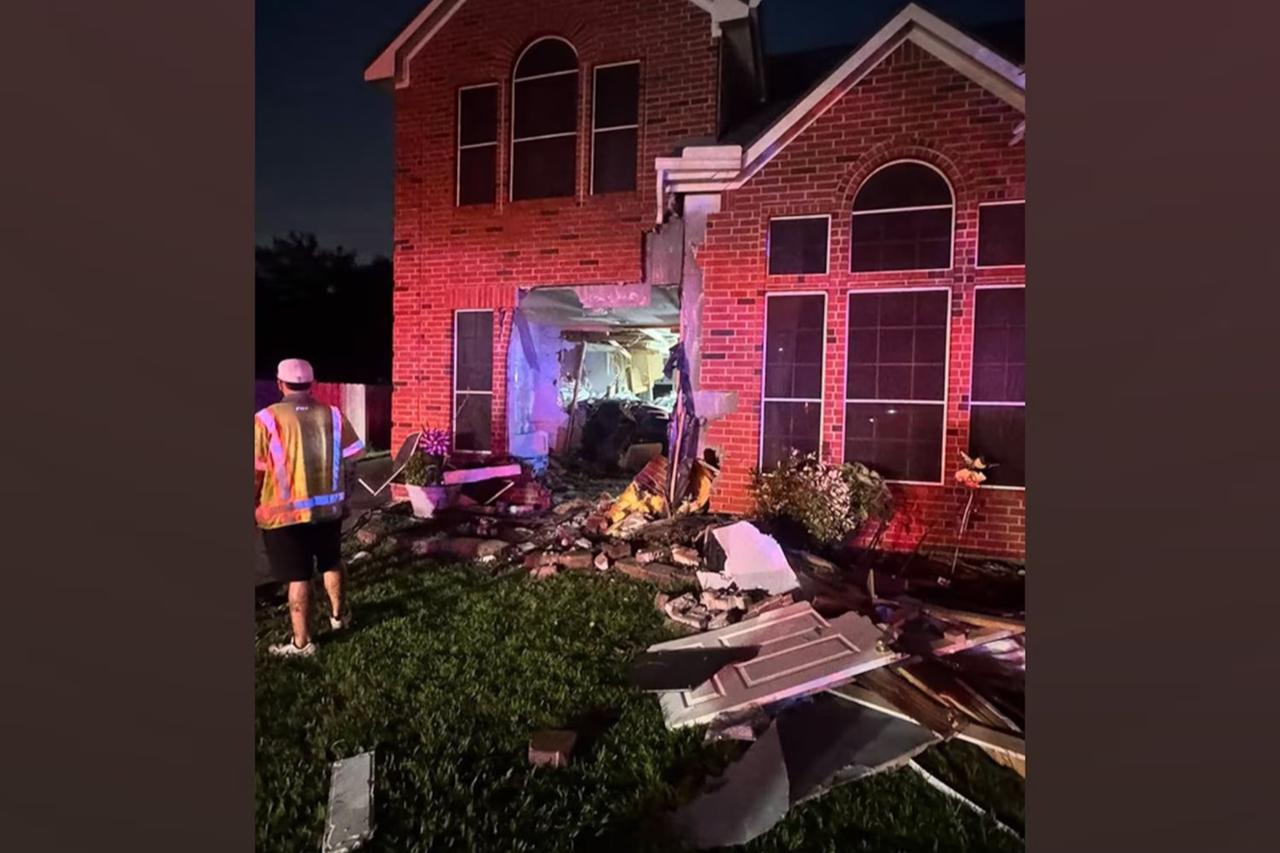


A woman lost her life after a Tesla vehicle, reportedly operating in an autonomous driving mode, plowed into a residence in the U.S. state of Texas, local media reported, citing investigators.
The incident occurred around 8:00 p.m. local time on Friday (1:00 a.m. GMT Saturday) in Katy, when a Tesla Model 3, driven by Michael Butler, allegedly left its lane, veered off the roadway, and struck a residence, an ABC News report cited authorities as saying.
According to the Harris County Sheriff's Office, Butler was operating the vehicle “with an automated driving assistance system” (a computerized technology that allows the car to steer, accelerate, and brake automatically) at the time of the crash.
“Butler's Tesla entered through the brick residence at a high rate of speed and struck M. Avila who was inside the residence,” the sheriff's office said in a statement.
Avila was airlifted to a hospital but was later pronounced dead, investigators said.
Authorities said Butler was injured in the crash but showed no signs of intoxication and has been cooperating with investigators.
The investigation is ongoing, and no charges had been filed as of Saturday afternoon, the report added.
 1 min read
Tesla's automated driving features, which include Autopilot and Full Self-Driving (FSD), operate as Level 2 advanced driver-assistance systems.
According to the manufacturer, these features are designed to automatically navigate lanes, handle steering, accelerate, brake, and negotiate intersections under specified conditions.
However, the automotive company explicitly states that these technologies do not make the vehicle fully autonomous or replace the need for a human operator.
Drivers are legally required to maintain hands on the steering wheel, keep constant visual attention on the roadway, and remain fully prepared to take manual control of the vehicle at any moment to prevent a collision.


 Set as preferred source
 Set as preferred source


 1 min read