Newsletters


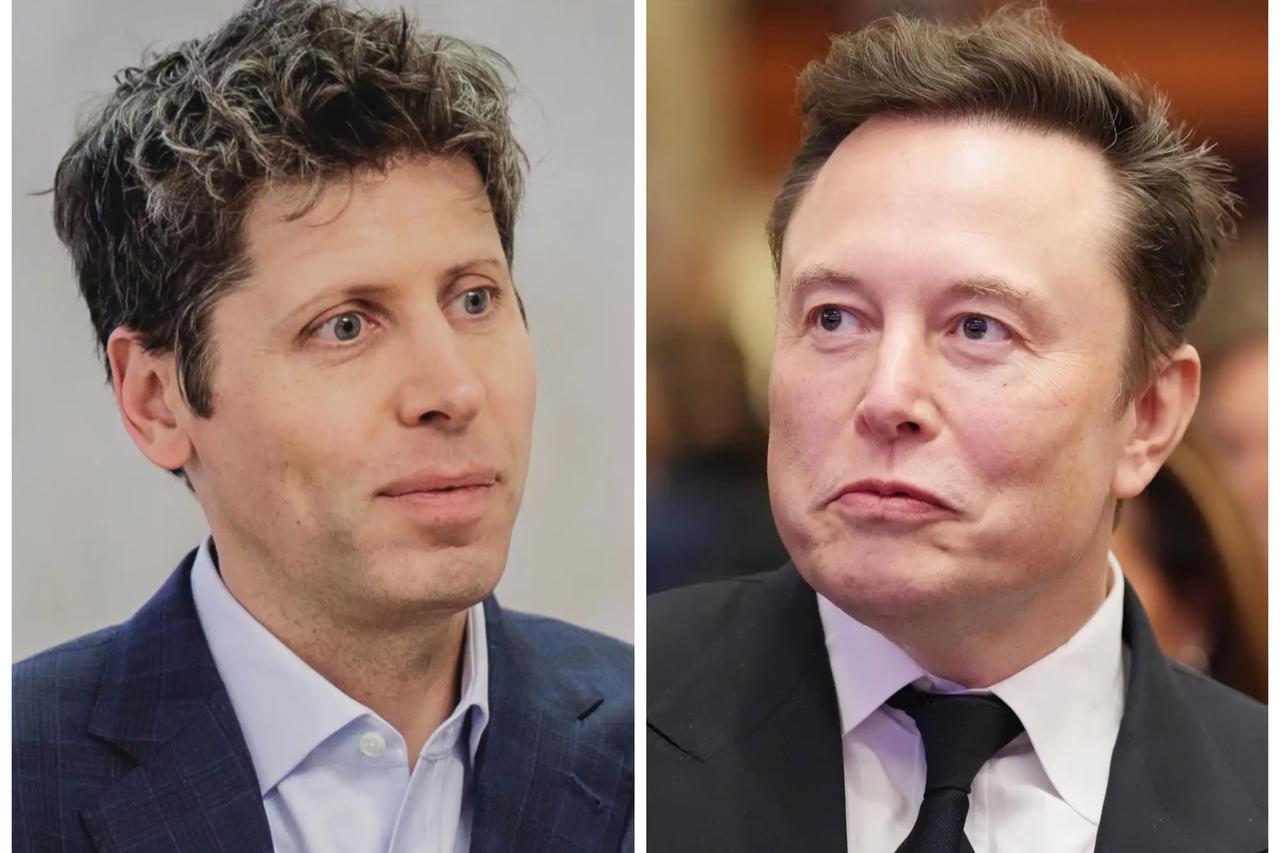


Elon Musk escalated his conflict with OpenAI chief executive Sam Altman this week after urging followers not to use ChatGPT.
The exchange now sits at the intersection of artificial intelligence safety concerns, Tesla Autopilot crash allegations, and a courtroom battle that could reshape the AI industry.
How Musk-Altman's feud reignited
Elon Musk reposted a claim on X alleging that ChatGPT had been linked to nine deaths, including cases of suicide.
He added his own warning and wrote, “Don’t let your loved ones use ChatGPT.” The claim circulated without a cited source and could not be independently verified.
Altman responded by challenging Musk’s shifting criticism of ChatGPT. “Sometimes you complain about ChatGPT being too restrictive, and then in cases like this, you claim it's too relaxed. Almost a billion people use it, and some of them may be in very fragile mental states,” he wrote.
He said OpenAI recognizes the seriousness of such incidents. “We will continue to do our best to get this right, and we feel a huge responsibility to do the best we can, but these are tragic and complicated situations that deserve to be treated with respect,” Altman added.
Altman also acknowledged the difficulty of protecting at-risk users. “It is genuinely hard because we need to protect vulnerable users while also making sure our guardrails still allow all of our users to benefit from our tools,” he wrote.
OpenAI has faced at least eight wrongful death lawsuits alleging that ChatGPT contributed to worsening mental health conditions and led to suicide and violence, including cases involving children and young adults.
The company has said it updated ChatGPT to respond safely and empathetically to signs of delusion or mania.
Internal company estimates indicate that 0.07% of weekly active users showed signs of mania, psychosis, or suicidal thoughts, while 0.15 percent had conversations with explicit indicators of suicidal intent.
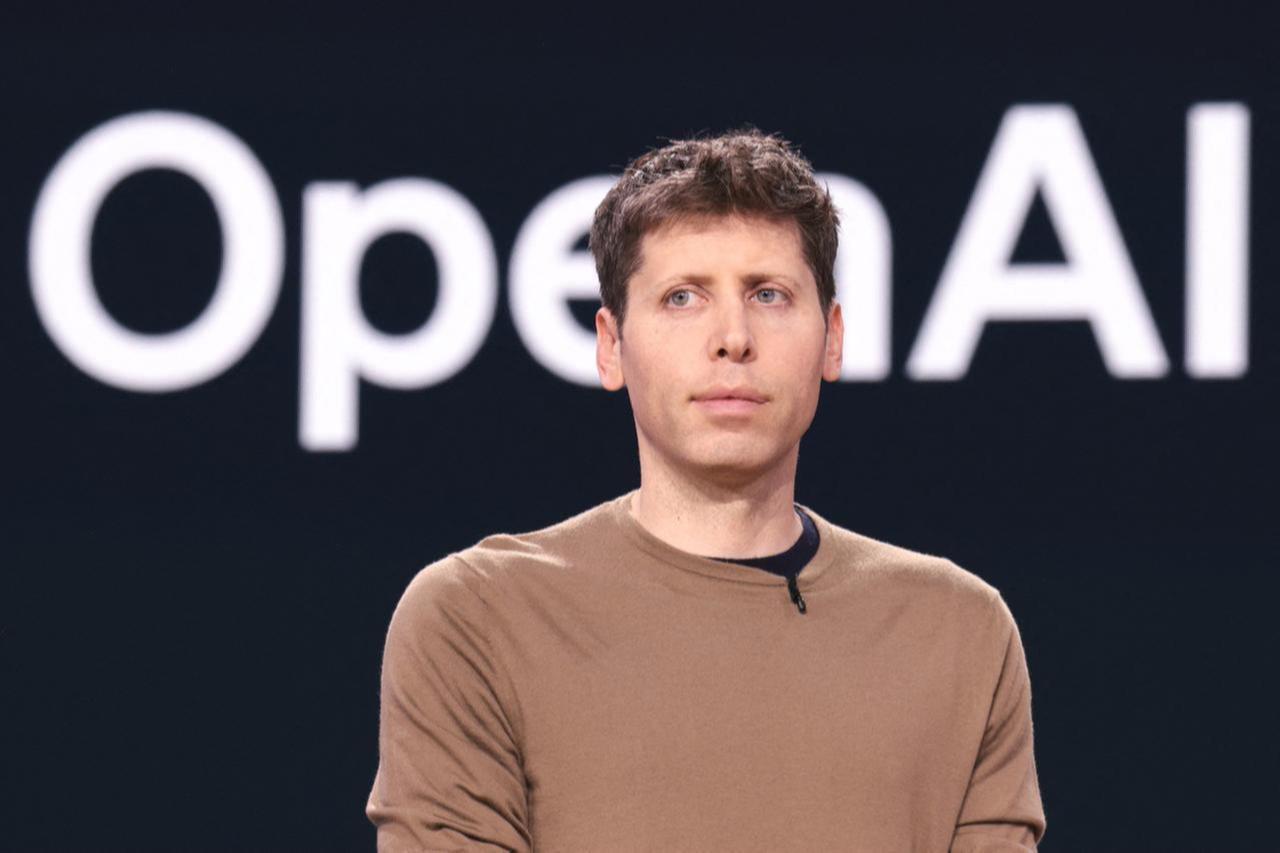

Chief executive Sam Altman redirected his criticism toward Elon Musk’s companies.
He wrote, “Apparently, more than 50 people have died from crashes related to Autopilot. I only ever rode in a car, using it once, some time ago, but my first thought was that it was far from a safe thing for Tesla to have released. I won't even start on some of the Grok decisions.”
Tesla Autopilot has been linked to nearly one thousand crashes in recent years, including more than two dozen fatal incidents, based on findings from a 2024 U.S. National Highway Traffic Safety Administration investigation.
Investigators found many crashes involved inattentive drivers who mistakenly believed the system functioned as fully autonomous driving. Musk continues to argue that Autopilot saves lives by limiting human error and recently shifted Tesla's full self-driving software to a subscription model.
Separate reporting has identified at least fifteen deaths in the United States over the past decade where occupants or rescuers were unable to open Tesla doors after crashes that led to fires. Tesla has said it is considering engineering changes to improve door release systems.
Musk’s AI company, xAI, also faces scrutiny after Grok generated non-consensual sexualized images of women and children. The company warned users that anyone prompting Grok to create illegal content would be treated as if they had uploaded illegal content.
Musk denied that Grok generated naked images of minors and wrote, “I am not aware of any naked underage images generated by Grok. Literally zero,” as reported by Reuters. Some countries have restricted or banned Grok following these incidents.
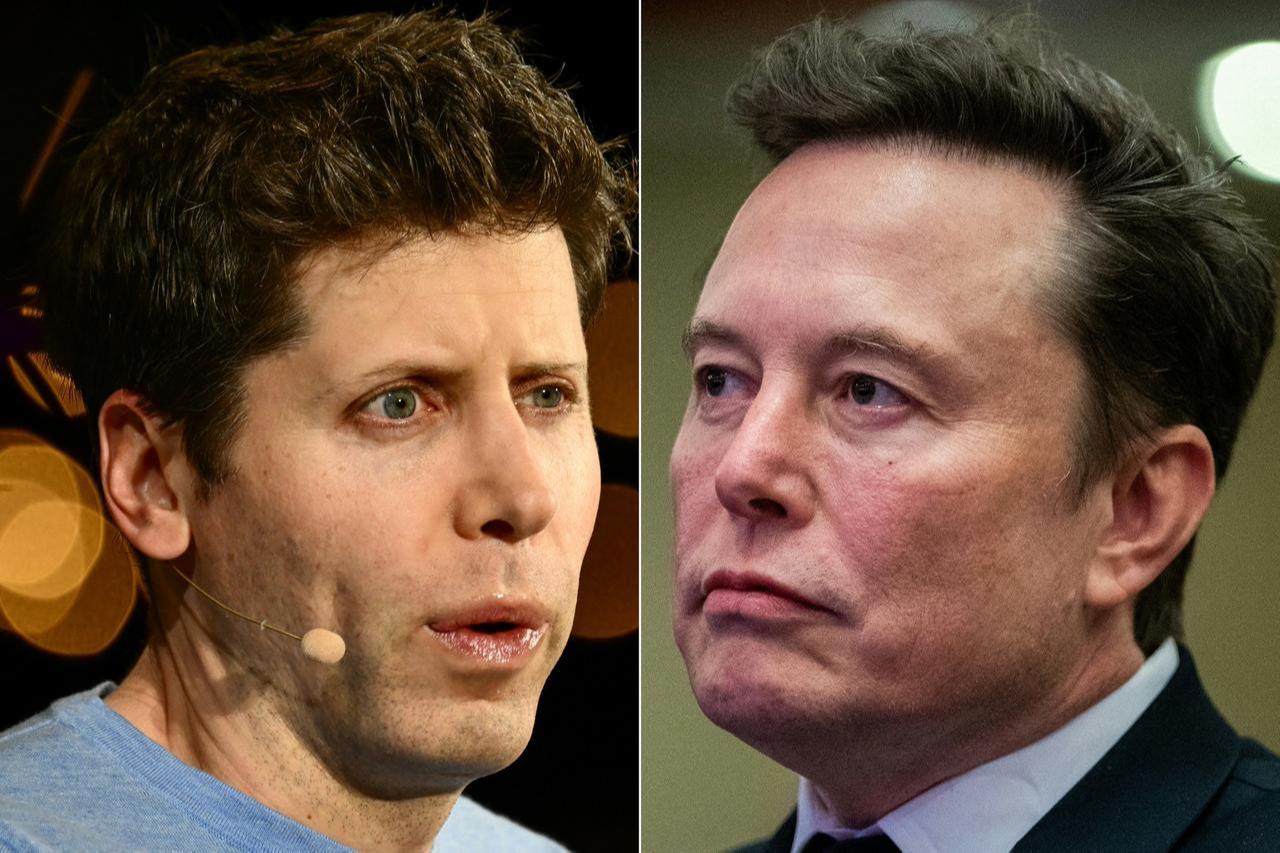
The public dispute runs alongside a legal fight over OpenAI’s transformation from a nonprofit research lab into a for-profit company.
A judge has ruled that Musk’s lawsuit against Altman and other OpenAI leaders can proceed to a jury trial.
Musk alleges he was misled about OpenAI’s shift to a for-profit structure after donating around $38 million in its early days. He argues that the transition left him with no financial return while OpenAI leadership gained billions. Musk is seeking up to $134 billion in damages and calls the funds wrongful gains.
OpenAI denies wrongdoing and describes the lawsuit as harassment. The company says Musk supported the need for a for-profit structure and left after executives rejected his attempt to gain control of the organization.
Internal documents released during discovery include a 2017 note from OpenAI co-founder Greg Brockman stating that converting the nonprofit without Musk would be morally wrong. OpenAI says the quote was removed from context by Musk’s legal team.
Legal observers note that a ruling against OpenAI could force the company to pay billions, block a future public offering, or require Microsoft to divest its stake.


 Set as preferred source
 Set as preferred source



 1 min read