Newsletters


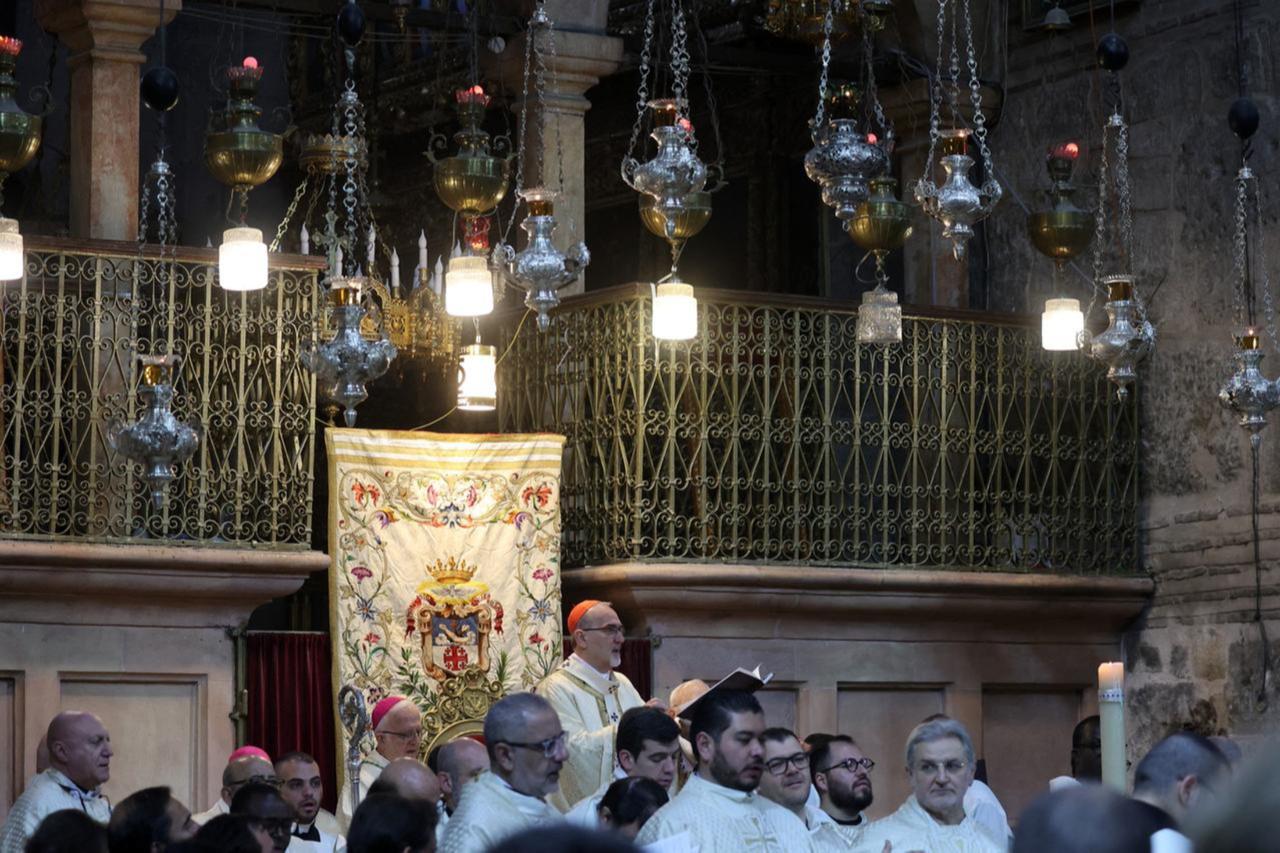


A wave of international condemnation swept across capitals on Sunday after Israeli police prevented the Latin Patriarch of Jerusalem, Cardinal Pierbattista Pizzaballa, from entering the Church of the Holy Sepulchre to celebrate Palm Sunday Mass, an incident that the Catholic Church said was without precedent in centuries and that drew rebukes from figures as varied as the Pope, the French and Italian heads of state, the U.S. ambassador to Israel, and Jordan's foreign ministry.
The reaction was swift, sharp, and strikingly broad, uniting Western allies of Israel, Muslim-majority governments, and the Vatican in a rare chorus of criticism at a moment when the broader Middle East war is already straining diplomatic relationships worldwide.
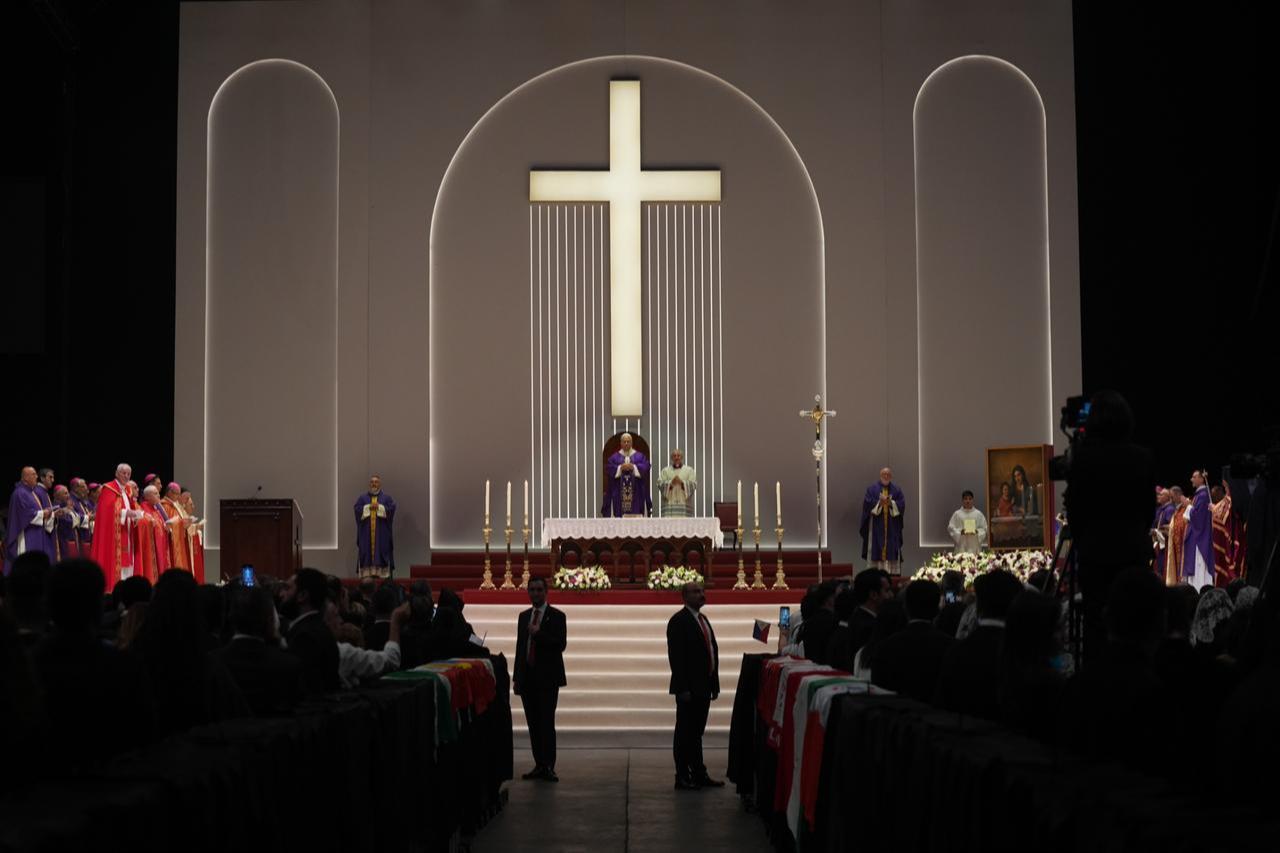

At St. Peter's Square in Rome, Pope Leo XIV used his Palm Sunday homily before tens of thousands of worshippers to reject claims that God justifies war. In what observers called some of his most forceful language since the conflict began on February 28, the pontiff declared that Jesus is "the King of Peace, who rejects war, whom no one can use to justify war."
Quoting the prophet Isaiah, the pope said God "does not listen to the prayers of those who wage war, but rejects them," adding the biblical warning: "Even though you make many prayers, I will not listen: your hands are full of blood."
The remarks landed as one of the clearest moral condemnations of the conflict from a global religious leader. Leaders on all sides of the Iran war have invoked religion to justify their actions, with U.S. officials, especially Defense Secretary Pete Hegseth, drawing on their Christian faith to frame the conflict in religious terms, making the pope's intervention particularly pointed.
Speaking after the Angelus prayer, Leo XIV said his thoughts were with the Christians of the Middle East who are enduring a terrible conflict and who in many cases cannot observe the rites of the holy days. Earlier in the week, the pope had called for a ceasefire, noting that more than a million people had been displaced. Leo XIV, the first American pope, has repeatedly condemned the war but has been careful not to name specific parties in his public appeals since the conflict began.
Invoking the words of the late pacifist Bishop Tonino Bello, the pope concluded his homily by praying that "the tears of all the victims of violence and pain will soon be dried up."
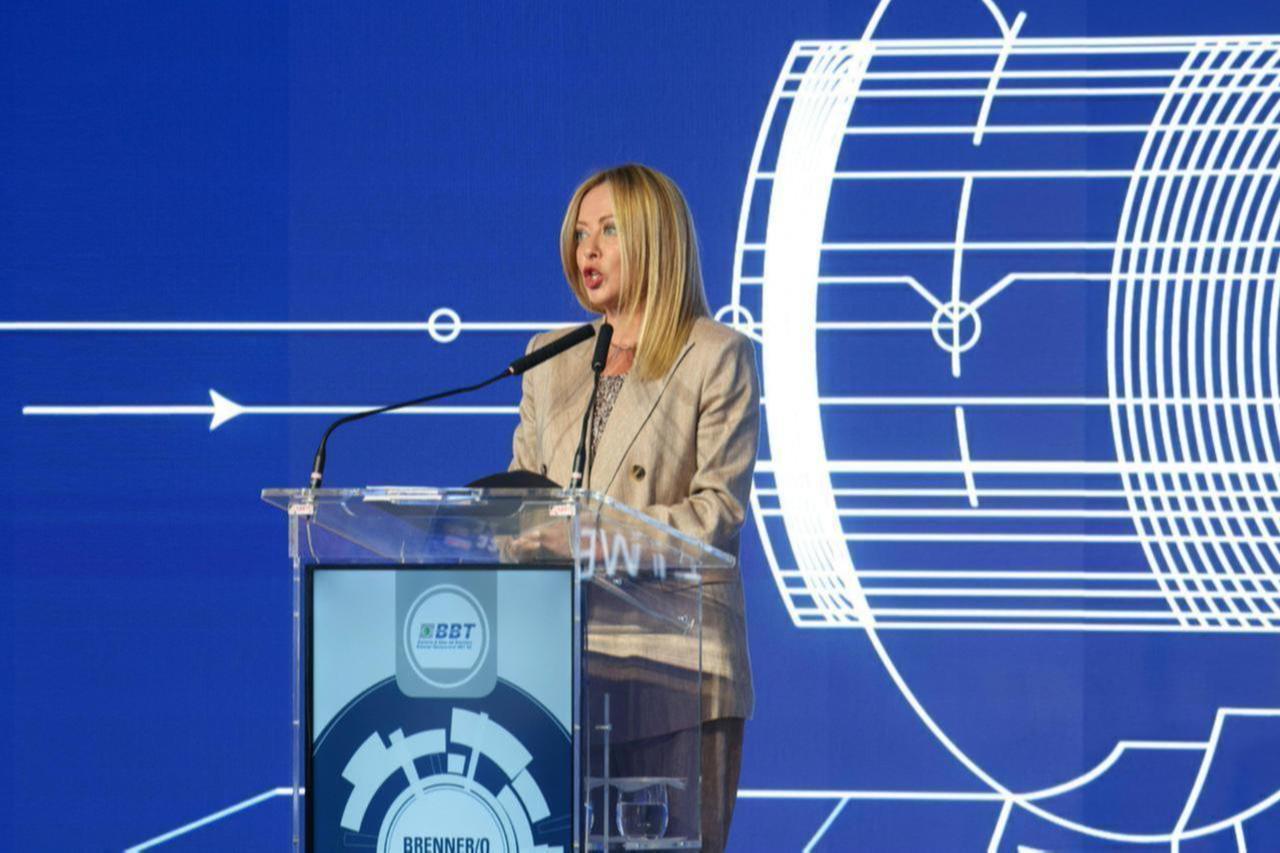
Italian Prime Minister Giorgia Meloni called the incident an offense to the faithful, saying the Holy Sepulchre is a sacred place that must be preserved and protected. Barring church leaders from the site, she said, constituted an insult to every community that upholds religious freedom.
Italian Foreign Minister Antonio Tajani announced on X that the ban was unacceptable and that he had summoned Israel's ambassador in Rome for an explanation. Tajani said he had also instructed Italy's ambassador in Israel to lodge a formal protest with the government.
French President Emmanuel Macron condemned the Israeli police decision, saying it adds to a troubling pattern of violations regarding the status of holy sites in Jerusalem. Macron insisted that free worship for all religions must be guaranteed in the city.
Jordan's foreign ministry issued one of the strongest statements, calling the incident a flagrant violation of international law and international humanitarian law, as well as a breach of the longstanding legal and historical status quo in Jerusalem. Ministry spokesperson Fouad Majali reiterated Jordan's rejection of what he called illegal and restrictive measures targeting Christians.
Jordan has a particular stake in the matter. Under agreements dating to the end of Ottoman rule and reinforced after the 1994 Israel-Jordan peace treaty, the Hashemite Kingdom serves as custodian of Christian and Muslim holy sites in Jerusalem, a role the Jordanian government has defended vigorously.
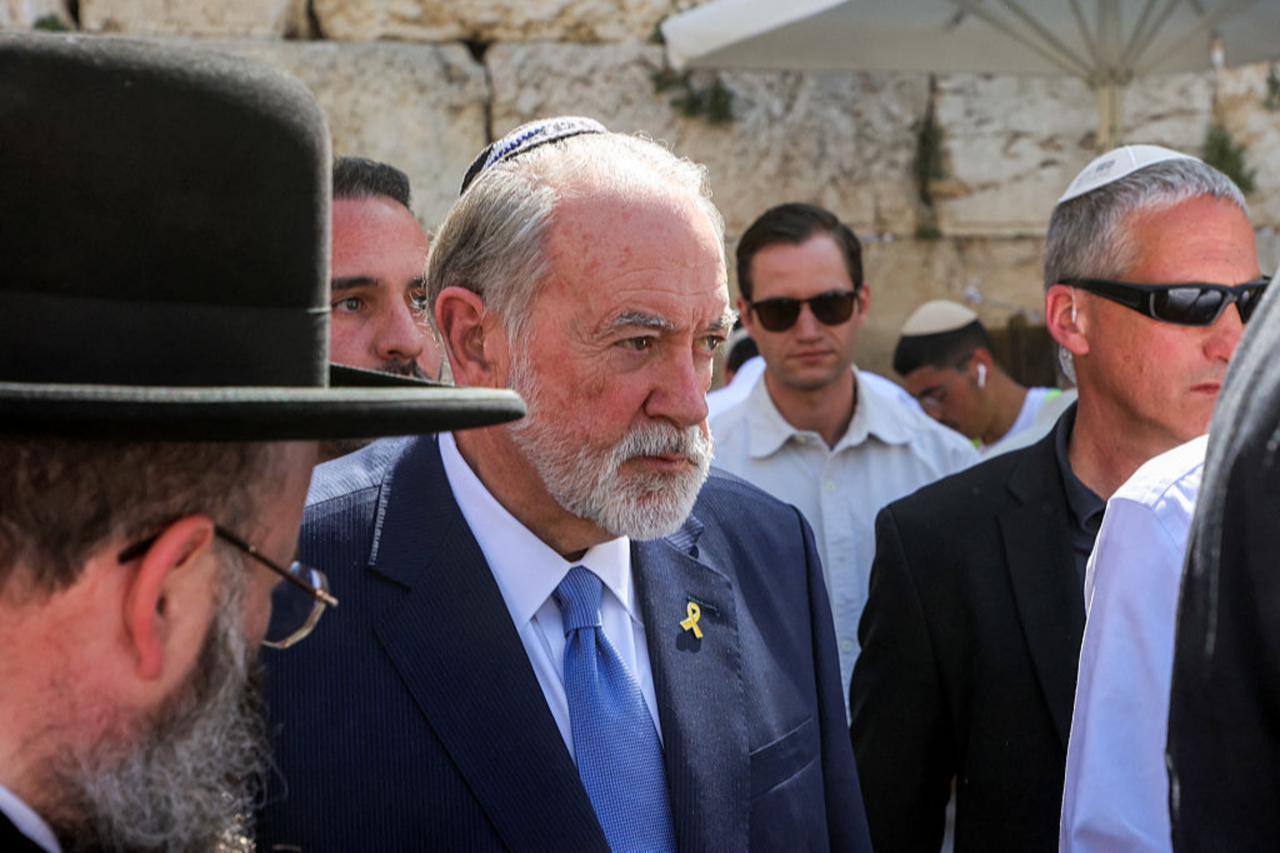
In a notable break with typical U.S. diplomatic alignment with Israel, Ambassador Mike Huckabee publicly criticized the police action. Huckabee noted that Israel's Home Front Command guidelines restrict public gatherings to 50 people or fewer and that the four Catholic representatives were well below that limit. "Churches, synagogues, and mosques throughout Jerusalem have met with the restrictions of 50 or less," he wrote on X. "For the Patriarch to be barred from entry to the Church on Palm Sunday for a private ceremony is difficult to understand or justify."
Huckabee added that Israel had indicated it would work with the patriarch to find a safe way to carry out Holy Week activities.
Israeli President Isaac Herzog telephoned Pizzaballa to express what he called his "great sorrow," attributing the incident to security concerns stemming from the threat of Iranian missile attacks. He reaffirmed Israel's commitment to freedom of worship and the status quo at Jerusalem's holy sites.
Prime Minister Benjamin Netanyahu said Pizzaballa was stopped out of concern for his safety and that there was no ill intent. Netanyahu pointed to Iranian strikes that he said had sent missile fragments crashing close to the Holy Sepulchre. Following the international outcry, his office said authorities would develop a plan to allow church leaders to worship at the site during the rest of Holy Week.
The Latin Patriarchate of Jerusalem and the Custody of the Holy Land issued a blistering joint statement calling the police decision "a manifestly unreasonable and grossly disproportionate measure." The church bodies said they had complied with every restriction imposed since the start of the war, including cancelling public gatherings and broadcasting services for the hundreds of millions of faithful who look to Jerusalem during Easter. The Patriarchate called the decision "hasty and fundamentally flawed, tainted by improper considerations."
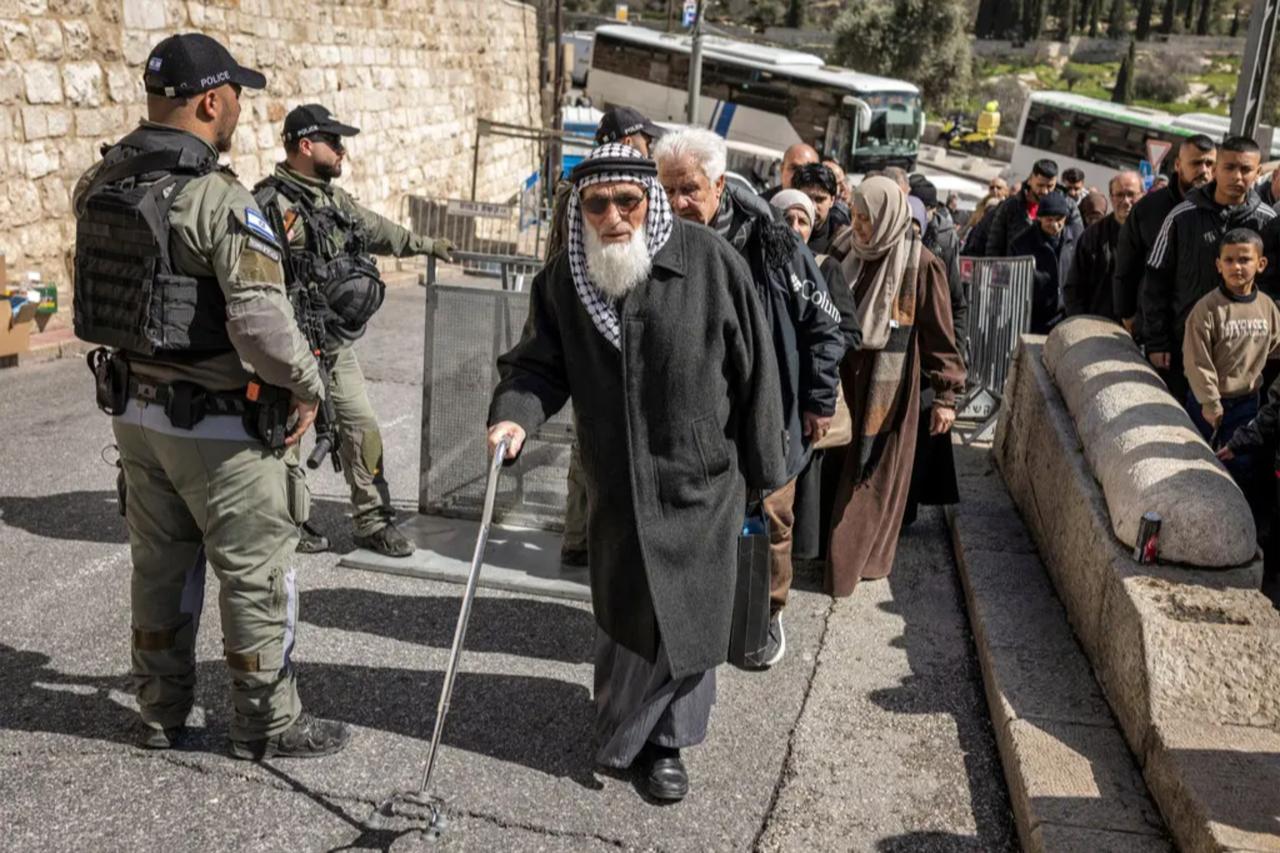
The Palm Sunday incident does not stand in isolation. This year, Christians, Muslims, and Jews have all been unable to observe Easter, Ramadan, or Passover as usual because of Israeli police restrictions. Jerusalem's Al-Aqsa Mosque was largely empty during Ramadan, and few worshippers have visited the Western Wall as Passover approaches.
Earlier this month, eight Muslim-majority countries condemned Israel's continued closure of the Al-Aqsa Mosque compound, including Saudi Arabia, Jordan, the United Arab Emirates, Qatar, Indonesia, Pakistan, Egypt, and Türkiye. The eight states said that discriminatory and arbitrary limits on access to places of worship amounted to a flagrant violation of international law.
Residents and religious officials in the Old City noted that enforcement of worship restrictions had not been applied consistently. Muslim Waqf preachers were permitted to access Al-Aqsa during Ramadan and Eid al-Fitr, and cleaners were allowed into the Western Wall plaza ahead of Passover to remove prayer notes, an annual ritual, raising questions about whether the ban on the patriarch was truly driven by security concerns alone.
Farid Jubran, spokesperson for the Latin Patriarchate, told reporters that the church had requested permission for a small number of leaders to enter for a private Mass and that private services had been held at the church since the war began.
The diplomatic fallout over the Holy Sepulchre incident unfolded on the same day that top diplomats from Saudi Arabia, Türkiye, Egypt, and Pakistan gathered in Islamabad for talks aimed at de-escalating the monthlong war. The meeting came days after the U.S. offered Iran a 15-point framework for a possible peace deal, though there were few signs of progress as strikes continued from both sides.
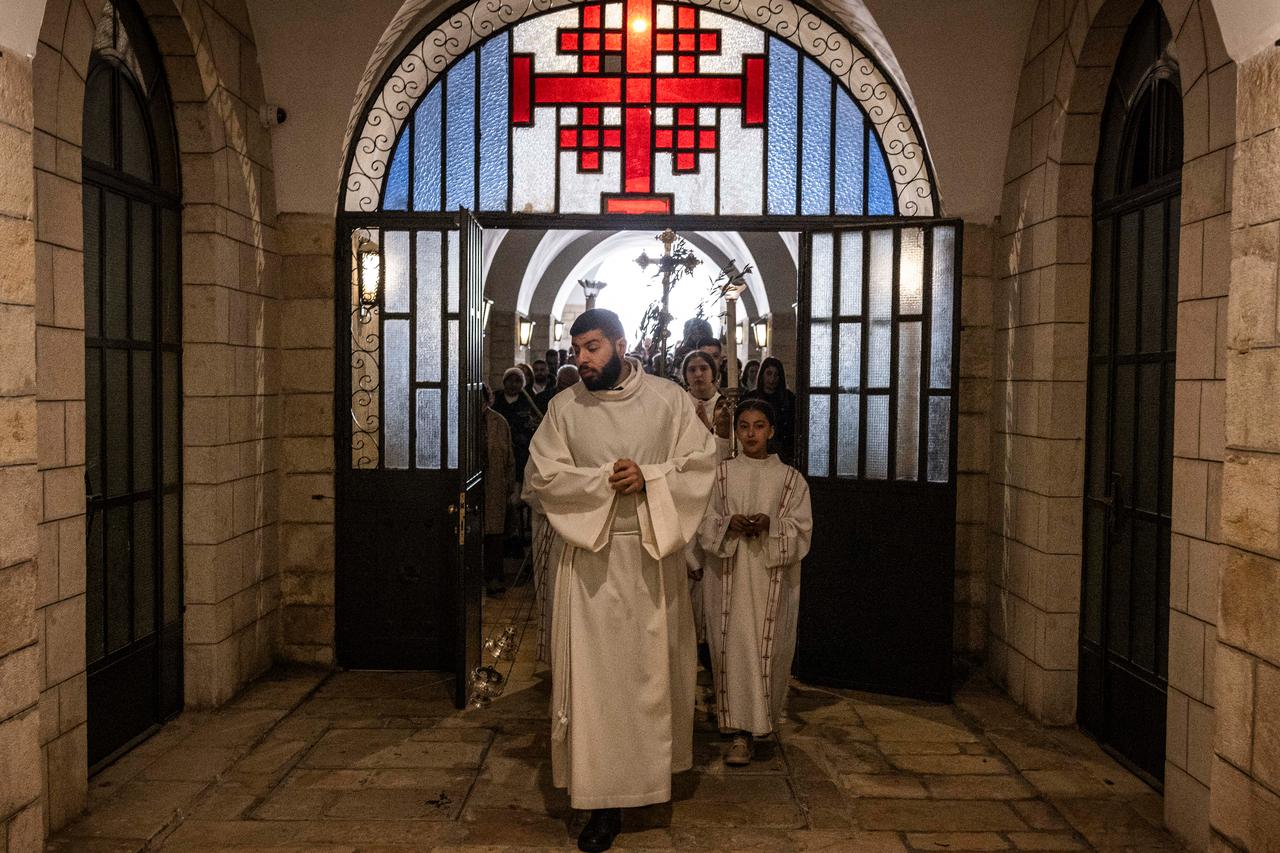
In Jerusalem, Pizzaballa celebrated Mass at St. Saviour's Monastery and later led a prayer for peace at the Dominus Flevit Shrine on the Mount of Olives. He did not directly address the morning's confrontation with police but spoke to the sorrow of a Holy Week constrained by conflict. "We gather without a procession, without palms waving through the streets," he said. "It is the war that has interrupted our festive journey."
He closed with a message that seemed directed beyond the walls of the Old City. "War will not erase the resurrection," Pizzaballa said. "Grief will not extinguish hope."


 Set as preferred source
 Set as preferred source


 1 min read
 1 min read