Newsletters


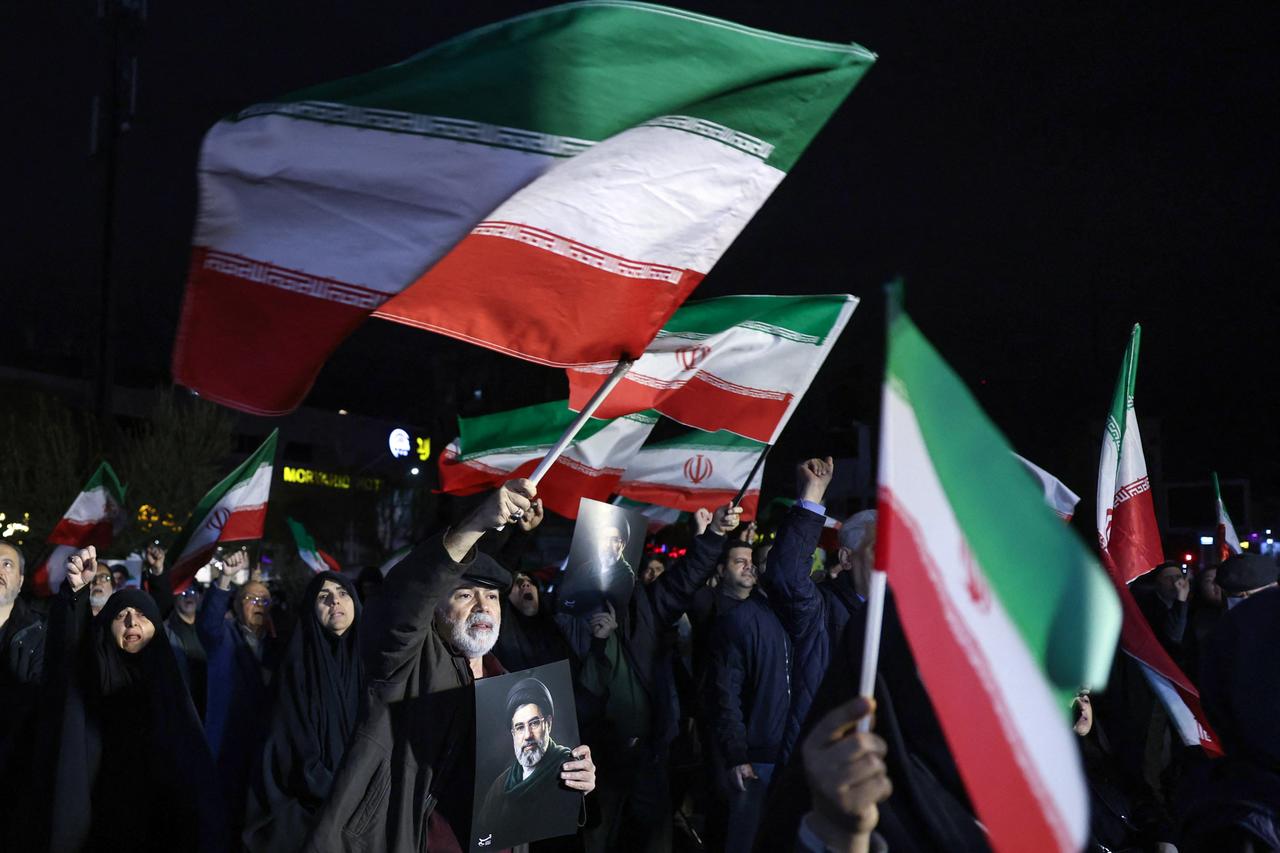


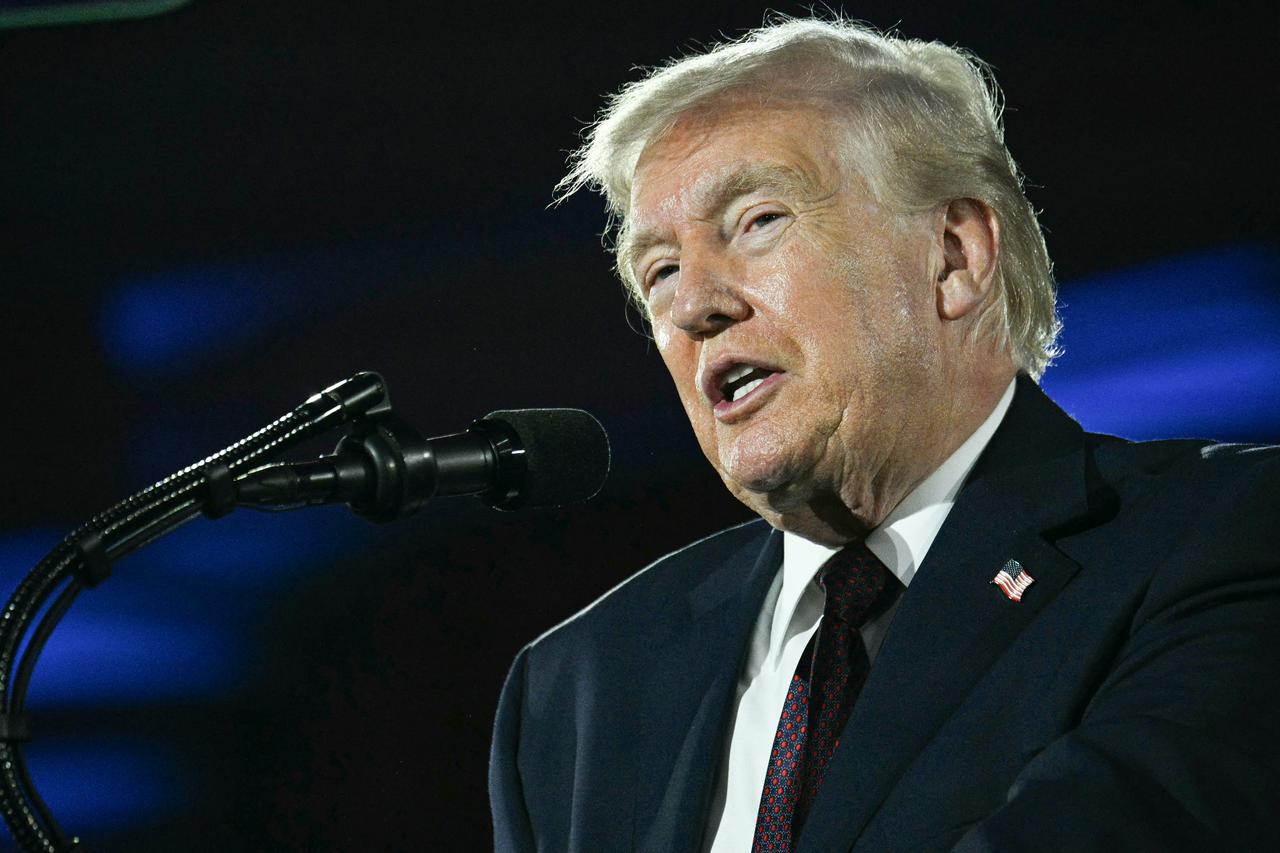
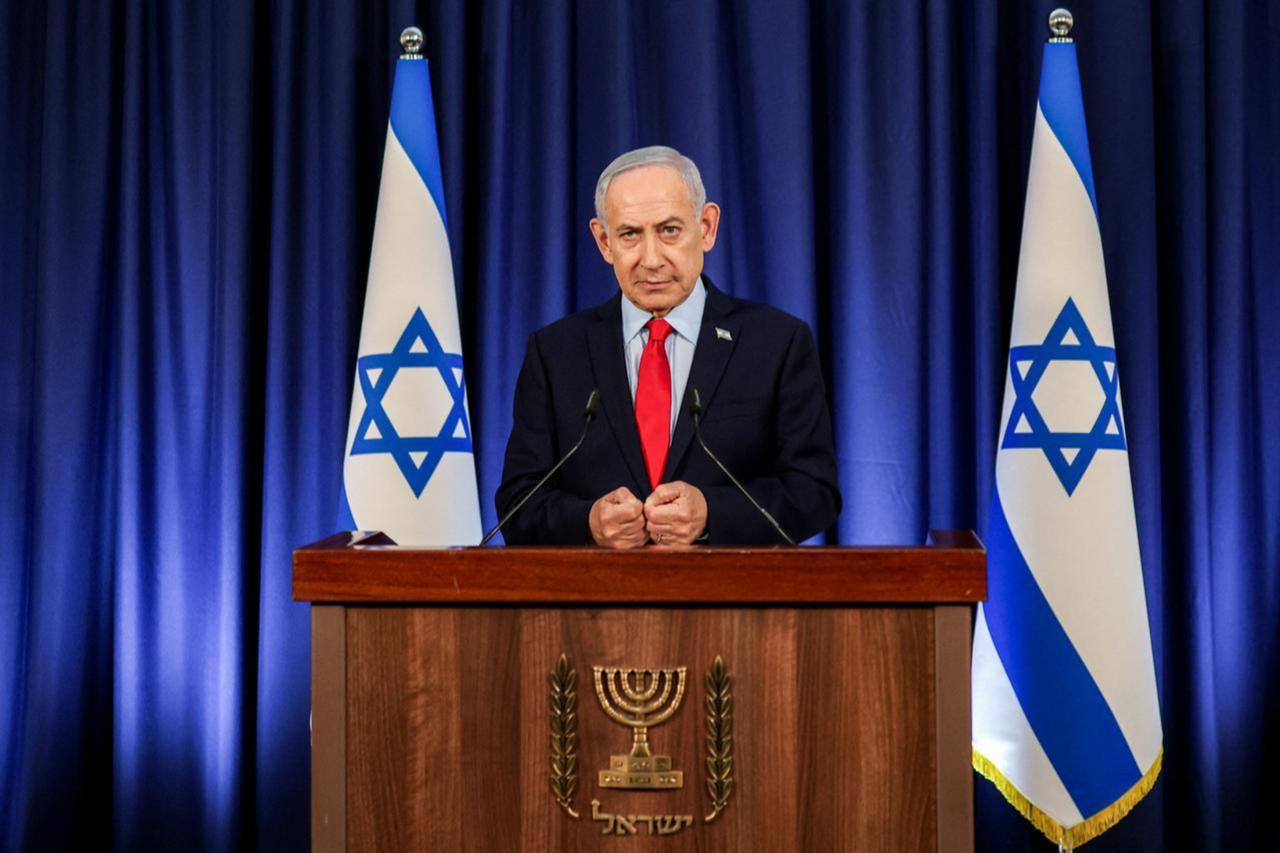
President Donald Trump rejected a proposal by Israeli Prime Minister Benjamin Netanyahu to publicly call for an uprising in Iran, citing concerns over potential violence, according to a report by Axios.
The discussion took place during a phone call between the two leaders as they assessed options in the ongoing war, Axios reported, citing U.S. and Israeli sources.
Netanyahu proposed that he and Trump issue a coordinated public call urging Iranians to take to the streets in protest against their government, according to two U.S. officials and an Israeli source.
Trump opposed the idea, warning that such a move could lead to significant casualties.
“Why the hell should we tell people to take to the streets when they’ll just get mowed down,” Trump said during the call, according to a U.S. official briefed on the conversation.
Officials said the exchange highlights differences between the U.S. and Israel on the issue of regime change in Iran, despite broad agreement on military objectives.
While Netanyahu has listed creating conditions for a popular uprising as a key goal, U.S. officials said Trump views regime change as a secondary outcome.
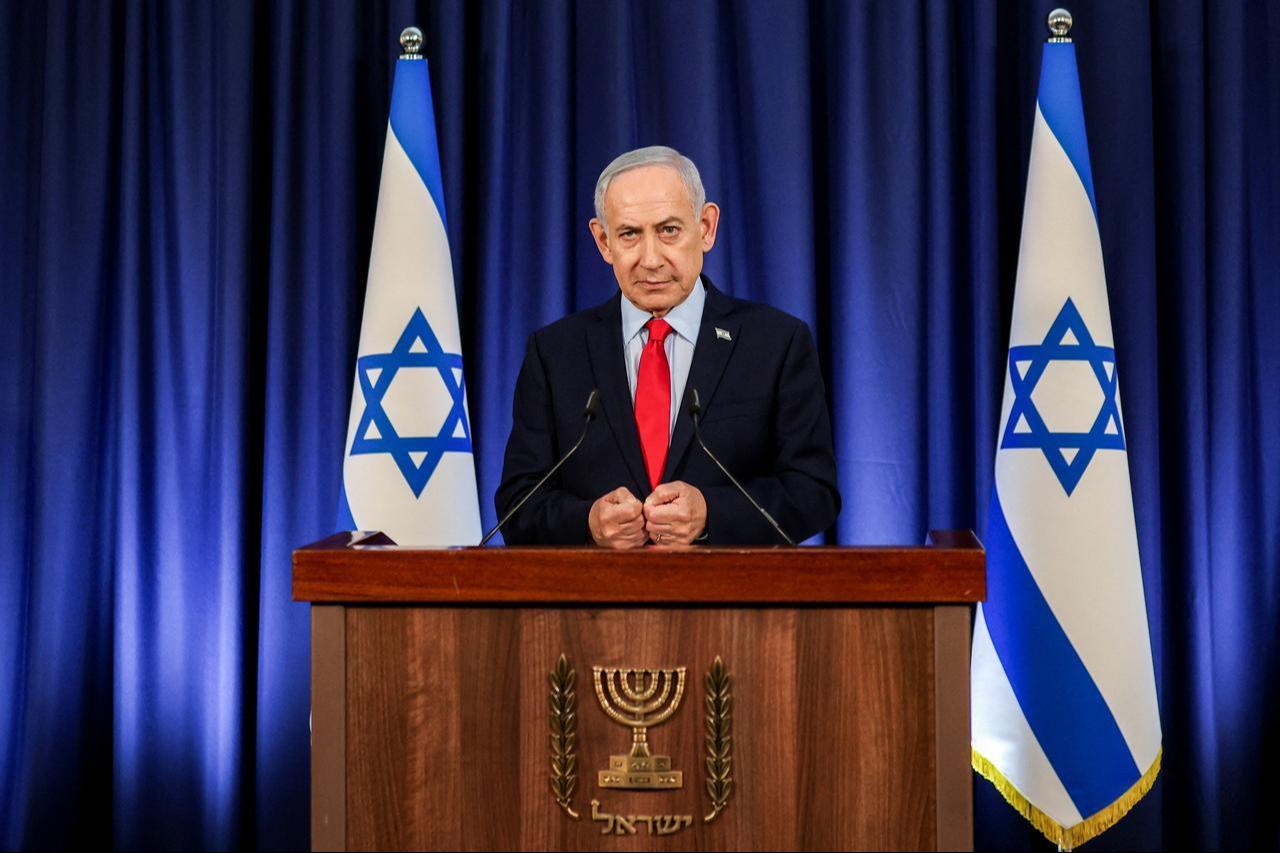

In separate strikes last Tuesday, Israel killed Ali Larijani, described as Iran’s national security chief and de facto acting leader, and Gholamreza Soleimani, along with several deputies.
Israeli officials said the killing of Soleimani was intended to weaken the regime’s ability to suppress protests.
Following the strikes, Netanyahu told Trump that the Iranian government was in disarray and that there was an opportunity to further destabilize it.
Netanyahu later made a public statement encouraging Iranians to take to the streets during the annual Festival of Fire, saying Israeli airstrikes were targeting operatives to allow civilians to gather.
“Our aircraft are striking terrorist operatives on the ground, on roads and in public squares. This is meant to allow the brave Iranian people to celebrate the Festival of Fire. So go out and celebrate ... we are watching from above,” he said.
However, few people participated in public gatherings, which U.S. and Israeli officials attributed to fear of government retaliation. Thousands of Iranian protesters had been killed before the war.
Israel’s ambassador to Washington, Yechiel Leiter, said the strategy aims to weaken the government to the point where it cannot suppress opposition.
“Hopefully that would trigger that combustion point where the people are able to take charge of their own lives,” he said, adding that the regime could collapse under continued pressure.
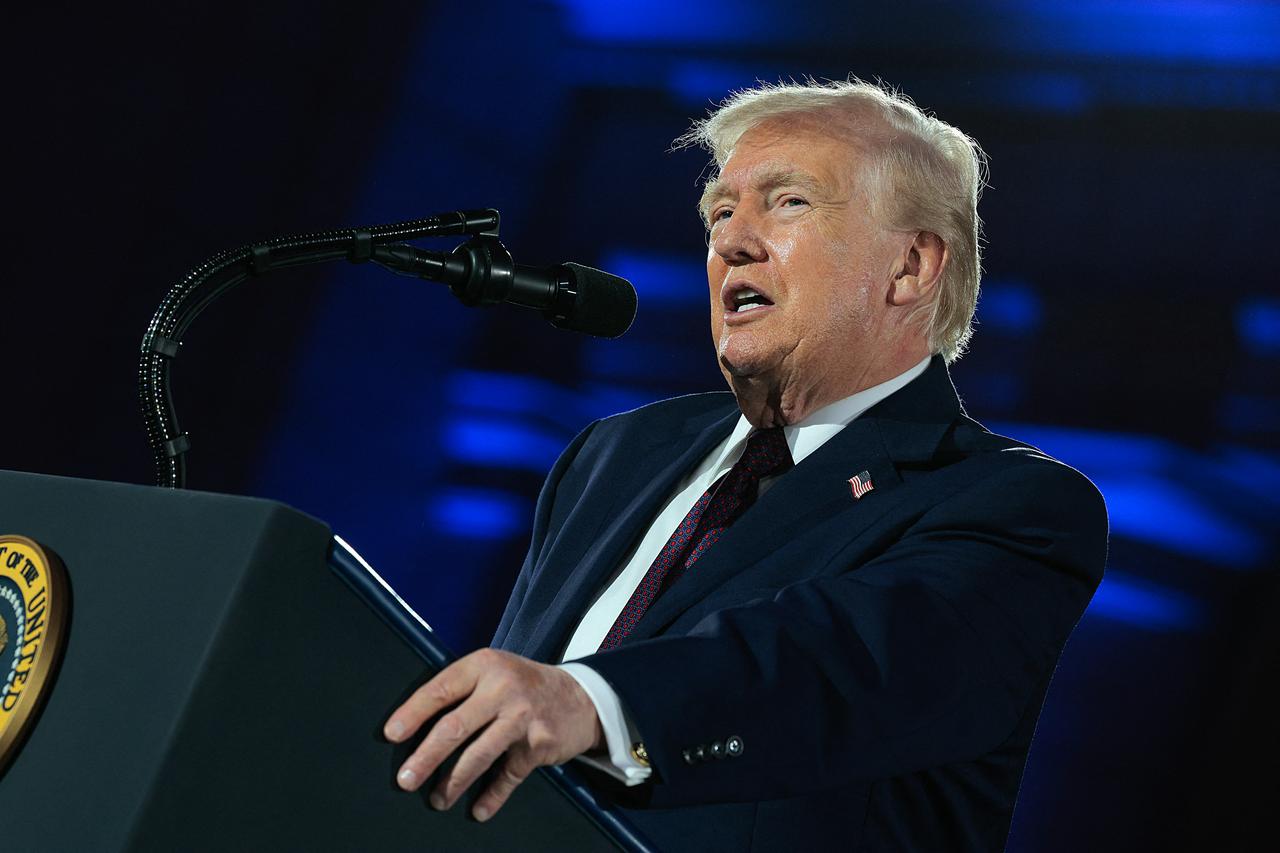
While the military campaign continues and the U.S. considers options for escalation, Trump is also pursuing a diplomatic path that could leave the current Iranian government in place.
Israeli officials said Netanyahu remains skeptical that a satisfactory agreement can be reached in the near term.
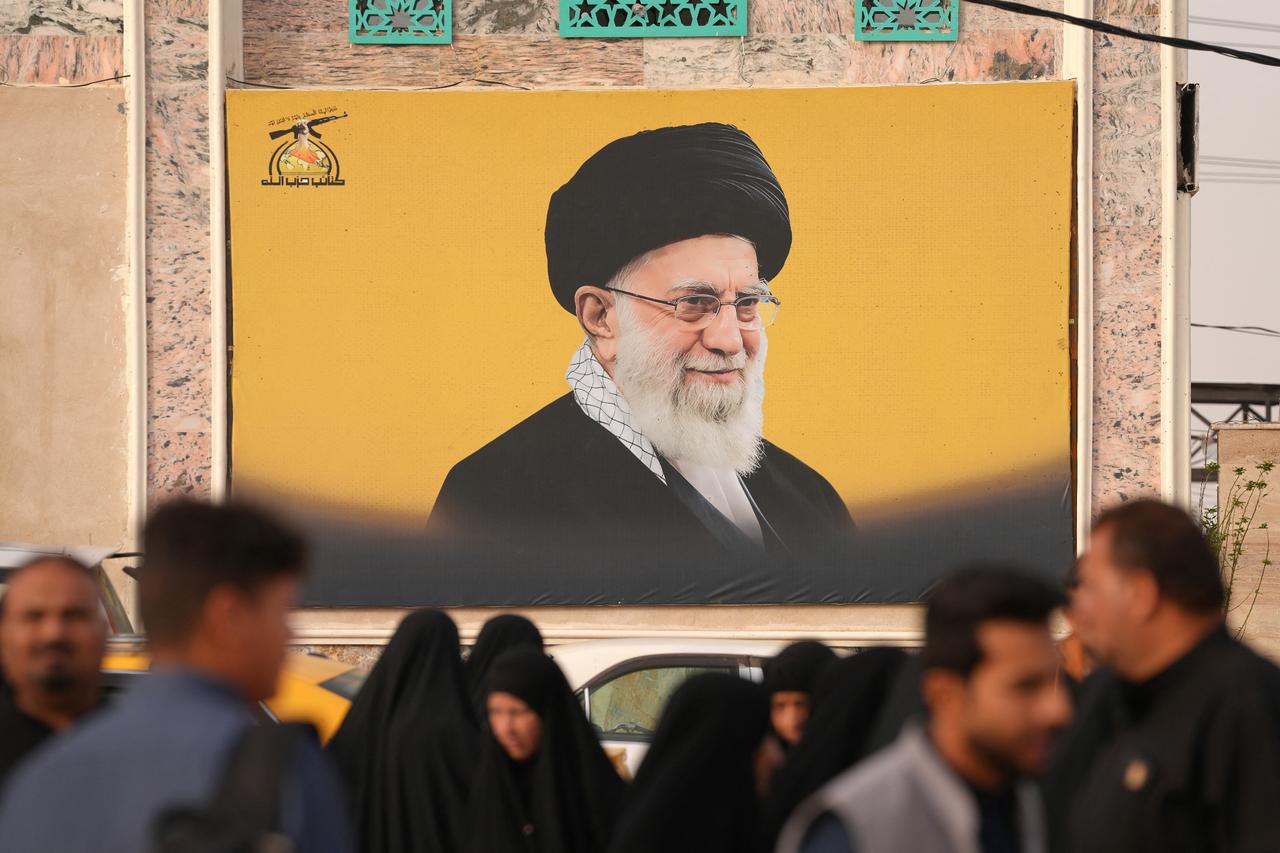
Regional escalation has continued to flare since the U.S. and Israel launched a joint offensive on Iran on Feb. 28, killing so far over 1,340 people, including then-Supreme Leader Ali Khamenei.
Iran has retaliated with drone and missile strikes targeting Israel, along with Jordan, Iraq, and Gulf countries hosting U.S. military assets, causing casualties and damage to infrastructure while disrupting global markets and aviation.


 Set as preferred source
 Set as preferred source


 1 min read
 1 min read