Newsletters


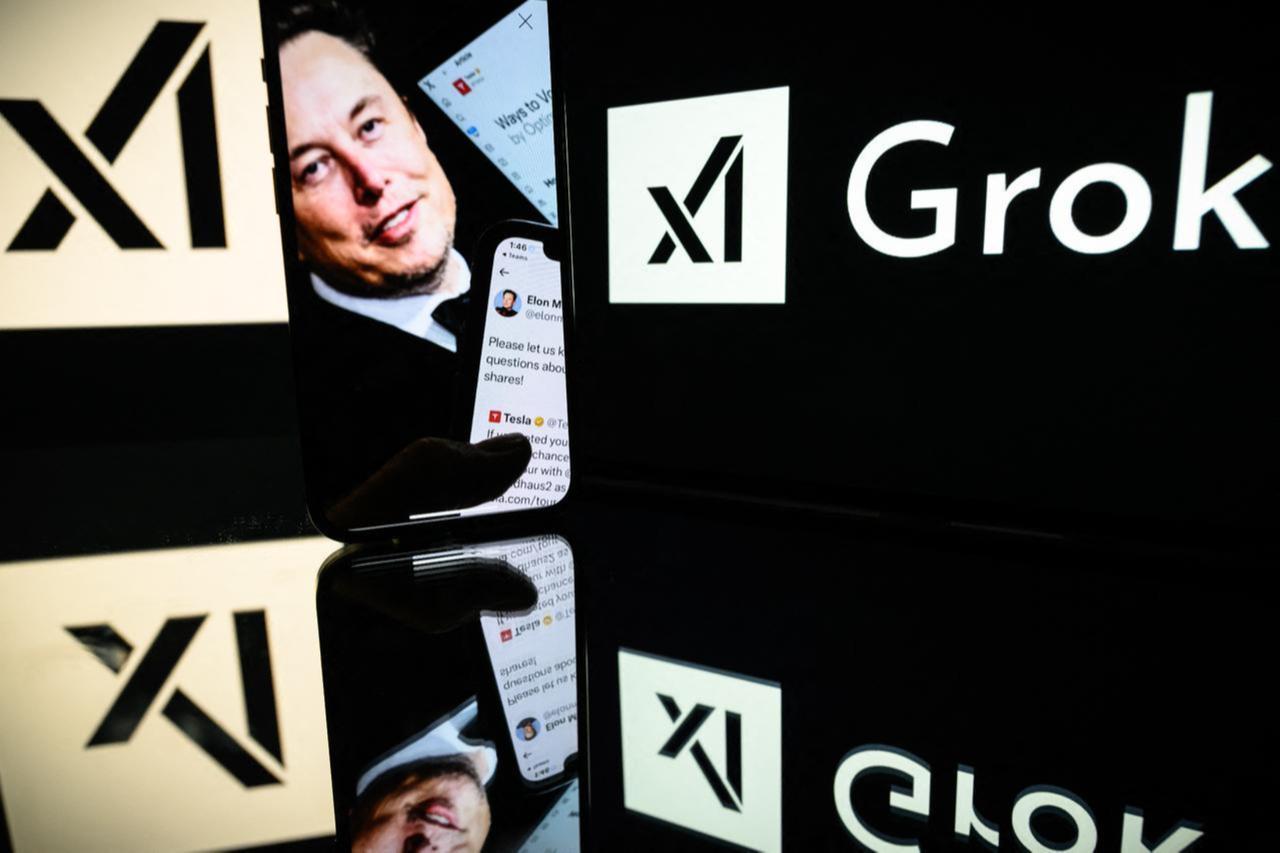


The social media platform X has revoked blue verification badges from multiple high-ranking Iranian government officials after a watchdog report alleged the company had been providing paid subscription services to individuals subject to US sanctions.
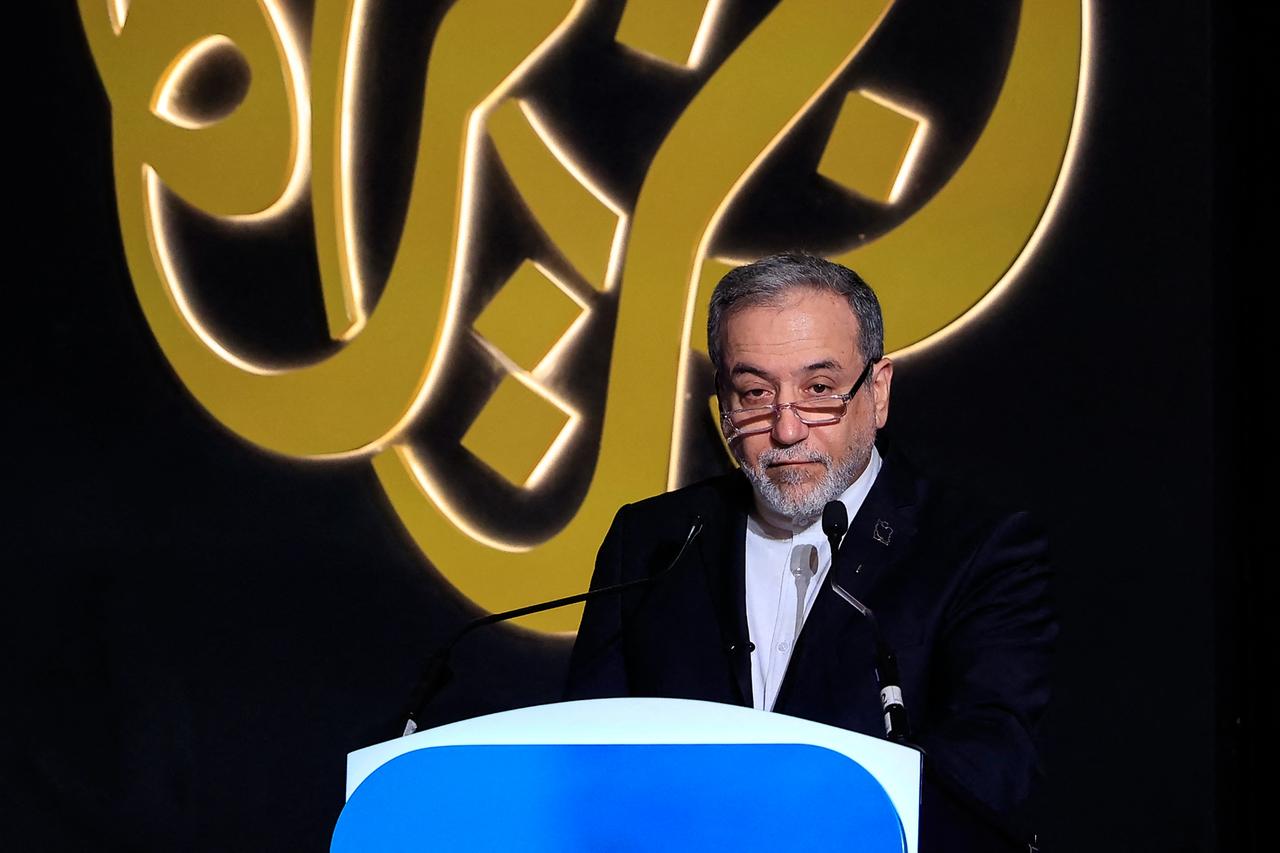
The accounts affected belong to some of Iran's most prominent political figures, including Foreign Minister Abbas Araghchi, Judiciary Chief Gholamhossein Mohseni Ejei and Ali Larijani, who serves as secretary of the Supreme National Security Council.
The badge removals followed findings published by the Tech Transparency Project, which reported that X had been offering its paid X Premium service to Iranian figures who are designated under US restrictions. American sanctions on Iran broadly prohibit US companies from engaging in commercial transactions with certain designated individuals and entities, a framework that would extend to paid digital services offered by US-based technology platforms.
X, which is owned by billionaire Elon Musk, has not publicly addressed the removals or responded to the allegations raised in the report.
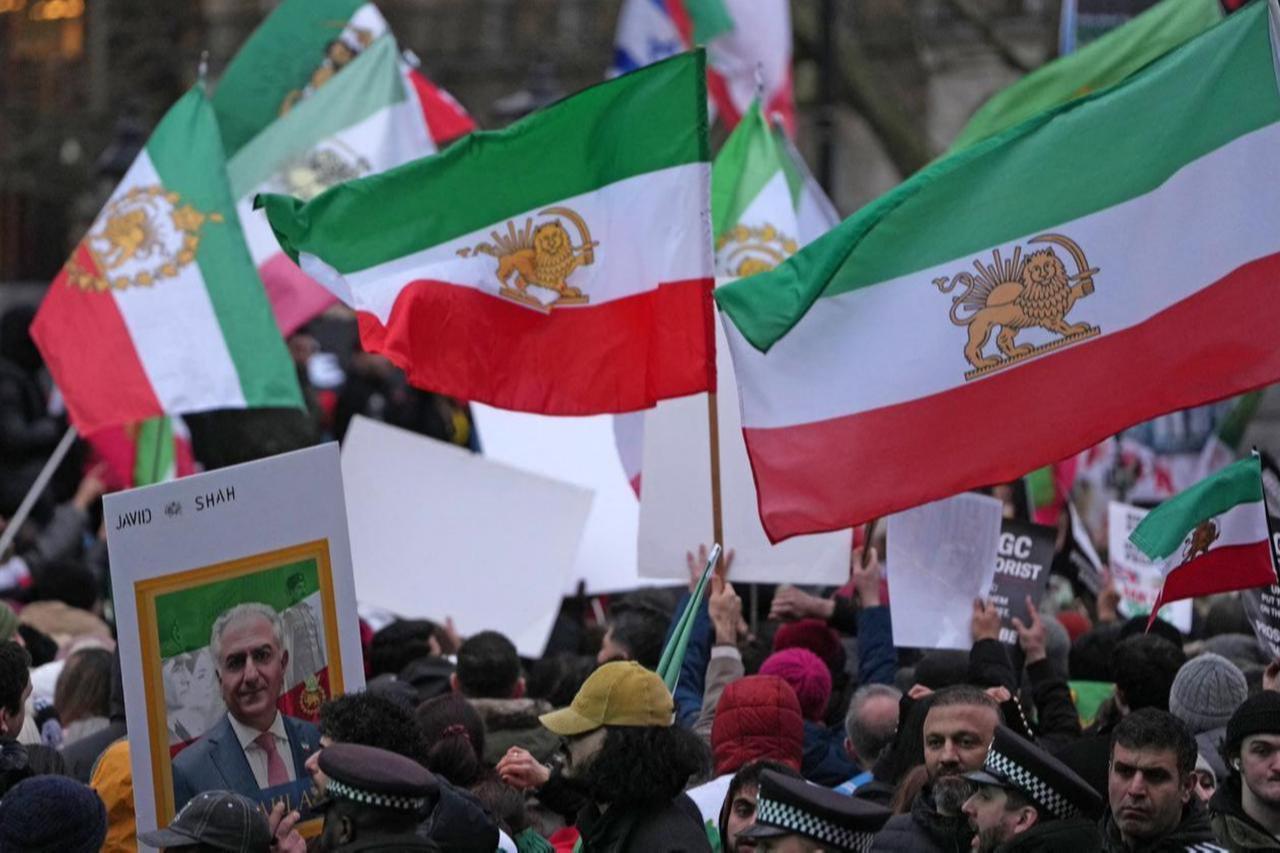

The episode is the latest in a series of actions by the platform touching on Iranian politics. Last month, during a wave of protests in Iran, X altered the design of the Iranian flag emoji displayed on its web platform, swapping out the emblem of the Islamic Republic for the Lion and Sun, an older national symbol associated with pro-monarchy opposition groups that reject the country's current government.
The Lion and Sun motif, which dates to the Qajar dynasty and was used under the Pahlavi monarchy until the 1979 revolution, is widely seen as a symbol of opposition to the Islamic Republic and carries significant political weight among Iranian diaspora communities.
The situation comes amid broader questions about how US-based technology companies navigate sanctions compliance when their products are accessible globally.
Under US law, the Office of Foreign Assets Control within the Treasury Department enforces economic sanctions, and violations can carry substantial civil and criminal penalties. Social media platforms have historically faced challenges in screening users for sanctions designations, particularly when accounts can be created with minimal identity verification.
The Tech Transparency Project's report adds to ongoing scrutiny of X's content moderation and compliance practices since Musk acquired the platform in late 2022.


 Set as preferred source
 Set as preferred source


 1 min read
 1 min read